
A New Chapter for Costa Rican Cuisine
Costa Rican culinary culture finds itself at a historical crossroads. Far from resting on the tourism laurels that have positioned the country as an ecological sanctuary, national institutions and food sector stakeholders have set in motion the revision of their most ambitious roadmap: the National Plan for Sustainable and Healthy Gastronomy. This updating process is not merely administrative; it represents a profound reflection on how the food served in local tables and resorts can transform environmental conservation into a daily, tangible experience.
The global context demands radical transformations in how we produce, distribute, and consume food. Costa Rica, which has gained international renown for its biodiversity protection policies and decarbonization goals, understands that its cuisine must mirror these very values of integral sustainability. The plan update seeks to align traditional cooking and contemporary fine dining with the Sustainable Development Goals, ensuring that every ingredient tells a story of respect for the land and rural communities.
From Seed to Plate: Food Sovereignty and Biodiversity
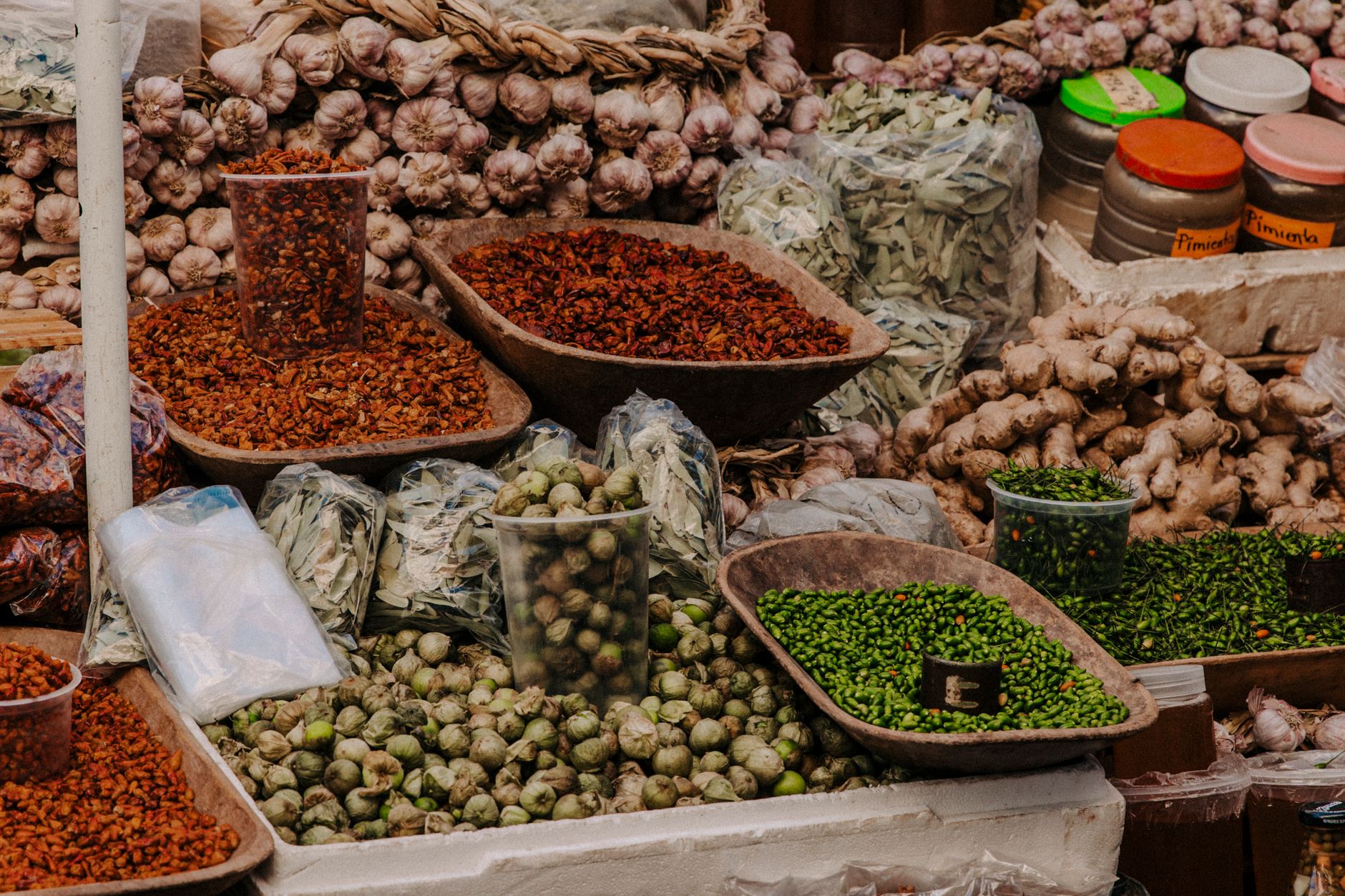
The core of this revamped strategy lies in revaluing native produce and regenerative agriculture. For decades, commercial modernization and globalization homogenized local markets, displacing native varieties of tubers, corn, and wild fruits. The updated plan fosters the creation of short commercialization circuits, directly connecting smallholder farmers with chefs and hospitality managers.
This direct linkage not only reduces the carbon footprint associated with food transport but also strengthens the economy of rural zones. By rescuing heirloom seeds and ancestral farming techniques, Costa Rica safeguards its phytogenetic heritage against the climate crisis. Biodiversity ceases to be an abstract concept in a tourism brochure and becomes the fundamental ingredient that endows Costa Rican cuisine of the 21st century with identity and flavor.

Culinary sustainability is not a marketing label, but an ethical commitment to the origin of food and the well-being of the communities that cultivate it.
Furthermore, the integration of agronomic science into the kitchen optimizes water use and reduces food waste, a critical challenge in the hospitality industry. Training programs directed at cooks and culinary students emphasize the integral utilization of produce, from root to leaf, minimizing environmental impact at every preparation stage.
Health as a Structural Axis of Contemporary Diet
The healthy component of the plan acquires unprecedented relevance in this update. At a time when non-communicable diseases associated with poor diet impose a heavy burden on public health systems, Costa Rican gastronomy proposes a return to its nutritional roots. The traditional diet based on beans, rice, corn, fresh vegetables, and tropical fruits offers an exceptional nutritional balance that the country aims to recover and reinterpret.
Nutritionists and public health experts participating in the plan’s revision advocate for decreasing ultra-processed foods and refined sugars, promoting instead preparations based on whole, seasonal ingredients. This approach does not seek to impose severe restrictions, but to educate consumers on the pleasure of eating clean, fresh, and balanced meals, proving that healthy cooking can be deeply comforting and flavorful.
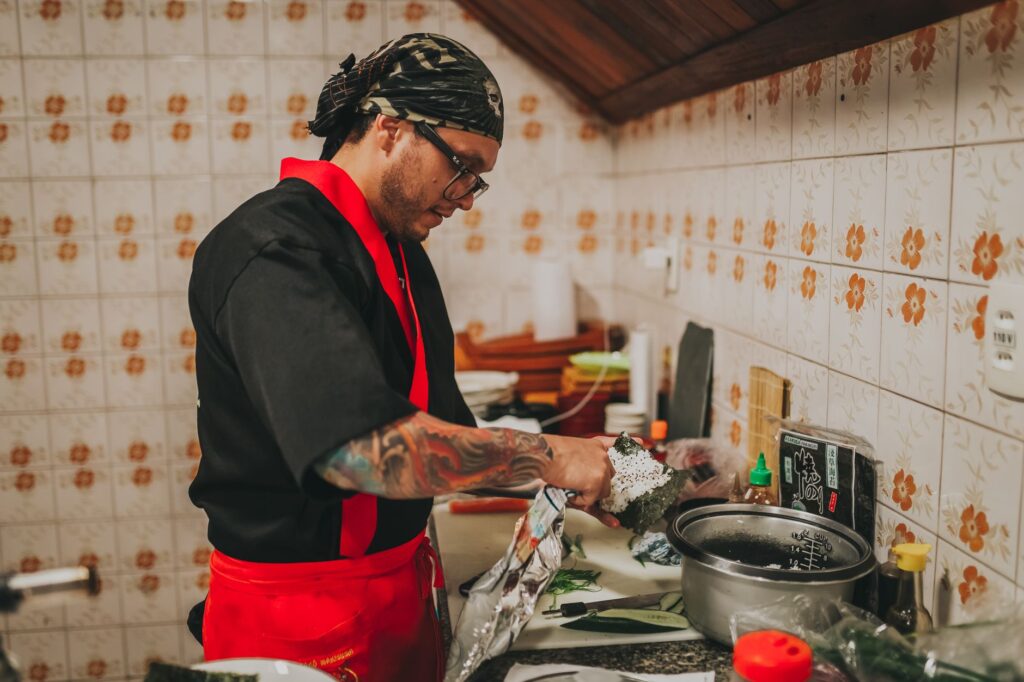
Likewise, special attention is paid to reducing sodium and saturated fats in commercial cooking, adapting traditional recipes without sacrificing the flavor that has historically characterized Costa Rican homes. Health is thus conceived as a culinary right that must be democratized across traditional sodas, municipal markets, and high-end restaurants alike.
Gastronomic Tourism: The New Engine of Circular Economy
Tourism and gastronomy form an unbreakable binomial in Costa Rica’s development model. For international visitors, tasting local food is no longer a mere act of travel subsistence, but a primary motivation for choosing the destination. The update of the Sustainable Gastronomy Plan seeks to structure tourist routes where travelers can learn the exact origin of what they consume, interact with local producers, and understand the effort behind every dish.
This modality of regenerative tourism empowers local communities, especially rural women who have traditionally preserved culinary knowledge. By turning traditional kitchens into cultural and educational attractions, dignified jobs are generated, and migration toward urban centers is curbed. The visitor experiences a genuine connection with Costa Rican culture, rooted in mutual respect and the exchange of knowledge.
Restaurants participating in these routes adopt rigorous environmental management protocols, including energy efficiency, wastewater treatment, and the elimination of single-use plastics. In this way, the culinary experience transforms into an active tool for territorial conservation.

Institutional Challenges and Financing for the Transition
No strategy of this magnitude can rest solely on good intentions; it requires a solid institutional framework and transparent financing mechanisms. The plan’s update contemplates inter-institutional collaboration between the Ministry of Agriculture and Livestock, the Costa Rican Tourism Institute, and the Ministry of Health, ensuring that public policies remain coherent and mutually supportive in practice.
One of the major challenges highlighted by analysts is the need to facilitate access to soft loans and technical advisory services for small producers and gastronomic businesses wishing to migrate toward sustainable practices. The ecological transition often involves costly initial investments in green technology or organic certification, barriers that frequently exclude the most vulnerable entrepreneurs.
Therefore, the updated plan includes tax incentives and subsidized training programs designed to democratize sustainability and ensure that no link in the food supply chain is left behind in this green modernization process.

Gastronomy as Cultural and Environmental Diplomacy
On the international stage, cuisine has consolidated itself as a powerful tool of cultural diplomacy. Costa Rica uses its sustainable gastronomy to project an image of an avant-garde nation committed to global climate agreements and biodiversity protection. Chefs and culinary ambassadors participate in international forums demonstrating that it is possible to feed growing populations without destroying natural ecosystems.
This external projection not only benefits the tourism sector but also opens doors to the export of differentiated agricultural products with designations of origin and sustainability seals. European and North American markets increasingly value goods cultivated under strict environmental and fair-trade standards, placing Costa Rica at an enviable competitive advantage.
The Future in Municipal Markets and Local Hearths
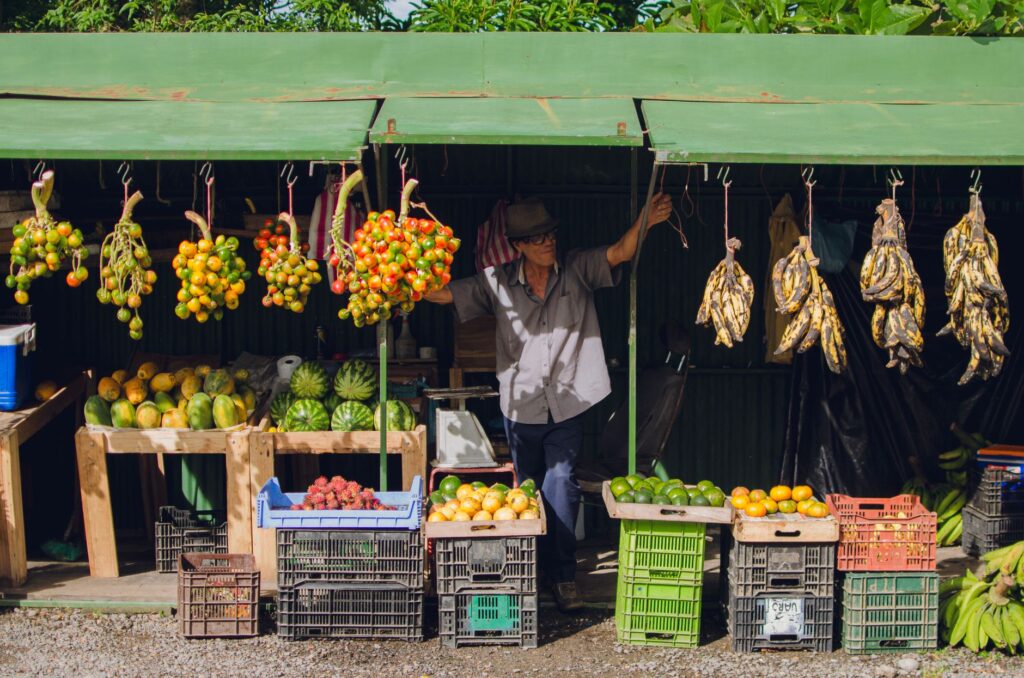
Beyond high government spheres and international congresses, the true success of this plan will be played out in municipal markets and in the everyday hearths of homes and local eateries across the country. It is there that food culture reproduces and transforms day by day. Traditional markets are being redesigned as food education centers and community meeting spaces, promoting the consumption of local products over the standardized offerings of large supermarket chains.
Citizen participation and open intergenerational dialogue are essential so that tradition does not become a static museum piece, but a living organism capable of adapting to modern times. Grandmothers guarding centennial recipes and young chefs experimenting with natural fermentation techniques find an enriching meeting point in this plan.
Updating national gastronomy is an act of memory and courage: remembering where we come from to decide with what flavor we want to nourish our future.
Practical Information and Context for Travelers and Foodies
For those interested in exploring Costa Rica’s sustainable gastronomy firsthand, it is advisable to plan routes that include local markets in San José, agricultural cooperatives in the Central Valley, and agritourism projects in regions like Guanacaste and Talamanca. Travelers are urged to verify the sustainable tourism certifications (CST) of gastronomic establishments and prioritize projects demonstrating a direct link with local fair-trade producers.
- Key Markets: Central Market of San José and Feria Verde de Aranjuez.
- Recommended Initiatives: Organic coffee cooperatives and native cacao routes.
- Ideal Season: December to April to enjoy the harvest and outdoor markets with stable weather.
- Travel Tip: Always ask about the origin of ingredients; committed restaurants will proudly share the story of their suppliers.
Toward a Horizon of Conscious Flavor
The updating process of the National Plan for Sustainable and Healthy Gastronomy places Costa Rica at the forefront of food innovation in Latin America. By integrating food sovereignty, public health, environmental conservation, and tourism development, the country proves that cooking can be a transformative force in society. The immediate challenge will consist of implementing each of these guidelines with rigor and transparency, ensuring that the aroma of the land and the freshness of the forests remain the main ingredients of every Costa Rican table.
Source in EN: Travel2Latam via Google News