As Suwayq, Oman: Daily Life and Mobility Between the Batinah Coast and Inland Routes
In the North Batinah Governorate, As Suwayq organises its daily movements between coastal highways, traditional markets and the steady rhythm of local communities.

In the North Batinah Governorate, As Suwayq organises its daily movements between coastal highways, traditional markets and the steady rhythm of local communities.

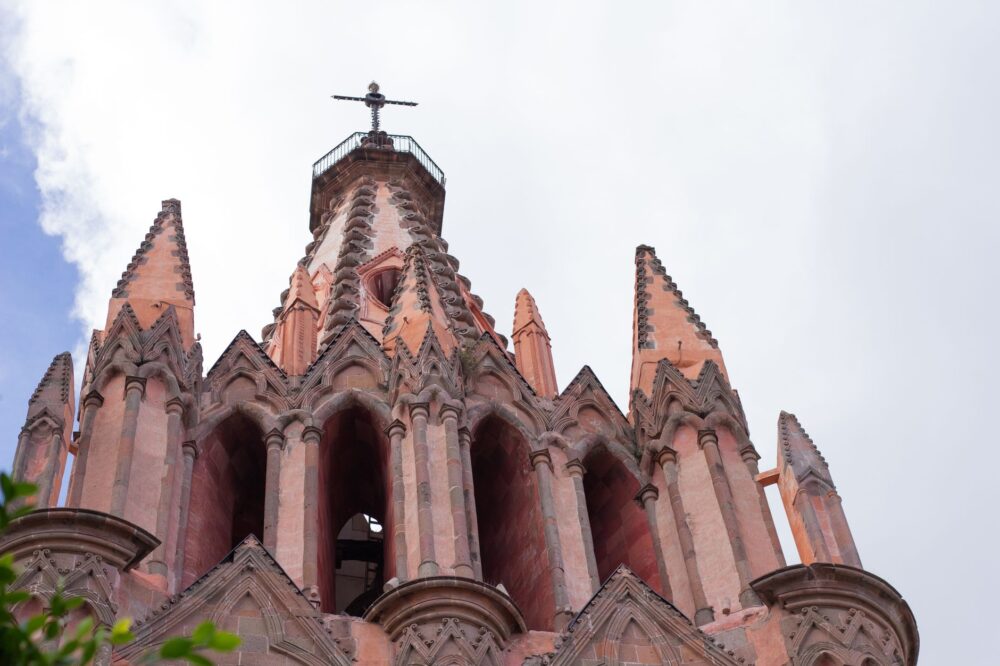
In northeastern Mexico, Saltillo organises daily life between a bus terminal facing the desert, a pink-stone historic centre and a mountain range that shapes every journey. Understanding how the capital of Coahuila moves is the best way to…

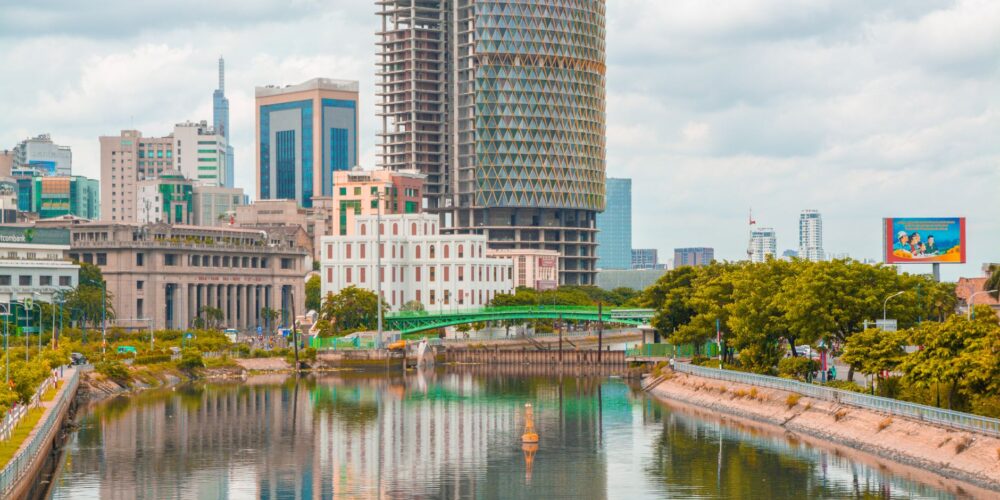
In western Ho Chi Minh City, District 10 organises daily life for some 399,000 people through a web of canal bridges, narrow alleys and a transport offer that visitors should understand before moving around. This guide explains how…

In Nepal's far southeast, Biratnagar runs on cycle rickshaws, buses that cross into India and a small airport with the code BIR. A practical guide to understanding local transport without rushing and with respect for the people who…

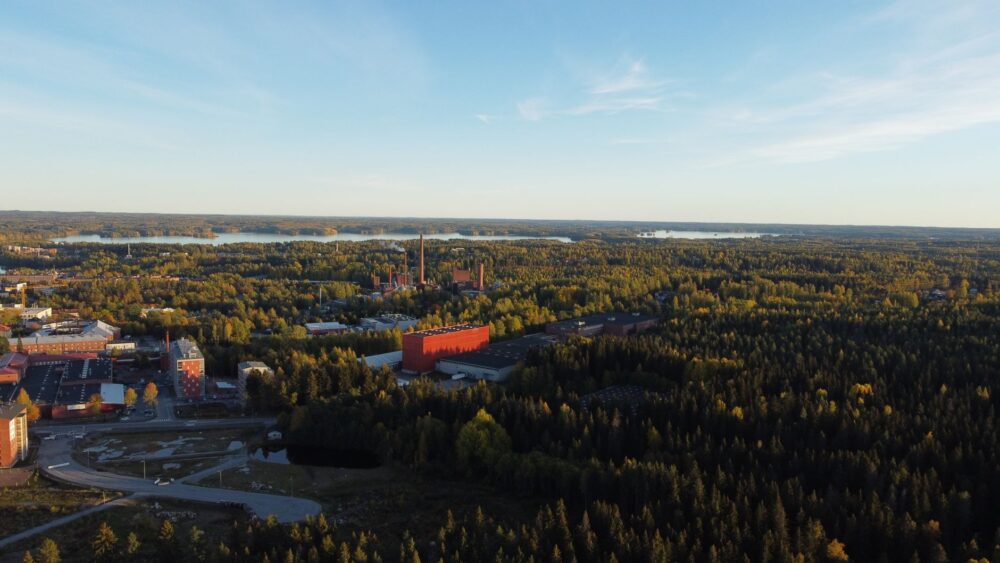
In southern Finland, just over a hundred kilometres from Helsinki, Hämeenlinna organises the lives of its 68,000 residents around a bus station and a network of short journeys that reveal how a mid-sized city moves when climate, sprawl…

Agra draws millions of visitors each year to the Taj Mahal, but moving through this city in Uttar Pradesh requires understanding its network of trains, buses and cycle rickshaws. A guide to travelling with respect for its heritage…

In the English county of Berkshire, Reading has grown around its railway station, now one of the busiest transport hubs in the country. Between platforms, buses and a pedestrian centre, the town offers a practical lesson in moving…

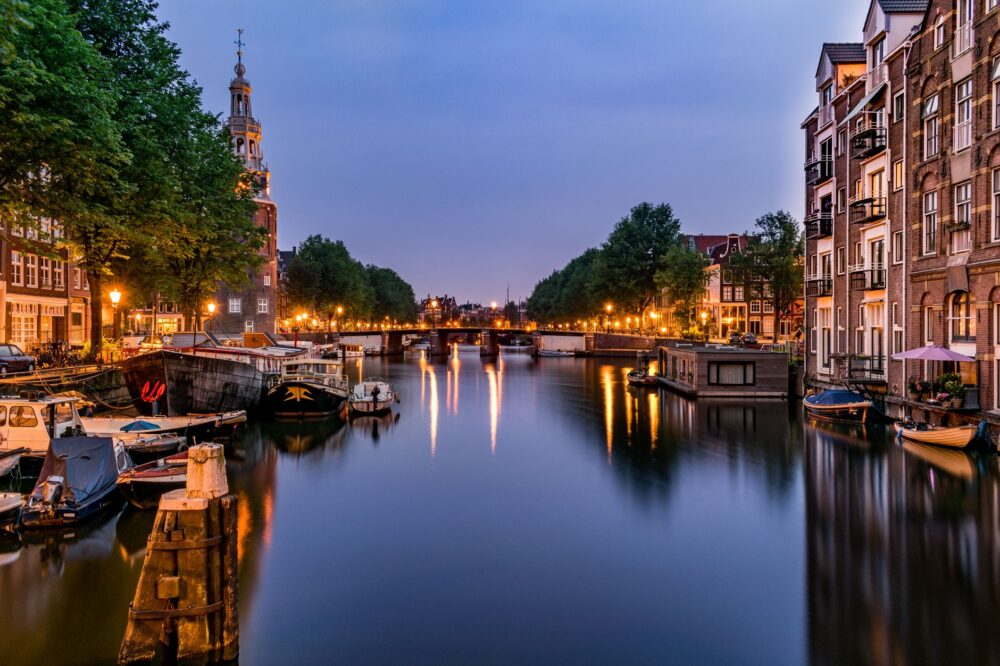
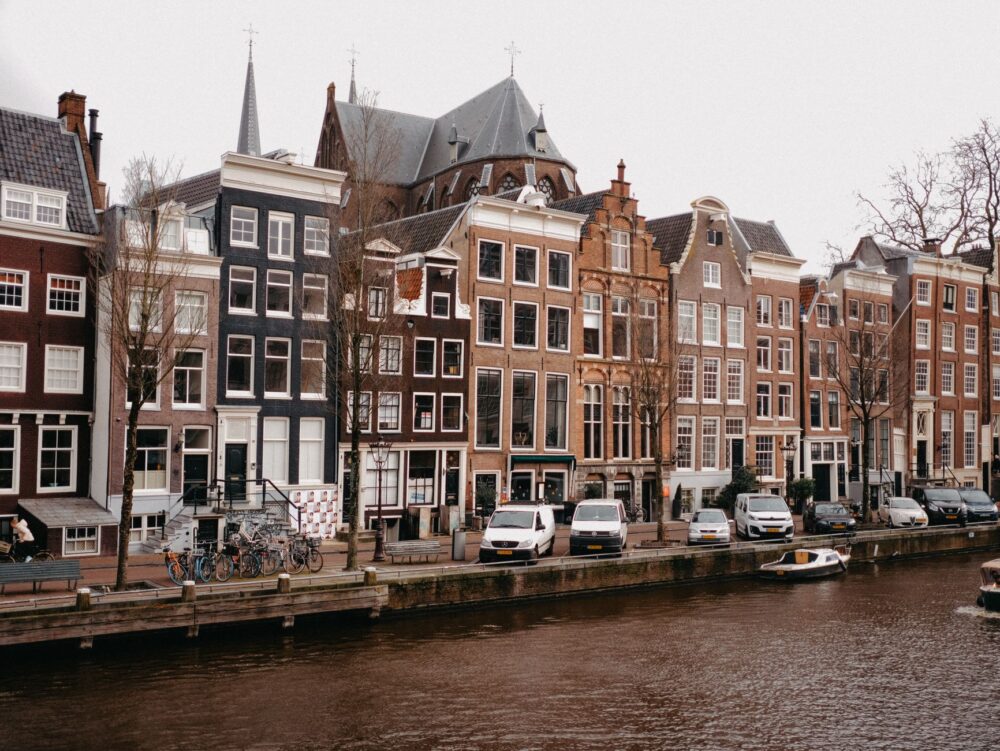
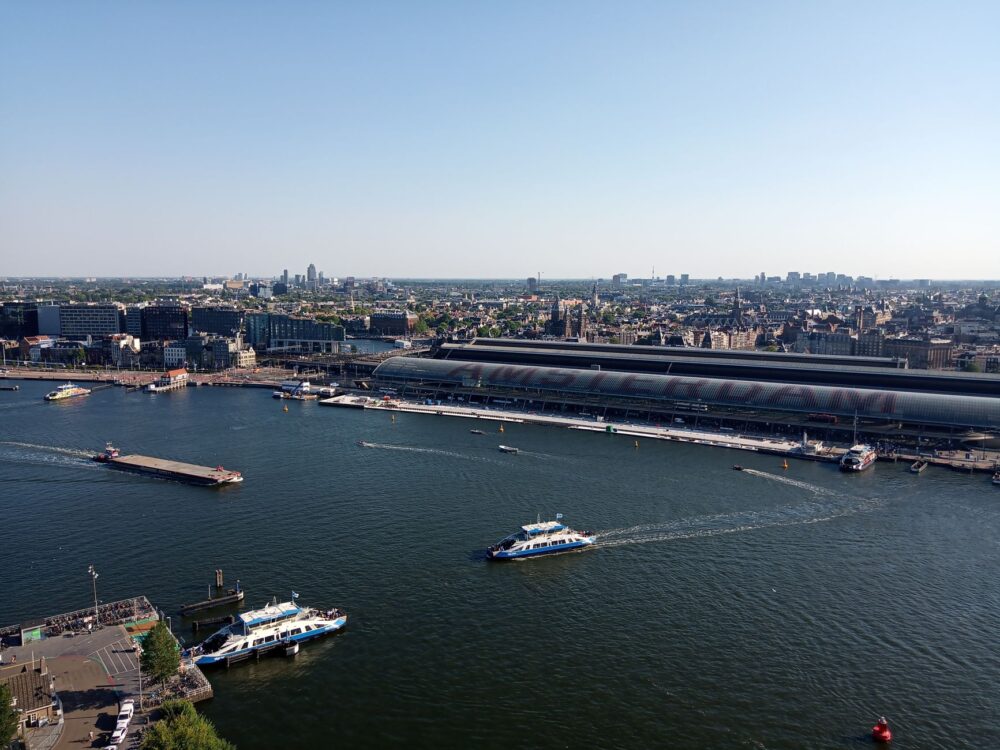
The Dutch capital works like a precise mechanism where every mode of transport has its own lane and its own time. Understanding that choreography is the key to moving without friction through a city that rewards planning and…

The Dutch capital rewards travellers who organise their movements in advance. Trams, bicycles, ferries and a well-designed pedestrian network make it possible to explore the city without relying on taxis or cars. This practical guide explains how to…

The Dutch capital works as a network of distinct neighbourhoods. Understanding the tram, metro, ferry and shared bicycles helps visitors organise their trip and see how the urban landscape and the water shape everyday routines.
An editorial selection tailored to your interests.