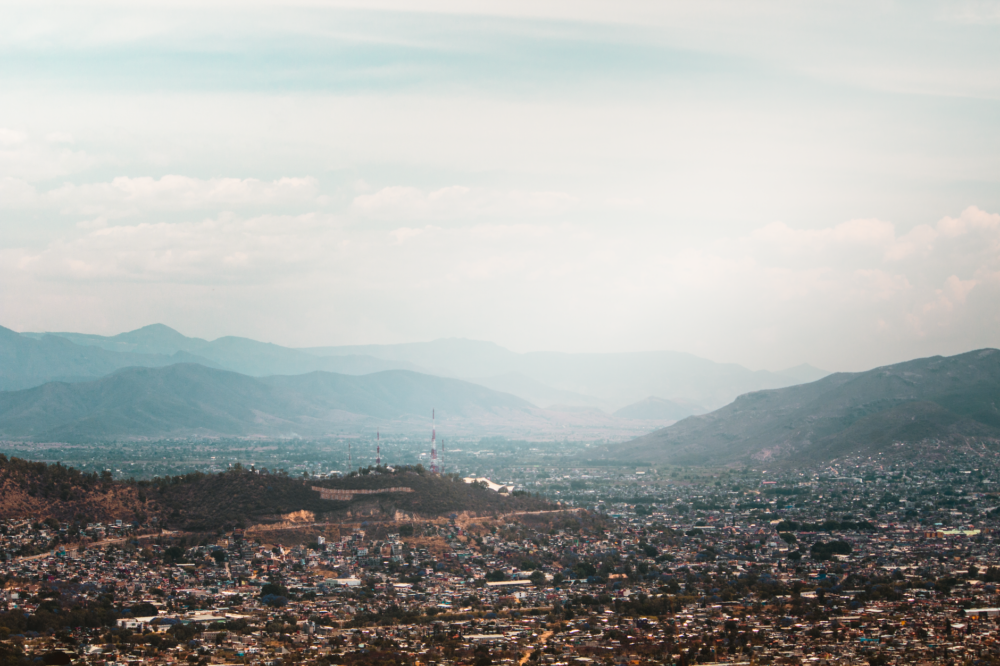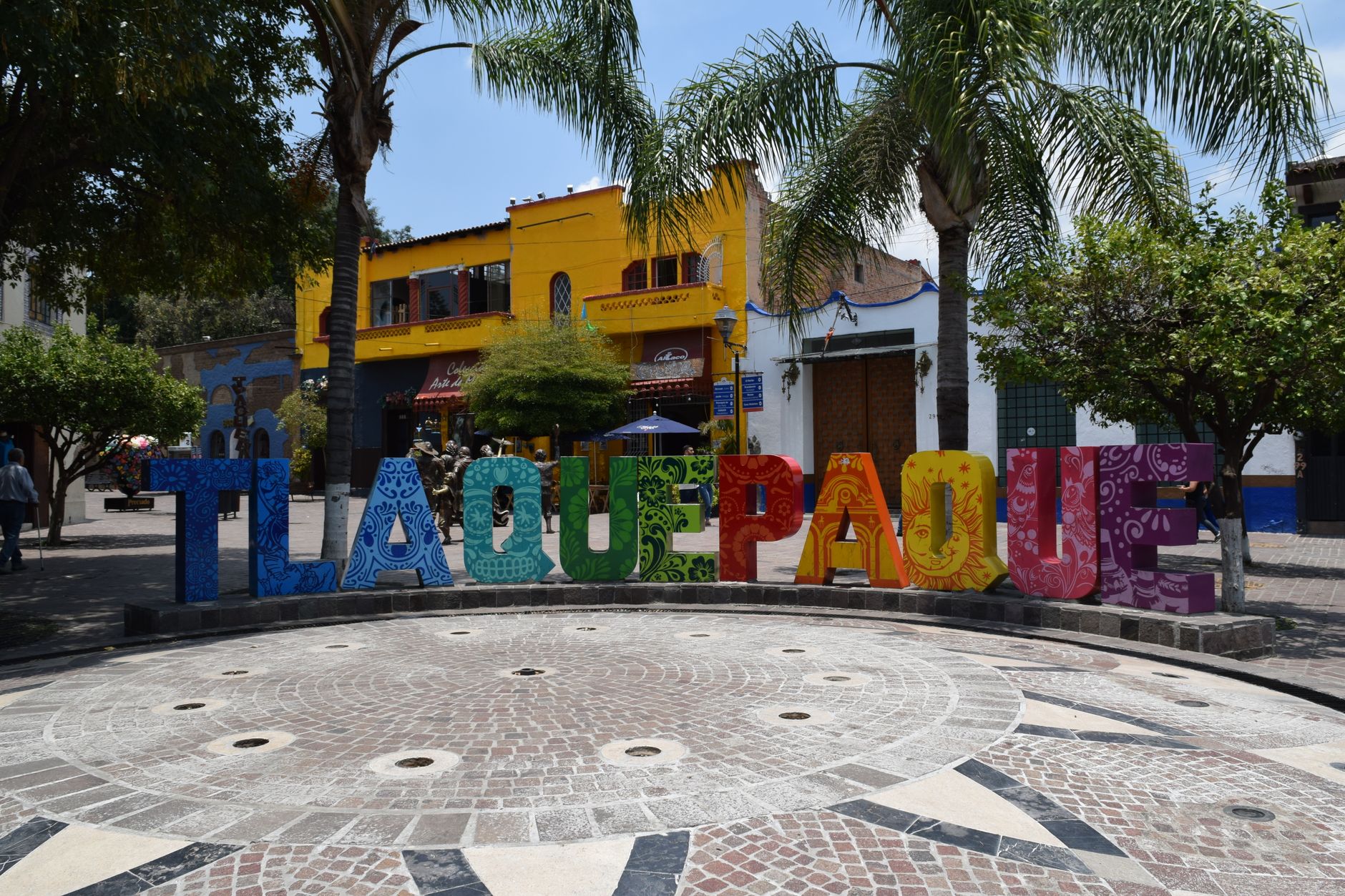

On the southern edge of Guadalajara, Tlaquepaque blends pottery workshops, stone-paved streets and a neighbourhood life that resists becoming a backdrop. Visitors in a hurry miss the most interesting part: the one that organises itself away from the tourist corridor.
The Jalisco municipality, home to roughly 650,000 people according to the most recent geographic records, is far more than its famous garden and arcades. It is a place where craftwork sits alongside schools, markets and public transport, and where the question of how to welcome visitors without displacing residents has become part of everyday conversation.
A municipality that does not fit in a postcard
Tlaquepaque usually appears in guidebooks as a half-day excursion from central Guadalajara. That description, convenient for the visitor, hides a broader reality: the municipality stretches across residential neighbourhoods, working-class colonias and industrial corridors that have little to do with the image of clay and lanterns.
The official name, San Pedro Tlaquepaque, points to a history that reaches back to pre-Hispanic times and was transformed by the arrival of pottery workshops and, later, by the urban expansion of the metropolitan area. Today, local identity rests on that mix: inherited craft and the modern life that surrounds it.
For first-time visitors, the advice is simple: do not stay only within the monumental perimeter. Walking a few streets inward, stepping into a neighbourhood market or sitting in a secondary square changes the reading of the place entirely.
Pottery as a memory of work
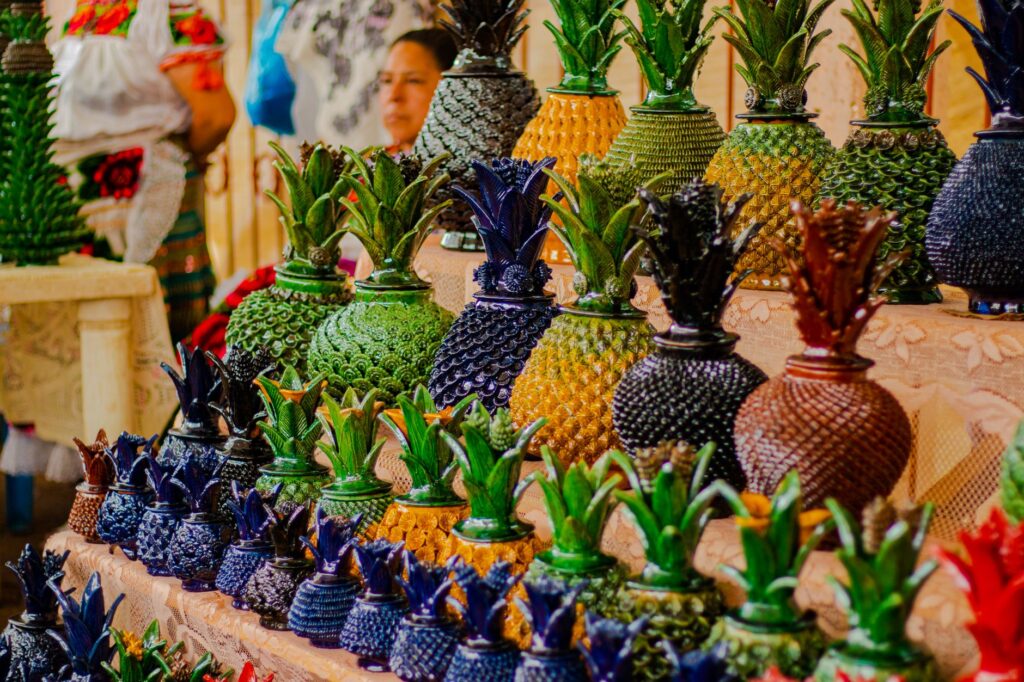
Ceramics are the thread running through much of Tlaquepaque’s economic history. Family workshops, some active for decades, produce everything from utilitarian tableware to decorative pieces sold in downtown galleries and craft markets.
That tradition is not a spectacle for tourists but a chain of work involving moulders, painters, kiln operators and transporters. When a visitor buys a piece directly from a workshop, they take part in a local economy that rarely appears in brochures.
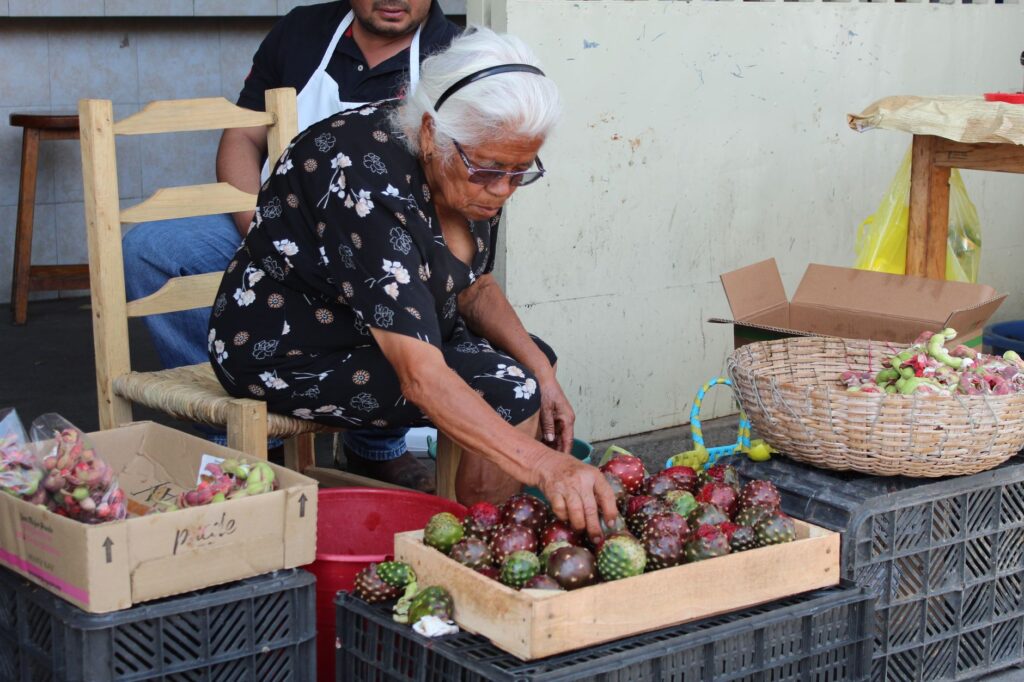
Craftwork is not a travel souvenir: it is how many households in Tlaquepaque sustain their economy.
That reality has a practical consequence for the responsible traveller: ask about the origin of the piece, avoid industrial imitations and prefer workshops where the process can be seen. This is not a moral demand but a more interesting way of understanding what is being bought.
The historic centre and the life around it
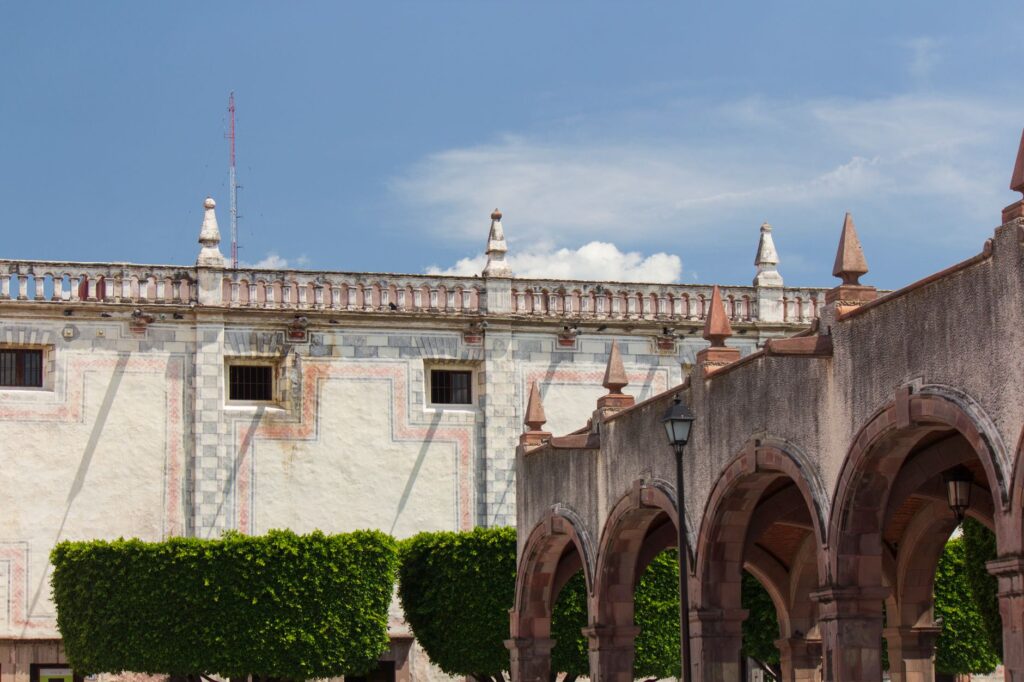
Jardín Hidalgo, the arcades and the gallery corridor concentrate most of the tourist flow. It is a pleasant area to walk, with shade, benches and a food offer ranging from street snacks to more elaborate cooking.
But the historic centre is also a neighbourhood space. Mornings belong to those heading to work, to delivery riders and to students; afternoons, to families strolling; evenings, to those going out for dinner. Understanding these rhythms helps visitors move without getting in the way.
A good exercise is to explore the centre early, before the tour buses arrive, and then drift towards the side streets, where bakeries, small eateries and workshops that do not appear on the most popular maps can be found.
Getting around Tlaquepaque without depending on a car
Mobility is one of the most sensitive issues in the Guadalajara metropolitan area, and Tlaquepaque is no exception. The municipality has public transport connections to the city centre and to other points in Jalisco, although quality and frequency vary by neighbourhood.
For visitors, the most reasonable option often combines public transport for longer trips with walking for the historic centre. Distances within the centre are short, and walking reveals details that are lost from a vehicle window.
Those travelling by private car should consider parking and traffic, especially on weekends and during local festivities. Planning ahead avoids surprises and reduces the trip’s footprint.
Heritage held up by everyday decisions
Tlaquepaque’s heritage is not limited to its historic buildings. It also includes the knowledge of its artisans, the recipes of its kitchens and the forms of neighbourhood organisation that keep public spaces alive.
That heritage faces familiar pressures: the gentrification of some streets, competition from industrialised products and changing preferences among younger generations. The answers are neither single nor simple, and depend on decisions taken in both the public and private spheres.
Visitors can contribute in a modest but real way: paying fair prices, respecting workshop hours, not intruding into residential neighbourhoods and choosing services that employ local people.
A destination is not preserved by public budget alone: it is also preserved by the way those who pass through it live and visit it.
Neighbourhood food and market cooking
Tlaquepaque’s food offer reflects its condition as a metropolitan municipality. The historic centre has plenty of restaurants designed for visitors, while the colonias hold small eateries, taquerías and market stalls with more accessible prices and more everyday flavours.
Trying local cooking in a market is one of the most honest experiences of the trip. There you understand how the city feeds itself, what is produced in the region and how prices relate to the work of those who cook.
For those seeking a slower experience, market mornings offer seasonal fruit, freshly baked bread and the chance to talk with vendors without the filter of a tourist menu.
Architecture, shade and public space
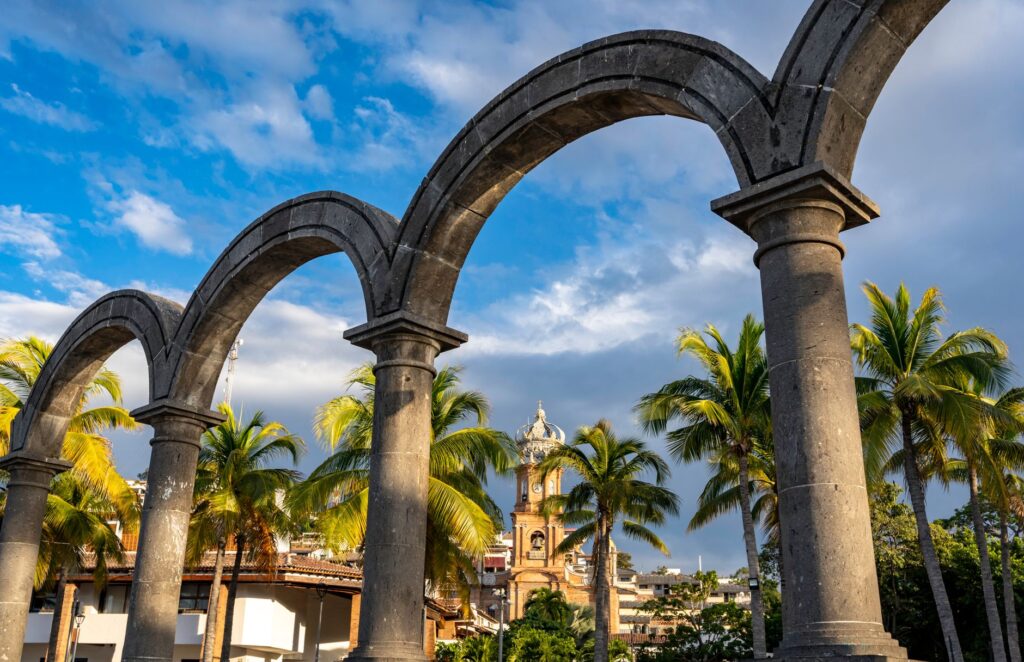
Central Tlaquepaque retains a scale that favours pedestrian life: relatively narrow streets, low-rise buildings and arcades that provide shade for much of the day. That configuration, inherited from earlier periods, is valuable today in the face of heat and pollution.
Interior courtyards, fountains and gardens serve a function beyond the aesthetic: they are spaces of encounter and thermal regulation. Preserving them is also an environmental decision.
Visitors can recognise that value simply by walking attentively, avoiding unnecessary noise and respecting spaces that belong, above all, to those who live there.
How to visit Tlaquepaque with judgement
The question many travellers ask is how to enjoy the place without contributing to the problems that affect it. There is no single answer, but there are concrete guidelines that help make more conscious decisions.
- Choose local workshops and shops over chains or intermediaries, and ask about the origin of products.
- Walk within the historic centre and use public transport for longer trips.
- Avoid peak congestion hours and respect the rest of residential neighbourhoods.
- Learn about local festivities so as not to interfere with community activities.
- Reduce waste by carrying a reusable bottle and avoiding single-use plastics.
These decisions do not transform a municipality on their own, but they help make tourism a more balanced part of local life.
Practical guide
Getting there: Tlaquepaque is part of the Guadalajara metropolitan area, in the state of Jalisco. It can be reached from the city centre by public transport or by road. Guadalajara international airport is a reasonable drive away.
When to go: Spring and autumn usually offer milder temperatures. Summer coincides with the rainy season, which can affect the visit but also transforms the landscape. Check the local calendar before planning.
What to bring: Comfortable clothing, walking shoes, sunscreen and a reusable bottle. In the rainy season, a light rain jacket is useful.
Where to eat: Markets and neighbourhood eateries offer local cooking at accessible prices. The historic centre has options more oriented towards visitors.
What to buy: Ceramics and crafts directly from workshops, checking the origin and the production process.
Mobility: Walk in the centre and use public transport for longer distances. A private car is useful for exploring other parts of Jalisco but is not essential within the historic centre.
What remains when the visitor leaves
At the end of the day, when the tour buses leave and the galleries close, Tlaquepaque returns to what it is the rest of the time: a municipality where people work, study and live together. That everyday life is what sustains the heritage and what makes the place continue to make sense.
Travellers who understand this take away something more than a piece of pottery: they take away the awareness that their visit is part of a chain of decisions affecting other people. And that awareness, more than any brochure, is the best guide for coming back.