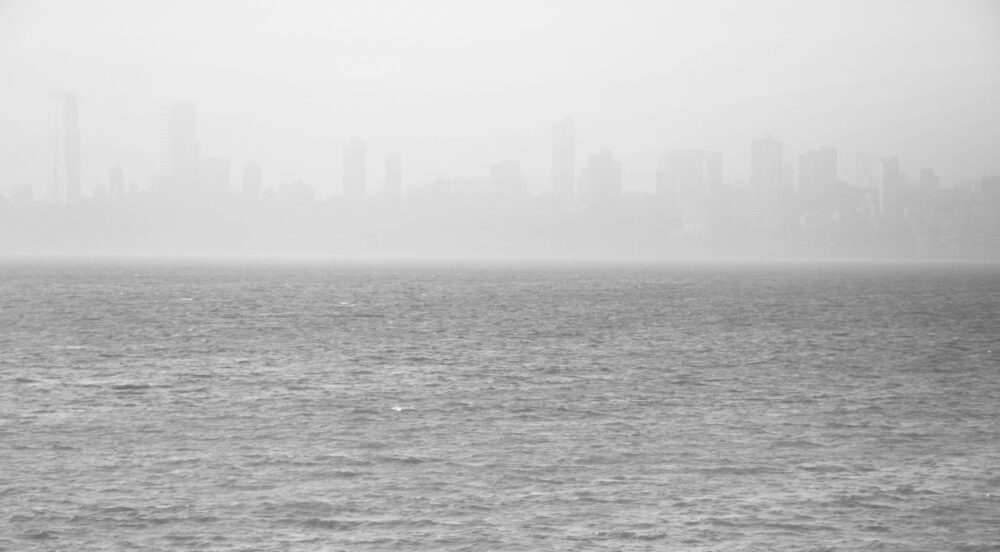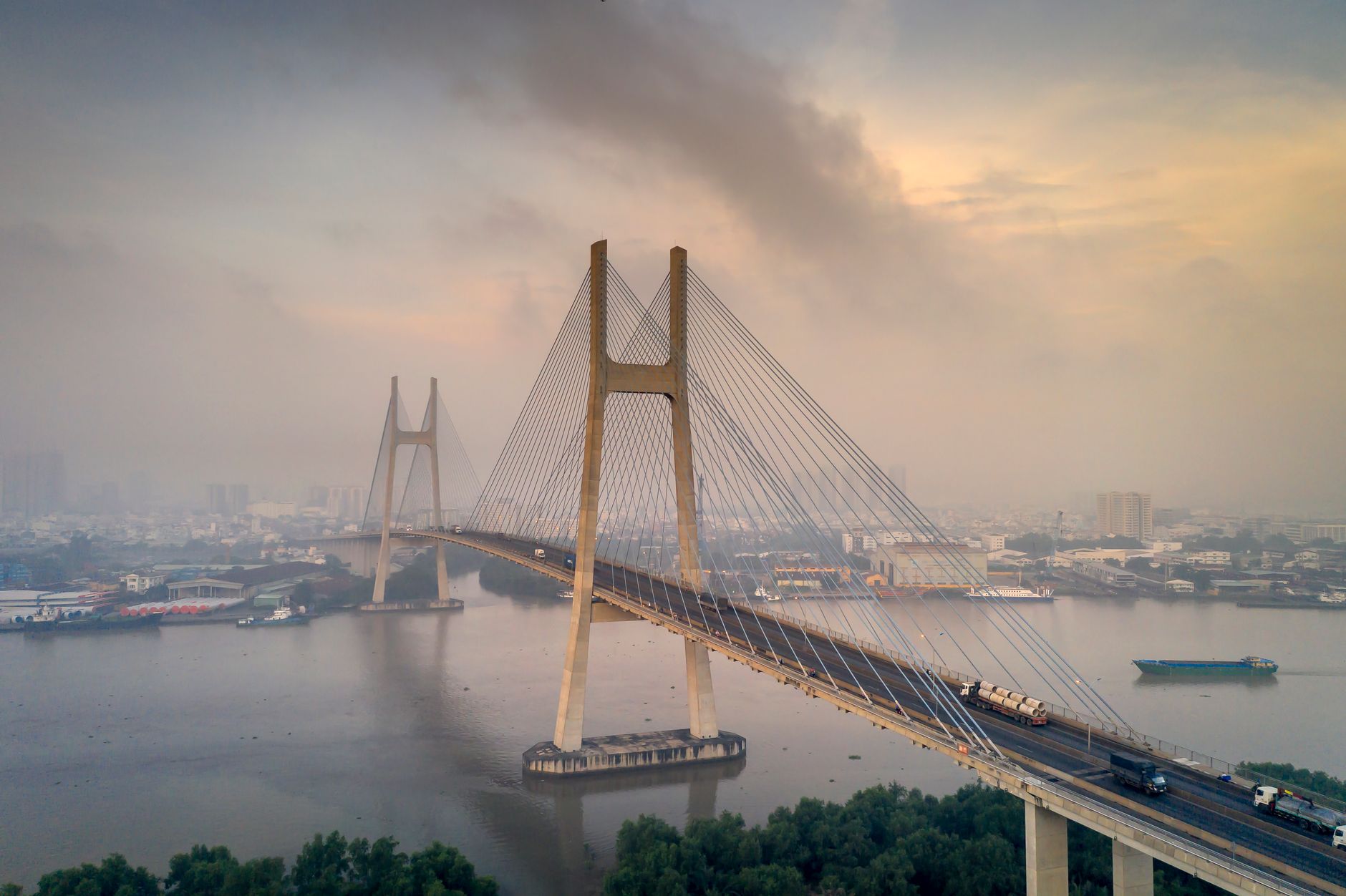

Bình Thạnh is a district of Ho Chi Minh City, in southern Vietnam, home to more than half a million people and sitting barely ten metres above sea level. Anyone looking for open ocean will not find it here: what they will find is a web of canals, river piers and a daily relationship with water that demands a different kind of preparation. Adventure, at this point in the delta, is measured in tides, downpours and a careful reading of a river that never stops moving.
This report does not propose an ocean crossing or sell a secret route. It proposes something more useful: understanding how water behaves in an urban district of southern Vietnam, which signals to watch before boarding a boat, and why protecting the local ecosystem is inseparable from any navigation plan.
A district that faces the river, not the sea
Bình Thạnh lies north of the historic centre of Ho Chi Minh City, on the bank that the Saigon River traces opposite the city’s oldest wharves. Its low elevation, close to ten metres, explains much of its character: here water is not a distant backdrop but a presence that shapes streets, drainage and schedules.
The administrative hierarchy confirms it: Bình Thạnh is an urban subdivision of Vietnam’s most populous city, not a fishing port or an island. That hybrid condition — urban density with a riverine vocation — sets the tone for any outing on the water. This is not about reaching the open sea, but about correctly interpreting a river system under urban pressure.
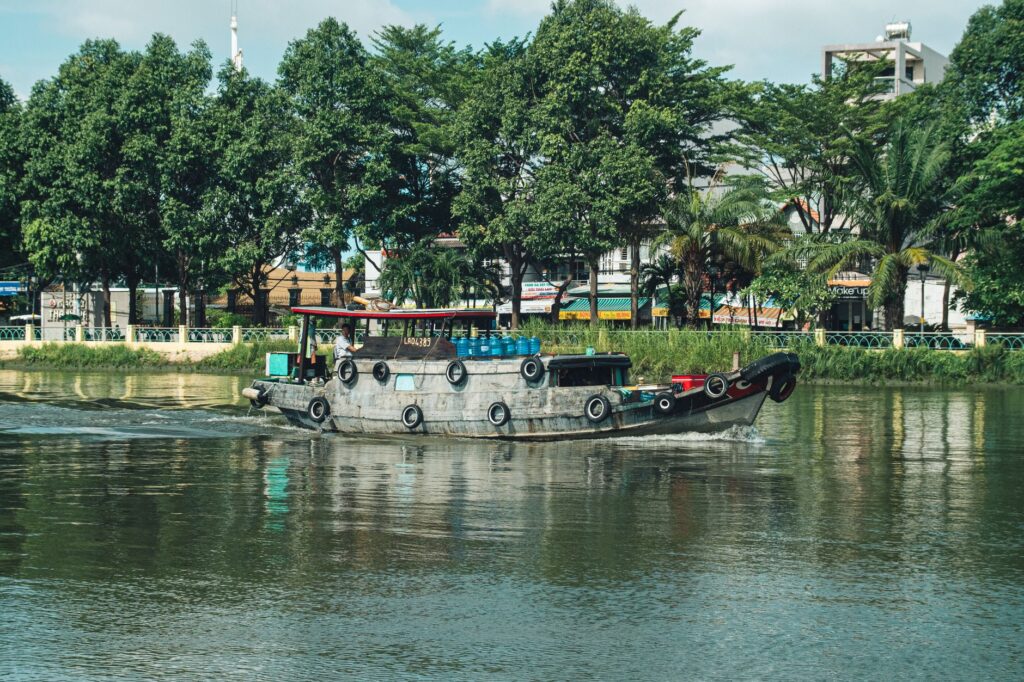
In southern Vietnam, fresh and salt water negotiate every day. That shifting boundary is the first lesson in navigation.
Currents that shift with tide and rain
The Saigon River, like much of the southern delta’s waterways, responds to a double pulse: the tide of the South China Sea pushing water inland, and the monsoon rains sending it back laden with sediment. In practice, this means the direction and strength of the current can vary through the day, and a calm stretch in the morning may behave differently hours later.
For anyone planning a trip in a small boat, the sensible approach is to check local tide tables and observe how the water behaves at the embarkation point before deciding. There is no single, stable current here to memorise: reading the water is a skill you practise, not a fact you file away.
- Watch the direction of floating objects and debris on the surface.
- Check the water level against gauges and marks on the pier.
- Ask people operating boats in the area about river conditions.
- Avoid inferring the water’s behaviour from the time of day alone.
The weather: humid heat and afternoon downpours
Ho Chi Minh City has a tropical savanna climate, with a marked wet season and a shorter dry one. In practice, this means frequently clear mornings and storms that can appear quickly around midday or in the afternoon. High humidity is part of the landscape: it is not an anomaly, it is the environment.
For water-based activity, humid heat poses two specific challenges. The first is hydration and sun protection, often underestimated because cloud cover is deceptive. The second is visibility: a sudden downpour reduces how far you can see across the river and complicates navigation in an environment already busy with cargo and passenger boats.
Sensible planning means reserving outings for the early hours, wearing clothes that dry quickly and having a backup plan if the sky closes in. Flexibility is not a surrender of the plan; it is part of the plan.
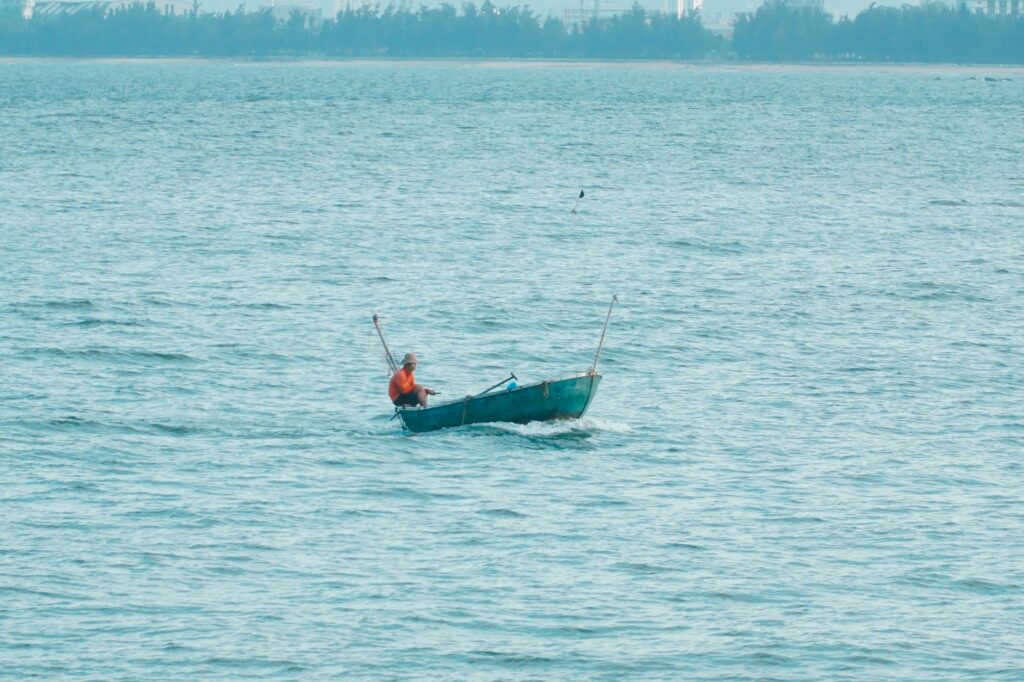
Safety: what you learn at an urban pier
Navigating in a densely populated urban district imposes rules different from those of an open coast. River traffic includes cargo vessels, ferries and small boats, and the coordination between them is not always visible to visitors. That is why it is worth boarding with established operators, with life jackets within reach and clear instructions on what to do if someone falls into the water.
Swimming in the river is not a recommended recreational activity: water quality in urban stretches can vary and currents are not obvious from the surface. Safety here depends less on physical skill than on caution and information.
The best safety decision on an urban river is usually the least spectacular one: wait, ask, and do not set out.
Maritime and river culture in southern Vietnam
Vietnam’s relationship with water goes beyond recreational boating. In the south, rivers have historically been axes of trade, transport and daily life. Bình Thạnh preserves that memory along its riverfront, where wharves, homes and modest-scale port activity coexist.
Understanding that culture means recognising that the river is not an empty space reserved for leisure, but a place of work. Anyone navigating it shares the space with those who use it to make a living. That awareness changes the way you look: less landscape, more neighbourhood.

Water as everyday heritage
Bình Thạnh’s heritage is not concentrated in grand monuments but in the continuity of an urban life organised around water. Markets, landing stages and river transport routes are part of that intangible heritage that rarely appears in guidebooks and yet explains the place better than any facade.
Ecosystem: what you see and what you don’t
The Saigon River and its tributaries support freshwater and brackish ecosystems under heavy urban pressure. Pollution from waste, altered flows and the loss of riverside vegetation are documented problems in the region. For visitors, protecting the ecosystem begins with concrete gestures: not throwing waste into the water, not feeding wildlife and not collecting vegetation.
It also involves a consumer decision: choosing operators that respect local rules and do not promote activities incompatible with conservation. A protected urban river is not an environmental luxury; it is the condition for the experience of navigating it to continue to exist.
Physical and material preparation
Exceptional athletic fitness is not required for a river outing in Bình Thạnh, but some preparation is. Humid heat calls for acclimatisation, light quick-drying clothing, footwear that can get wet and water-resistant sun protection. It is worth carrying enough drinking water and avoiding the hottest hours.
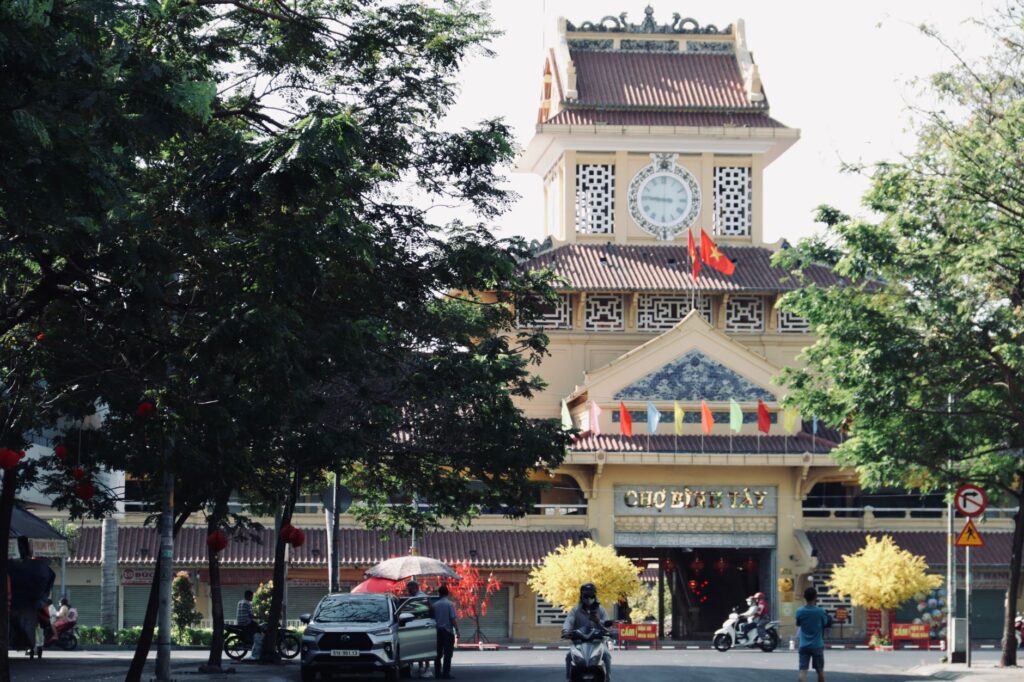
In terms of gear, a waterproof bag for phone and documents, a cap and a small first-aid kit cover most foreseeable needs. The list is modest because the environment, though demanding, is urban: services are close and logistics do not require complex expeditions.
Practical guide
When to go. The dry season usually offers more stable skies, while the wet season brings intense downpours. In any case, the early hours of the day are the most favourable for being on the water.
Getting around. Bình Thạnh is well connected to central Ho Chi Minh City by road and river. For outings on the water, it is worth hiring boats from identifiable operators and confirming the day’s conditions.
What to bring. Light clothing, sun protection, water, a waterproof bag, footwear that can get wet and a copy of your documents. A life jacket should be available on board.
What to avoid. Swimming in the river, throwing waste, feeding wildlife and underestimating how quickly the weather changes. Nor should you assume the current will be the same as hours earlier.
Language and manners. Vietnamese is the local language; English is used in tourist settings but not universally. Learning basic greetings makes interaction easier and shows respect.
A photograph at the end of the day
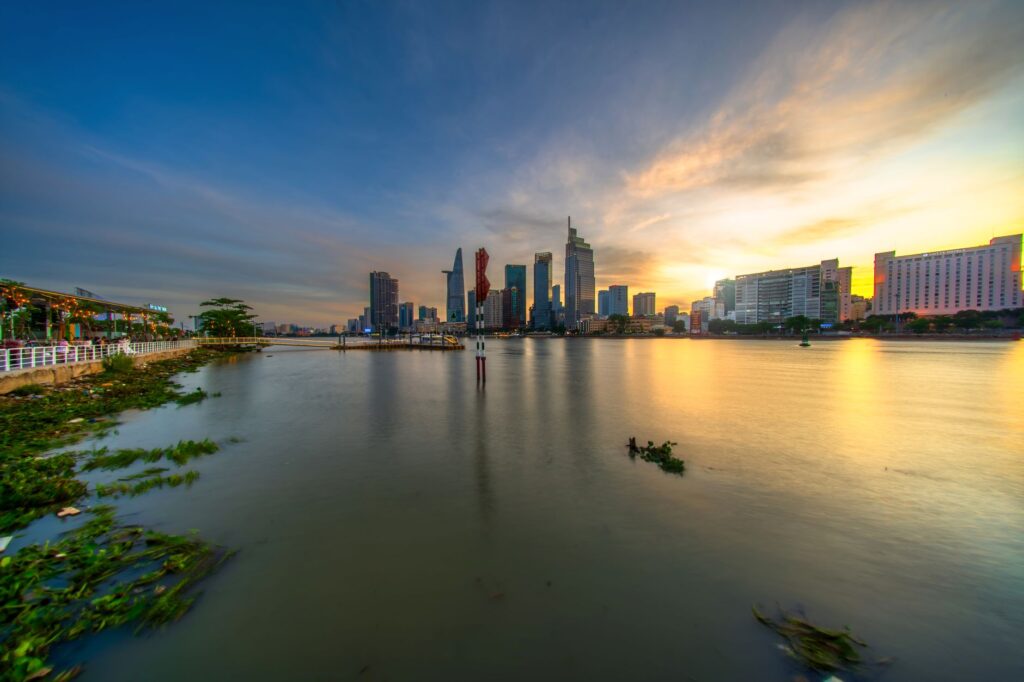
When evening falls in Bình Thạnh, the river changes texture. The light turns oblique, boat traffic thins and the water reflects a sky that no longer threatens rain. It is the moment when the district shows its calmest face, the one that never appears in brochures.
There, in that relative silence, you understand why preparation matters. Not to conquer the river, but to be able to be on it with the attention it deserves. Adventure, in Bình Thạnh, means learning to read a water landscape before asking anything of it.