
Mumbai cannot be understood from a viewing deck. It is understood by walking slowly through its markets, watching how spices are stacked next to fabric stalls and how street noise turns into a form of conversation. India’s financial capital, home to more than twelve million people according to available geographic records, is also one of those cities where heritage and daily life share the same space without asking permission.
For the visitor, the useful question is not which monument to see first, but how to move through a city that produces identity at every turn. Mumbai demands attention: to architecture, to trades, to market hours and to the decisions we make when we consume culture.
A peninsula built in layers
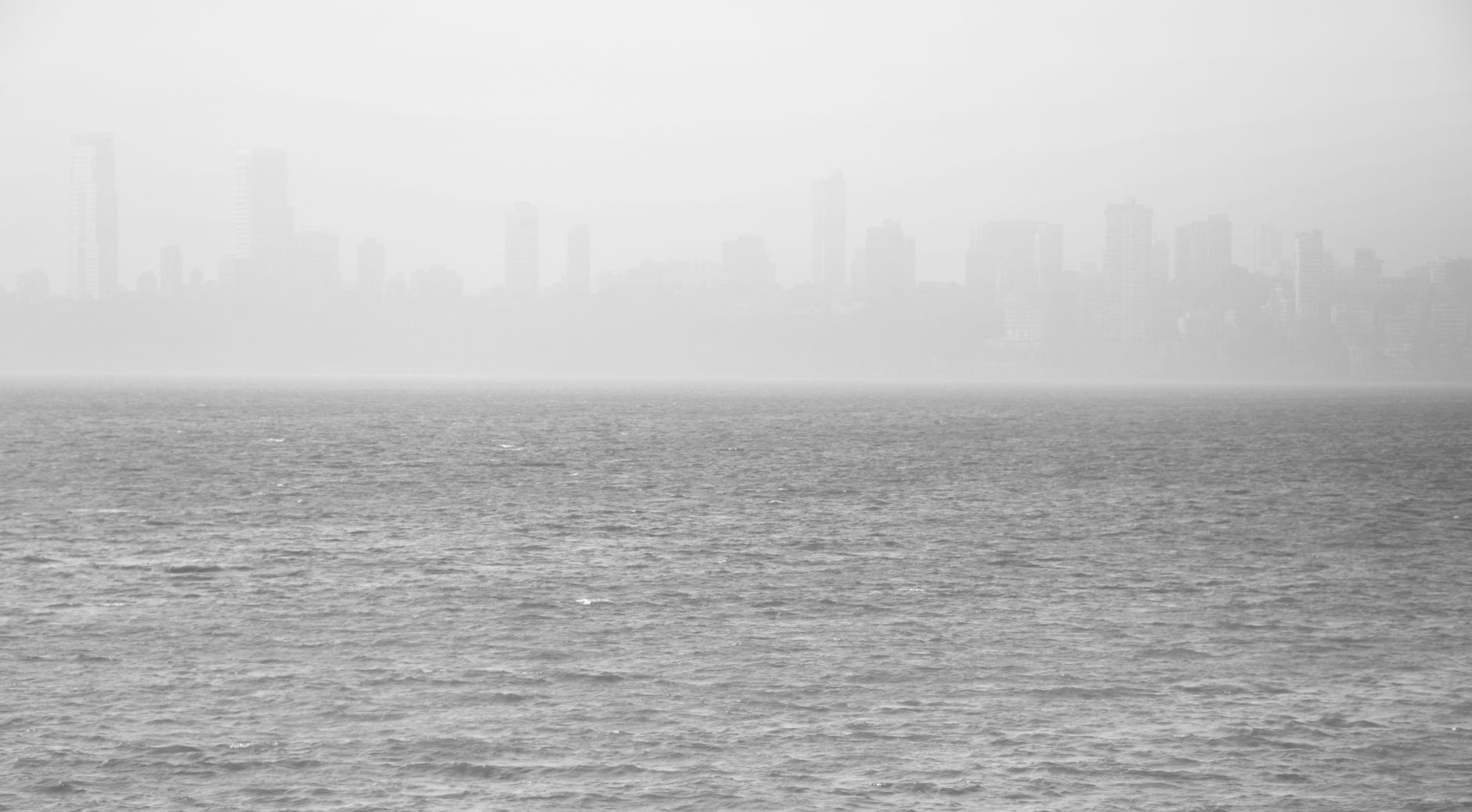
Mumbai occupies a peninsula on the Arabian Sea coast, in the state of Maharashtra. Its current shape is the result of successive urban transformations: what was once a group of islands became, over time, a dense and sprawling metropolis. That insular condition explains much of its character: the city faces the water but also folds back into its neighborhoods, where scale changes and life is organized around the street.
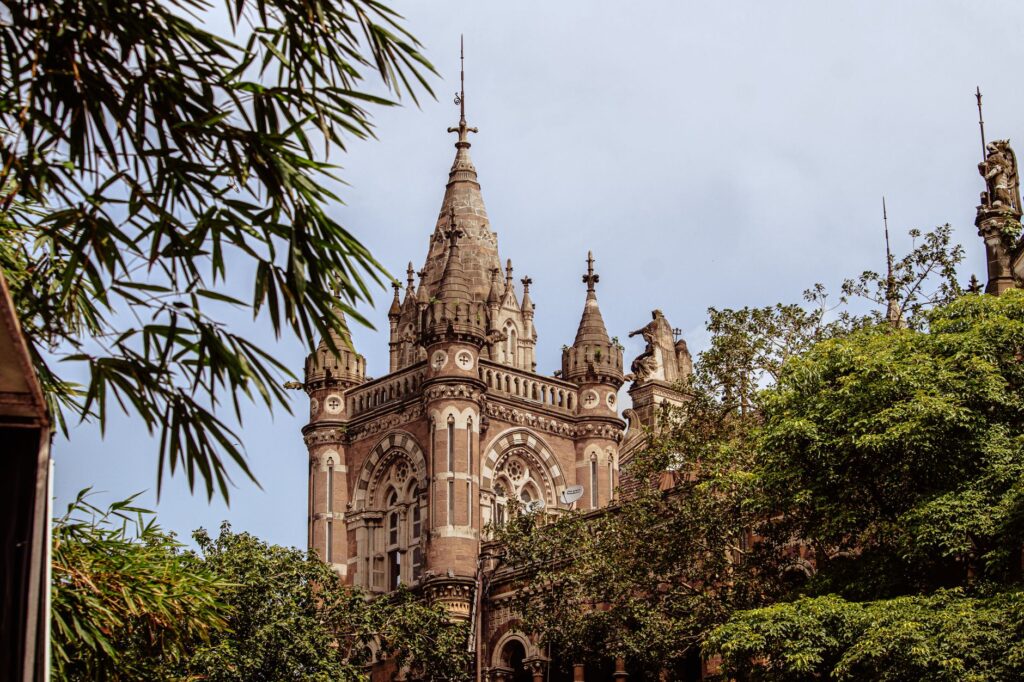
The historic center preserves a remarkable architectural repertoire, with public buildings and stations that combine European influences and local solutions. You do not need to be a specialist to perceive it: simply look up in the old quarter and observe how stone, iron and plaster coexist with awnings, signs and the improvised installations that daily life adds.
The city is not visited as a museum: it is walked as a living archive where every building remains in use.
The market as a way of knowing
If there is one place where Mumbai explains itself, it is the market. There are flower markets, spice markets, fabric markets, metal markets, food markets. Each has its own schedule, logic and internal geography. Entering them requires a simple rule: do not get in the way. The market is not a backdrop for photographs; it is a workplace where the visitor arrives as a guest.
The flower markets, especially those that supply the city from dawn, show an economy organized with precision. Spice and grain markets reveal a food culture sustained by nearby trade. And fabric markets, with their narrow aisles and stacked rolls, connect to a textile tradition that has marked the economic history of the region.
For the traveler, the advice is to observe before buying, ask before photographing and accept that the seller sets the pace, not the guidebook. That basic courtesy transforms the visit: it stops being an incursion and becomes an exchange.
Architecture that sustains daily life
Mumbai is also a lesson in applied architecture. Apartment buildings, converted warehouses, railway stations and theaters form a landscape where design is not displayed: it is used. That is one of the keys to understanding the city, and also one of the reasons its heritage is both so fragile and so valuable.
Venetian Gothic and Art Deco left their mark on the center, while outlying neighborhoods developed their own solutions for heat, humidity and density. Balconies, galleries, inner courtyards and shutters are not ornaments: they are climatic and social responses. Looking at the city through that lens makes it clear why heritage conservation is not merely aesthetic, but a way of keeping a complex place habitable.
What to look at without rushing
- The facades of the historic center, where styles and materials from different periods coexist.
- Residential buildings, with their balconies and galleries, showing how design adapts to climate.
- Stations and transport spaces, which articulate the daily life of the metropolis.
A creative scene that looks inward
Mumbai’s visual culture is not limited to cinema, although cinema is a central part of its identity. There is a scene of design, illustration, photography and craft that works with local materials and with its own questions. Many projects start from the city itself: its streets, its markets, its trades, its languages.
That creative output coexists with a craft tradition that has not disappeared. Embroidery, ceramics, metalwork and textile printing workshops remain active, although they face clear pressures: land costs, industrial competition and the difficulty of passing trades on to new generations.
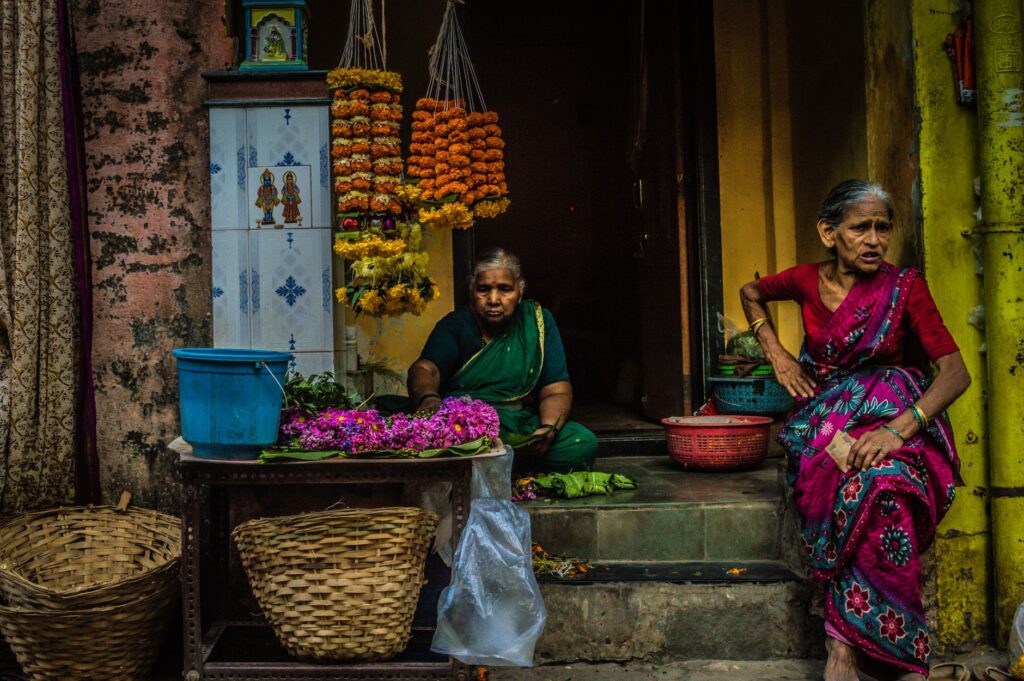
The responsible visitor can approach that world with respect: buying directly from verifiable workshops, avoiding intermediaries who add nothing and asking about the origin of materials. The point is not to turn craft into a souvenir, but to recognize it as work.
Buying well is also a form of conservation: a trade survives when someone pays for it with judgment.
Eating to understand the city
Mumbai’s food is a map of its migrations. Its stalls and restaurants bring together traditions from different regions of India, adapted to the pace of a metropolis that eats quickly and at all hours. Street dishes, home cooking and regional specialties tell stories of arrival and mixture.
For the visitor, the advice is the same as in the market: observe, ask and choose carefully. Places with higher turnover tend to offer fresher food, and peak hours are a good sign. It is also worth checking the season and the weather, because the city changes with the monsoon and the heat.
Heritage and responsible decisions
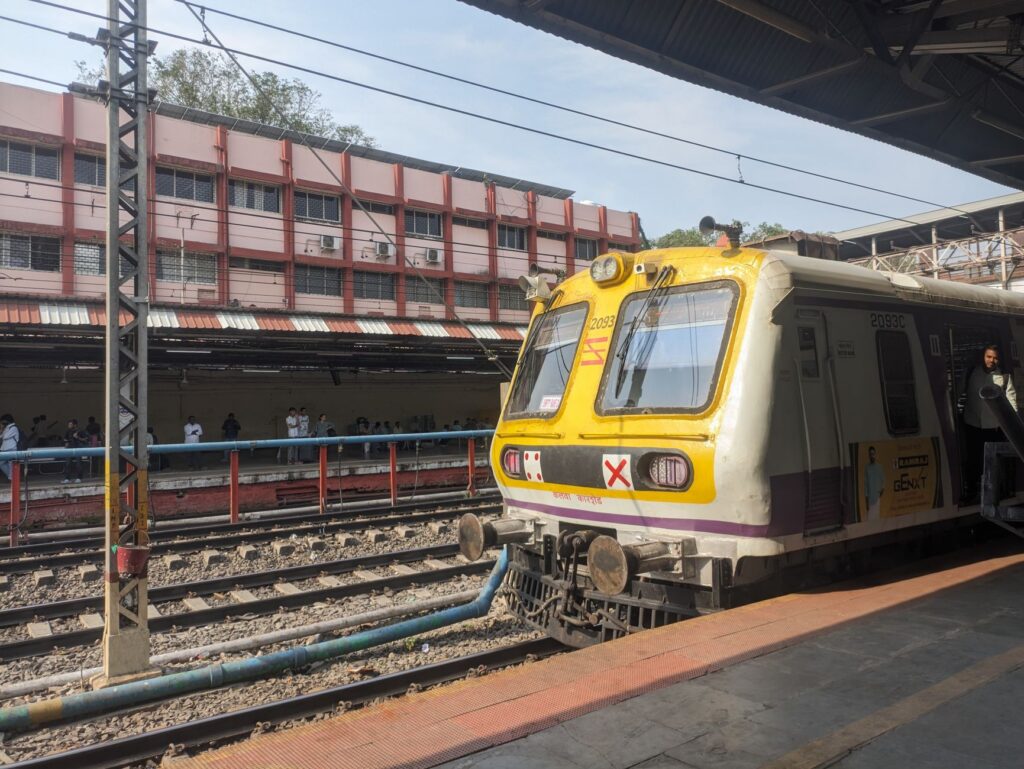
Mumbai faces tensions common to many large cities: real estate pressure, growing tourism and the need to preserve heritage that is not always seen as profitable. The preservation of historic buildings competes with the urgency of housing and infrastructure, and that tension is part of public debate.
For the traveler, responsible decisions involve several concrete things: choosing accommodation that respects the surroundings, avoiding visits that objectify communities, respecting workspaces and not assuming everything is photographable. It also means informing yourself before arriving: understanding what can be visited, what is restricted and what heritage means to those who live there.
Three criteria for a careful trip
- Context before consumption: learn about the place’s history before buying or photographing.
- Local economy: prioritize verifiable workshops, guides and businesses.
- Respect for space: remember that markets and workshops are workplaces.
When to go and how to move
Weather shapes the visit. The monsoon season, between June and September, transforms the city and can complicate travel. The drier, milder months are usually more comfortable for walking and exploring neighborhoods. Check forecasts before planning.
Public transport holds the metropolis together, and suburban trains are an essential part of daily life. For the visitor, the advice is to check schedules and fares on official sources, avoid peak hours and plan journeys with a margin. Walking remains the best way to get to know neighborhoods, always with attention to traffic and heat.
Practical guide
Documentation: check visa requirements and health recommendations on the country’s official sources before traveling. Do not take any procedure for granted without verifying it.
Money: digital payments are widespread, but carry cash for markets and small businesses. Check exchange conditions and avoid informal transactions.
Health and weather: heat and humidity require hydration and breaks. Check weather alerts and follow local guidance.
Etiquette: ask before photographing people or stalls. In religious spaces, respect dress and access rules.
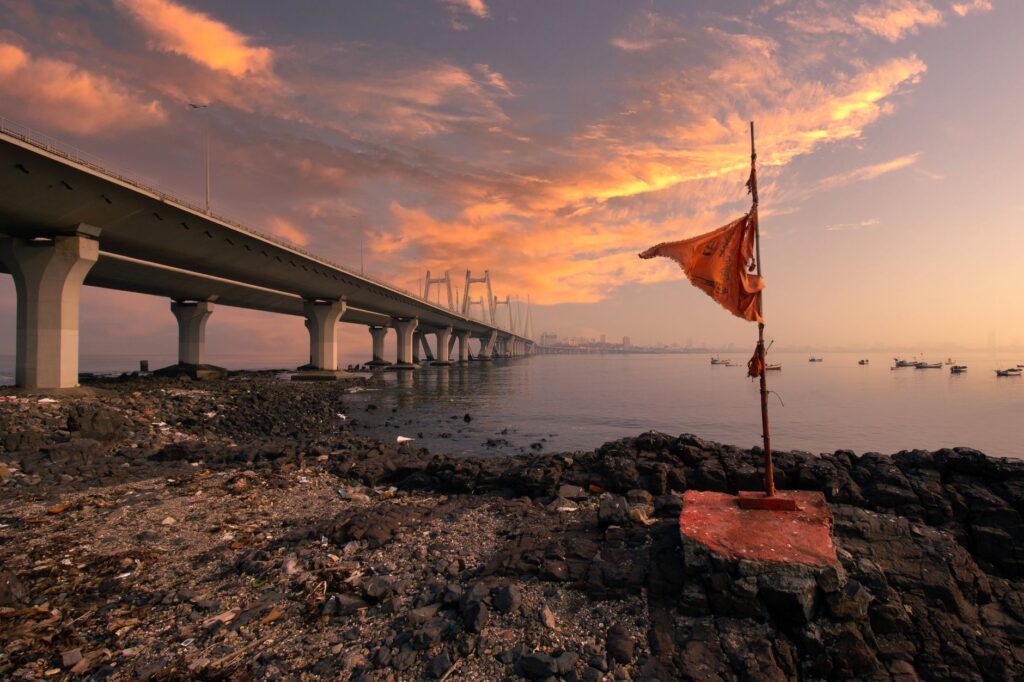
Mobility: combine walking and public transport, and avoid peak hours. Check routes on official sources.
Shopping: prioritize verifiable workshops and businesses. Ask about the origin of materials and production conditions.
A city read on foot
At the end of the walk, Mumbai does not leave a single postcard. It leaves a sum of scenes: the smell of spices, the noise of a station, the shade of a balcony, the conversation in a workshop. That accumulation is its real heritage, the one that does not appear in brochures but sustains daily life.
For the visitor, the lesson is simple and demanding: look closely, ask respectfully and choose with judgment. A city this dense and this alive cannot be possessed; it is inhabited for a few hours, with the awareness that the place keeps working when the trip ends.