
The stirring of the colossal caldera in the Sunda Strait
Dawn across the Indonesian archipelago rarely unfolds in absolute geological silence. For the millions of residents inhabiting the sprawling island of Java and its densely populated capital, Jakarta, the skyline is perpetually defined by both towering financial skyscrapers and the distant, brooding profiles of active volcanoes. The Sunda Strait, the strategic marine and aerial corridor separating Java from Sumatra, hosts one of the planet’s most scrutinized geodynamic zones: Anak Krakatau, the offspring of the legendary Krakatoa whose cataclysmic eruption shook the world in 1883. Recently, a fresh eruptive phase sent dense plumes of ash billowing into the upper atmosphere, forcing aviation authorities to temporarily suspend takeoffs and landings across Jakarta’s major airports to safeguard thousands of passengers.
The immediate grounding of flights was not an administrative surprise, but rather the deployment of a rigorous safety protocol refined through decades of natural disasters. Volcanic ash, composed of microscopic fragments of jagged glass and pulverized rock, poses an invisible and lethal hazard to modern turbofan engines. Ingested into high-temperature combustion chambers, the ash melts and subsequently solidifies over turbine compressor blades, causing catastrophic engine failure mid-flight. Against this backdrop, domestic and international carriers implemented precautionary cancellations, stranding aircraft on the tarmac and transforming bustling airport terminals into hubs of restrained uncertainty.
Resuming air corridors: when prevailing winds shift direction
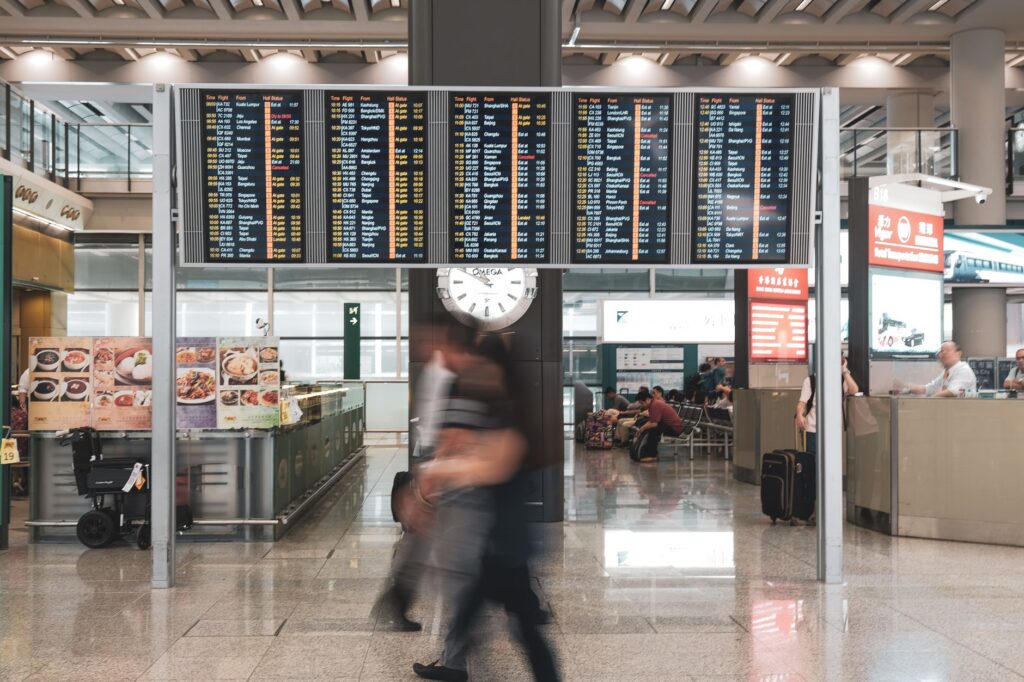
Following hours of intense monitoring by the Center for Volcanology and Geological Hazard Mitigation (PVMBG) and the Darwin Volcanic Ash Advisory Center (VAAC), conditions began to stabilize thanks to a provident shift in monsoonal wind patterns. Atmospheric currents swept the eruptive plume away from the instrumental approach corridors serving Soekarno-Hatta International Airport (CGK), allowing civil aviation inspectors to recertify the safety of the airspace. Information screens that hours earlier displayed a sea of red cancellations gradually flickered back to green for confirmed flights, signaling the launch of a complex passenger rebooking operation.

The reopening of Indonesia’s primary aviation hub is no routine bureaucratic formality, but a masterclass in technical precision. Airline maintenance crews conducted meticulous inspections of parked aircraft to rule out abrasive deposits on airframes and intake cowls. Simultaneously, air traffic controllers temporarily redesigned arrival and departure trajectories to circumvent peripheral sectors where traces of dispersed pyroclastic material still lingered. This seamless coordination among meteorologists, volcanologists, and flight operators averted a major logistical bottleneck across Southeast Asia.
The ongoing tension between urban expansion and the Ring of Fire
Jakarta is a sprawling megalopolis coexisting with structural vulnerabilities rooted in its location along the Pacific Ring of Fire. The nation’s transport infrastructure critically relies on the continuous operation of its airports, viewed as vital arteries not only for international tourism but for the distribution of perishable goods and territorial cohesion across a nation fragmented over seventeen thousand islands. When Anak Krakatau interrupts routines with its magmatic exhalations, the entire national economic engine experiences an immediate jolt that tests the system’s shock-absorption capacity.
Volcanic ash respects neither borders nor commercial timetables; it demands a coordinated response prioritizing human life over any punctuality statistic.
Despite recurring disruptions, Indonesia’s aviation sector has cultivated one of the world’s most advanced risk-management cultures. Pilots operating in this region undergo specialized training to identify wind shear and ash clouds under low-visibility conditions, utilizing adapted weather radars and early-warning systems linked directly to terrestrial observatories. This symbiosis between cutting-edge technology and traditional awareness of earth cycles enables the archipelago to keep its doors open with an uncompromising safety margin.
Airport infrastructure: mastering the logistics of contingency
Soekarno-Hatta International Airport normally operates with Swiss-clock precision, channeling dozens of long-haul flights and hundreds of daily domestic connections. During the temporary closure prompted by Anak Krakatau, the main terminals demonstrated both structural strengths and areas requiring improvement in passenger care. While automated information systems functioned smoothly, the sudden surge of stranded travelers required the rapid deployment of assistance personnel to handle meal vouchers, rescheduling, and temporary lodging options in nearby city hotels.
Airport authorities emphasize that ongoing digital transformation has proven instrumental in mitigating terminal chaos. Mobile airline applications allowed a significant portion of travelers to manage itinerary changes without enduring endless queues at customer service desks. Nonetheless, the human element remains irreplaceable when soothing the anxiety of entire families caught in transit, underscoring that behind every flight display lies personal narratives reliant on mechanical punctuality.
Economic impact on tourism and regional trade routes
The financial fallout of a temporary flight suspension in Jakarta ripples far beyond direct airline revenue losses. Tourism flows toward iconic destinations such as Yogyakarta, Bali, or Raja Ampat experience cascading delays that disrupt hotel bookings and local tour operators. Simultaneously, air cargo logistics—responsible for moving electronics, textiles, and high-tech manufacturing components produced across Java—encounter temporary bottlenecks affecting global supply chains.
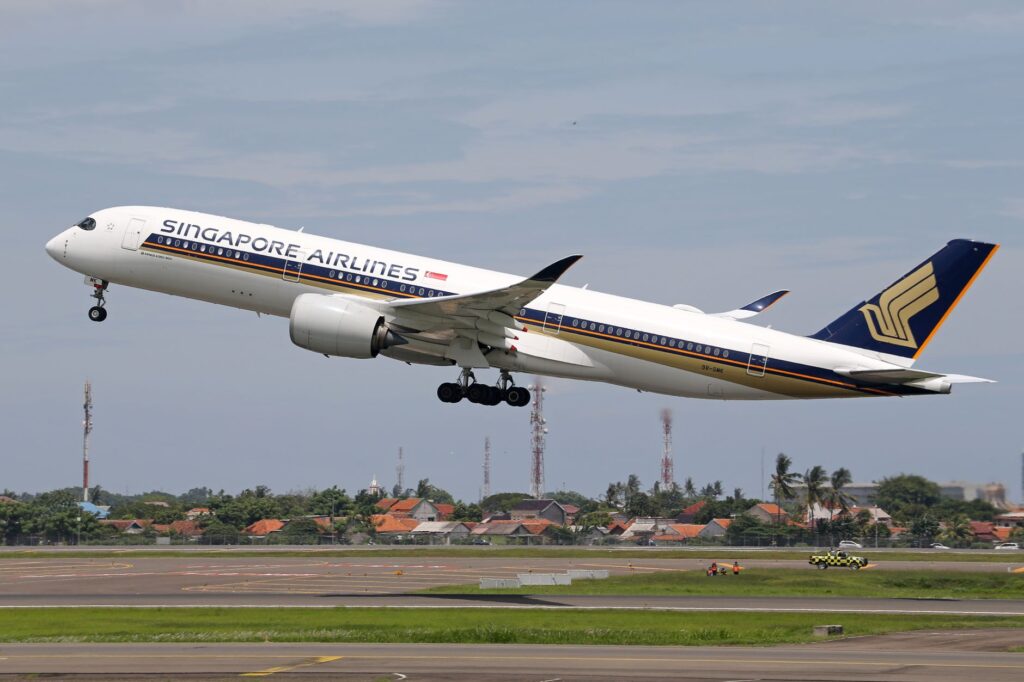
Economic analysts note, however, that the rapid restoration of operations following the ash cloud’s dispersal minimizes long-term structural damage. Unlike prolonged crises driven by global pandemics or geopolitical conflicts, volcanic episodes in Indonesia typically feature a constrained timeframe, allowing the economy to resume its regular rhythm within days. The operational flexibility demonstrated by local airlines has been vital in restoring international market confidence.
The role of science and technology in modern aviation safety
Anticipation capabilities ahead of an Anak Krakatau eruption rest upon a sophisticated scientific network combining submarine seismometers, thermal cameras, and high-resolution meteorological satellites. The Indonesian Aeronautics and Space Agency (LAPAN), collaborating with international partners, processes real-time data to forecast exact wind vectors in the upper troposphere and stratosphere. Flight dispatchers immediately ingest this information to recalculate commercial flight paths, steering clear of ash plumes long before aircraft leave boarding gates.

Advances in space-borne remote sensing have revolutionized aviation safety across complex volcanic terrains. Today, infrared sensors mounted on geostationary satellites detect minute concentrations of sulfur dioxide and ash in darkened atmospheres, issuing automated alerts straight to flight decks. This technology drastically curtails human error margins, ensuring that airspace closure and reopening decisions rely on irrefutable scientific data.
Traveler experiences and testimonials across Jakarta terminals
Inside Terminal 3 of Soekarno-Hatta, the atmosphere during the temporary halt in operations balanced quiet resignation with stoic patience. International business travelers, backpackers, and local families shared boarding gate seating while awaiting official status updates. Individual accounts mirrored the complexity of navigating a nation where nature imposes unannounced rules. Many passengers utilized the unexpected layover to sample local culinary offerings at airport eateries or strike up impromptu conversations with fellow delayed travelers.
Statements from airline representatives praised the general civic discipline exhibited by patrons throughout the contingency. Far from witnessing major incidents, the transparent and consistent communication from airport management helped maintain an orderly environment. The accumulated experience of Javanese residents with natural phenomena instills a collective calm rooted in the certainty that, sooner or later, the archipelago’s skies will reopen.

Practical guidance for travelers in transit through Indonesia
Passengers planning flights to or from Jakarta during periods of seismic or volcanic activity should adhere to core practical recommendations endorsed by consular and aviation authorities:
- Flight Verification: Check flight statuses directly on the official Soekarno-Hatta International Airport (CGK) website or via your airline’s mobile application before heading to the terminal.
- Weather Bulletins: Stay informed regarding advisories issued by the Darwin Volcanic Ash Advisory Center (VAAC) and local PVMBG alerts.
- Ticket Flexibility: Secure fares that permit complimentary changes or flexible refund policies, particularly when traveling during monsoon seasons and heightened geological instability.
- Travel Insurance: Ensure your travel assistance policy explicitly covers prolonged flight interruptions and unforeseen lodging expenses stemming from natural disasters.
- Emergency Contacts: Keep emergency phone numbers for your embassy and airline customer service readily accessible to expedite rebooking procedures in case of sudden cancellations.
Closing reflection on balancing humanity and the natural environment
The reopening of Jakarta’s skies following the clearance of the Anak Krakatau ash cloud signifies far more than the return to routine operational cadence for an airport terminal. It represents the perpetual negotiation between humanity’s technological ambitions and the unyielding primordial forces of nature. In a hyperconnected world where speed is standard, Indonesia’s volcanoes remind us that our mastery over the planet remains fragile and conditional. The resilience demonstrated by Jakarta through this crisis affirms that the future of international travel lies not in subduing the earth, but in heeding its warnings with respect, science, and preparation.
Source: Adapted from original reporting by The Traveler and official civil aviation bulletins available on news.google.com.