
Introduction to the Southern Track
The Patagonian territory preserves within its core a network of railway connections that defied the geographical logic of the twentieth century. At the edge of the American continent, where western winds batter the Andean massifs with relentless force, civil engineering had to submit to the dictates of an unforgiving geography. This is not merely a means of transportation, but a critical infrastructure that structured deep valleys and glacial-origin lakes where human presence depended exclusively on the thread of steel.
Approaching this route requires understanding the region’s complex orography. Gradients exceed the traditional limits of simple adhesion, necessitating the use of mixed systems that combine conventional traction with technical solutions inherited from Swiss and German schools. Throughout the following lines, we will examine how railway architecture intertwines with the landscape, transforming geographical isolation into a masterclass of adaptation and survival.
The Genesis of the Route: When Rock Dictates the Path
The history of railway construction in the Andean Patagonia is marked by resource scarcity and climatic harshness. At the beginning of the last century, military and civil engineers faced granite gorges where the only penetration route was the bed of torrential rivers. Each kilometer of track required controlled blasting in vertical walls, designed to withstand winter avalanche shocks and the thrust of summer floods fed by melting ice fields.
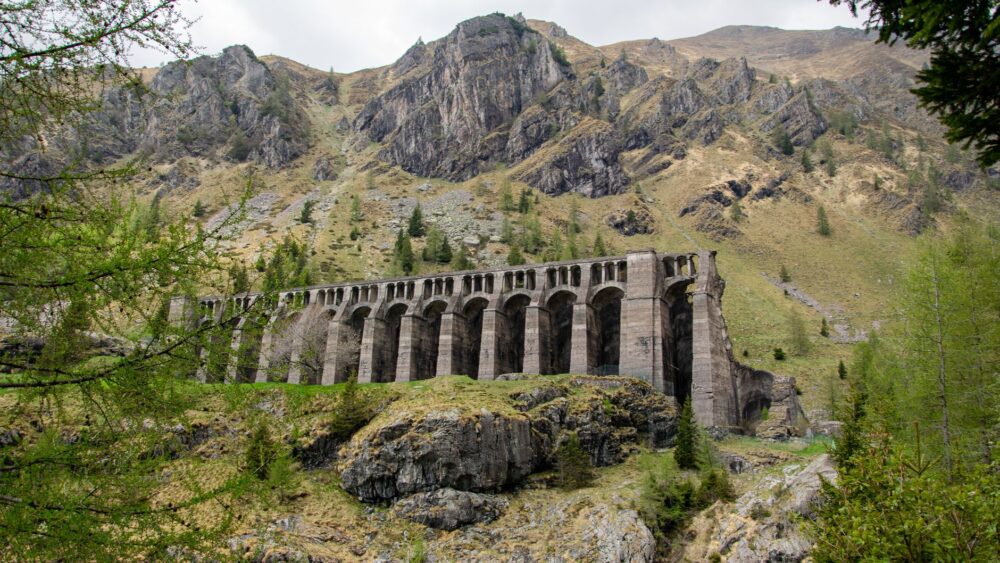
Basaltic rock constituted both the primary obstacle and the foundational material for the embankment foundations. Metal lattice bridges, transported in pieces from European shipyards and assembled by hand amidst inaccessible canyons, continue to support the passage of formations with millimetric precision. This symbiosis between forged iron and living stone defines the aesthetic and structural identity of a corridor that defied time.
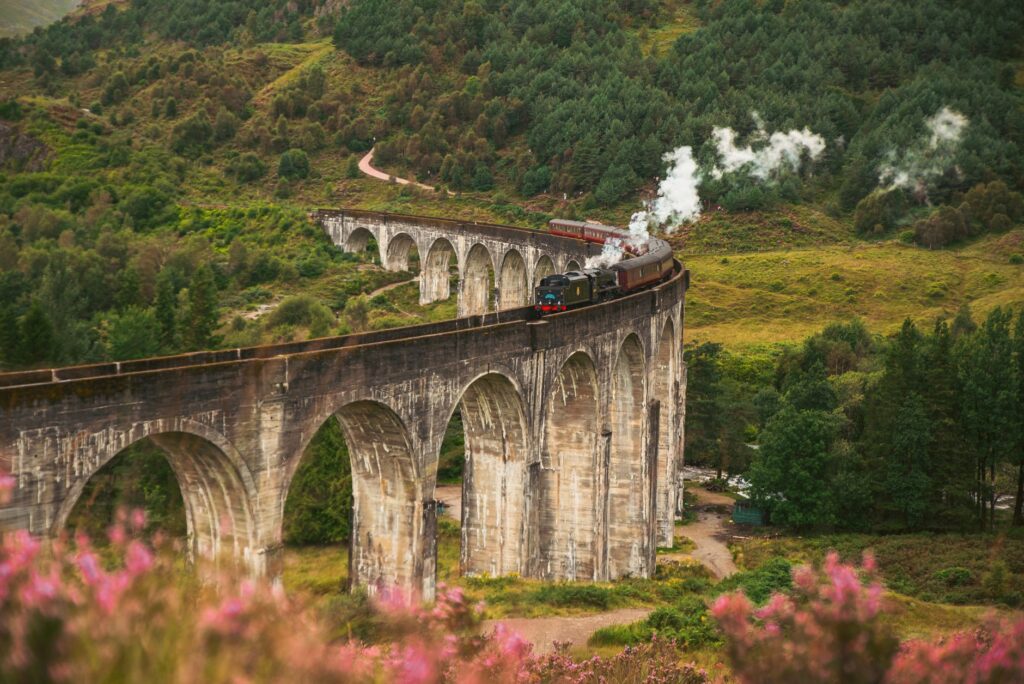
The railway did not conquer Patagonia; it learned to coexist with its geological violence, turning every embankment into a pact between machine and abyss.
Tunnel design also responded to a rigorous economy of means. Instead of drilling massive formations with heavy machinery unavailable at the time, planners opted for winding layouts that embrace contour lines. This organic geometry drastically reduces commercial speed, yet gifts the traveler with an unparalleled panoramic perspective of the native lenga and coigüe forests carpeting the valley floors.
High-Mountain Engineering and Traction Systems
Overcoming elevation gains exceeding one thousand meters in restricted routes required exceptional technical solutions. Engineers implemented variants of reinforced adhesion systems, employing central safety rails on the most compromised sections to prevent slippage during severe frost. Runoff water management required constructing an intricate network of dry-stone culverts operating flawlessly for over eighty years.
Maintaining this infrastructure represents a permanent logistical challenge. Track maintenance crews, stationed in remote stations where climate imposes isolation during winter months, perform daily inspections on foot. Replacing white oak sleepers with modern polymer-treated pieces guarantees gauge stability without altering the rustic aesthetic defining the heritage corridor.
The rolling stock, composed of diesel locomotives adapted to reduced clearances and passenger cars with double thermal glazing, constitutes a remarkable example of technological conservation. Each mechanical component is repaired in local workshops preserving endangered trades, from boilermakers to special parts turners.
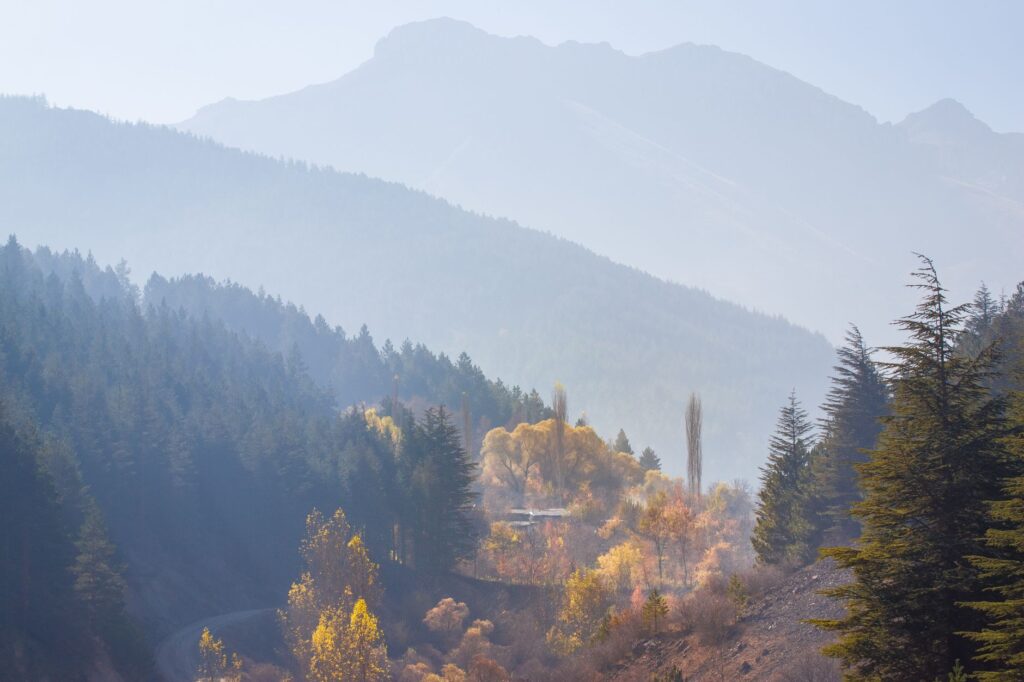
The Architecture of Stations: Wood, Shelter, and Sovereignty
The railway stations of this southern outpost did not merely serve a logistical function; they operated as the sole civil nuclei of sovereignty and shelter within dozens of miles around. Built entirely of larch and cypress wood, their architecture responds to a vernacular typology designed to withstand considerable snow loads thanks to steep pitched roofs.
Wide eaves protected travelers from horizontal precipitation, while central stone hearths guaranteed an indispensable socialization space during long winter waits. The arrangement of freight sheds and the station master’s living quarters reveals a strict functional hierarchy, where each building played a vital role in supplying adjacent agro-pastoral communities.
Local Materials and Climatic Resistance
The use of local cladding and wooden shingles did not stem from decorative criteria, but from strict resource availability and the need to thermally insulate the enclosures. Dressed stone foundations elevated structures above the damp ground level, preventing the rotting of main timbers and allowing free air circulation beneath floors.
Today, many of these buildings have been restored under strict heritage protocols, converting into small interpretation centers documenting the epic journey of workers who raised the tracks with manual tools and animal traction.
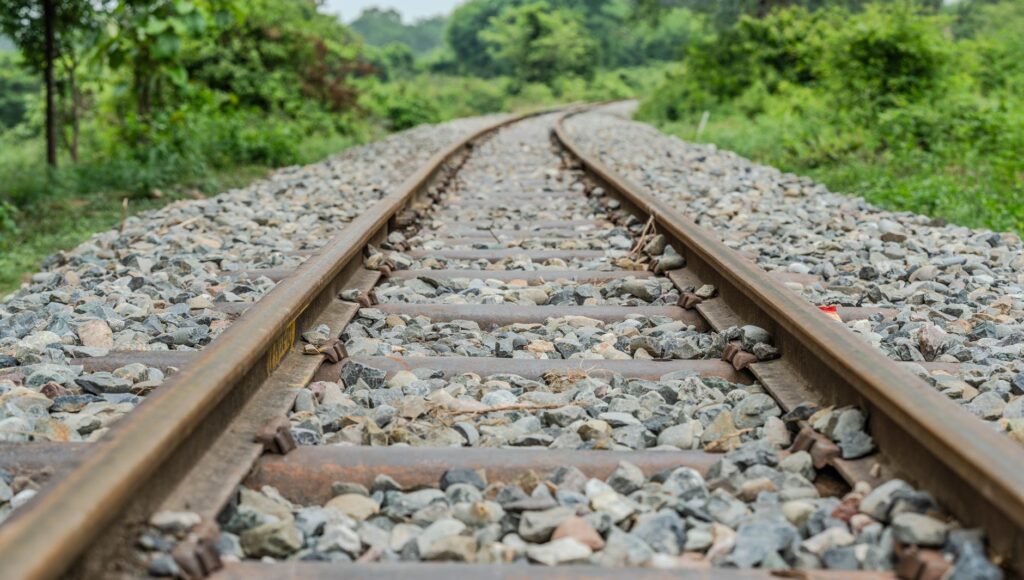
The Ecological Pulse: Cloud Forests and Railway Biodiversity
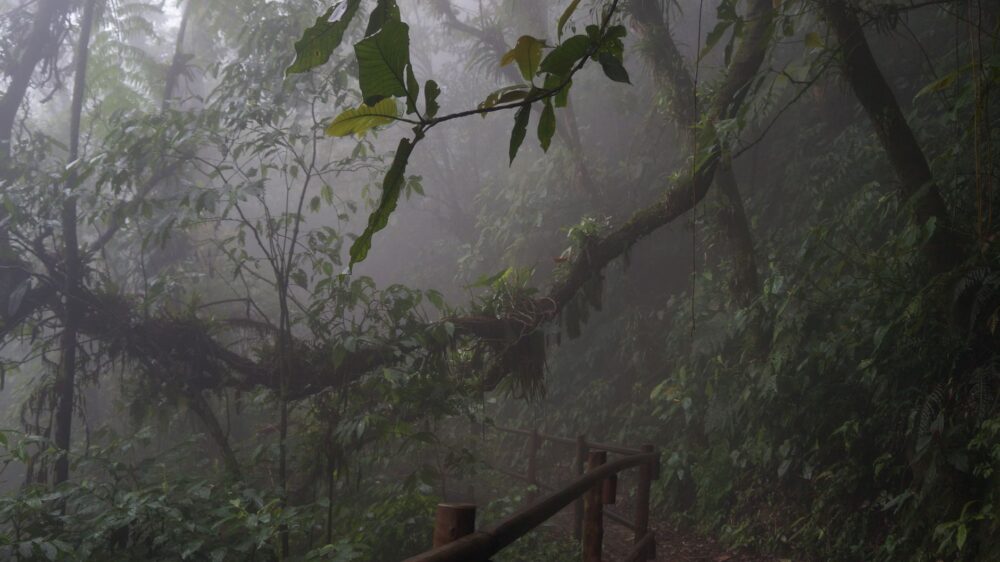
The railway layout crosses ecological regions of high value, functioning practically as a low-disturbance corridor coexisting with the surrounding forest reserve. The moderate speed of formations allows the observation of native fauna, including cervids like the huemul and various species of raptors utilizing historic telegraph poles as hunting perches.
The interaction between the passing train and the river ecosystem is constant. Bridges cross powerful salmon rivers without altering current regimes thanks to the slenderness of their pillars. This respectful integration contrasts with the environmental impact generated by modern asphalt highways, demonstrating that rail transport maintains a significantly lower water and territorial footprint.
The dull thud of the convoy over steel joints has integrated so completely into the landscape that local fauna no longer perceives it as a threat, but as another element of the natural cycle.
The On-Board Experience: Rhythm, Silence, and Contemplation
Traveling along this railway line demands a mutation in the perception of time. Far from the sterile speed of commercial aviation or the urgency of highways, the Patagonian train imposes a reflective cadence. Passengers enjoy wide panoramic windows designed to capture the chromatic transition between the eastern steppe and the western temperate rainforest.
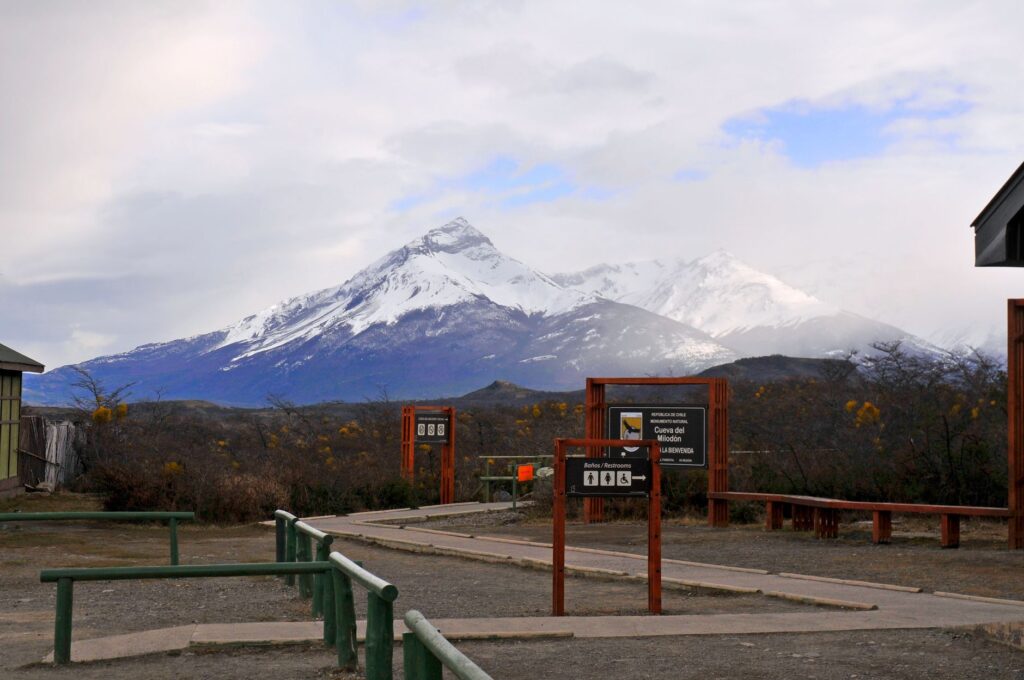
On-board service prioritizes analog comfort. Digital entertainment screens do not exist; the spectacle lies in reading, quiet conversation, and uninterrupted contemplation of hanging glaciers, vertical waterfalls, and deep Prussian blue lakes. The crew, mostly descendants of original builders, acts as informal narrators of the valley’s collective memory.
Practical guide
Planning a journey along this southern railway corridor requires logistical rigor due to service seasonality and the remoteness of major urban centers. Below are essential guidelines for a safe and environmentally respectful experience.
Getting There and Main Connections
The starting point of the railway route is located at the Esquel intermodal station, accessible via regular flights from Buenos Aires to the local airport (EQS) or long-distance bus services from San Carlos de Bariloche. Tickets should be purchased at least four months in advance due to high seasonal demand and limited capacity of historical cars.
Operational Calendar and Fares
Trains operate with reduced frequencies during the southern winter (June to August) due to track maintenance and extreme weather conditions. High season encompasses summer months (December to March). Fares vary by chosen class (Tourist or First), ranging between 60 and 110 US dollars per full one-way segment. Children under five travel free on an adult’s lap.

Luggage and Recommended Clothing
The Patagonian climate is notoriously fickle; technical layering is advised. A waterproof windbreaker jacket, trekking footwear with grippy soles for descents at intermediate stations, and broad-spectrum sunscreen are essential, even on cloudy days due to the southern latitude.
Strict environmental regulations prohibit throwing litter from windows or leaving marked trails during technical stops. Respecting native flora and prohibiting fires in unauthorized areas are rigorously enforced rules overseen by national park rangers.
Epilogue: The Permanence of Steel at the End of the World
When the last afternoon light ignites the granite peaks of the cordillera, the convoy crosses the final iron viaduct with a metallic whisper that quickly fades into the immensity of the forest. This railway is not a museum relic condemned to oblivion, but living proof that technology, when subordinated to respect for the territory, can transcend strict economic utility to become living cultural heritage.
The survival of this railway line confirms that slowness and detailed observation remain the best instruments to comprehend our planet’s true scale. In a world obsessed with immediacy, the Southern Trans-Siberian offers something infinitely more valuable: the opportunity to tune one’s own rhythm with the deep pulse of the earth.