
There are cities you visit once in a lifetime and cities you return to as if coming back to a familiar home. In the heart of Vietnam’s central coast, Da Nang has quietly earned this second status. Recent figures from the Asian tourism industry place the coastal hub in sixth continental position for its rate of returning international visitors. This is neither a statistical anomaly nor the result of a short-lived marketing campaign, but the visible symptom of a profound urban and human transformation.
While other enclaves across Southeast Asia struggle with overtourism and the erosion of their identity, this city of over a million residents has successfully balanced economic development with the preservation of its essence. Between the Han River and the rolling waves of the South China Sea, travelers find far more than white-sand beaches or dramatic LED-lit bridges; they encounter a distinct cadence of hospitality, a culinary tradition rooted in local memory, and a palpable sense of safety and well-being that naturally inspires extended stays.
The geography of reunion: between Son Tra Peninsula and the Han River
To understand Da Nang’s high visitor retention rate, one must examine its geography. The city is not an isolated outpost, but a geographic hinge linking the historic landscapes of former Indochina. To the north, the Son Tra Peninsula acts as a green, protective shield—an ecological lung inhabited by the red-shanked douc langur, one of the world’s most endangered primates. This virgin forest plunging steeply into the sea defines the skyline, offering visitors an immediate natural sanctuary from urban bustle.
The Han River, meanwhile, anchors the daily life of Da Nang’s residents. Unlike metropolises where waterways have been neglected or polluted, the Han serves as the city’s grand ballroom. Its banks are lined with pedestrian promenades, linear parks, and gravity-defying architectural crossings, such as the famous Dragon Bridge, which breathes fire and water on weekends. This harmonious coexistence between nature and modernity fosters an immediate sense of liveability and ease for every arriving traveler.
Vietnamese hospitality: the invisible engine of loyalty
The steady return of international tourists cannot be explained solely by visual attractions. The key lies within the human factor. In Da Nang, the interaction between visitor and resident remains unmarred by the aggressive commercialism typical of hyper-touristic hotspots. Here, genuine courtesy prevails, rooted in the traditional values of central Vietnam’s culture—characterized by resilience, candor, and a proverbial daily generosity.
Owners of small family cafes, local guides, boutique hotel receptionists, and fishers rowing round bamboo basket boats share a common trait: a sincere readiness to integrate travelers into their everyday rhythm without artifice. This understated hospitality builds a lasting emotional bond. Those who leave Da Nang typically depart with the certainty of having been treated not as mere consumers, but as respected guests in a living community.
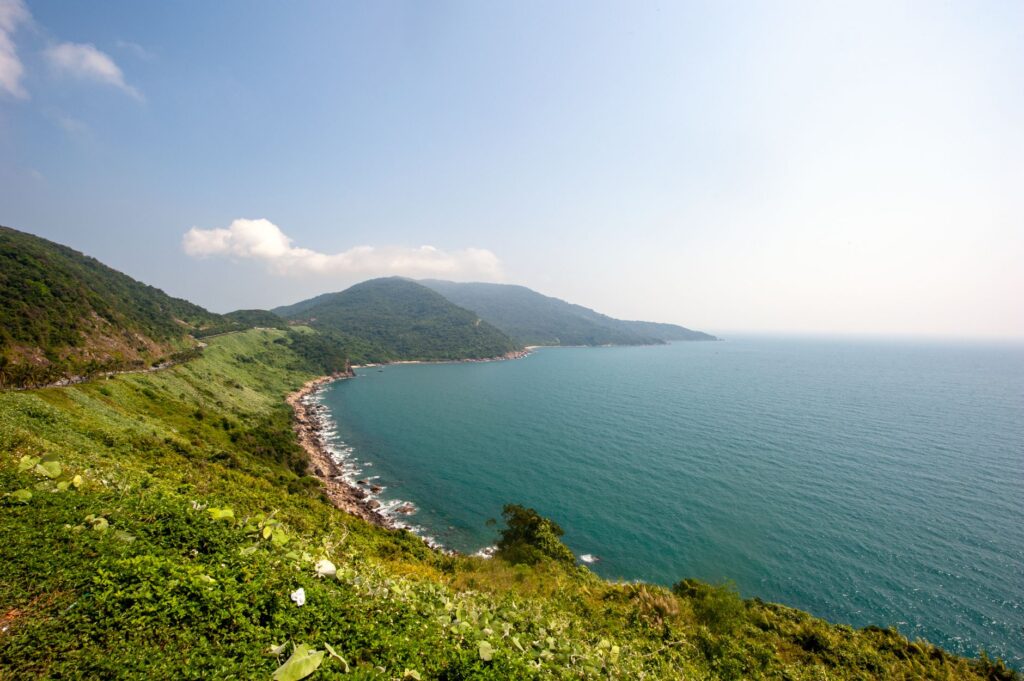
The true measure of tourism success is not how many people arrive for the first time, but how many carry home the irrevocable desire to return.
Wellness and holistic health by the sea
In recent years, the concept of wellness has shifted from an accessory luxury to a core decision-making criterion for global travelers. Da Nang has integrated this paradigm organically into its tourism landscape. Its extensive shoreline—stretching from My Khe to Non Nuoc—serves not only as aesthetic backdrop but as an active arena for physical and mental health through morning tai chi, warm-water swimming, and meditative sunrise walks.
Additionally, the city has nurtured a robust infrastructure of wellness centers and spas combining traditional Vietnamese therapies with international standards of excellence. The use of local medicinal herbs, pure essential oils, and ancestral acupressure techniques enables visitors to restore physical equilibrium after long days of urban exploration or trekking through the nearby Marble Mountains.
Flavor with memory: the culinary identity of the central coast
No destination retains its visitors if its cuisine fails to leave an indelible mark on the palate. Da Nang’s gastronomy possesses a distinct personality, setting it apart from both northern and southern Vietnamese culinary traditions. It is bold, spicy, rich in fresh herbs, and deeply connected to both marine harvests and the produce of the rural hinterland.
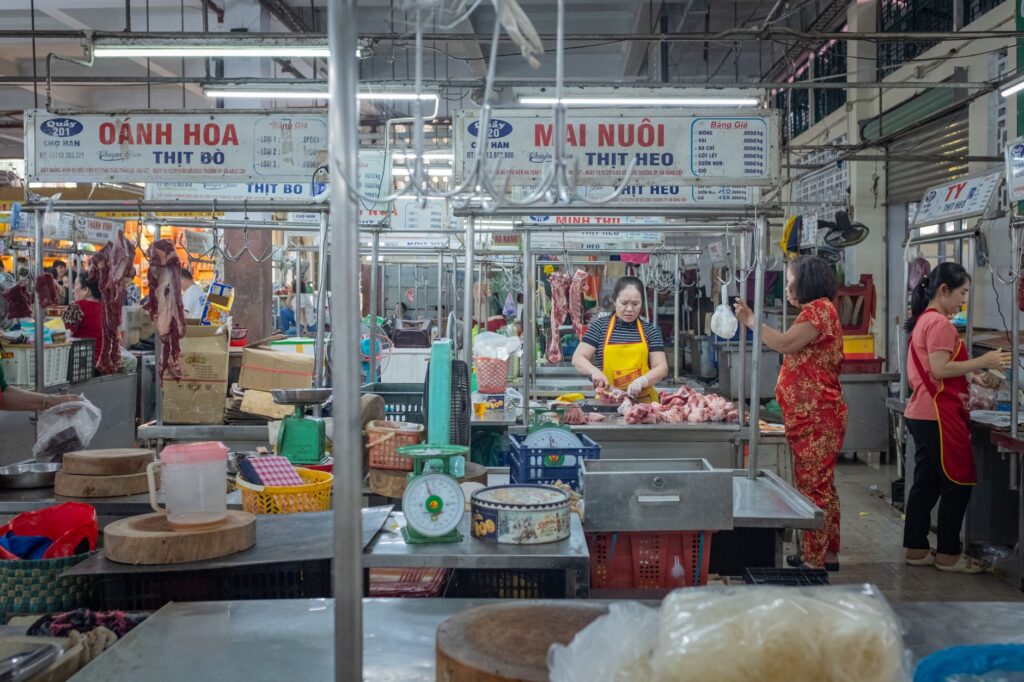
Iconic dishes like Mi Quang—turmeric-infused noodles with a rich, concentrated broth, pork, shrimp, and crispy rice crackers—or Banh Xeo—crispy rice flour crêpes stuffed with bean sprouts and seafood—represent a flawless union of textures and flavors. Traditional markets, such as Han Market or Con Market, offer an unparalleled sensory immersion where ingredients are displayed in their freshest state, testifying to a short and sustainable value chain.
Architecture, mobility, and the challenge of urban sustainability
Da Nang’s accelerated growth has not been without challenges, yet the local administration has demonstrated notable adaptability regarding urban planning and mobility. The city boasts wide avenues, an efficient public transit network, and an expanding network of bicycle lanes that facilitate slow, environmentally respectful exploration.
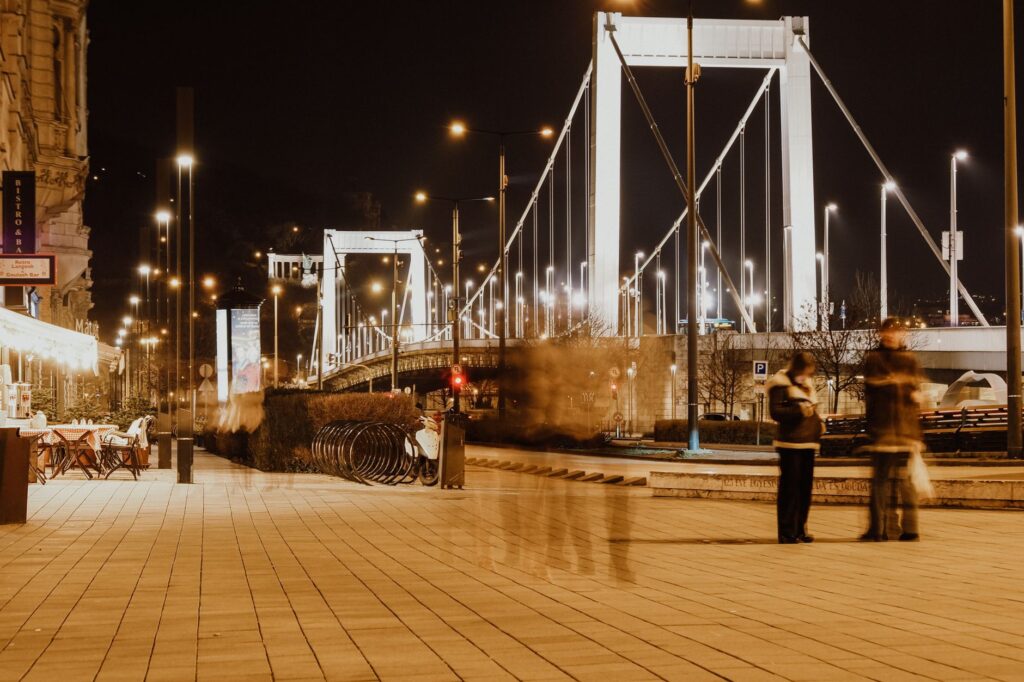
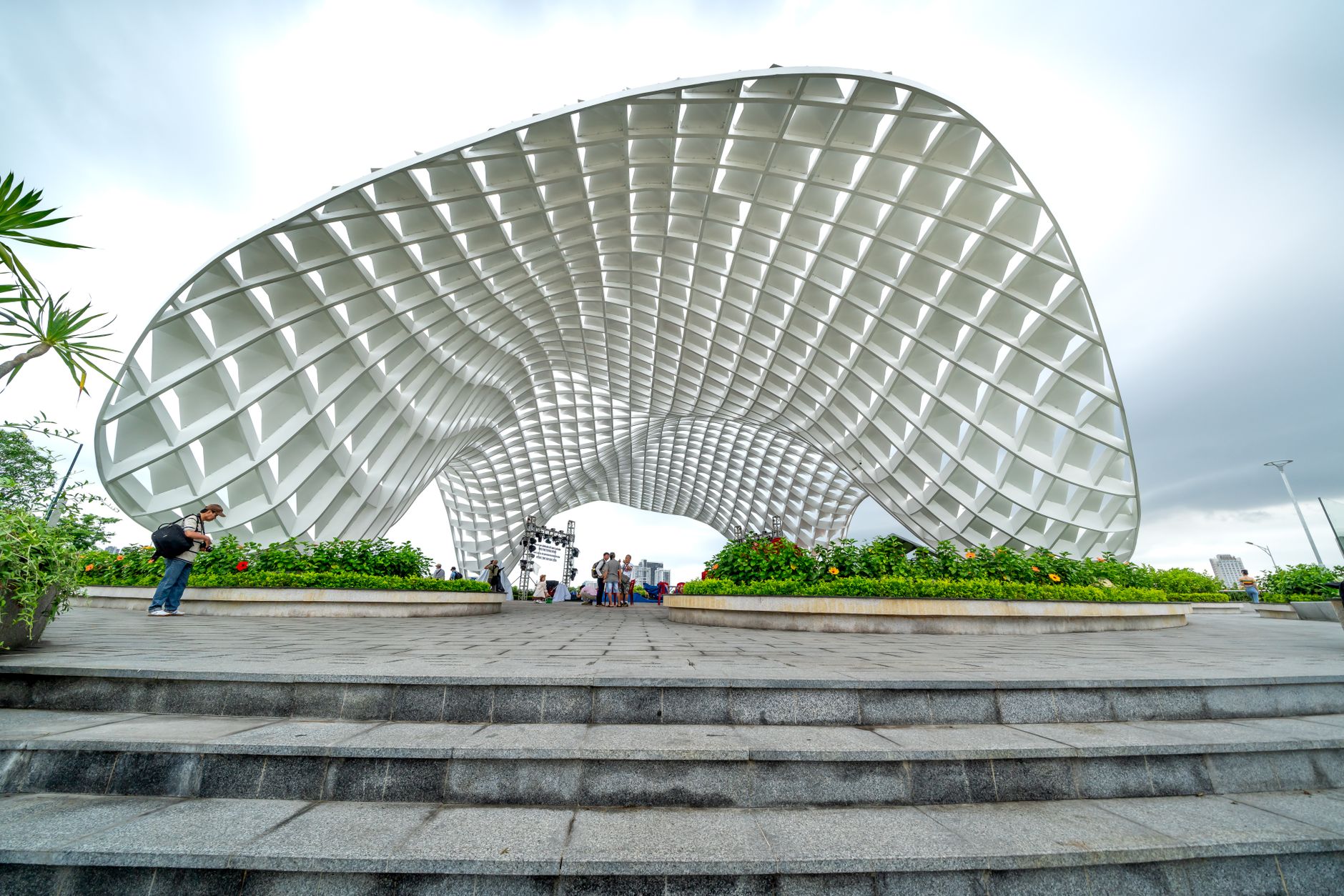
Architecturally, Da Nang oscillates between the contemporary audacity of its skyscrapers and landmark bridges and the preservation of historic structures. This contrast reflects a society that does not disown its past while confidently embracing twenty-first-century challenges. The use of local materials in hospitality construction and the design of open public spaces prioritize energy efficiency and a reduced carbon footprint, aligning with contemporary conscious travelers’ expectations.
Living culture: beyond conventional circuits
For travelers choosing to return, Da Nang offers additional layers of cultural depth that elude first-time itineraries. Just a few kilometers from the coast rise the Marble Mountains (Ngu Hanh Son), a cluster of five karst hills riddled with caves, Buddhist pagodas, and hidden sanctuaries that have served as places of pilgrimage and refuge for centuries.
Furthermore, proximity to UNESCO World Heritage sites such as the historic town of Hoi An and the imperial sanctuary of My Son positions Da Nang as an ideal base while retaining an independent, vibrant urban atmosphere less dependent on mass tourism. Local festivities, such as boat races on the Han River or the Quan The Am festival, allow visitors to immerse themselves in authentic, living cultural expressions.
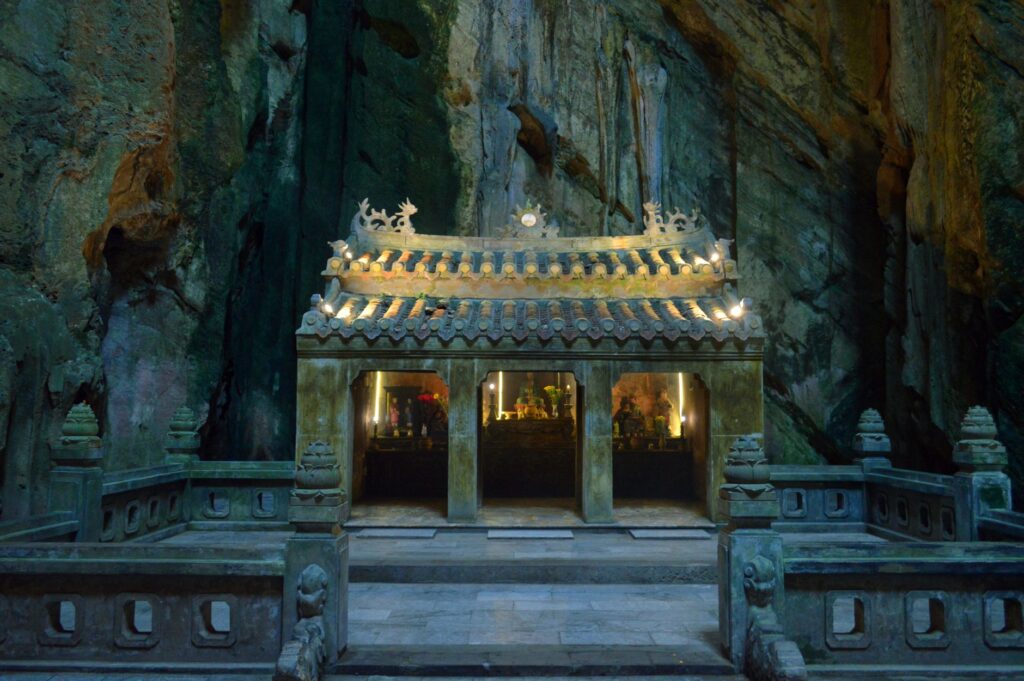
Traveling to Da Nang is not about ticking monuments off a checklist, but about learning to tune into the calm pulse of a city that knows who it is and where it is walking.
Final outlook: the future of a destination prioritizing loyalty
Da Nang’s sixth-place ranking in Asian tourist retention is much more than a statistical accolade; it is a validation of a tourism model rooted in quality over quantity, environmental sustainability, and respect for the host community. As global tourism desperately seeks formulas to reinvent itself following years of uncertainty, this Vietnamese coastal city demonstrates that the secret to loyalty lies in authenticity, safety, and human coherence.
Practical guide
- How to get there: Da Nang International Airport connects directly with major Southeast Asian capitals and features excellent domestic links from Hanoi and Ho Chi Minh City.
- Best time to visit: Between February and August, when the weather is dry, sunny, and sea conditions are optimal for swimming and water sports.
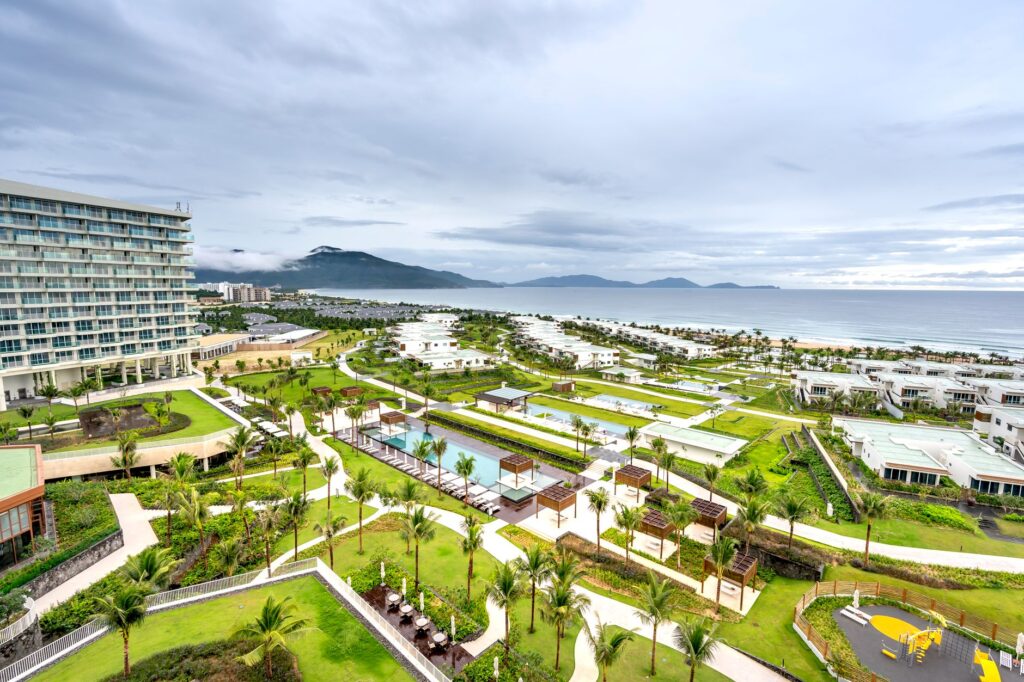
- Accommodation: Ranging from luxury beachfront resorts in the Non Nuoc area to urban boutique hotels near the Han River and locally run guesthouses.
- Essential gastronomy: Taste authentic Mi Quang at traditional stalls in Thanh Khe district and sample fresh seafood at local coastal eateries.
- Local transport: Use ride-hailing apps for short urban trips, rent bicycles to explore the seafront promenade, or hire certified guides for excursions to the Son Tra Peninsula.
- Cultural etiquette: Dress modestly when visiting temples and pagodas, and always greet locals with a slight bow of the head as a sign of mutual respect.
- Sustainability: Minimize single-use plastics and actively support local artisan shops and community cooperatives.
At dusk, as sea breezes sweep along the esplanade and bridge lights begin to illuminate the tranquil waters of the Han River, Da Nang reveals its true magic. It is a moment suspended in time, a silent yet persistent invitation to stay a little longer—or to promise, with total certainty, that this is not a final farewell, but a heartfelt see you again.
Source: Vietnam.vn