
Introduction to the Baltic Labyrinth of Åland
In the heart of the Baltic Sea, nestled between the coasts of Sweden and southwestern Finland, lies an archipelago composed of over six thousand granite islets and emerged land known as Åland. This Swedish-speaking autonomous region is not a conventional tourist destination, but an intricate geographical ecosystem where the boundary between solid land and open water dissolves for much of the year. For the nearly thirty thousand residents populating these islands, mobility is not merely a logistical convenience, but a complex intermodal choreography combining heavy-duty ferries, local utility boats, small commuter aircraft, and—when the boreal winter reaches its peak—ice roads stretching directly across the frozen waters of the Gulf of Bothnia.
Understanding Åland’s transport network requires setting aside continental parameters of distance and time. Here, daily commutes depend as much on printed schedules as on wind direction, pack ice accumulation, and seasonal tides. The connectivity of this archipelago is the result of decades of public investment, naval engineering innovation, and a deep cultural adaptation to the marine environment. In this report, we examine how this northern mobility artery functions, what challenges it faces amid the energy transition, and how travelers can navigate this territory without disrupting its fragile ecological and social balance.
The Historical Genesis of Island Routes
The history of mobility in Åland is deeply intertwined with the Swedish Royal Mail route, which as early as the seventeenth century used these islands as a vital staging post linking Stockholm with Turku. In those eras, rowing boats and perilous crossings on foot over brittle ice constituted the only possible lines of communication. With the arrival of the industrial age, steam vessels began plying the narrow channels of the archipelago, shortening travel times while maintaining absolute vulnerability to adverse weather conditions.
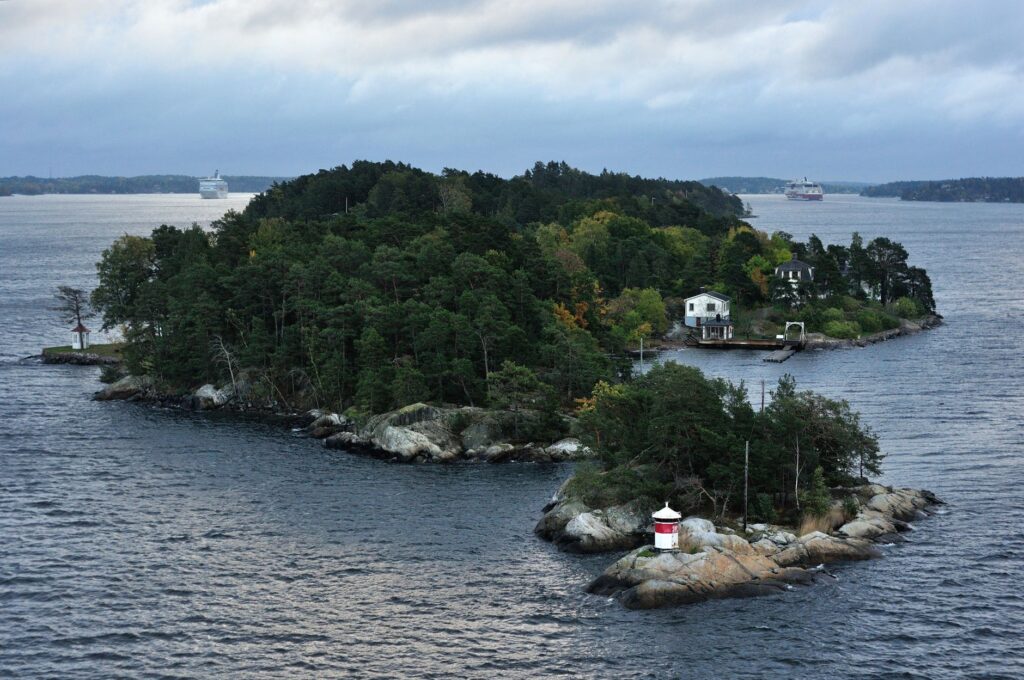
During the twentieth century, the consolidation of Åland’s political autonomy brought about a radical transformation in its transport infrastructure. Local authorities understood that the economic and demographic survival of peripheral islands depended on a permanent state subsidy guaranteeing free or low-cost public ferry services. The first bridges and stone causeways were constructed to connect the main islands, while more isolated communities began receiving regular services from multi-purpose ferries capable of carrying passengers, supply trucks, and livestock alike.
Ferry Architecture and the Route System
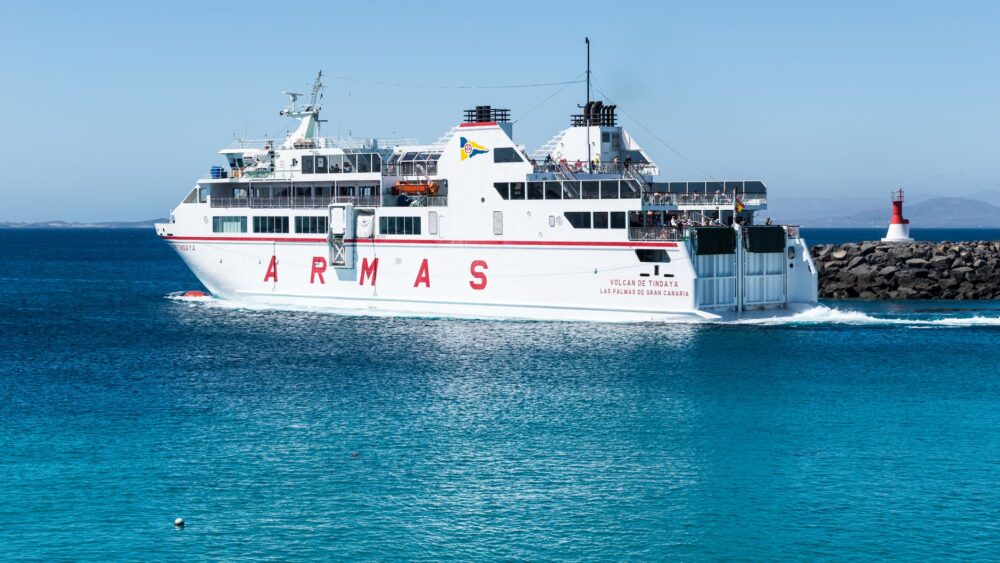
The current transport system is divided into two major subsystems: the main lines connecting Mariehamn and Långnäs with the continental mainland (Sweden and Finland) and the secondary network, operated by the autonomous administration, weaving the mesh among the outer islands of the archipelago such as Brändö, Kumlinge, Sottunga, and Kökar. These local ferries, easily recognized by their robust hulls and shallow-draft capabilities, serve as true community backbones.
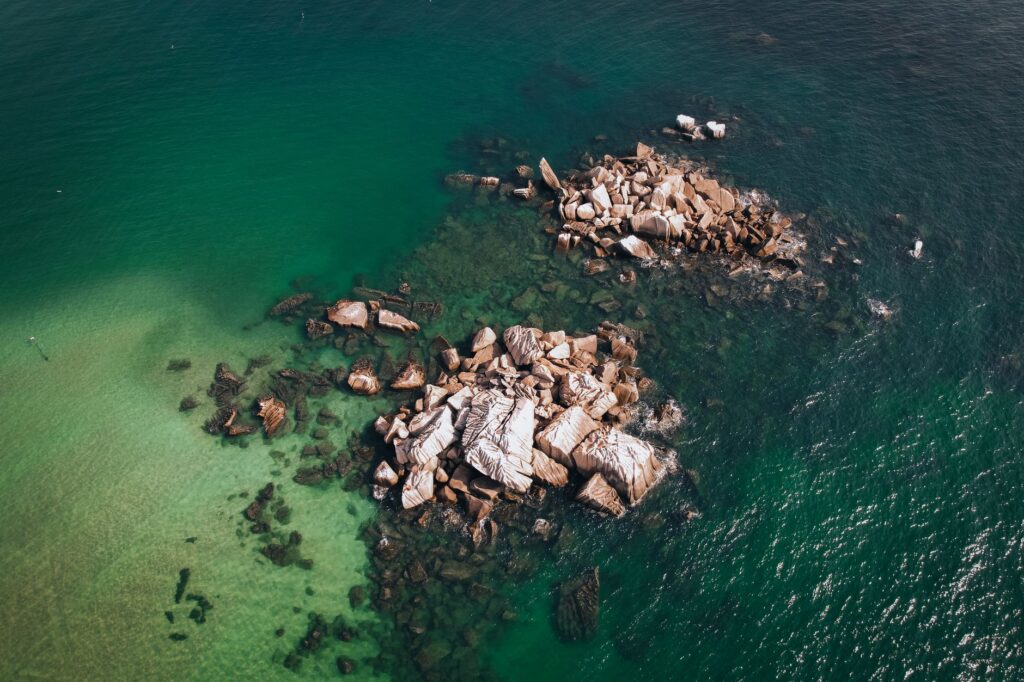
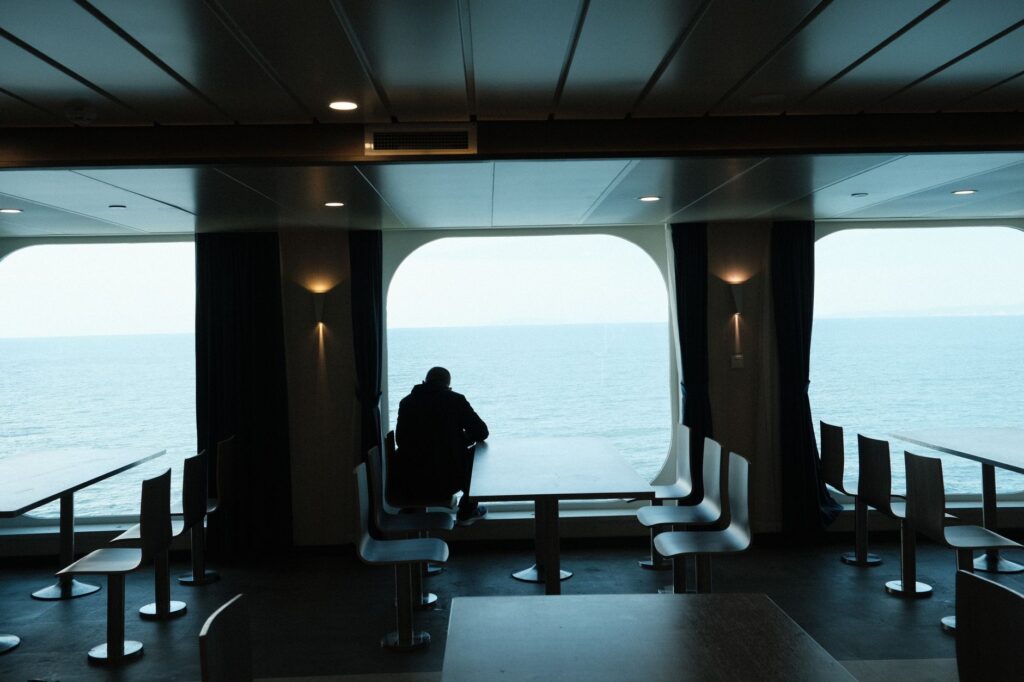
The logistics of these vessels demand pinpoint precision. Captains must maneuver through narrow channels marked by buoys and rocky shoals, often under reduced visibility caused by sea fog or snowstorms. Unlike conventional commercial ferries, Åland’s vessels are engineered with ice-strengthened bows to break through drifting ice during autumn and winter transition months, ensuring that the supply of food, fuel, and medical services is never completely severed.
Road Engineering Over Water: Bridges, Dykes, and Causeways
Not all transport in Åland takes place afloat. Over the past five decades, civil engineers have deployed an impressive network of elevated highways, stone embankments, and suspension bridges linking the islands of the primary group, known as Fasta Åland. These engineering works enable fluid and uninterrupted transit between Mariehamn Airport and the municipalities of the north and east.
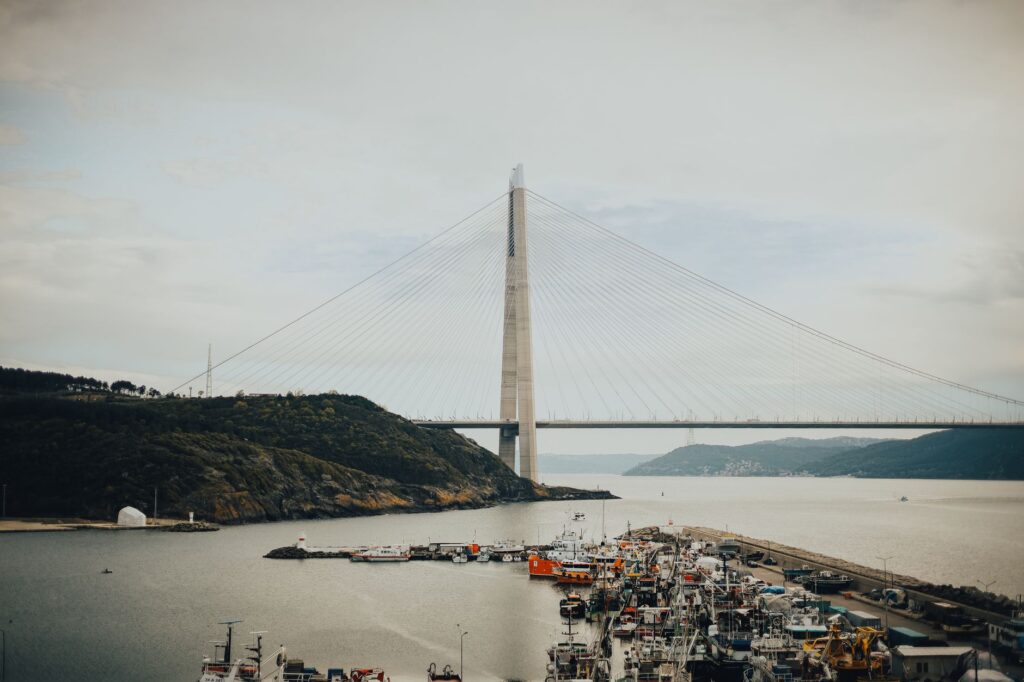
However, the construction of these infrastructures has consistently faced scrutiny from local environmentalists. Altering natural marine currents through the creation of solid dykes can drastically modify benthic ecosystems in interior bays. For this reason, recent road projects prioritize the installation of high-pile bridges that allow the free flow of water and marine fauna, balancing the need for land connectivity with the preservation of the fragile Baltic environment.
The Winter Challenge and Ice Roads
When temperatures drop drastically and the Baltic Sea begins to solidify, Åland undergoes a unique transformation within European transport. If sea ice thickness meets the safety thresholds established by road inspectors, official ice roads or isvägar are opened to traffic. These temporary routes allow residents to drive directly across the frozen sea surface, dramatically shortening travel times between smaller islands.
The opening and closing of these routes are governed by strict protocols monitoring ice thickness and quality. Navigating an ice road requires adhering to specific rules: maintaining a constant speed to prevent the formation of pressure waves underneath the surface, avoiding locked seat belts in extreme emergency scenarios, and remaining alert to fracture signs. This phenomenon, though increasingly unpredictable due to global climate shifts, remains a living testament to the resilience of island transport.
Sustainability and the Electric Future of the Fleet
Over the past decade, environmental pressure and the pursuit of energy efficiency have driven a profound renovation of Åland’s transport fleet. Regional authorities have adopted ambitious plans to decarbonize the maritime routes operating within the archipelago, a sector historically reliant on heavy fossil fuels.
The energy transition in a Baltic archipelago is not a theoretical exercise in corporate sustainability, but a matter of economic survival and operational sovereignty in the face of volatile global energy markets.
New ferries joining local routes feature hybrid and fully electric propulsion systems, recharged via locally generated wind and solar energy across the islands. This transformation reduces not only greenhouse gas emissions, but also noise pollution in the peaceful waters of the archipelago, safeguarding migratory routes for seabirds and aquatic mammals such as grey seals.
Practical guide
Planning a journey through Åland’s intermodal labyrinth requires understanding the logistical particularities of its fragmented territory. Below are the fundamental keys for moving efficiently and with environmental respect.
- How to get there: The main maritime access routes are operated by companies such as Viking Line and Tallink Silja, connecting Mariehamn with Stockholm, Kapellskär, Helsinki, and Turku. Regular regional flights from Stockholm and Helsinki are also available via regional airlines.
- Using local ferries: The Ålandstrafiken network manages ferries between the outer islands. It is essential to check seasonal schedules in advance and, during peak season, make prior reservations for private vehicles, as deck space is limited.
- Intermodal cycling: Åland is an exceptional destination for cycling tours. All public ferries permit bicycle boarding at very low or zero cost, facilitating the seamless combination of pedaling and navigation between islands.
- Winter road regulations: If traveling between January and March, checking daily updates on ice road conditions and equipping vehicles with appropriate winter tires is mandatory. Never travel on ice routes not officially opened by authorities.
- Accommodation and services: Most basic services and ATMs are concentrated in Mariehamn. On outlying islands, shops and fuel stations operate on reduced hours, so travelers are advised to carry basic provisions and cash or active international cards.
Emotional Epilogue Among the Red Granite Rocks
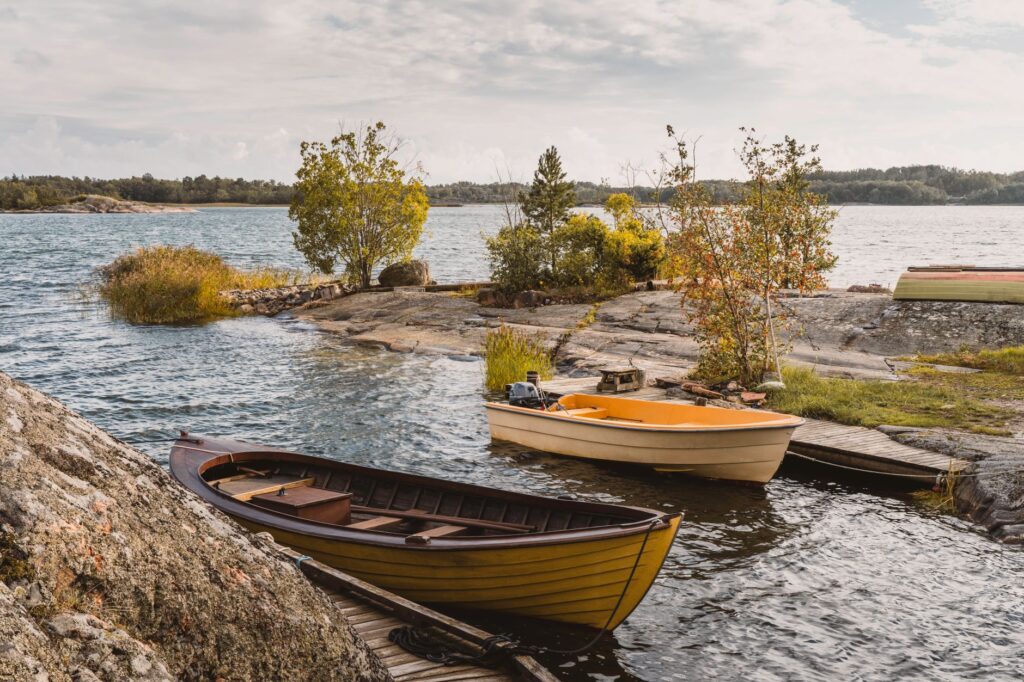
When the Baltic sun begins to dip below the summer horizon, painting the polished red granite rocks of Kökar in golden and copper hues, the frantic pace of the contemporary world fades entirely. In that moment of stillness, sitting on a solitary pier waiting for the last barge of the day, one realizes the true value of this island labyrinth does not lie in the speed with which it transports us from point to point, but in the reflective pause that travel imposes. Åland reminds us that connecting distant territories is not about erasing space through haste, but about learning to navigate with respect the distances that nature itself has traced with both beauty and rigor.