
The city as a living and necessary canvas
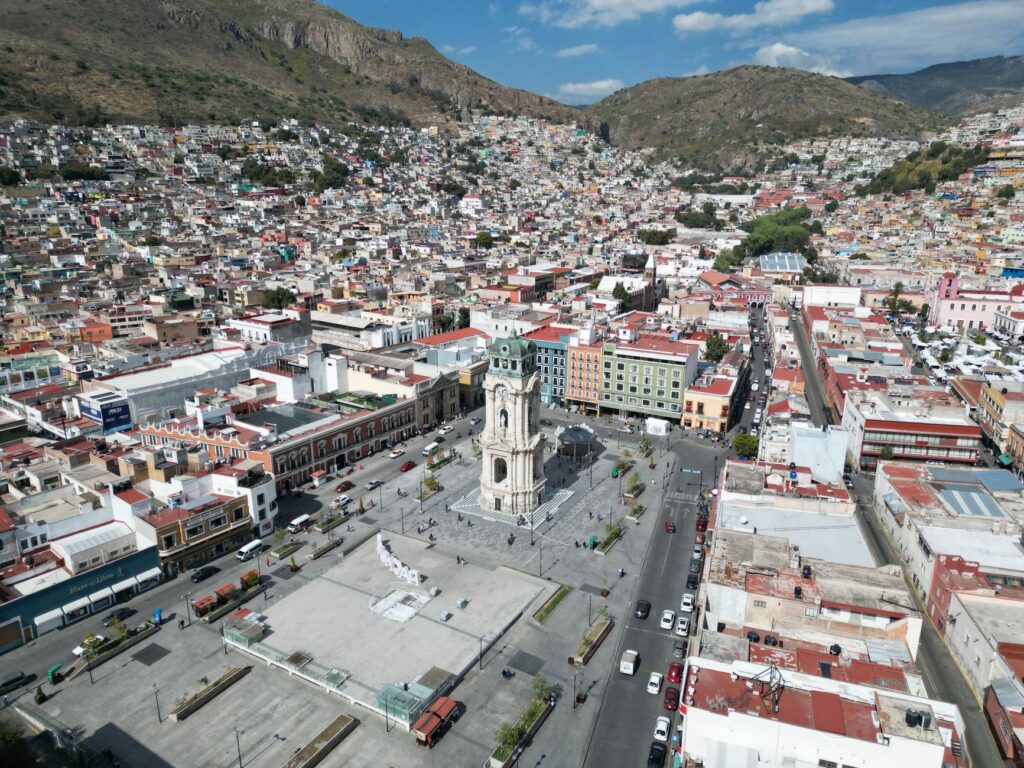
Mexico City is not merely a collection of buildings and avenues; it is a colossal, complex organism in constant transformation. Amidst this accelerated pulse, the Mextropoli festival consolidates itself in its 2026 edition as an unmissable event to understand the future of human settlements. From the very first day of activities, the Historic Center has left behind its role as a static postcard to function as a real-scale urban laboratory, where architects, urban planners, artists, and citizens converge to debate and experiment on the territory they share.
This year’s guiding axis, born under the concept of ‘Movements’, transcends the simple notion of vehicular or pedestrian transit. The festival’s curation has decided to shine a spotlight on four pressing urgencies that define daily life in the capital and any major global metropolis: equitable access to decent housing, sustainable water management, multimodal mobility, and the revaluation of public spaces as drivers of social cohesion. Far from hermetic academic congresses, Mextropoli takes architecture out of classrooms and drawing boards, placing it directly onto the asphalt within reach of any passerby.
The Historic Center: From viceroyalty to contemporary debate
Walking through the city’s core during these September days offers a high-impact visual and conceptual contrast. Viceroyal structures and Porfirian palaces suddenly coexist with ephemeral interventions, experimental pavilions, and modular structures built with recycled materials and low environmental impact. This dialogue between monumental history and ephemeral architecture proves that a city’s history is not an untouchable mausoleum, but a platform upon which the future must continue to be built.
Public squares, allied museums, and traditionally congested streets have transformed into agoras of democratic discussion. Here, citizen participation is not a decorative requirement, but the fundamental engine driving every conference, workshop, and urban walk. The festival demonstrates that public space belongs to those who walk it, inhabit it, and question it daily, breaking the inertia of urban segregation that typically characterizes Latin American metropolises.
Mobility and transport: Rethinking metropolitan flow
In a megalopolis where millions of people move daily through mass transit networks, microbuses, bicycles, and private cars, the mobility problem is, essentially, a human rights issue. Mextropoli 2026 addresses this challenge from a comprehensive perspective, analyzing how the design of road and rail infrastructure determines the quality of life and economic opportunities of its inhabitants. Master lectures and open forums place on the table the urgency of prioritizing efficient public transport, active mobility, and intermodal integration.
The analysis is not limited to the surface. It rigorously discusses how Metro lines, Metrobús, and new electric transport systems must dialogue with tactical urbanism to reduce travel times and carbon footprints. Transport architecture ceases to be viewed solely as a civil engineering solution and becomes a social node, a safe, dignified, and accessible meeting space that honors the daily commute of workers and students.
Architecture is not just the discipline of raising walls, but the political art of deciding who has the right to the city and how the spaces of human dignity are distributed.
Debate panels on mobility also examine pending challenges regarding universal accessibility. They evaluate the impact of emergency bike lanes and the need to pacify secondary streets to return a human scale to neighborhoods traditionally choked by vehicular traffic. International and local experts agree that a truly modern city is not one where cars move faster, but one where anyone, regardless of age or physical condition, can move safely and autonomously.
The water crisis and regenerative design
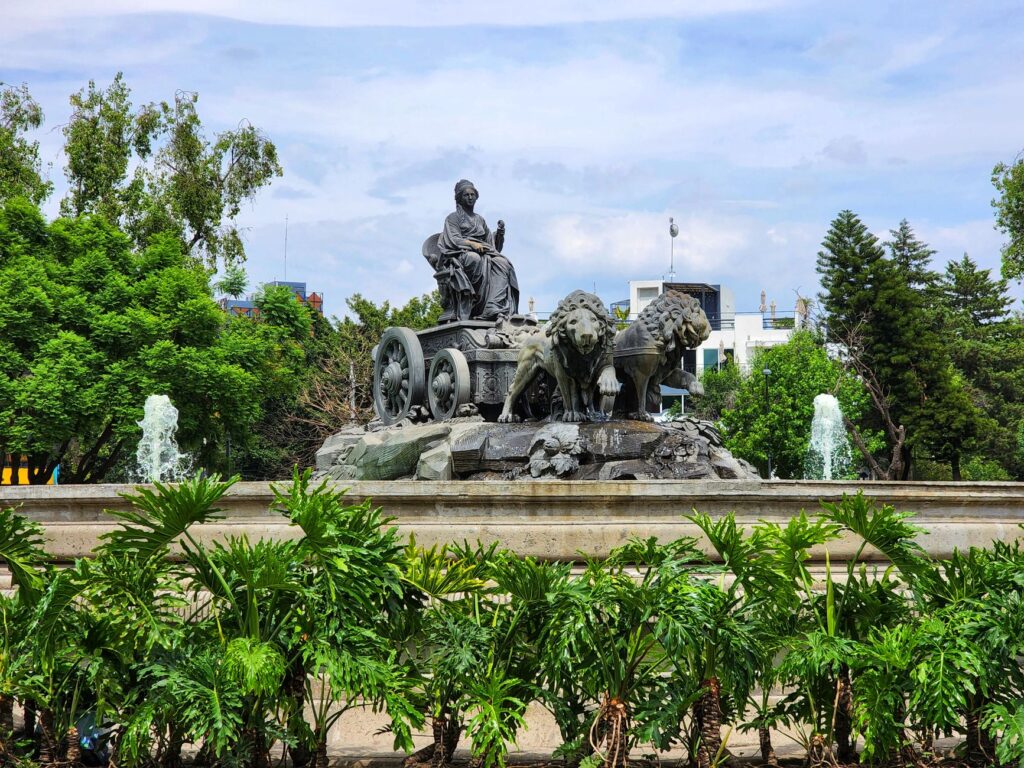
One of the most pressing issues of the current edition is water. With a historically transformed and saturated basin, Mexico City faces critical challenges in supply, harvesting, and sanitation of the vital liquid. Mextropoli 2026 integrates interactive installations and specialized symposia into its program to debate the architecture of water. Speakers analyze how future buildings must mandatorily incorporate rainwater harvesting systems, green roofs, and graywater treatment technologies.
The approach ceases to be purely technical and becomes cultural and landscape-oriented. It advocates for the rescue of urban water bodies and the creation of gray infrastructure combined with nature-based solutions, such as artificial wetlands and floodable parks that act as urban sponges during heavy rainfall seasons. Contemporary architecture, according to the experts gathered at the festival, has the moral responsibility to cease being an environmental predator and become a regenerative agent of the territory.
Affordable housing and the right to the city
The skyrocketing cost of urban centers and uncontrolled gentrification are problems threatening to expel traditional inhabitants toward neglected peripheries. At Mextropoli 2026, housing is not discussed as a financial investment product, but as a fundamental social right. Various architect collectives present prototypes of collective housing, the reuse of underutilized buildings, and co-housing models that optimize space and foster community without sacrificing privacy.
These experimental projects demonstrate that it is possible to densify central areas sustainably, avoiding uncontrolled urban sprawl that makes the provision of public services so expensive. The discussion encompasses the urgency of updating regulatory frameworks and building codes to allow the construction of modular, adaptable, and economically accessible housing for new generations and lower-income sectors.
The value of the ephemeral: Pavilions and design in the public sphere
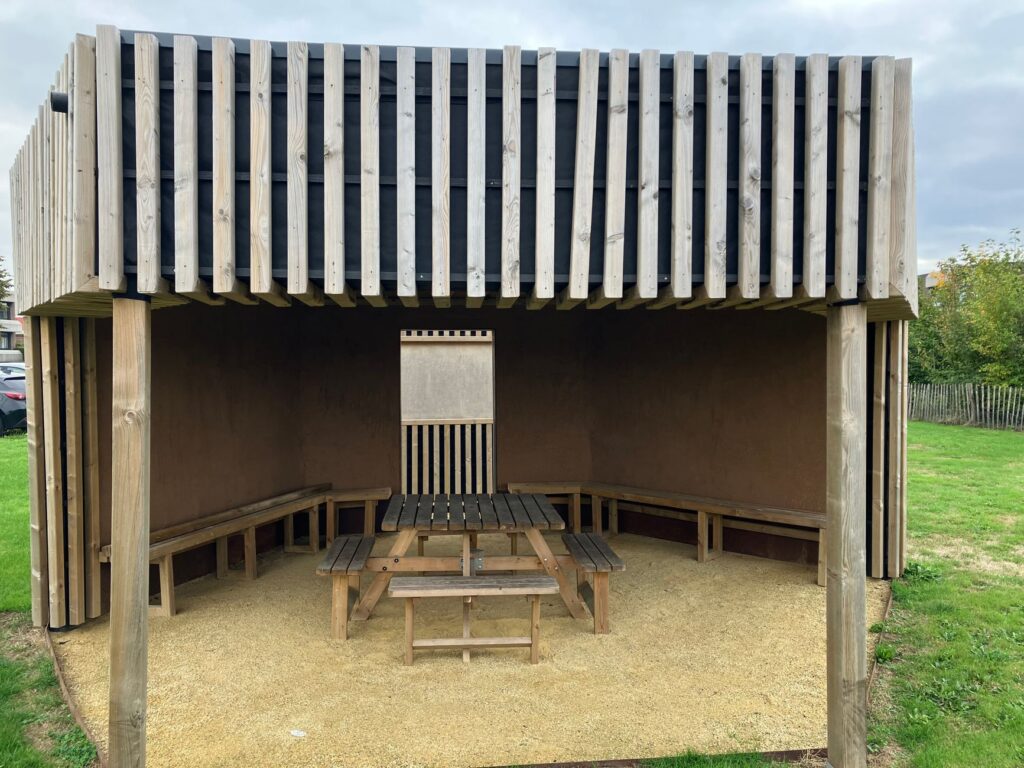
One of the most anticipated visual attractions of each Mextropoli edition is the temporary architectural pavilions installed at strategic points in the Historic Center. These structures, selected through international and national competitions, represent a perfect synthesis of formal audacity, material experimentation, and constructive viability. Visitors can walk through them, touch them, sit on their structures, and experience firsthand how form and space can modify the perception of a plaza or a street.
An ephemeral pavilion in the middle of urban chaos functions as a poetic pause, a physical reminder that public space can be reimagined with creativity and few resources.
The use of alternative materials—such as certified timber, industrial textiles, recycled plastics, and compacted earth—highlights the commitment of new creators to sustainability. Each pavilion tells a different story about how to solve complex spatial problems through surgical and precise interventions, proving that architecture does not always require million-dollar budgets or eternal permanence to transform a community’s civic life.
Practical guide
To make the most of Mextropoli 2026 activities, it is essential to plan the itinerary in advance, considering the high influx of people in Mexico City’s Historic Center.
Dates and schedules: The festival takes place from September 16 to 20, 2026. The vast majority of outdoor exhibitions, pavilions, and master lectures are completely free to access, although some enclosed venues require prior registration on their official platform.
Main venues: The heart of the event is located in the Historic Center, encompassing iconic spaces such as the Alameda Central, the Plaza de la Constitution (Zócalo), the Old College of San Ildefonso, and various museums and cultural centers within the perimeter.
Recommended transport: The best way to travel to the venues and move between them is by using the Metro Collective Transport System (Hidalgo, Bellas Artes, or Zócalo stations) and the Metrobús. The use of an integrated mobility rechargeable card is strongly recommended.
Footwear and hydration recommendations: Because the festival involves long outdoor walks across squares and cobblestone streets, wearing comfortable shoes, sunscreen, a cap, and carrying a reusable water bottle is essential.
Programming and workshops: It is advisable to check the updated daily schedule on the festival’s official website or mobile app to know the exact times of panel discussions, documentary screenings, and expert-led urban walks.
Architecture to heal the social fabric
The closing of this edition leaves a profound reflection on the true purpose of architectural discipline. Beyond corporate skyscrapers or signature monuments, Mextropoli 2026 reminds us that truly valuable architecture is that which successfully connects people, relieves the tensions of metropolitan life, and grants dignity to everyday spaces. The streets of the Historic Center, after five days of intense debate, ephemeral interventions, and massive citizen participation, return to their routine with a new collective perspective.
The accumulated experience in this urban laboratory proves that Mexico City’s complex problems—water, housing, mobility—have no magical solutions, but they do have clear paths if built upon plurality and horizontal dialogue. Architecture ceases to be a monologue of specialists and becomes an open conversation, where every citizen has a voice and a vote on the future of their environment. Source in EN: Alan x el Mundo.