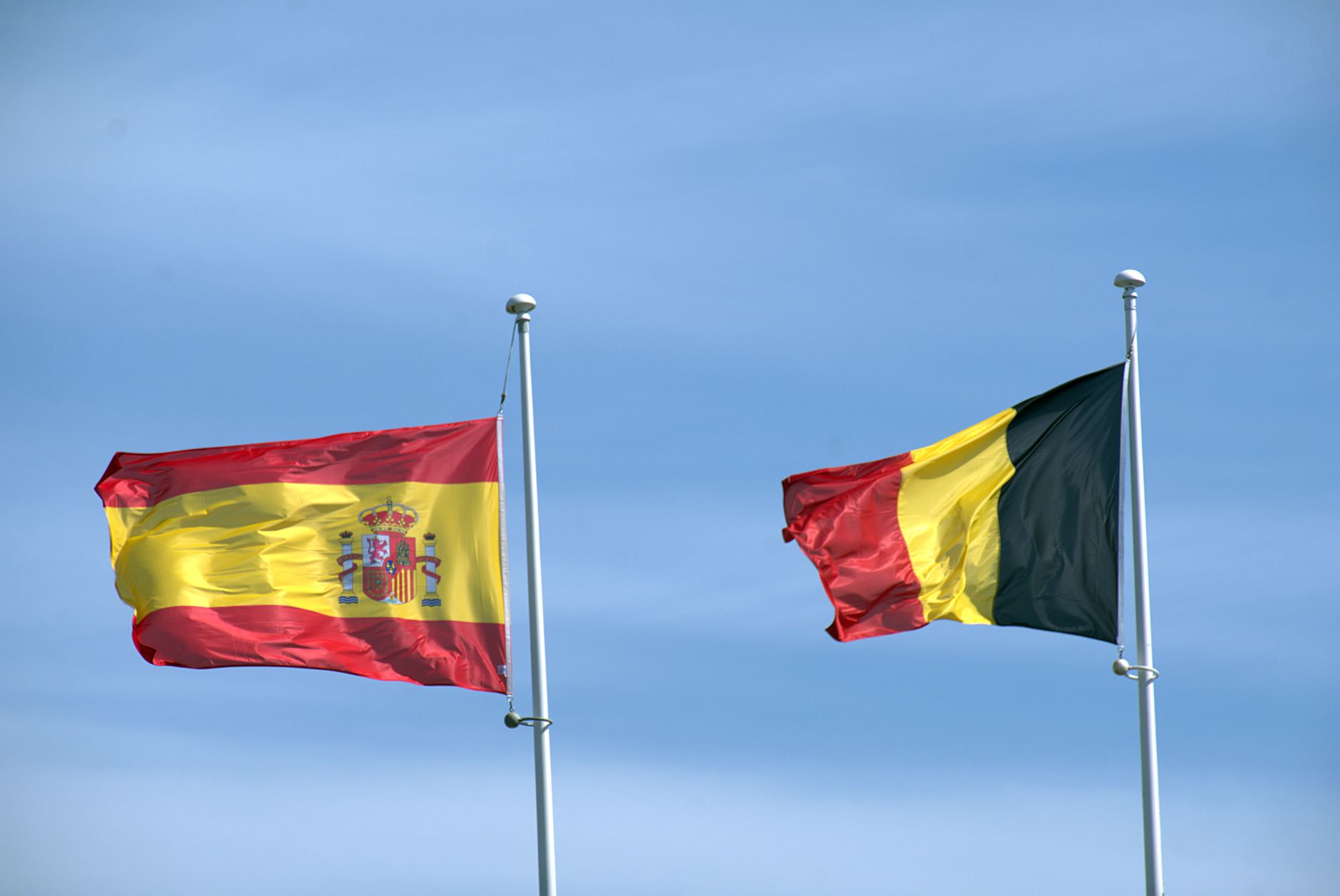

On the chessboard of international mobility, the dotted lines connecting continents are rarely drawn by chance. The recent institutional alignment between Spain, the United Kingdom, and Canada marks a turning point in the management of migration flows, visas, and air connectivity. This is not merely a minor bureaucratic agreement, but rather a geopolitical synchronization that promises to streamline transit corridors between Europe and North America, directly impacting airlines, rail operators, and border authorities.
This report examines the background of this diplomatic confluence, breaking down its practical implications for frequent travelers, commercial routes, and global transport infrastructure. Through rigorous analysis, we will explore how consular diplomacy and transport protocols converge to shape a new era of transatlantic connectivity based on interoperability and mutual trust.
The New Geopolitical Chessboard of Transatlantic Mobility
Consular relations between Spain, the United Kingdom, and Canada have entered a phase of strategic convergence rarely seen in contemporary diplomacy. While the post-Brexit space permanently reshapes the rules of entry and stay in British territory, and Canada adjusts its economic immigration policies and short-term visas, Spain acts as a natural bridge and key interlocutor within the European Union. This informal yet firm alliance seeks to standardize security protocols and facilitate the mobility of highly skilled citizens, students, and long-term tourists.
To understand this phenomenon, it is necessary to look beyond ministerial offices. Passenger flows between Madrid, London, Toronto, and Vancouver have grown steadily over the past decade. The harmonization of consular criteria responds to an urgent need: simplifying bureaucratic friction at external borders to unblock congested airports and optimize security controls. According to migration policy analysts, the synchronization of databases and the mutual recognition of low-risk traveler profiles are the pillars upon which this rapprochement rests.

Air Infrastructure and High-Density Corridors
Diplomatic harmony has an immediate corollary in the commercial aviation industry. Airlines operating routes between Spain, the United Kingdom, and Canada view this alignment with optimism, anticipating reduced processing times for special permits and greater flexibility in multimodal connections. The primary hubs—such as Adolfo Suárez Madrid-Barajas Airport, Heathrow in London, and Pearson in Toronto—handle millions of annual passengers who directly or indirectly benefit from regulatory simplification.
Smooth borders are not an administrative luxury, but the invisible engine that sustains the economic viability of major international air routes.
However, the expansion of these air corridors poses significant operational challenges. Slot management, airspace congestion, and the demand to comply with increasingly stringent environmental regulations force airlines to coordinate closely with the signatory governments. Consular harmonization acts here as a catalyst, allowing air transport operators to plan their fleets and frequencies with legal certainty that had been scarce since the pandemic and subsequent post-Brexit readjustments.
The Impact on Rail and Intermodal Ground Transport
When a traveler lands in London from Madrid with a final destination in Ottawa or vice versa, the journey does not end at the arrivals terminal. Ground and rail connectivity plays a fundamental role in the global mobility experience. In the United Kingdom, the HS1 high-speed network and express airport links integrate international flow; in Canada, Via Rail corridors connect major urban centers; and in Spain, the AVE network and medium-distance trains consolidate one of the most efficient infrastructures in Europe.
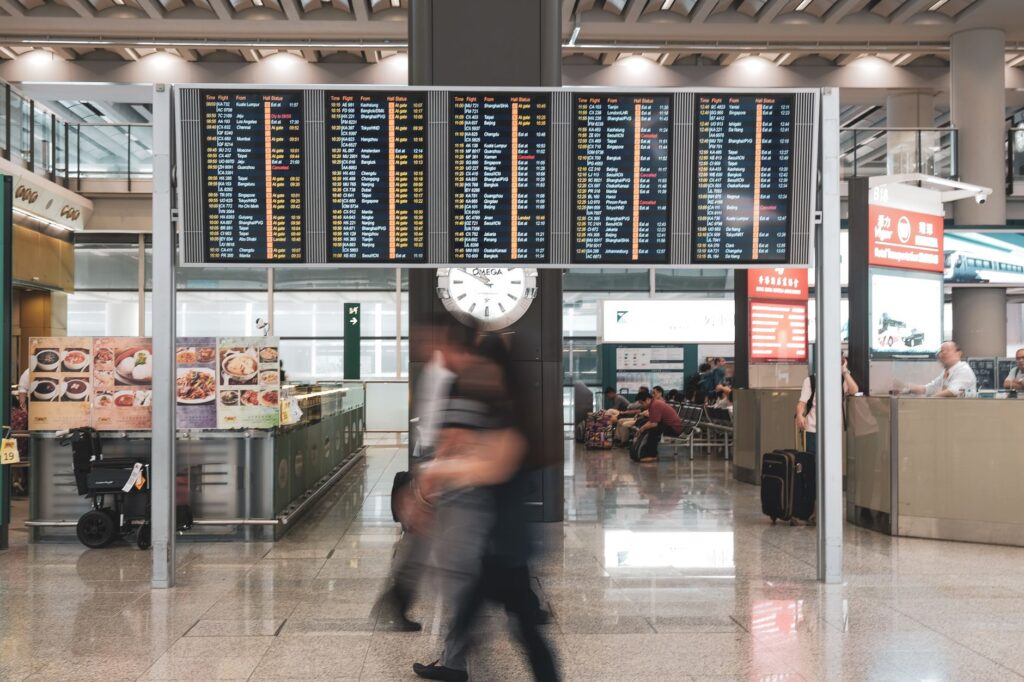
Cooperation between these three states fosters an exchange of best practices regarding ticket interoperability, integrated pricing, and accessibility for passengers with reduced mobility. Although operating under different regulatory frameworks, the shared goal of reducing carbon emissions in domestic and international travel drives ground transport operators to adopt technological standards compatible with the border security requirements agreed upon at the consular level.
Long-Term Tourism and Corporate Mobility
The profile of the traveler moving between Spain, the United Kingdom, and Canada has evolved dramatically. Conventional sun-and-beach or weekend tourism is giving way to extended stays, youth mobility programs (such as the coveted Working Holiday visas), and hybrid corporate travel. The new consular architecture specifically seeks to provide legal coverage to this mass of professionals and global nomads who need to cross borders frequently without facing unforeseen administrative blocks.
Multinational companies headquartered in these three countries welcome the simplification of visas for temporary employee relocations. Consular bureaucracy used to be the main bottleneck for engineering, consulting, and technology projects on both sides of the Atlantic. By aligning criteria, operating costs are reduced and the attraction of global talent is fostered, a critical factor for the economic competitiveness of Spain, the United Kingdom, and Canada in the current post-industrial landscape.
Security Challenges and Digital Sovereignty
Any consular harmonization entails an inevitable debate about data privacy and the limits of national sovereignty. The exchange of passenger information—through systems such as PNR (Passenger Name Record) and advanced biometric controls—requires a delicate balance between counterterrorism security and civil rights protection. Canada and the United Kingdom operate under very rigorous privacy standards, just like Spain, which is subject to the strict regulatory framework of the European Union.

- Progressive implementation of biometric controls in international connecting airports.
- Homologation of cybersecurity protocols for the shared management of consular data.
- Legal guarantees for the protection of the privacy of EU and non-EU citizens.
- Independent oversight of information-sharing agreements between border agencies.
Public international law experts point out that the success of this alliance will depend on the transparency with which these data flows are handled. Public trust is the most fragile asset in administrative integration processes, and any systemic failure in cybersecurity could slow down the diplomatic progress achieved to date.
Economic Prospects and Future Cooperation
Beyond passenger transport, the harmony between Spain, the United Kingdom, and Canada opens very promising horizons for foreign trade and the logistics of perishable and high-value-added goods. Logistics corridors combining express air transport and ground distribution depend critically on customs agility. The reduction of border inspection times translates directly into lower costs for the final consumer and greater competitiveness for agri-food and industrial exports.
Modern economic diplomacy is no longer measured solely by free trade agreements signed on paper, but by the speed and security with which people and goods can cross borders.
The political commitment to keeping these communication channels open and fluid demonstrates that, in the face of protectionist trends resurfacing in various regions of the planet, there are blocs of countries willing to bet on intelligent integration and cross-border cooperation based on mutual respect and technical rigor.

Practical guide
Planning travel and long-term stays between Spain, the United Kingdom, and Canada requires knowing specific requirements updated after recent consular and transport modifications.
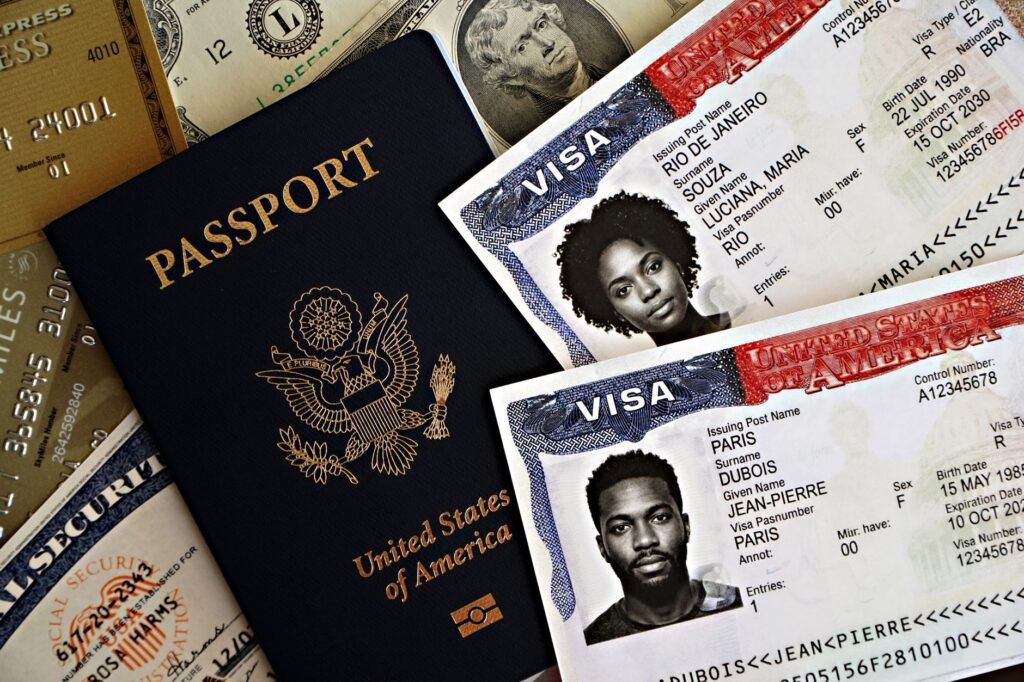
Entry requirements and visas: Be sure to check if your nationality requires prior obtaining of an Electronic Travel Authorization (ETA for the UK and Canada) before issuing plane tickets. European Union citizens traveling to the United Kingdom must present a valid passport, as the national identity document is no longer valid for most tourist access.
Recommended air connectivity: Daily direct flights connect Madrid and Barcelona with major London airports (Heathrow, Gatwick) and major Canadian hubs (Toronto Pearson, Montreal-Trudeau). It is recommended to book at least ninety days in advance during peak season to secure competitive rates on transatlantic routes.
Baggage handling and connections: When making technical or code-share stops between European, British, and North American airlines, carefully review whether your baggage is checked through to the final destination or if you must collect and re-check it at the point of entry into the transit country.
The Human Horizon of Global Mobility
Behind every stamped visa, every airline reservation code, and every diplomatic protocol lie human stories of reunion, the pursuit of opportunity, and the overcoming of borders. The true measure of success of agreements like the one linking Spain, the United Kingdom, and Canada does not lie in the macroeconomic figures of transported passengers, but in the ability to make the world a little more accessible, secure, and comprehensible for those who decide to embark on the journey.
As technology and diplomacy continue to advance hand in hand, the horizon of international transport is redefined under the premise that connecting territories ultimately means connecting people. The border ceases to be a containment wall and becomes a threshold of fluid transit, where geographical distance dissolves before the undeniable force of global cooperation.
Source in EN: Nomad Lawyer – Spain Aligns With United Kingdom And More Countries As Canada (https://news.google.com/rss/articles/CBMi4gFBVV95cUxQbnNqMmdndVlGZTB4bzQyb1V1ZG16bmpDRWNqZUE3VzN0WTJGaWhFZE9xLXh3QzJUbVlmcjlrT2hTN1pseVNac1BHdzRSRXNfa3hBOEpxbGxpQ0hQTTlUWWRLTkd5d1VRNHNES2VVR1NDeF8ya3h5X2VzSlNLMTJPdUN0S1IyQm11cWNkM3hCclhWajRqTGVXR2Z3bFNKVDRIclIzWmpmYjRQaEFFSU5lSnJoeVZyVnFWZnFTaTU2Y21scTliaU1mcnY5STZPVDRmcGl6TDJnVXF5VFZaeWVPVGJn?oc=5)