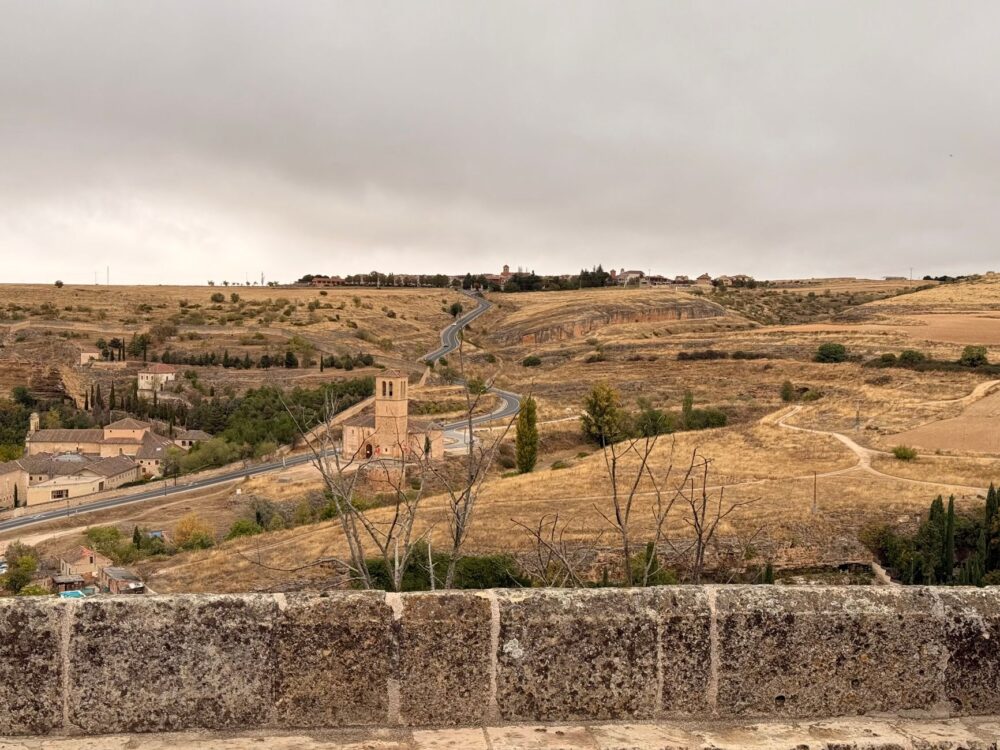

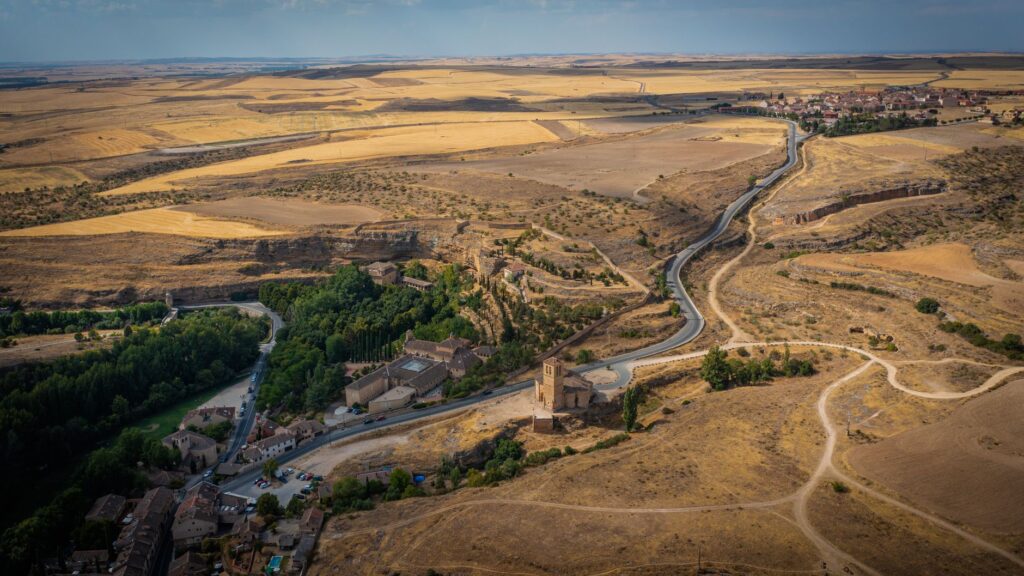
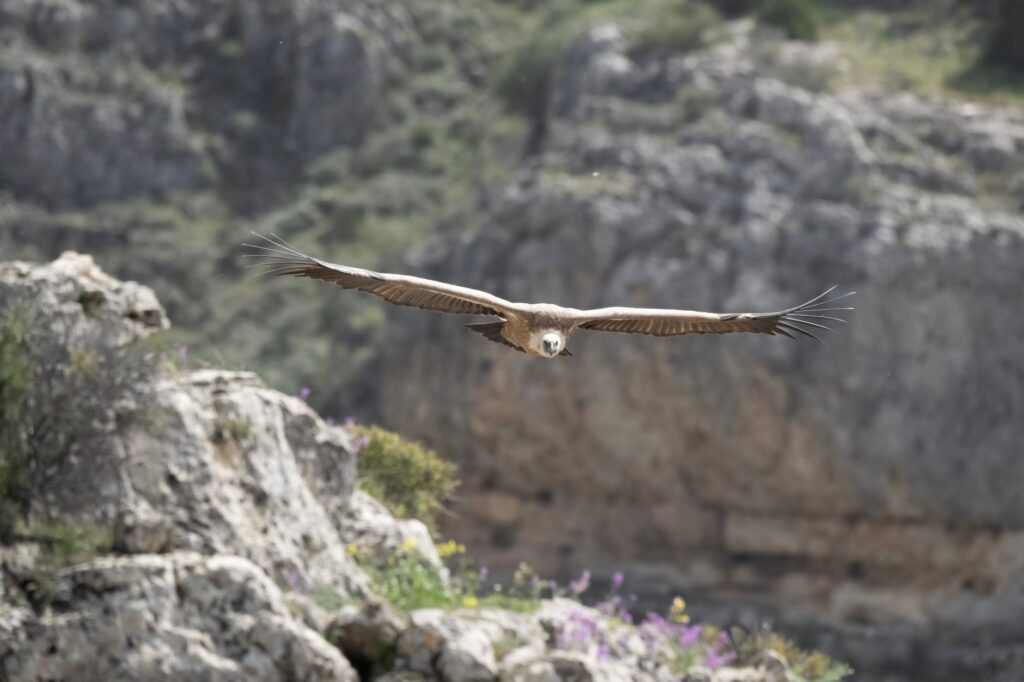
Water carves stone with millenary patience. In the north of Segovia province, the Duratón River cuts deep between vertical limestone walls exceeding one hundred meters in height, sculpting a landscape of dizzying cliffs, whimsical meanders, and a sky crowned by colonies of griffon vultures. This geological and ecological sanctuary, declared a Natural Park in 1989, is not only a refuge for Iberian biodiversity but also a territory where coexistence between traditional rural life and visitor influx demands a profound transformation in mobility and access.
For decades, the steady increase in car-based tourism threatened to saturate traditional access points to iconic landmarks such as the hermitage of San Frutos or the overlooks of the gorge. Overcrowding jeopardized the tranquility of river ecosystems and the survival of cliff-dwelling birds. Faced with this dilemma, local administrations, riverside municipalities, and protected area managers articulated a pioneering sustainable transport strategy: restricting private traffic at sensitive points and deploying an integrated soft-mobility network prioritizing electric river navigation, restored heritage bridle paths, and cycling intermodality.
The Metamorphosis of Access: From Private Cars to the Soft Mobility Network
The first major challenge was redesigning traveler arrivals at the canyon’s edges. Historically, every summer weekend turned forest tracks and road shoulders in neighboring villages into private vehicle gridlock. The solution was not a simple prohibition, but offering a coordinated public transport alternative with a low carbon footprint. Peripheral park-and-ride lots were established on the outskirts of larger towns, such as Sepúlveda, equipped with bicycle charging points and regular shuttle bus connections operating during peak periods.
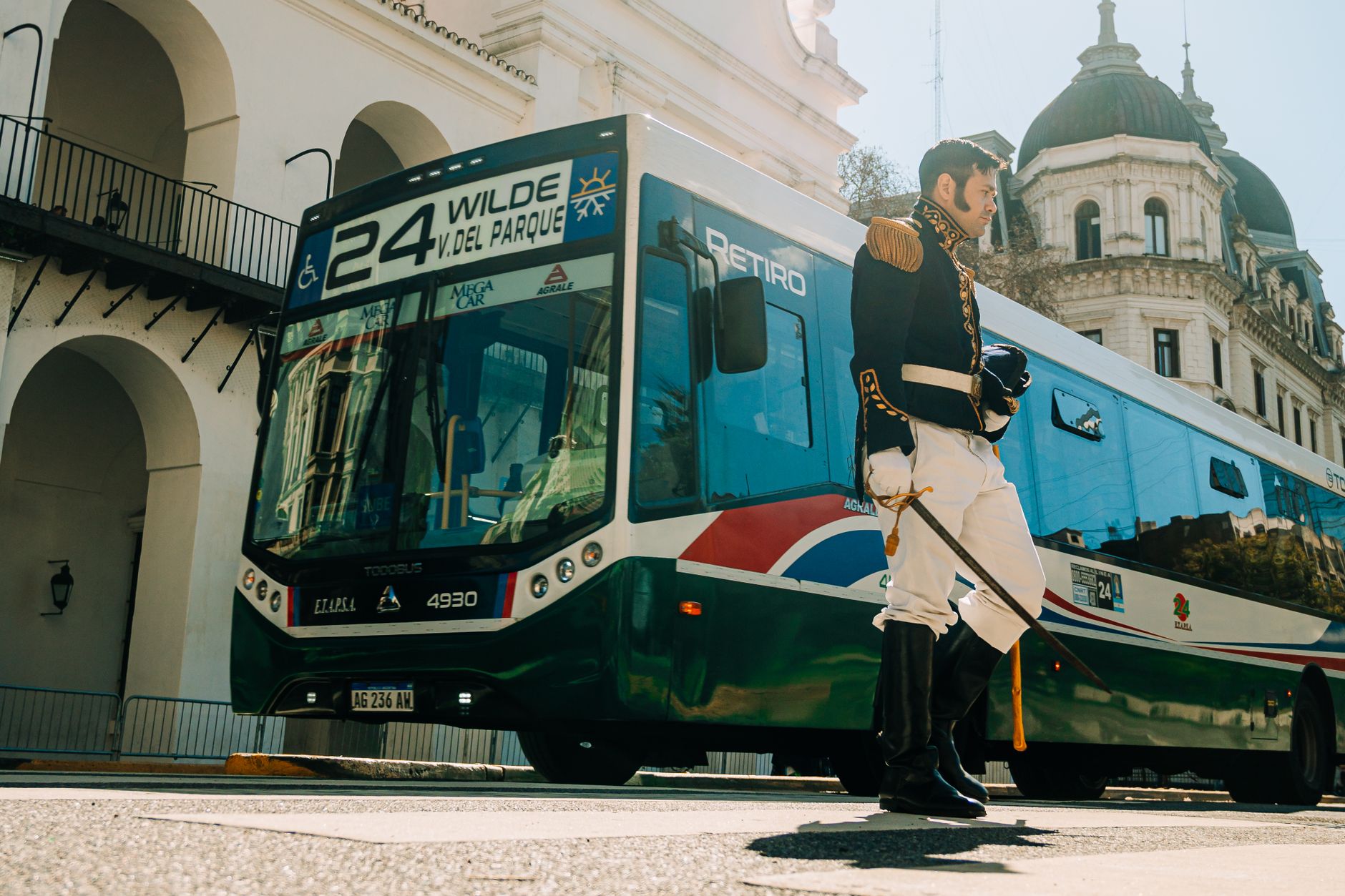
These shuttle buses connect the historic urban fabric with major interpretation centers and hiking trailheads. The measure has drastically reduced noise and air pollution near the canyon, allowing the dominant sound in the gorge to once again be the murmur of water and the whispering wind against rock faces. Local inhabitants, far from seeing their daily mobility diminished, participate in fleet management through regional service cooperatives, integrating public transport with the logistical needs of extensive livestock farming and traditional agriculture.
Silent Navigation: Electric Boats in the Confined Riverbed
One of the most notable innovations in transport and tourism management within the Natural Park has been the transition in water use. Traditionally, navigation in the Burgomillodo reservoir and navigable sections of the Duratón River relied on canoes and private watercraft, whose cumulative impact on riverbanks and nesting avifauna caused constant friction between tour operators and environmental wardens.
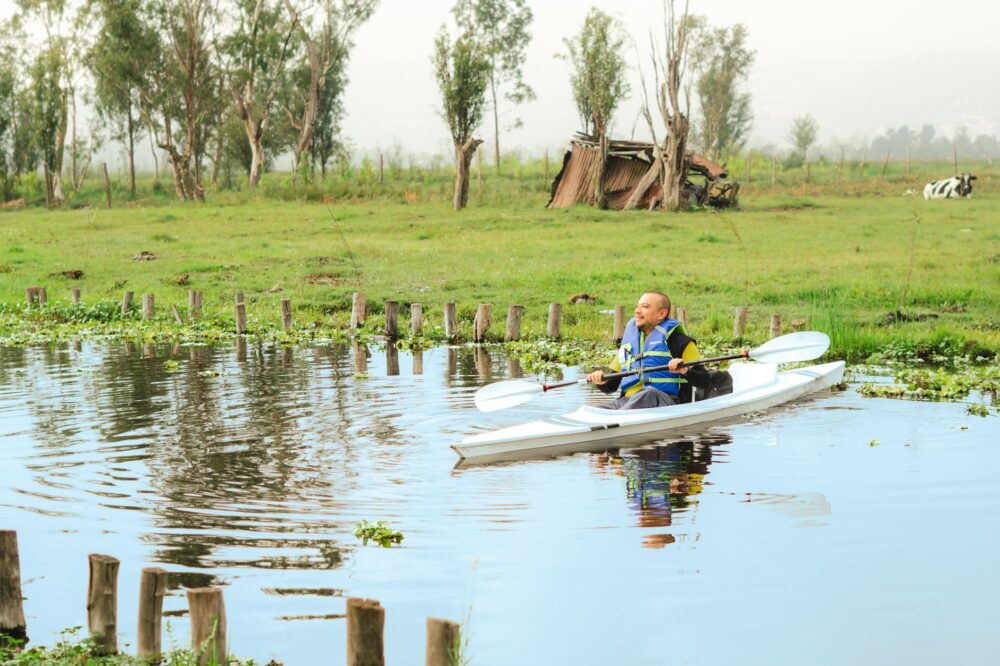
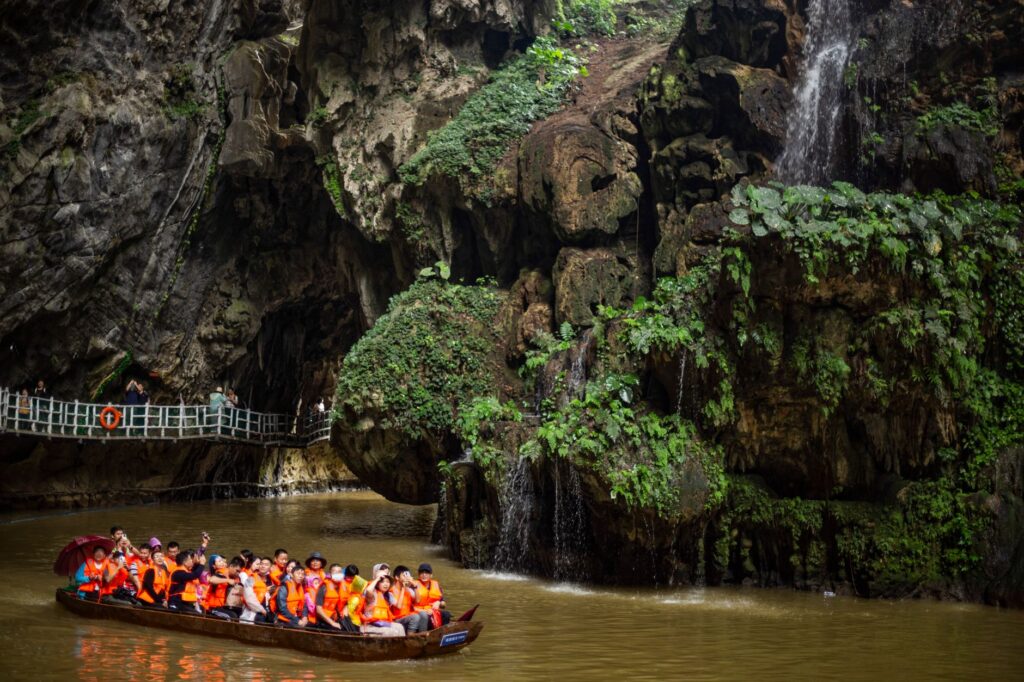
To organize this transit, authorities introduced a regulated buoyancy system based on 100% electric propulsion barges with medium capacity, managed under strict daily quotas. These vessels, free of direct emissions and completely silent, navigate the river canyon without altering the biological cycle of griffon vultures, booted eagles, and otters inhabiting the banks. Vessel skippers are local guides trained in environmental interpretation, turning each journey into a masterclass on Cretaceous geology and the importance of preserving the river’s fragile hydrological balance.
Stone Paths and Historical Heritage: Recovering Ancestral Trails
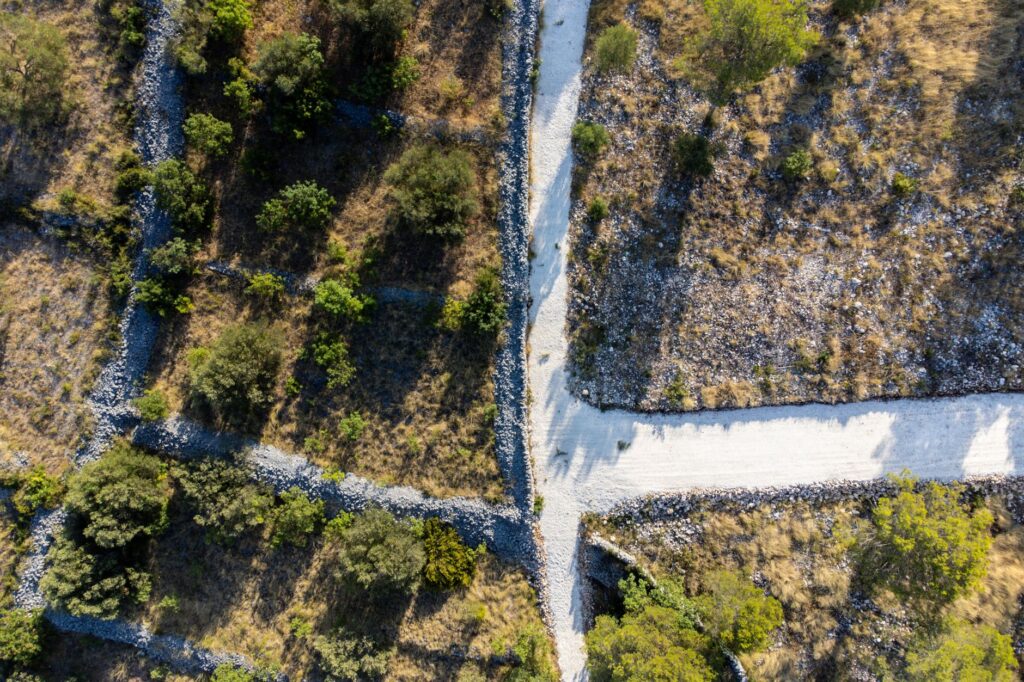
The park’s terrestrial connectivity is neither limited to asphalt nor water. Alongside road traffic regulation, a team of local artisans and landscape restoration specialists has recovered dozens of kilometers of ancient bridle paths and livestock drovers’ roads that had been abandoned or overgrown for decades. These routes, originally built using traditional dry-stone techniques, connected small flour mills, potteries, and high-altitude pastures with valley urban centers.
The rehabilitation of these paths has created a network of well-marked pedestrian and cycling trails running midway up slopes or skirting cliffs without eroding embankments. The use of native materials and the absence of artificial paving ensure paths blend seamlessly with the natural surroundings. For mountain bikers and hikers, this network offers a safe, respectful alternative to travel between county villages—such as Sepúlveda, Villaseca, or Carrascal de la Cuesta—without sharing space with motorized vehicles.
True sustainability in a protected natural area does not consist in prohibiting human transit, but in redesigning how we move so our footprint merges with the heartbeat of the territory itself.
This minimalist intervention philosophy also extends to interpretive signage. Instead of garish metal signs or digital displays clashing with limestone and Mediterranean scrub palettes, treated timber monoliths and engraved stone plaques inform visitors about the canyon’s geological history, temporary breeding season access restrictions, and basic rules for coexisting with local wildlife.
The Circular Economy of Regional Transport and Local Services
The new mobility paradigm in the Duratón River Canyons has transcended environmental bounds to become an economic revival engine for riverside municipalities. Centralizing visitor flows in peripheral parking lots and channeling travel via electric shuttles and barges distributes tourism expenditure more equitably among hospitality businesses, local honey, cheese, and wine producers, and traditional artisans.
Revenue generated from sustainable mobility access fees is reinvested entirely in maintaining park infrastructure, cleaning trails, and funding environmental education programs for regional schools and residents. Thus, the local community perceives tangible, direct compensation for tourism-related disruptions, consolidating a pact of shared territorial stewardship.
Managing Carrying Capacity and Seasonal Flows
One of the greatest technical achievements of the model implemented in Segovia has been real-time digitization and carrying capacity control of the natural space. Through a unified web platform, visitors can check parking space availability at peripheral lots, book tickets for electric shuttle buses, or acquire river navigation permits before starting their journey.
This advance-booking system prevents unforeseen overcrowding during holiday long weekends, spring weekends, and summer months, ensuring simultaneous visitor counts at overlooks and riverbanks never exceed critical thresholds set by park biologists. Furthermore, during raptor breeding seasons—typically running from January to July—platform algorithms automatically restrict access to specific trails and river sectors, shielding nests from human disturbance.
Practical guide
How to get there
The Duratón River Canyons Natural Park is located in northern Segovia province, roughly 140 kilometers from Madrid and 60 from Valladolid. By private vehicle, main access is via the A-1 highway to the Boceguillas exit, continuing along the N-110 national road and local county roads to Sepúlveda. To encourage intermodality, travelers are advised to use scheduled bus lines connecting Madrid (Príncipe Pío station) with Sepúlveda, operated by Linecar.
Internal mobility and shuttle services
Once in the county, private vehicle use is restricted on direct access routes to the hermitage of San Frutos and major overlooks during high season. Peripheral park-and-ride lots feature information points and connections to municipal electric shuttle buses. The service runs continuously on weekends and holidays during spring and summer, with economical fares covering parking and round-trip transit.
Sustainable river navigation
Electric boat excursions across the Burgomillodo reservoir and authorized river stretches must be booked in advance via the official park reservation center or authorized visitor centers. Spaces are limited to protect birdlife. Combustion engine watercraft are prohibited, and prior authorization is required for private canoe navigation on specific dates.
Trail network and cycling
Traditional bridle paths are open year-round, barring occasional raptor nesting restrictions marked on-site. Visitors must stay strictly on marked paths, wear sturdy footwear for stony terrain, carry sufficient water, and deposit waste in urban receptacles. Mountain biking is permitted on forestry tracks and authorized paths, while cross-country riding is strictly forbidden.
Accommodation and gastronomy
Accommodation concentrates in small rural houses, traditional inns, and boutique hotels in Sepúlveda, Carrascal de la Cuesta, Villaseca, and Burgomillodo. Local produce is prioritized, featuring traditional wood-oven roasted suckling lamb, artisan cured meats, and regional denomination-of-origin wines.
The sun begins to set over the Segovian horizon, casting a warm, oblique light that ignites the gorge’s limestone cornices. At the bottom of the ravine, the Duratón current flows untouched by modern hustle, reflecting the majestic flight of the last vultures returning to nesting ledges. In this corner where stone, water, and human effort reconcile through a forward-looking vision of respect and moderation, travel ceases to be mere displacement and becomes silent communion with the deep memory of the earth.