
The Infinite Forest of the Western Pyrenees
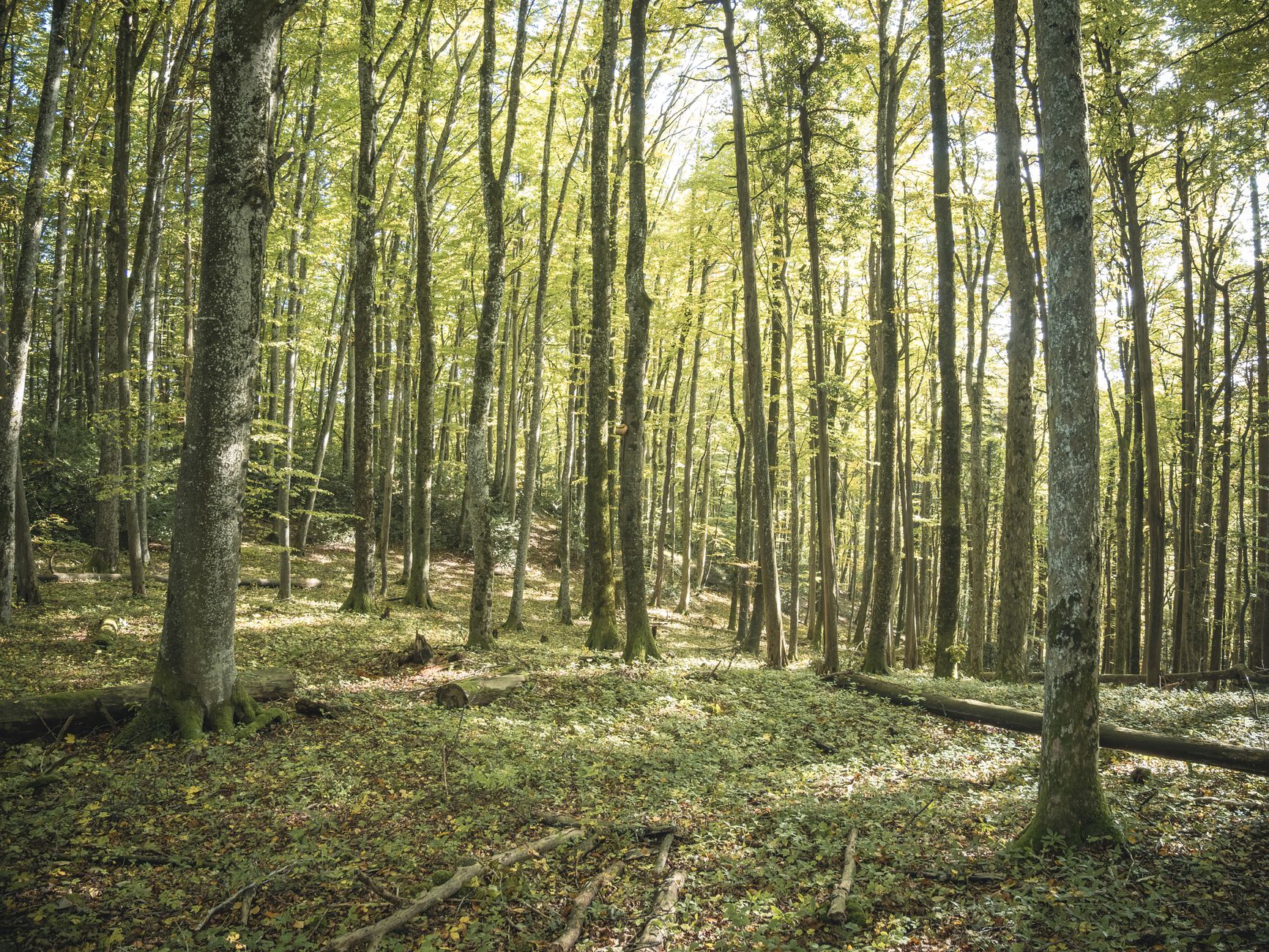
The Irati Forest is much more than a geographical landmark or a botanical catalog of beeches and silver firs. It is, above all, a living system where the memory of the land is written in the rings of centurial trees that have weathered centuries of climatic fluctuations and human pressures. In this northeastern corner of Navarre, nature conservation is no longer viewed as an absolute veto on human presence, but rather as an exercise in active co-responsibility between those who inhabit the valley and professional forest managers.
For decades, the exploitation model of European temperate forests oscillated between industrial overexploitation and strict preservationist abandonment. However, the experience accumulated in Irati demonstrates that the key to ecological resilience lies in adaptive forest management. This strategy combines the traditional knowledge of ancient shepherds and lumberjacks with the advancements of contemporary forest science, successfully halting soil erosion, retaining nutrients in acidic soils, and safeguarding the biodiversity of endangered species such as the white-backed woodpecker and the brown bear.
The Science Behind Local and Sustainable Timber
The concept of locally sourced timber has transcended sustainable architecture to become a fundamental pillar of forest conservation. When timber extraction relies on selective logging and low-impact hauling, it mimics the natural disturbance cycles that the forest experiences following the collapse of old specimens or summer storms. This method prevents habitat fragmentation and allows the forest canopy to maintain its continuity, shielding the understory from excessive desiccation.
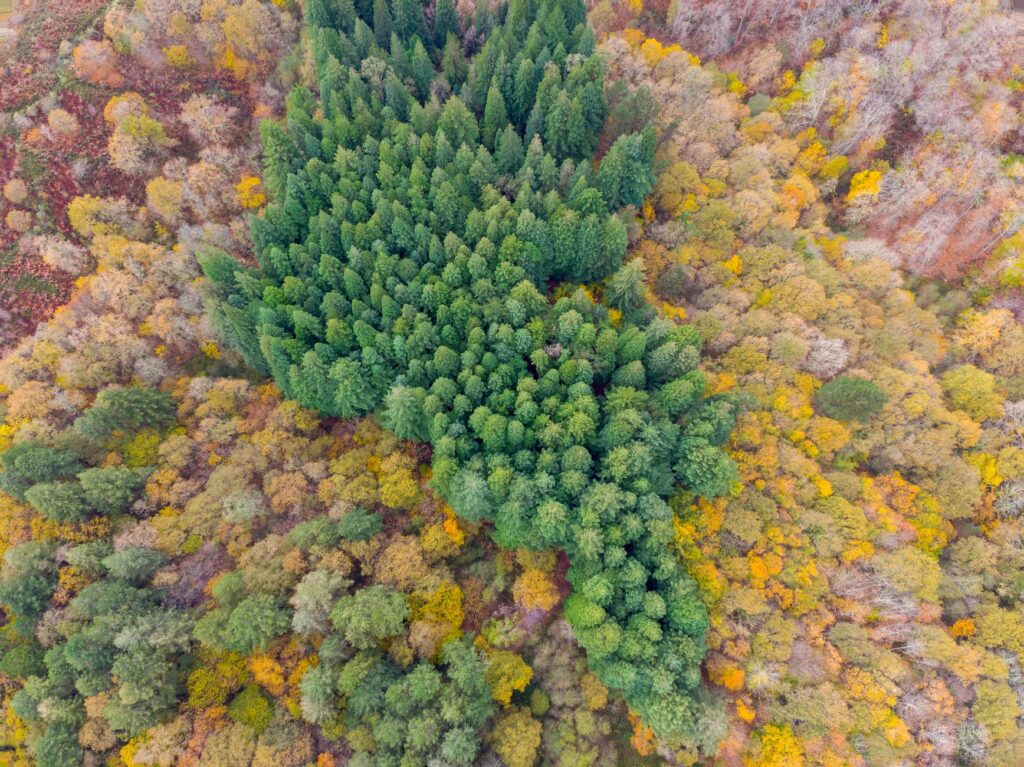
Recent forest inventories conducted in the mancomunidad of the Salazar and Aezkoa valleys reveal that selective cutting fosters structural heterogeneity. Instead of monospecific, evenly aged plantations—which remain highly vulnerable to pests and extreme drought episodes—mixed forests encourage the coexistence of young trees, mature specimens, and standing deadwood. The latter acts as an indispensable refuge for hundreds of saproxylic organisms, decomposing insects, and fungi that close the biogeochemical cycle of the soil.
Vernacular Architecture and Timber Traceability
The integration of certified Irati timber into contemporary construction and heritage restoration represents another major achievement of this model. Local regulations mandate that every extracted log possess verifiable digital traceability, guaranteeing that materials used in public and private works stem exclusively from authorized thinning and improvement pruning operations. Consequently, the carbon footprint associated with transporting heavy construction materials is drastically reduced while invigorating the economy of Pyrenean villages.
True forest sustainability does not consist of banning the use of the forest, but rather of integrating timber into the local economic cycle with the same respect with which the river sculpts the valley.
This approach has facilitated the recovery of traditional timber-framing carpentry techniques adapted to twenty-first-century energy requirements. Public buildings restored in towns such as Ochagavía and Abaurrea Alta exemplify how thermal insulation using wood fiber and local fir panels reduces household energy consumption during winter and optimizes comfort during summer heatwaves, proving that bioclimatic architecture possesses deep historical roots.
The Role of Local Communities in Environmental Governance
The governance of the Irati Forest relies on valley boards and communal councils that have made decisions in assembly for centuries. This collective ownership structure has successfully prevented real estate speculation and the excessive commercialization of the landscape. Local residents participate in a binding manner in setting annual extraction quotas and delimiting integral reserve areas where human intervention is zero, allowing ecosystems to evolve spontaneously.
This participatory governance model contrasts sharply with centralized conservation policies that frequently generate friction with rural populations. In Irati, the local resident is neither a passive spectator nor a potential violator of rules dictated from urban offices, but the primary guardian of the land. The compatibility between extensive grazing by native horse and cattle breeds and forest regeneration illustrates how controlled herbivory prevents the excessive accumulation of dry biomass and markedly reduces the risk of catastrophic wildfires.
Sustainable Mobility and Access to Natural Enclaves
A historical challenge in managing this natural area has been the regulation of mass tourism, especially during autumn months when the changing colors of beech leaves attract thousands of visitors. To mitigate the impact of private vehicles on forest tracks and fragile riparian ecosystems, local administrations have implemented an integral low-impact transport system featuring electric shuttle buses from peripheral parking lots and an interconnected network of pedestrian and cycling trails.
- Total restriction of passenger cars on interior tracks during peak autumn weekend influxes.
- A fleet of electric and plug-in hybrid minibuses connecting interpretation centers with major trailheads.
- Maintenance of traditional pathways using dry-stone techniques to prevent surface runoff and soil erosion.
- Low-visual-impact digital signage providing real-time information on trail carrying capacities.

This transformation in mobility has not only relieved pressure on sensitive fauna, such as the Pyrenean capercaillie, but has also substantially enhanced the visitor experience, enabling travelers to explore the forest amidst absolute acoustic silence—an environmental value that grows increasingly scarce in Western Europe.
Climate Challenges and Adaptation Against Drought
Climate projections for the Pyrenean range indicate a sustained increase in summer temperatures and a reduction in snowfall, factors that severely stress beech forests, a species naturally adapted to humid and cool Atlantic conditions. To counter this threat, forest research teams from the Public University of Navarre and the regional government collaborate on dendrochronological monitoring programs to identify specimen populations most tolerant to water stress.
Adaptation measures include creating microclimates through the conservation of mixed stands where silver fir and sessile oak act as nurse trees, shielding younger beeches from direct solar radiation. Furthermore, experiments involving the introduction of genetic lineages from drier southern foothills are underway, anticipating a climatic scenario where forest survival will depend heavily on genetic diversity and evolutionary adaptive capacity.

Practical guide
How to get there
The primary access to the Irati Forest runs through the Salazar and Aezkoa valleys. From Pamplona, the most direct route follows the N-135 highway to Burguete, connecting there with the NA-140 toward Ochagavía. The car journey takes approximately one hour and fifteen minutes. During peak visitor periods, travelers are strongly encouraged to use scheduled regional buses connecting Pamplona with primary Pyrenean municipalities.
When to go
Each season offers a distinct perspective, but autumn (October and November) stands out for the chromatic spectacle of beech foliage. Spring (May and June) is ideal for observing floral explosions and local wildlife activity under conditions of lower tourist congestion.
Visitor rules and sustainability
Access to integral reserve areas is strictly prohibited outside authorized trails. Lighting fires, wild camping, and discarding any form of waste are entirely forbidden. Visitors should wear appropriate mountain footwear, waterproof clothing, and carry bags to pack out all generated waste.

Accommodation and local gastronomy
The valleys feature a wide array of traditional rural houses and small hotels managed by local families. Gastronomy highlights proximity products, including Roncal and Idiazabal protected-origin cheeses, meat from extensively raised native livestock, and seasonal mushrooms harvested under sustainable criteria.
The Green Refuge That Outlives Us
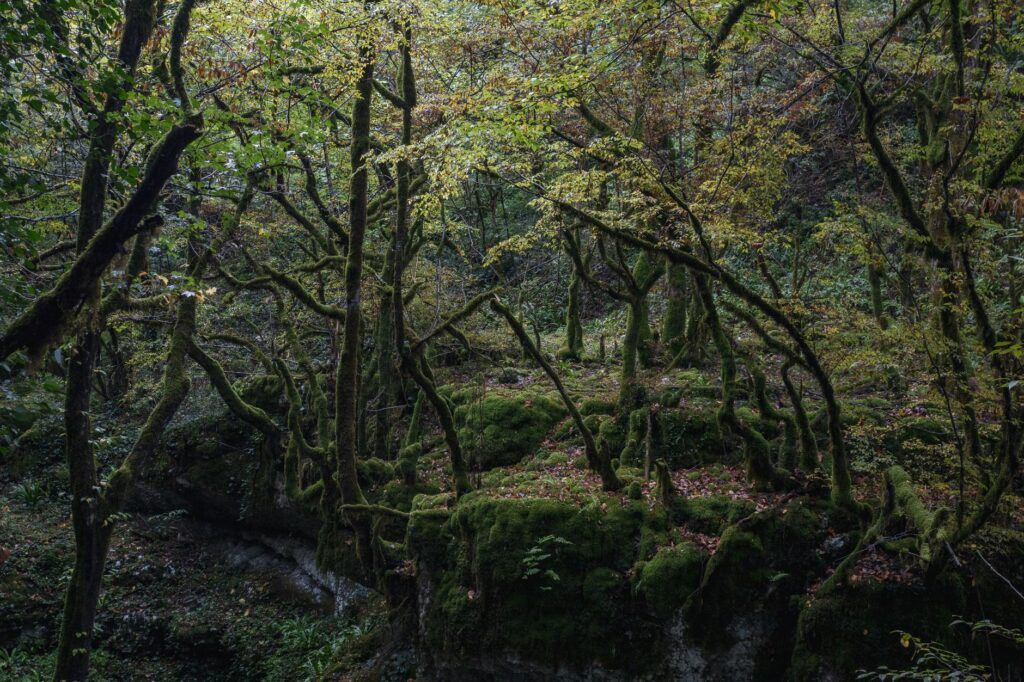
Walking beneath the monumental canopy of the Irati Forest at dusk, when golden light filters horizontally through moss-covered trunks, reveals the magnitude of a fragile yet tenacious equilibrium. Here, forest conservation is not viewed as a static postcard intended for passive contemplation, but as a dynamic and rigorous pact between the community and its natural surroundings.
The effective conservation of Europe’s great forests is the exact reflection of our ability to listen to the pulse of the earth and subordinate immediate gain to the perennity of the landscape.
In every log harvested with scientific criteria, in every trail traversed on foot or via silent transport, and in every council agreement adopted in open assembly lies the hope that these green sanctuaries will continue to exhale oxygen and life for generations to come, reminding us that our destiny as a species remains inextricably bound to the trees that shelter us.