
Origins of Steel and Coal in the Cantabrian Cordillera
The territory winding between the provinces of León and Asturias has historically been defined by the verticality of its geography and the richness of its mineral depths. At the end of the 19th century, the urgent need to transport coal extracted from the Leonese mining basins to the blast furnaces and ports of the Cantabrian Sea drove one of the most ambitious civil engineering projects in the Iberian Peninsula. The La Robla railway was born neither as a luxury line nor as a touristic whim, but as a vital industrial artery whose survival depended on its ability to conquer impossible gradients.
Today, successfully reconverted into an international reference for cultural and scenic rail travel, this metric-gauge route allows contemporary travelers to immerse themselves in landscapes where human intervention engages in a direct dialogue with the ruggedness of nature. Unlike the high-speed trunk lines that pierce mountains through kilometer-long tunnels, this railway champions slow travel. Every curve and every metal viaduct demand a profound understanding of the terrain, revealing an industrial heritage that has seamlessly integrated into the rural landscape with sober and functional elegance.
The experience of traversing this route begins long before boarding the carriages. At the departure station, the atmosphere evokes the golden age of heavy freight rail transport, where every oak tie and steel rivet tells a story of collective effort. The engineers of the era had to grapple with frequent landslides, roaring river currents, and extreme weather conditions that rigorously tested both materials and human endurance.
The Architecture of Bridges and Stone
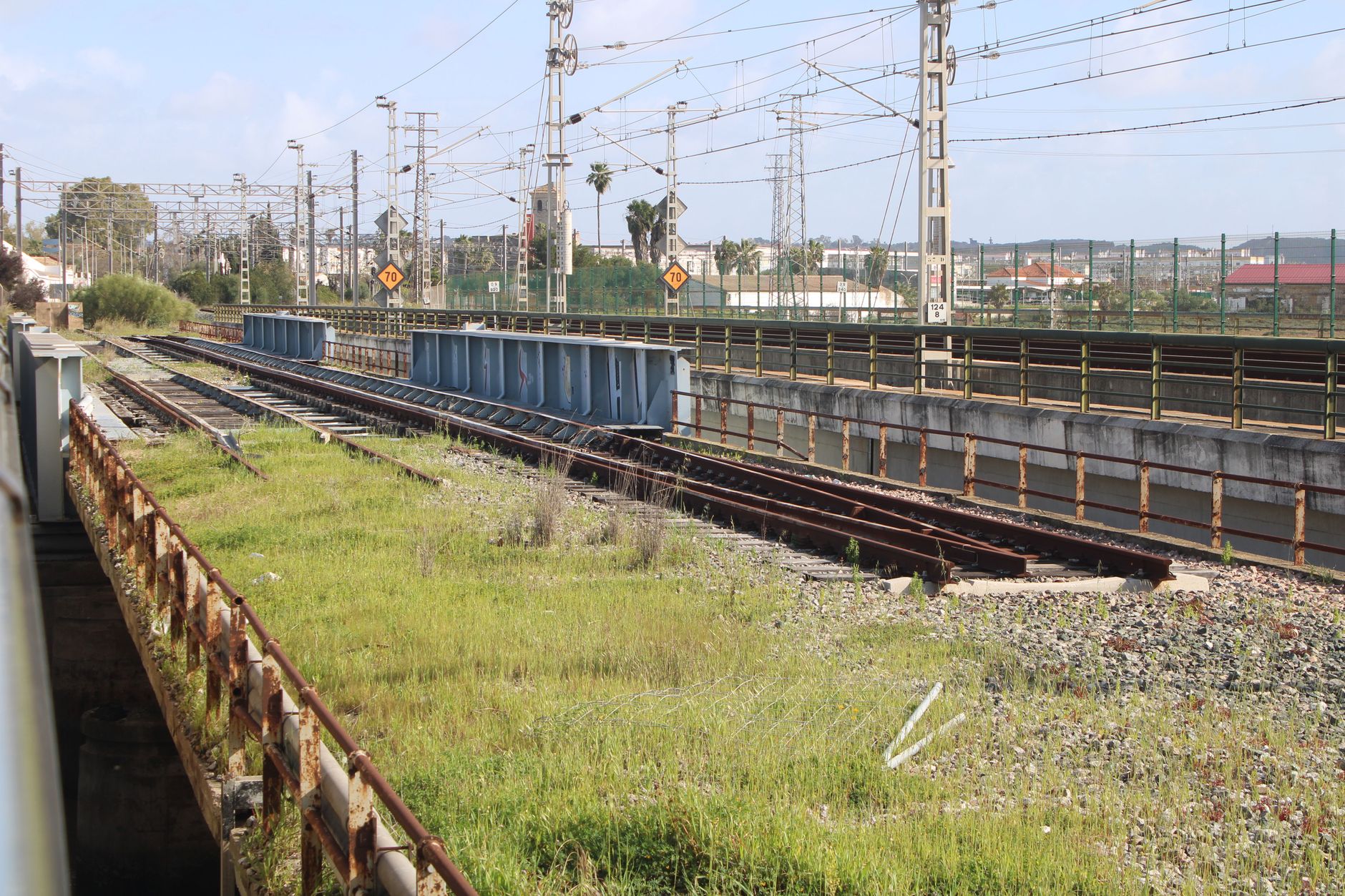
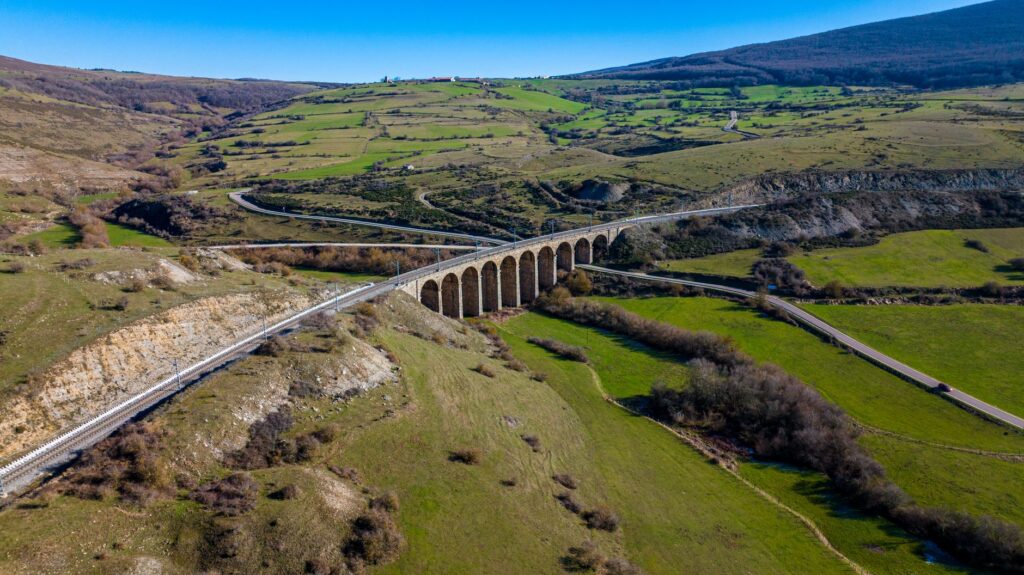
Throughout the initial kilometers, the railway infrastructure demonstrates admirable technical mastery. Wrought-iron bridges, designed to bear the colossal weight of steam locomotives laden with coal, still stand as industrial sculptures over the Bernesga and Torío rivers. These elements not only serve an irreplaceable structural function, but also impart a geometric aesthetic that harmoniously contrasts with the lushness of the riparian forests.
Limestone extracted from local quarries served as the preferred material for erecting the original stations and retaining walls. This vernacular architecture, characterized by pitched roofs designed to support heavy winter snowfalls, grants the journey an unmistakable visual identity. Each stop serves as a reminder of how utilitarian design can achieve timeless beauty when responding honestly to the demands of the physical environment.
Passing Through Gorges and Climatic Transitions
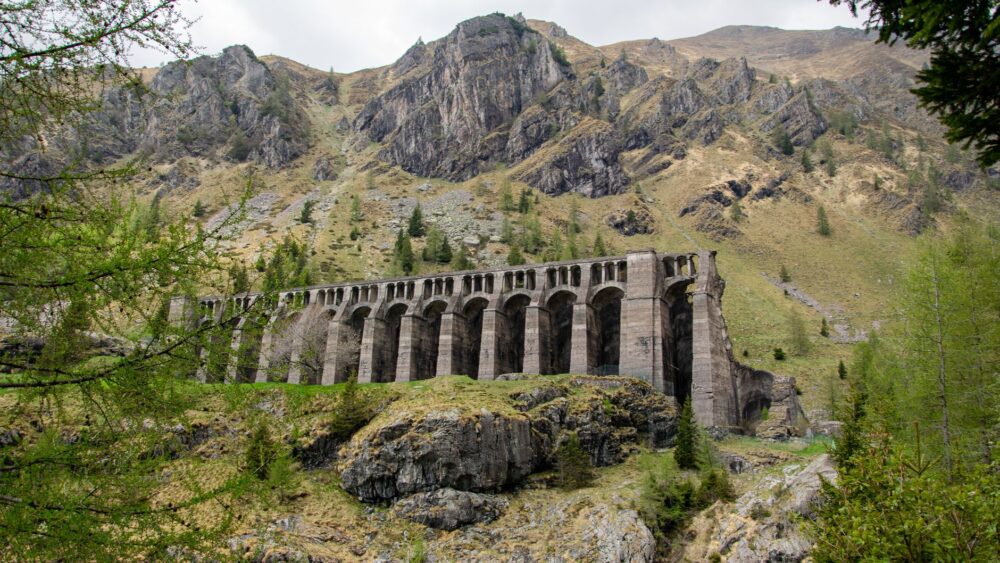
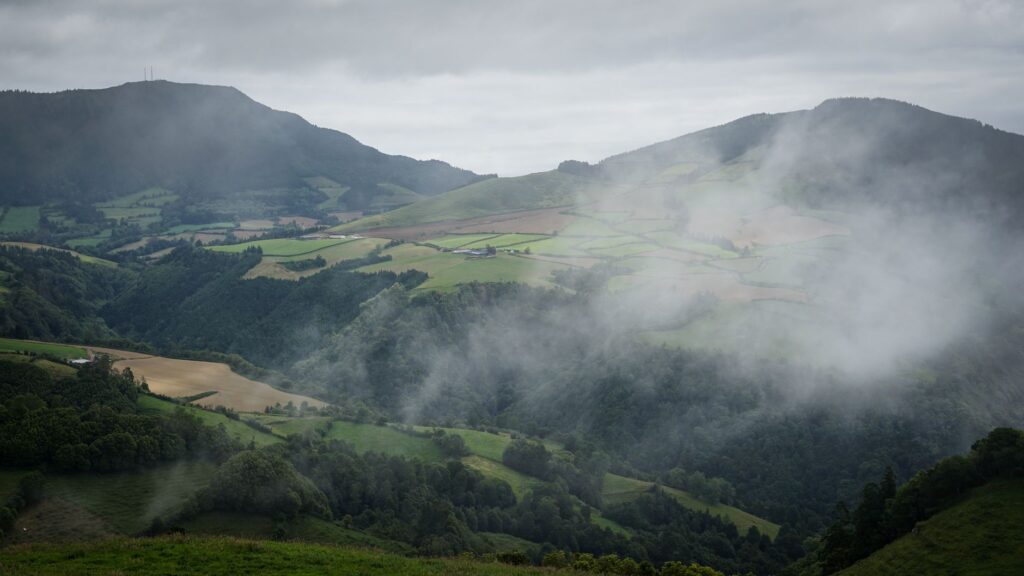
As the convoy gains altitude and penetrates the heart of the cordillera, the landscape undergoes a radical metamorphosis. Agricultural lowlands give way to narrow gorges where rock walls appear to block the railway’s path. Traversing the Beyos gorge and the proximity of the Ponga Natural Park clearly illustrates the harshness of northern orography. Here, sunlight barely penetrates during the central hours of the shortest days of the year, generating an atmosphere of introspection and mystery.
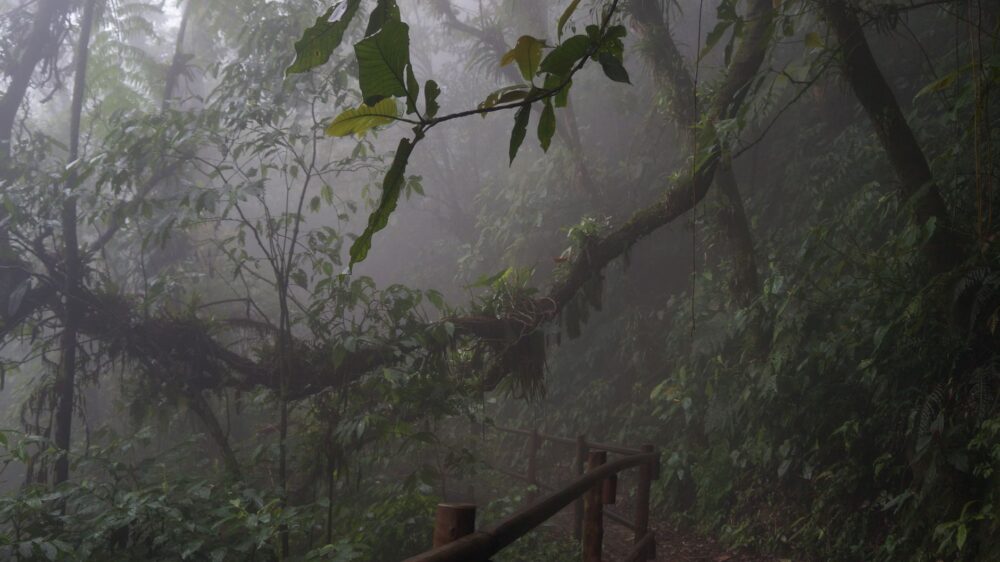
This geographic transition also signals a clear shift in the vegetative cover. Oak and beech woods yield ground as Atlantic humidity permeates the environment, transforming the forest floor into a green tapestry where ferns and mosses thrive without interference. The steady clatter of wheels over rail joints acts as a continuous reminder of the mechanical pulse that conquers these natural abysses.
The railway does not merely link geographic points on a map; it weaves an invisible network of collective memory connecting past mining labor with the serene contemplation of the modern traveler.
The journey invites observers to view geology not as a static obstacle, but as a living organism. Rock strata, folded over millions of years by titanic tectonic forces, expose the Earth’s scars in a manner as educational as it is imposing. Passengers, comfortably seated in restored salons, witness this visual display while the train winds along at a speed that allows for a thorough appreciation of every relief detail.
The Influence of Indiano Architecture in the Receiving Valleys
As the train descends toward Asturian lands, the architectural landscape is enriched by mansions built by emigrants who crossed the Atlantic and returned with fortunes to their homeland. The Indiano manor houses, surrounded by palm trees and exuberant gardens, introduced an eclectic aesthetic language that contrasts sharply with traditional stone and timber livestock buildings. These structures reflect an era of economic prosperity and a desire for modernity that radically transformed the profile of the river valleys.
An analysis of these structures reveals a clear intent to integrate into the pre-existing landscape. Glazed galleries oriented south to capture solar heat, ceramic tile roofs, and lookout towers configure an architectural heritage that now acts as a witness to human mobility and cultural exchange. The passage of the railway facilitated the supply of materials and connected these architectural gems with the rest of the Cantabrian coast.
Life Around the Tracks: The Pulse of Local Communities
The rhythm of the Robla Express also sets the tempo for the small towns punctuating its route. Places that once depended exclusively on extractive industries have successfully reinvented themselves, finding a sustainable future through ecotourism and the revaluation of their heritage. Stops at these secondary stations allow travelers to engage directly with a robust, honest gastronomy deeply tied to the resources of the mountainous environment.
Local markets offer products such as artisanal raw milk cheeses, crafted in mountain passes inaccessible during winter months, and cured meats smoked over traditional hearths. This culinary culture, originally conceived to provide necessary calories during harsh outdoor labor, constitutes today an intangible heritage of incalculable value, preserved thanks to generational handover and visitor interest.
Protected Biodiversity and Ecological Corridors
The strip of land traversed by the railway inadvertently acts as a vital ecological corridor for Cantabrian wildlife. Flanked by protected natural spaces, the occasional presence of wild fauna adds an element of excitement and respect for the natural environment. Engineers and conservationists currently work to minimize acoustic and lighting impacts, ensuring that the convoy’s passage does not alter the reproductive habits of native species.
Conservation policies in this region prioritize defending native forests against the intensive forestry plantations of the past. The recovery of clean river channels supports stable populations of brown trout and the gradual reappearance of emblematic species that had retreated under human pressure during industrial centuries.
Practical guide
How to get there: The main departure point for the Robla Express is León station, perfectly connected to Madrid and other major capitals via high-speed rail and highway services. It is also possible to begin the journey from Bilbao or in reverse from Oviedo.

When to travel: Spring and autumn months offer the most stable weather conditions and an exceptional chromatic spectacle in riparian forests and beech woods. Winter, though harsher, provides a unique mystical dimension with snow-capped peaks.
Recommended duration: It is advisable to reserve at least four full days to complete the classic itinerary with technical stops, cultural visits to mining museums, and time to hike local trails.
Accommodation on board and ashore: The train features private compartments equipped with all modern conveniences, combining the classic aesthetics of Pullman cars with contemporary comfort. Overnight stays are typically held at fixed stations to ensure passenger rest.

Booking tickets: Due to high demand and the limited capacity of the historic convoys, booking several months in advance through official Renfe Tourist Trains channels is essential.
Luggage advice: Technical footwear with high-traction soles is recommended for walking excursions over damp terrain, along with layered clothing, as thermal oscillation between deep valleys and high altitudes can be significant even in summer.
The Final Echo of the Rails in the Traveler’s Memory
As the journey reaches its end and the locomotive’s whistle fades at the destination station, the prevailing sensation is that of having participated in an experience that transcends conventional tourism. The Robla Express offers no ephemeral artifice, but rather a deliberate, unhurried immersion in the geography and deep history of northern Spain. It stands as a constant tribute to human effort, the overcoming of geographical boundaries through engineering, and respect for a natural environment that, despite industrial scars, retains its capacity to astonish.
The visual and auditory memory of this route—the metallic creaking on suspension bridges, the intense green of ferns under persistent drizzle, and the imposing silhouette of limestone peaks—remains etched in the traveler’s spirit as a reminder that the finest journeys are those demanding time, attention, and an open gaze toward the complexity of the world.