
Introduction to the realm of stone and wind in the Tatras
The Tatra mountain range, acting as a natural border between Slovakia and Poland, represents the highest and most alpine section of the entire Carpathian arch. In this territory of sharp peaks, glacial cirques, and unstable scree slopes, wildlife has had to develop complex physiological and behavioral adaptations to endure long months of extreme winter. Among the most iconic species of this high-altitude ecosystem is the alpine marmot (Marmota marmota), a social rodent whose colonies structure much of the trophic and landscape dynamics of the meadows situated above the tree line.
Throughout this report, we will examine how scientific research and binational conservation programs monitor the populations of this herbivorous mammal. We will analyze the impact of climate change on their hibernation cycles, the influence of summer tourism on their territorial behavior, and the practical keys to observing this species with scientific rigor and environmental respect in the heart of Central Europe.
Geological origins and high-altitude climatology
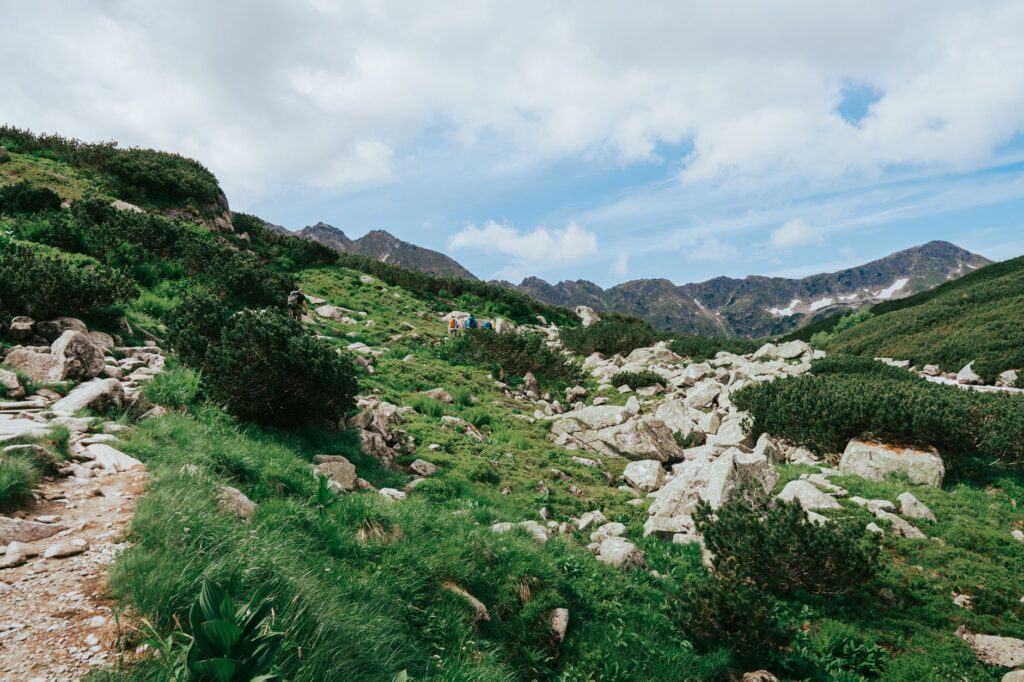
The Tatras were formed during the Alpine orogeny, a tectonic process that elevated crystalline granite and metamorphic rocks to over 2,600 meters of altitude in summits such as Gerlachovský štít. During the Pleistocene, massive glaciers carved U-shaped valleys, leaving behind moraines and basins that today host high-altitude lakes, known locally as plesa. This geology determines a very particular substrate, characterized by accumulations of rock blocks fragmented by gelifraction, known as talus.
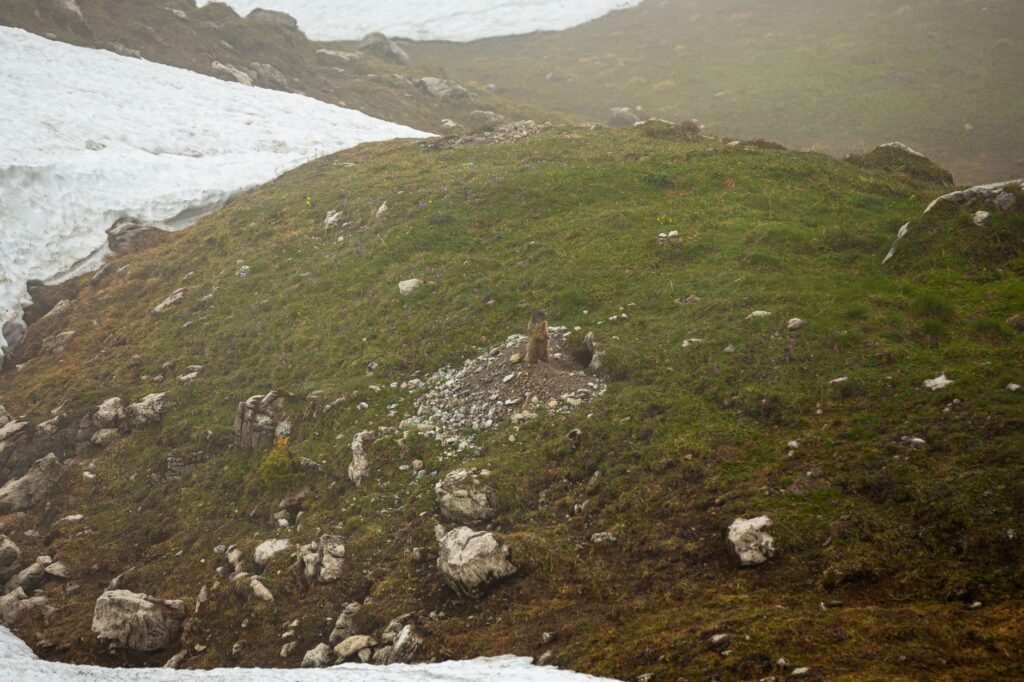
The climate in this sector of the Carpathians is markedly continental and alpine. Mean annual temperatures remain below freezing in the upper elevations, and the ground stays snow-covered for an average of six to seven months a year. This climatic severity imposes a very narrow phenological window for wildlife activity, forcing species like the marmot to concentrate their vital cycle of feeding, reproduction, and fat storage into barely four summer months.
Biology and social ecology of Marmota marmota
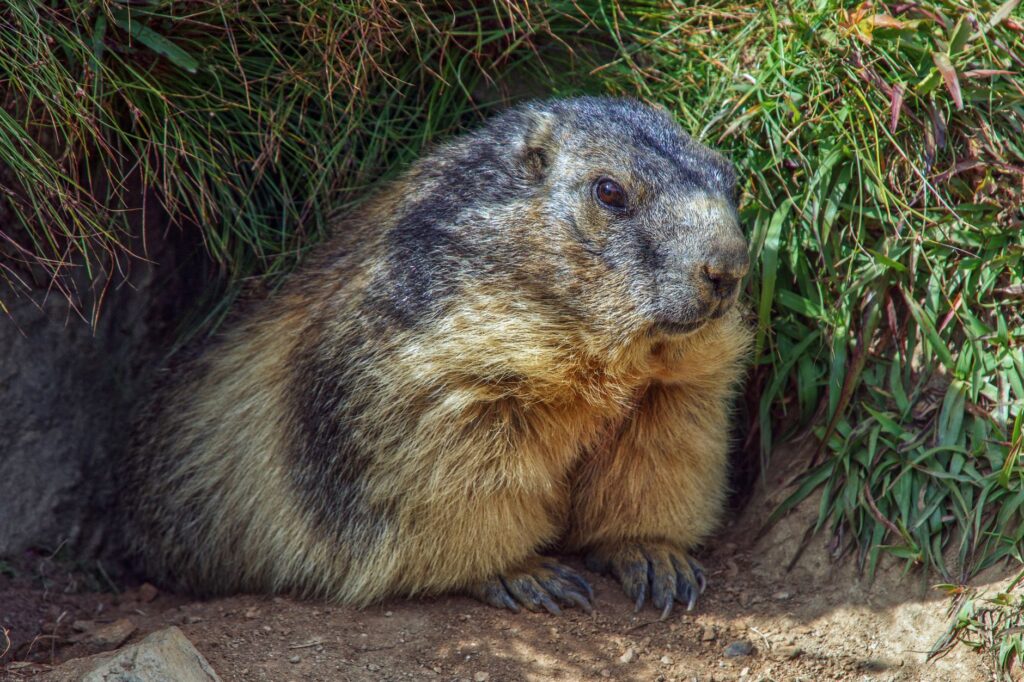
The alpine marmot is the heaviest rodent in the European fauna and shows a perfect adaptation to life in subterranean burrows. They live in complex family structures composed of a dominant breeding pair, offspring from previous years, and current-year pups, forming clans that can reach up to twenty individuals. This social structure is not accidental; collective thermoregulation during the long winter hibernation is vital for the survival of the youngest individuals.
The burrows consist of deep galleries descending several meters below the surface, excavated beneath the permanent frost layer. Inside, the main chamber is lined with dry hay collected during the summer with meticulous precision. During hibernation, which lasts from October until April or May, the marmot’s metabolism undergoes a drastic drop: its heart rate falls to barely two or three beats per minute, and its body temperature decreases until it approaches that of the subterranean environment.
Feeding dynamics and ecological role in alpine meadows
The diet of the alpine marmot is strictly herbivorous, based on a very precise selection of grasses, legumes, and high-mountain flowers. They prefer species rich in proteins and lipids that grow in alpine pastures, such as alpine clover and various grasses of the genera Poa and Festuca. Their foraging activity concentrates in the early morning hours and at dusk, avoiding the hours of highest summer solar radiation.
The ecological impact of the marmot transcends its own species, acting as a true ecosystem engineer. By excavating their burrows, they churn the soil and promote nutrient cycling, creating microhabitats where nitrophilous plants proliferate, diversifying local flora. Furthermore, their abandoned galleries serve as an indispensable refuge for numerous alpine bird species, small mammals, and even reptiles and amphibians seeking protection from the severe climate.
The impact of climate change on hibernation cycles
Data gathered by field biologists in Tatra National Park show a concerning alteration in the phenological patterns of the alpine marmot due to global warming. Rising average spring temperatures cause premature melting, which in appearance would extend the active period; however, late, erratic snowfalls and sudden frosts destabilize the delicate metabolic balance of the animals.

Likewise, the decrease in accumulated snow cover reduces the natural thermal insulation of the soil during the coldest months. As a consequence, marmots consume body fat reserves at a faster rate to maintain a safe basal temperature inside their burrows, which increases winter mortality rates, especially among juveniles and those born late in the previous season.
Tourist pressure and trail management in the alpine habitat
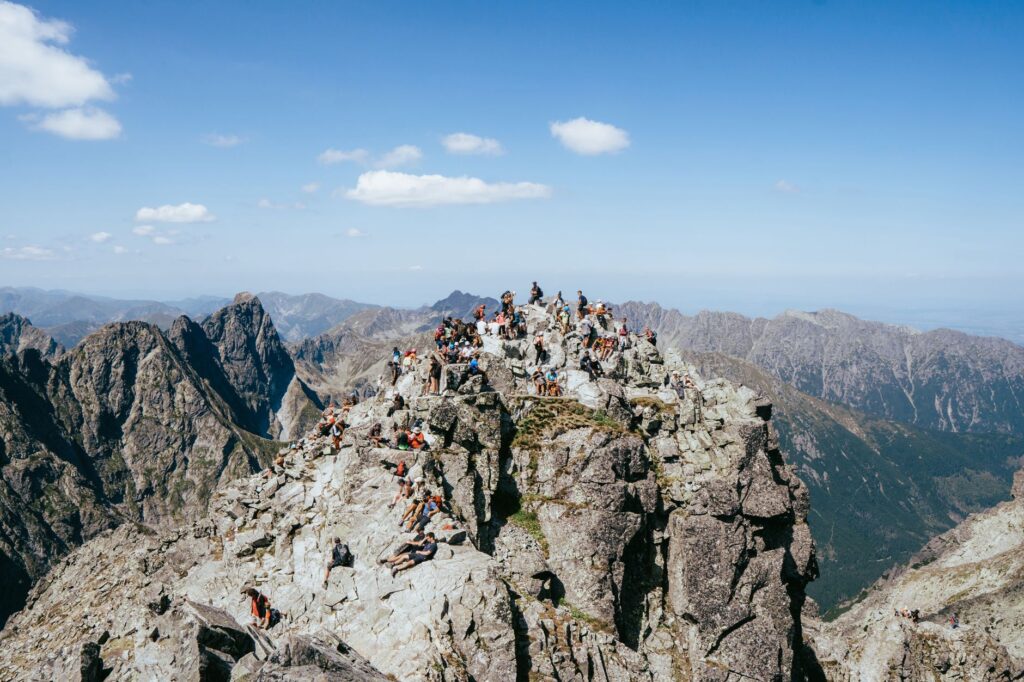
The Tatras receive millions of visitors each year, drawn by the network of perfectly marked trails traversing glacial valleys and cols. While much of the tourism concentrates on main routes, the opening of new access points and off-trail hiking generate significant acoustic and visual pressure in the marmots’ camping zones.
When animals perceive constant human presence, they increase the time dedicated to vigilance at the expense of feeding. The characteristic warning whistle—a high-pitched vocalization emitted to alert conspecifics of the presence of golden eagles, foxes, or humans—consumes energy and generates chronic stress. The park administration has applied strict restrictions in certain strict reserve areas for years, prohibiting transit outside authorized paths between autumn and spring.
The conservation of high mountains depends not solely on legal protection on paper, but on our collective capacity to understand that every shared trail is a commitment to the fragility of natural cycles.
Scientific research and binational monitoring programs
To assess the health of Marmota marmota populations, researchers from Slovak and Polish institutions conduct coordinated annual censuses during July, a period when individuals are easiest to observe sunbathing on rocks. Through visual mark-recapture techniques, as well as the placement of radio transmitters on selected individuals, demography, survival rates, and the dispersal of young individuals to new territories are studied.
The results of these studies allow authorities to adaptively manage tourist flows. If a persistent decline in the number of weaned pups is detected in a given sector, secondary viewpoints are temporarily closed or long-distance trails are temporarily rerouted to guarantee the reproductive tranquility of local colonies.
Practical guide
Planning a responsible observation visit to the alpine marmot’s habitat in the Tatras requires meteorological rigor, respect for park regulations, and appropriate high-mountain equipment.
- Best time to visit: Between June and September. During these months, snow recedes from the main meadows and marmots display maximum summer activity.
- How to get there: The main access to the Slovak Tatras is via the city of Poprad, connected by train and plane. From there, mountain trams and local buses connect with resorts such as Tatranská Lomnica or Štrbské Pleso. On the Polish side, Zakopane acts as the neuralgic base.
- Photographic and optical equipment: Good quality binoculars (8×42 or 10×42) and telephoto lenses of at least 300 mm or 400 mm are essential. Approaching closer than thirty meters to a colony alters their behavior and is strongly discouraged.
- Conservation regulations: Camping outside authorized shelters, lighting fires, flying drones, or leaving marked trails is strictly prohibited. Fines for disturbing protected wildlife are high and strictly enforced.
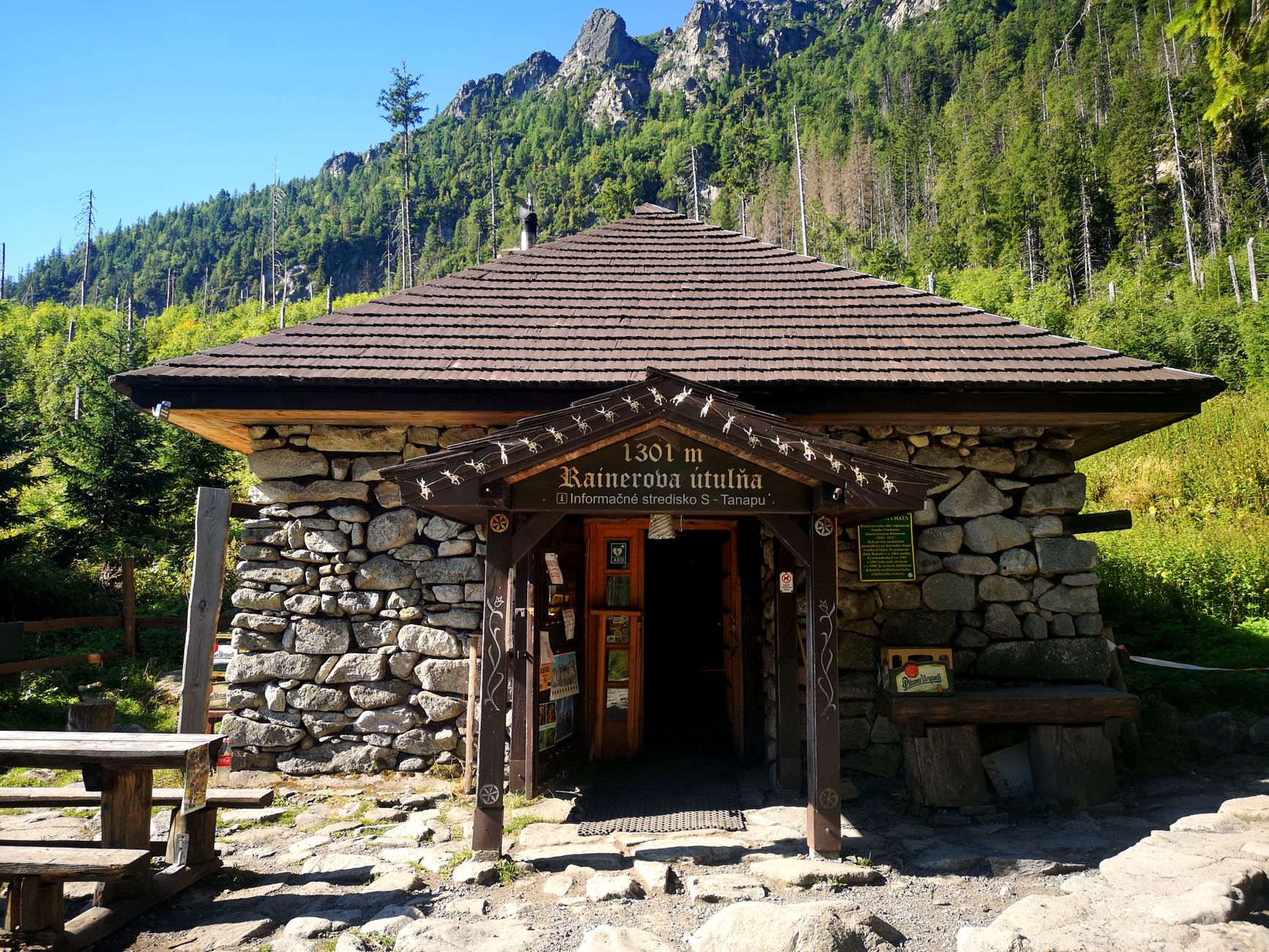
- Recommended accommodations: Using traditional mountain huts (such as Chata Téryho or Chata pod Rysmi) allows overnight stays at high altitudes and enjoyment of dawn observation when day-hiker crowds are minimal.
The final pulse of stone: reflections before the last refuge
As the sun descends behind the granitic ridges of the Tatras, dyeing the rock walls an intense coppery hue, silence reclaims absolute dominion over the glacial valleys. In that moment of luminous transition, before nocturnal darkness imposes its freezing law beneath the surface, a final silhouette emerges atop an elevated boulder. It is the lookout of the colony, a veteran specimen whose scarred ears narrate several seasons of grueling winters overcome against the rigors of the weather.
Observing this ancient rodent in its alpine stronghold invites deep reflection on the resilience of life under extreme conditions. Marmots do not merely inhabit the mountain; through their constant presence and complex social structure, they sustain the biological health of a landscape that humans are only beginning to understand in its total complexity. Protecting this refuge in the Carpathians is preserving one of the purest pages of European natural history, a living reminder that safeguarding alpine biodiversity is, in essence, the defense of our own future on a changing planet.