
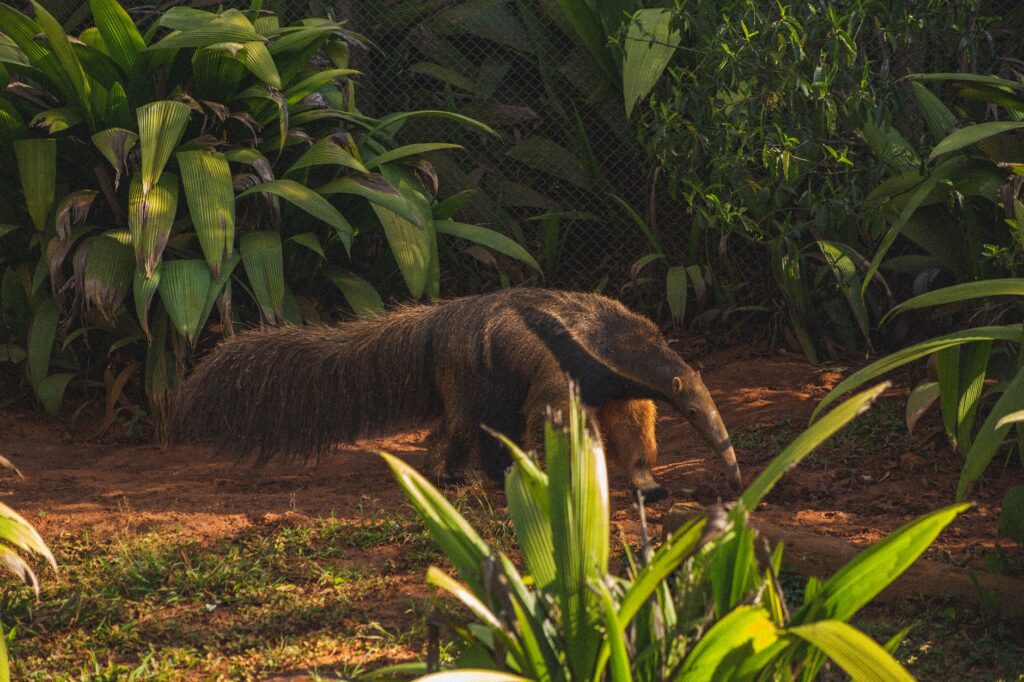
Across the vast expanses of the Orinoco basin, where the horizon dissolves into a golden mist and water dictates the rhythm of existence, one of the planet’s most singular mammals survives. The giant anteater, known locally as the palmero, deploys its prehistoric silhouette across the savanna grasslands with an anachronistic dignity. This territory, characterized by an unrelenting alternation between extreme droughts and fluvial overflows, constitutes the ultimate ecological refuge for a species whose morphological adaptations defy conventional evolutionary logic. Far from being a mere relic of remote times, the anteater represents a cornerstone in the regulation of savanna ecosystems, controlling social insect populations with an efficiency that contemporary science is only beginning to fully appreciate.
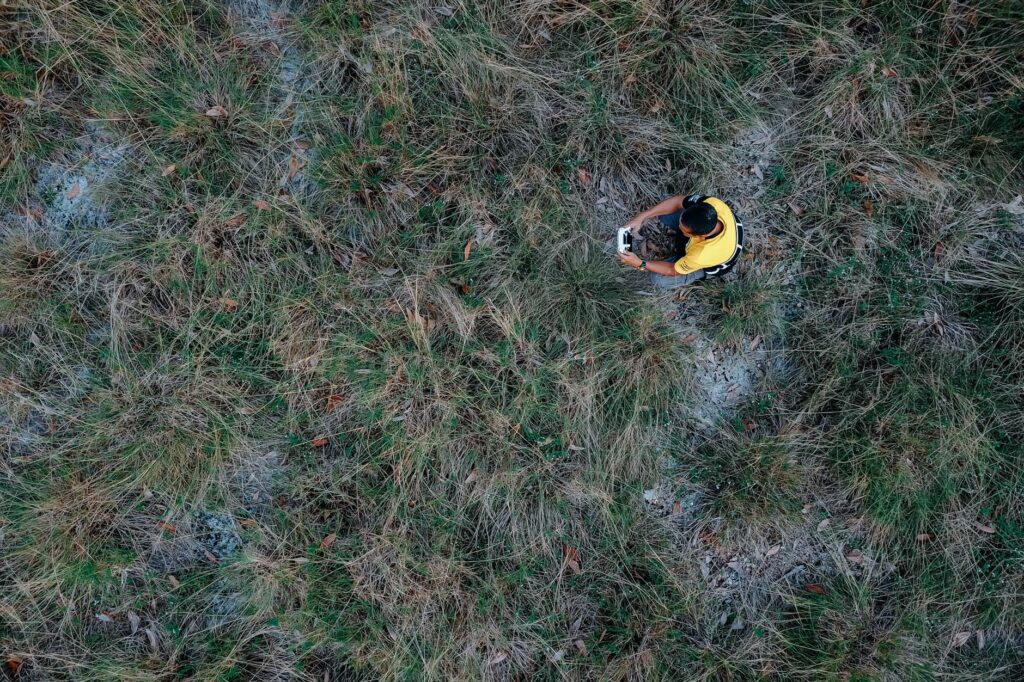
Approaching the conservation of this myrmecophagous giant in the flooded plains requires a rigorous examination of dynamic landscape changes. As agricultural pressure and habitat fragmentation threaten the continuity of biological corridors, local scientists and conservationists deploy acoustic monitoring and satellite telemetry strategies. These tools make it possible to track the movements of solitary individuals across extensive cattle ranches, revealing a surprising yet fragile adaptability in the face of rapid land-use transformation throughout the region.
The Architecture of the Flooded Savanna and Its Hydrological Dynamics
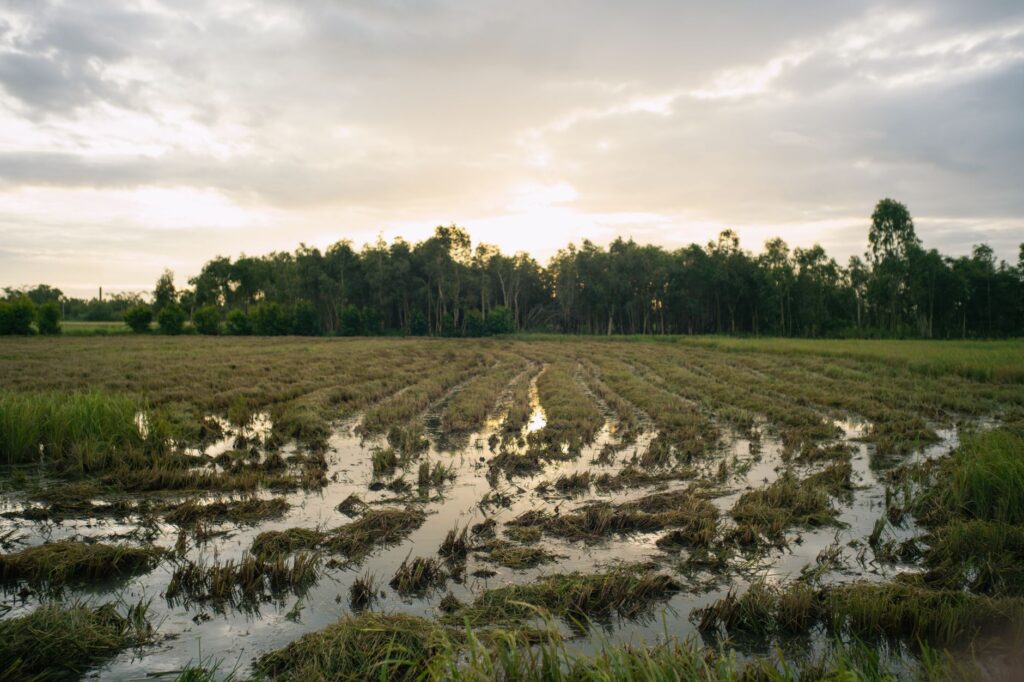
The natural habitat of the giant anteater is profoundly conditioned by the annual hydrological cycle. During the rainy season, much of the savanna turns into a vast wetland where esteros and oxbow lakes connect entire basins, forcing wildlife to seek refuge on sandy ridges and scarce gallery forest formations. This drastic reduction of usable space subjects local populations to seasonal ecological stress that tests their physical endurance and territorial behavior.

In contrast, the dry season transforms the territory into a mosaic of parched grasses and open savannas where fire, both natural and anthropogenic, reshapes the landscape within hours. The anteater, endowed with dense fur and a flag-like tail that acts as a thermoregulator, must navigate these extreme transformations in search of daily sustenance. The stability of these ecological corridors depends on preserving gallery forests, which serve both as shelter against high temperatures and as breeding grounds for the few offspring the species manages to raise each year.
Specialized Myrmecophagy: Anatomy of an Extreme Diet
The trophic specialization of Myrmecophaga tridactyla constitutes one of the most fascinating cases of coevolution in the animal kingdom. Completely toothless, this mammal has developed an elongated, tubular snout housing a vermiform tongue coated in viscous saliva, capable of projecting up to one hundred and fifty times per minute to capture ants and termites. Its jaw does not chew; instead, a muscular stomach equipped with internal folds grinds the hard exoskeletons of insects using sand and small stones ingested deliberately during feeding.
This hyperspecialized diet imposes severe metabolic restrictions. An adult giant anteater needs to consume tens of thousands of insects daily to maintain body temperature and muscle mass, forcing it to cover vast territorial distances without rest. However, its feeding strategy never entirely destroys an anthill or termite mound; it consumes a fraction and abandons the structure before the soldiers become lethal or the colony’s defensive toxins become intolerable, thereby ensuring the long-term survival of its food resource.
Demography and Solitary Behavior in Open Grasslands
The demographic study of the wild giant anteater presents formal methodological challenges due to its low population density and predominantly solitary habits. Except during brief courtship or when a mother carries her single offspring firmly attached to her back during the first months of life, individuals avoid close contact. Camera-trap censuses in the Orinoco region indicate extremely low densities, making each interconnected biological corridor a vital structure to prevent inbreeding and ensure long-term genetic viability.
The movement of these animals responds to complex spatial patterns combining topographic memory with the seasonal availability of insect colonies. Although they possess an extraordinary sense of smell—estimated to be roughly forty times sharper than that of a human—their eyesight and hearing are remarkably deficient, rendering them vulnerable to linear infrastructure such as roads without adequate signage or feral domestic dogs from peripheral cattle ranches.
The conservation of the giant anteater in the Llanos is not merely the protection of an emblematic species, but the safeguarding of the invisible ecological processes that sustain the health of the entire South American savanna.
Anthropogenic Threats: Fragmentation, Roadkill, and Cattle Ranching
Despite its wide historical distribution across the continent, the giant anteater is currently listed as vulnerable by the International Union for Conservation of Nature. In the Llanos, the accelerated expansion of the agricultural frontier, the conversion of native savannas into cultivated pastures for intensive cattle ranching, and the paving of secondary road axes have alarmingly fragmented the territory. Roadkill on rural highways now represents one of the primary causes of non-natural mortality for young adults in their prime reproductive years.
Likewise, uncontrolled fires set to renew pastures destroy not only the immediate habitat but also the insect colonies upon which the animal depends, causing episodes of starvation or forced displacement toward areas occupied by human settlements. In these marginal environments, the unfounded fear of some local residents, who mistakenly view the animal as a threat to livestock or crops, triggers direct conflicts that culminate in illegal capture or death by guard dog attacks.
Community Conservation Strategies and Habitat Restoration
Faced with this vulnerability landscape, various socio-environmental organizations and academic research centers promote participatory conservation initiatives in direct collaboration with cattle ranch owners. These actions include establishing private nature reserves, installing aerial and terrestrial wildlife crossings on critical highways, and environmental education campaigns aimed at rural communities to revalue the palmero as an indispensable biological controller of subterranean agricultural pests.
Rehabilitation and reintroduction programs for orphaned individuals—frequently victims of illegal wildlife trafficking or traffic accidents—have proven that, with rigorous scientific protocols for acclimatization and foraging skills training, healthy individuals can be successfully returned to their natural environment. These controlled releases are carried out exclusively in protected areas featuring constant satellite monitoring and a solid institutional social support base, ensuring that technical effort translates into a real increase in wild populations.

Practical guide
Planning an expedition to observe and study biodiversity in the Orinoco region requires logistical rigor, absolute respect for natural cycles, and a deep understanding of the territory’s climatic conditions.
Best time to visit: The dry season, spanning from December to April, facilitates land travel along rural roads and allows for clearer sightings of wildlife gathered around remaining water bodies.
How to get there: The main access is via commercial flights to Yopal or Villavicencio from Bogotá, followed by 4×4 vehicle journeys along secondary roads and savanna tracks toward ranches associated with scientific ecotourism.
Essential gear: Lightweight long-sleeved clothing in neutral tones to prevent extreme solar radiation, high-top waterproof footwear, high-luminosity binoculars, biodegradable repellent, and telephoto-equipped cameras to maintain a prudent distance.
Code of conduct: Approaching closer than fifty meters to any wild specimen, using artificial nocturnal light sources that alter foraging behavior, or interfering with local insect nests is strictly prohibited.
Watching the giant anteater cross the savanna at dusk is to witness the persistence of an ancient geological time that survives, fragile yet tenacious, in the untouched immensity of the eastern Llanos.
The future of the giant anteater in the Orinoco region remains closely tied to our ability to reconcile extensive agricultural production with the strict preservation of wild ecological corridors. Each individual traversing the savanna represents a silent triumph of evolution against the adversities of the Anthropocene. If we manage to secure the connectivity of these immense grasslands and mitigate the impact of our road infrastructure, future generations will continue to marvel at the unmistakable sight of this solitary wanderer, whose tireless tongue and unhurried march continue to write the living history of South America’s great natural spaces.