The Roots of Stone and Flavor
In the heart of Castile-La Mancha, where the gorges of the Júcar and Huécar rivers carve through rock with the patience of centuries, gastronomy is not merely an exercise in subsistence, but a living archive of memory. Cuenca, a city suspended between abysses and legends, houses within its urban fabric a secular temple where the pantry of the Serranía overflows its counters every morning: the Municipal Market. Here, the daily routine takes on the hues of an ancient liturgy in which farmers, herders, and shopkeepers rewrite an invisible pact with the land.
A crossroads of paths and a meeting point for shepherds, this high-altitude land has managed to preserve a harsh yet comforting recipe book, conceived to combat frosty winters and centuries of isolation. While contemporary travelers seek ephemeral avant-garde in fine dining, the province’s traditional kitchens champion the value of the immutable: raw produce, treated with the absolute respect demanded by a natural environment as demanding as it is beautiful.
The Architecture of Daily Provision
Built upon the grounds of former convents and monastic orchards, the market building reflects the functional sobriety of mid-20th-century supply architecture, reinterpreted through the golden light characteristic of the high plateau. Upon crossing its doors, the measured bustle of the vendors composes a familiar symphony blending accents from the capital and the surrounding mountain villages: Valdemeca, Tragacete, Uña, or Cuenca itself.
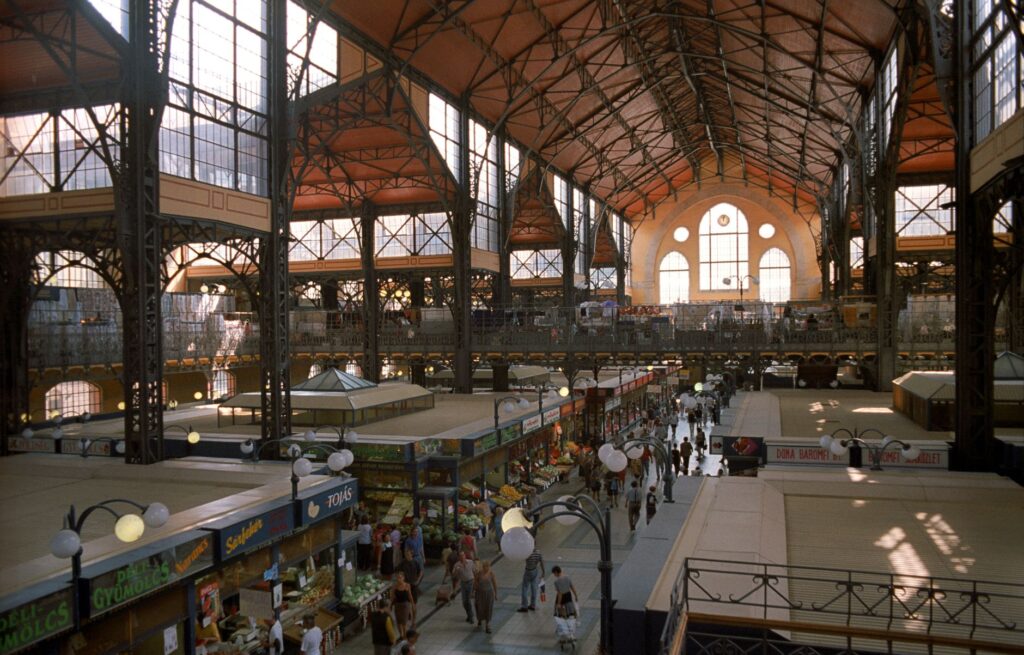
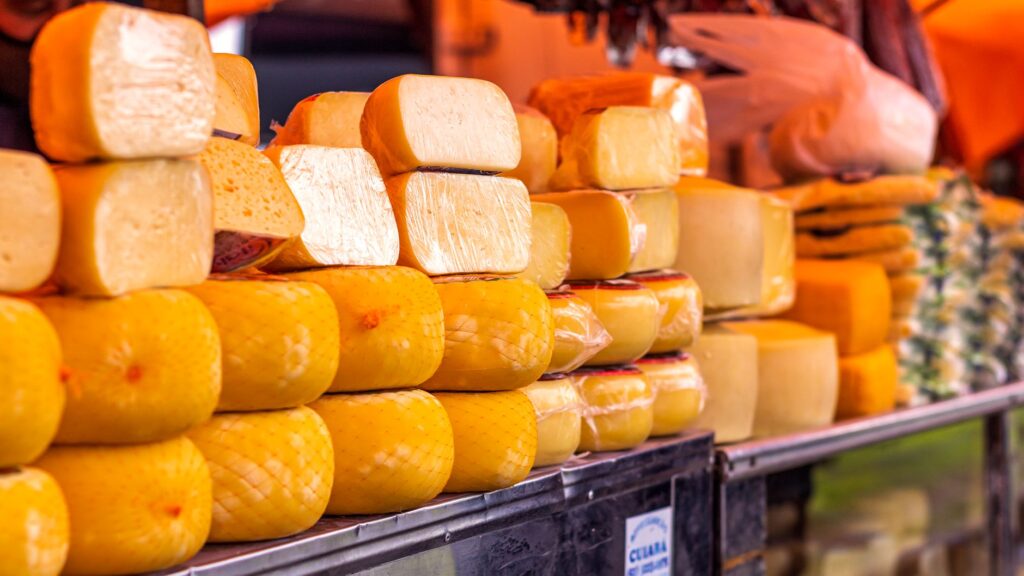
Stalls offering fresh fish, despite the inland distance, display catches arriving from Valencia and the Mediterranean thanks to historical transport routes that once crossed mountain passes. However, the true pulse of the market beats in the butchery and produce sections, where the earthy colors of autumn pine mushrooms yield to quality-assured meats and artisanal pressed cheeses crafted from Latxa and Manchego sheep’s milk.
The Ritual of Transhumance and High Pastures
Cuenca’s culinary history is, above all, the chronicle of its shepherds. For centuries, Merino flocks traversed the Cañada Real Conquense in search of the summer pastures of the High Serranía, a migratory flow that shaped both the landscape and the larder. Suckling lamb and preparations derived from ovine cuts occupy a central place in the local table, where the live fire of Holm oak wood acts as the great unifier of flavors.
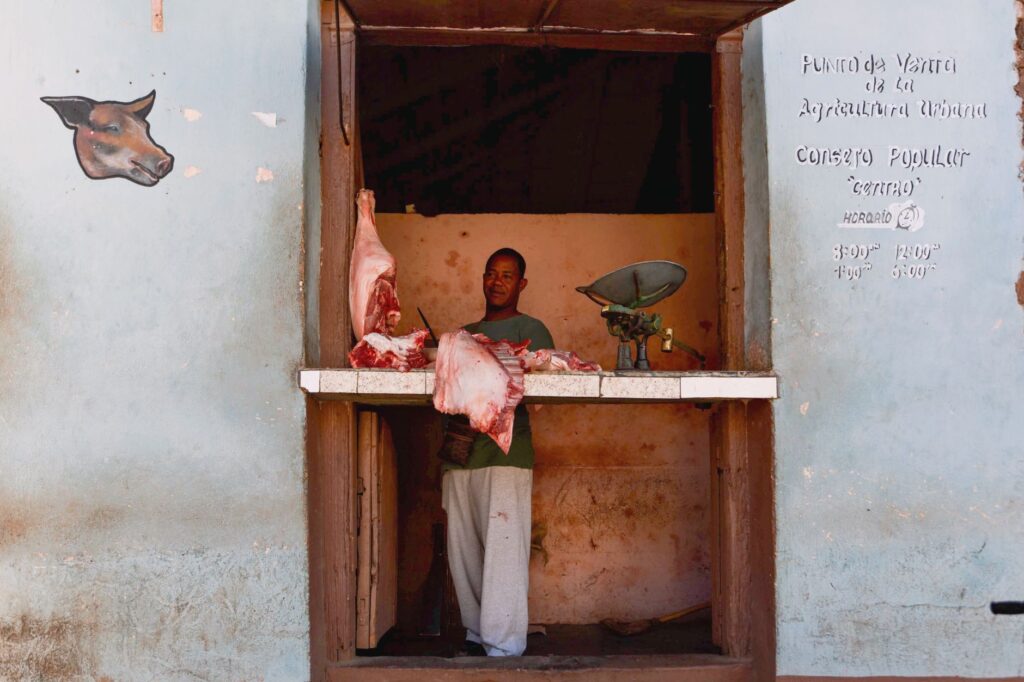
At the market stalls, butchers explain the origin of each cut with doctoral precision, detailing how the altitude and wild flora—savory thyme, rosemary, and winter savory—imbue the meat of free-roaming animals with distinct character. This direct link between ecosystem and plate constitutes the best-kept secret of a cuisine that rejects artifice.

The Edible Forests of the Serranía
When autumn paints the Scots pine and maritime pine forests in ochres and coppers, the Serranía de Cuenca transforms into the Iberian Peninsula’s mycological paradise. The market then becomes a showcase of fungal biodiversity: alongside the prized saffron milk cap (Lactarius deliciosus), displays feature porcini mushrooms (Boletus edulis), St. George’s mushrooms, and lesser-known species deeply rooted in local tradition, such as poplar mushrooms.
Foraging for wild mushrooms is not merely a seasonal economic activity, but a genuine cultural immersion. Local experts select specimens with the precision of a goldsmith, discarding dubious examples and advising buyers on the best preparation methods: barely a touch of extra virgin olive oil, tender garlic, and a whisper of salt in a cast-iron skillet.
Big Game and the Recipe Book of Patience
The forested expanse of Cuenca sustains a robust population of wild boars, red deer, and roe deer, whose presence dictates the rhythm of traditional stews. Dishes such as morteruelo—a warm pâté made from pork liver, game, and spices thickened with breadcrumbs—or gazpacho pastor—locally known as gazpachos galianos, prepared with torn unleavened flatbreads and game broths—demand hours of simmering and absolute mastery of timing.
The cuisine of the Serranía does not seek to dazzle the diner with impossible techniques; its greatness lies in the memory of the ingredients and the infinite patience of the slow fire.
In the taverns of the old town and the country inns of the mountain villages, these dishes are served alongside characterful red wines from neighboring designations of origin that find a perfect match in the robust nature of game meat. The sobriety of the dish contrasts with the generosity of the after-dinner conversation, where tales of mountain bandits come alive by the hearth.
Bread, Olive Oil, and the Fruits of the Floodplain
Along the Júcar and Huécar rivers lies a network of traditional market gardens supplying the market with leafy greens, intensely flavored tomatoes, and high-quality legumes. The region’s pinto beans, cooked with cured chorizo and a paprika sofrito, form part of the everyday repertoire sustaining the city’s pulse.
Bread, baked in wood-fired ovens with sourdough and strong wheat flours, boasts a crisp crust and a dense crumb capable of absorbing the most complex juices. Spread with extra virgin olive oil from the province’s southern groves, it becomes the mandatory breakfast for early risers visiting the market before dawn breaks.

The Secrets of Convent and Popular Pastries
Cuenca’s confectionery draws upon Moorish influence and the fervor of ancient cloistered convents. Alajú—a confection composed of almonds, boiled honey, breadcrumbs, and spices, pressed between two wafers—is the province’s pastry standard-bearer, a direct heir to the Andalusian tradition.
Alongside it, village-style torrijas, almond mantecados, and anise rings complete a catalog of flavors where Alcarria honey and nuts act as guiding threads. Each bite encapsulates centuries of cultural exchange and adaptation to a geographic environment as beautiful as it is austere.
Practical guide
Planning a gastronomic visit to Cuenca and its surroundings requires respecting local rhythms and seasonal shifts.
- Getting There: Cuenca is connected to Madrid and Valencia via high-speed rail (AVE), sitting less than an hour from both capitals. Road access is available via the A-40 highway.
- When to Go: Autumn offers the mycological and landscape spectacle of the pine forests, while spring stands out for the lushness of the gorges and the river gardens. Winter is ideal for enjoying game stews.
- The Municipal Market: Open Monday through Saturday during morning hours (8:00 AM to 2:00 PM). Visiting between 9:00 AM and 11:00 AM is recommended to witness peak commercial activity and select fresh produce.
- Recommended Accommodation: The Parador de Cuenca, located in the former Convent of San Pablo opposite the Hanging Houses, and various boutique hotels rehabilitated within the medieval historic center.
- Local Product Shopping: Artisanal sheep’s cheeses, Alcarria honey, traditional alajú, and preserved wild mushrooms at specialized downtown establishments.
The Human Pulse Behind the Counter
Beyond ingredients and recipes, the soul of Cuenca’s Central Market resides in its people. Behind each worn marble counter accumulate decades of family histories, generational handovers, and a profound encyclopedic knowledge of the produce. At a time when impersonal superstores tend to homogenize consumption, this food market survives as the last bastion of informed shopping and human interaction.
Conversing with vendors allows visitors to decipher the province’s true invisible map: learning which shepherd crafts the season’s finest cheese, which day the tenderest game arrives, or in which exact shady grove of the Serranía the first porcini mushrooms have sprouted following September rains. It is this constant dialogue between producer and consumer that grants Cuenca’s gastronomy its most authentic and enduring dimension.
Preserving the memory of traditional markets ensures the survival of our most intimate identity; their aisles measure the cultural health of a community.
As the sun sets over the gorges and the lights of the ancient city begin to silhouette against the twilight sky, Cuenca recovers the quiet of millennial places. In homes and taverns, clay casseroles continue to exhale ancestral aromas, reminding the traveler that a territory’s true wealth is measured not by its stone monuments, but by its people’s capacity to transform the earth’s bounty into a daily act of affection and culture.