
The harbor basin where the Adriatic sets the morning rhythm
The first morning light over the Kvarner Gulf illuminates Rijeka’s docks with a metallic clarity, announcing a day where fishing and tradition converge without friction. In this Adriatic corner of Croatia, daily life is not improvised in modern kitchens; it is built upon the foundations of a port heritage that has spent centuries exchanging aromas, ingredients, and recipes with the rest of Europe. The hum of commercial harbor engines blends with the murmur of residents walking toward the historic heart in search of the products that will define the family lunch. Here, the territory is not merely a geographical backdrop, but an active ingredient that infuses every dish with the salinity of the gulf and the lushness of the surrounding hills.
Along the cobbled streets of the center, pastel-toned facades and stone arcades shelter shops where time seems to flow with a deliberate cadence. Local restaurateurs and individual shoppers share an unwritten code: absolute respect for seasonal produce and local provenance. There is no room for fleeting trends in traditional counters; what is offered each morning responds to what the sea has willingly delivered and what the land has matured under the Mediterranean sun. This intimate relationship between the natural environment and the everyday table shapes a deeply rooted culinary identity, far removed from the artifices of mass tourism and fiercely protective of its authenticity.
The central market: the covered square where Kvarner’s recipes pulse
The main building of the central market, with its wrought-iron and glass structures erected in the late nineteenth century, functions as the true civic stomach of the city. Beneath its vaults, fish stalls display an unmatched marine biodiversity: glistening seabass, rock-caught gilthead bream, Kvarner prawns of intense coral hue, and octopuses caught near the islands of Krk and Cres. Local fishermen and women, weathered by the bora wind, serve their clientele with the familiarity of those who have shared a neighborhood and memory for decades. Each transaction is accompanied by brief advice on cooking times and the virtues of the catch just unloaded from the boats.
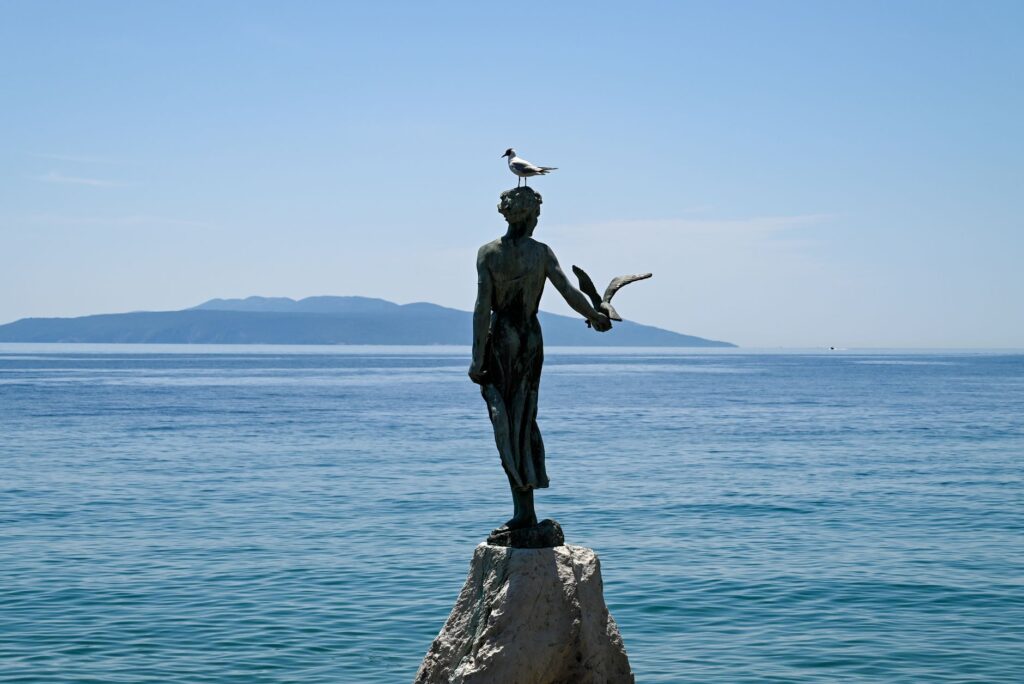
A few yards from the fish halls, the outdoor arcades and wooden tables host the agricultural section, where small producers from the inland valleys and the slopes of Gorski Kotar display seasonal vegetables, wild herbs, and artisanal sheep cheeses. Older women arriving with their shopping carts meticulously examine wild chard, fresh figs, or celery roots, essential ingredients for broths and stews that have sustained generations of coastal dwellers. In this space, daily shopping transforms into a social ritual where people negotiate, converse, and transmit an intangible heritage that survives thanks to the constancy of its inhabitants.
The Austro-Hungarian influence and the fusion of seafood cuisine
Rijeka’s cuisine cannot be explained solely from a Mediterranean perspective; its past under Habsburg rule left an indelible mark on local pantries. Traditional recipes combine the lightness of oven-baked fish with olive oil and garlic with heartier preparations inherited from Central Europe. It is common to find dishes on the menus of traditional taverns and *konobe* where the aromas of Central European spices coexist with the freshness of coastal herbs, creating a singular gastronomic profile that distinguishes this coastal strip from the rest of Dalmatia or Istria.
Homemade pastas, such as *fuži* or *pljukanci*, are kneaded daily in family workshops and usually served alongside game sauces or seafood depending on the season. The use of lard in certain winter preparations, the presence of wild boar stews with polenta, and pastries based on nuts, honey, and apples remind visitors that forested mountains are just a step away from the seashore. This dual soul, maritime and alpine, endows the local table with extraordinary versatility that surprises travelers willing to look beyond standardized menus.
Rijeka’s cuisine is the exact reflection of its history: a permanent bridge between the open sea and the forested inland mountains.
Wine and vineyards: local vintages accompanying the Adriatic table
No meal in this region is considered complete without a wine that expresses the mineral characteristics of the karst soil. In the hills surrounding the city and on nearby gulf islands, local winemakers have revived native grape varieties such as *Žlahtina* or *Malvazija istarska*, white wines with balanced acidity and saline notes that enhance the flavor of grilled white fish. These wines, produced with environmentally respectful methods, are the result of a titanic effort to cultivate vines on stone terraces exposed to the rigors of the coastal climate.
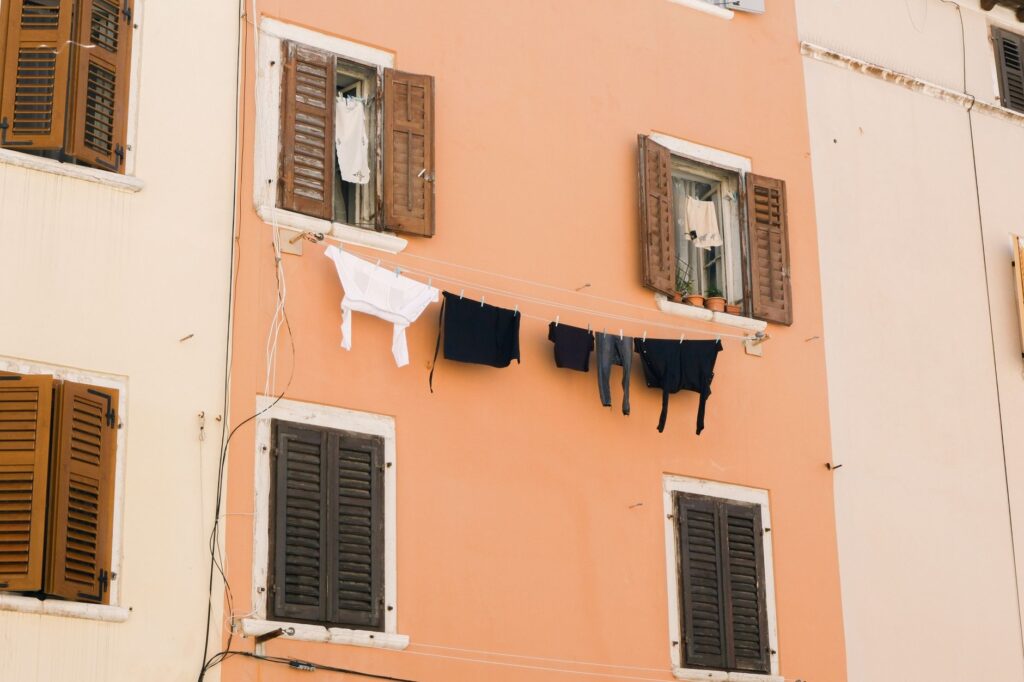
In small family wineries, tasting becomes a lesson in geography and liquid history. Producers explain how the bora wind, descending cold and dry from the snowy inland peaks, cleanses the grapes and prevents disease, ensuring a healthy harvest without chemical excesses. For heartier meat or game dishes, reds made from the *Teran* grape provide earthy and fruity notes that complement the richness of traditional stews. The wine culture in Rijeka is, above all, an exercise in community persistence and attachment to the land.
Bread and the tradition of the neighborhood oven in daily life
The aroma of freshly baked bread permeates the residential streets of the upper neighborhoods before dawn breaks. Traditional bakeries, many operating for over half a century, continue to produce slow-fermented sourdoughs yielding loaves with crisp crusts and dense crumbs. This daily bread is fundamental to the Croatian diet, accompanying simple breakfasts with olive oil and tomato as well as more elaborate seafood lunches. Wheat and rye flour thus become the guiding thread linking life in working-class neighborhoods with the bustle of the historic center.
Far from mass commercial circuits, small neighborhood bakeries keep almost forgotten recipes alive, such as sweet rolls flavored with anise and citrus peel perfuming Sunday mornings. Residents visit these establishments not only for product quality but for the neighborhood exchange fostered there. Chatting about the weather, tides, or market prices is part of a community routine that resists with dignity against the homogenization of large supermarkets.
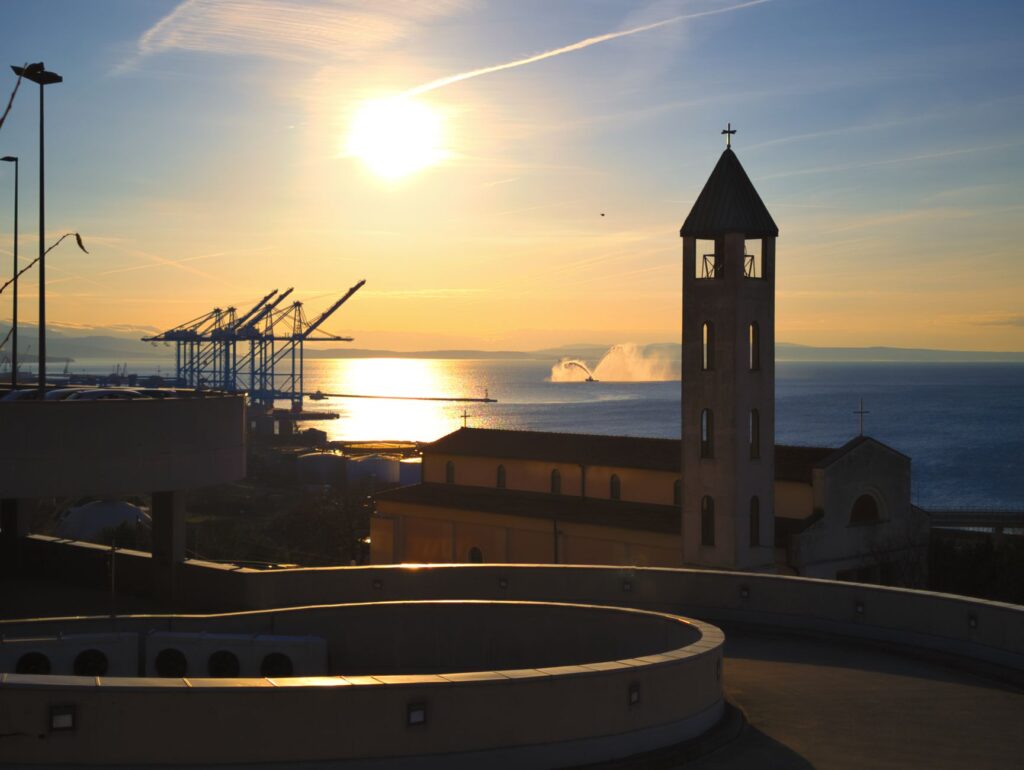
Responsible practices to enjoy the local culinary heritage
The visitor arriving in Rijeka with the intention of understanding its gastronomic culture acquires an implicit responsibility: consuming with judgment and respect for environmental resources. Supporting small producers at the central market, choosing taverns that work exclusively with artisanal inshore fishing, and rejecting foreign fast-food chains are daily decisions guaranteeing the survival of traditional commercial fabric. Sustainability in this Adriatic port is not an abstract marketing concept, but a practice of cultural survival depending directly on the choices of each consumer.
Likewise, respect for local schedules and rhythms is part of harmonious coexistence. Main meals are taken leisurely, valuing product and conversation over haste. When strolling through historic neighborhoods, maintaining a low profile, avoiding unnecessary plastics, and purchasing local crafts directly from their creators are strongly encouraged. In this manner, travelers integrate as temporary members of the community, helping preserve the authenticity of a destination refusing to lose its maritime soul.
Practical guide
How to get there: Rijeka has good bus and train connections from Zagreb and other major Croatian cities. Rijeka Airport is located on the neighboring island of Krk, connected to the city center by coach services.

When to visit: Spring and autumn offer optimal temperatures to tour outdoor markets and enjoy seasonal gastronomy without tourist crowds.
Where to eat: Prioritize traditional taverns (*konobe*) located in the side streets of the old town and near the central market to taste fresh fish and homemade stews.
What to buy: Extra virgin olive oil from the Kvarner region, artisanal cheeses from neighboring islands, lavender honey, and local white wine *Žlahtina*.
Etiquette: It is customary to greet staff when entering small establishments (*Dobar dan*) and leave a moderate tip in restaurants if service has been satisfactory.
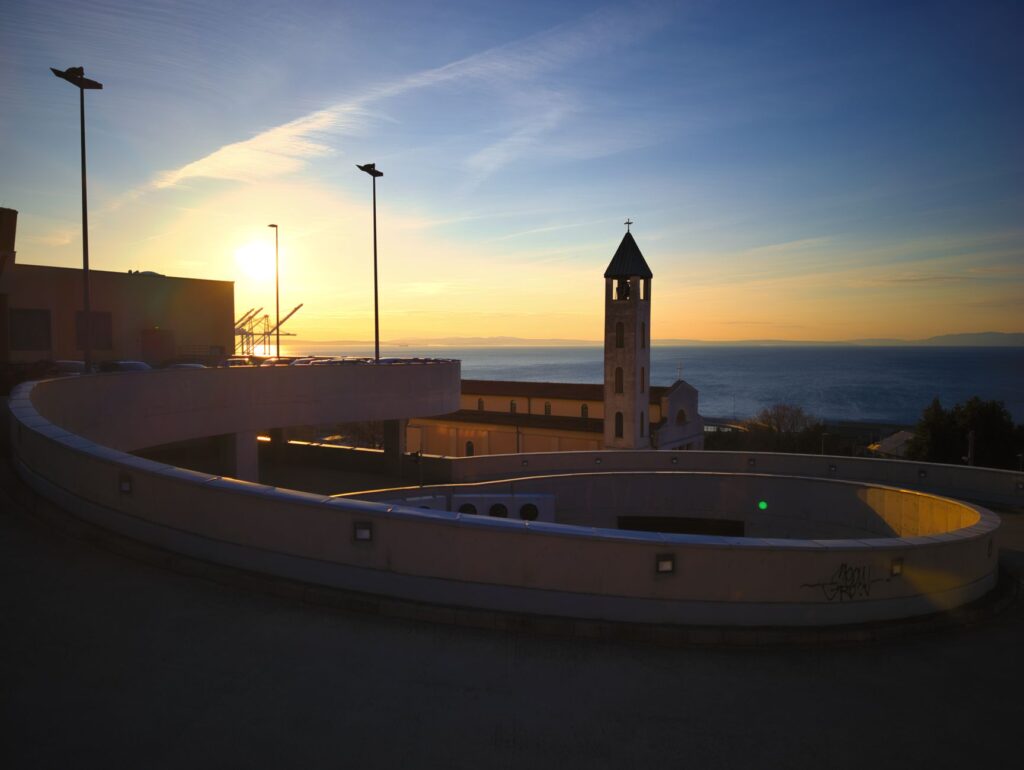
Accommodation: Opt for small family-run hotels or tourist apartments managed by local residents in the historic center to support proximity economy.
The eternal pulse of the gulf
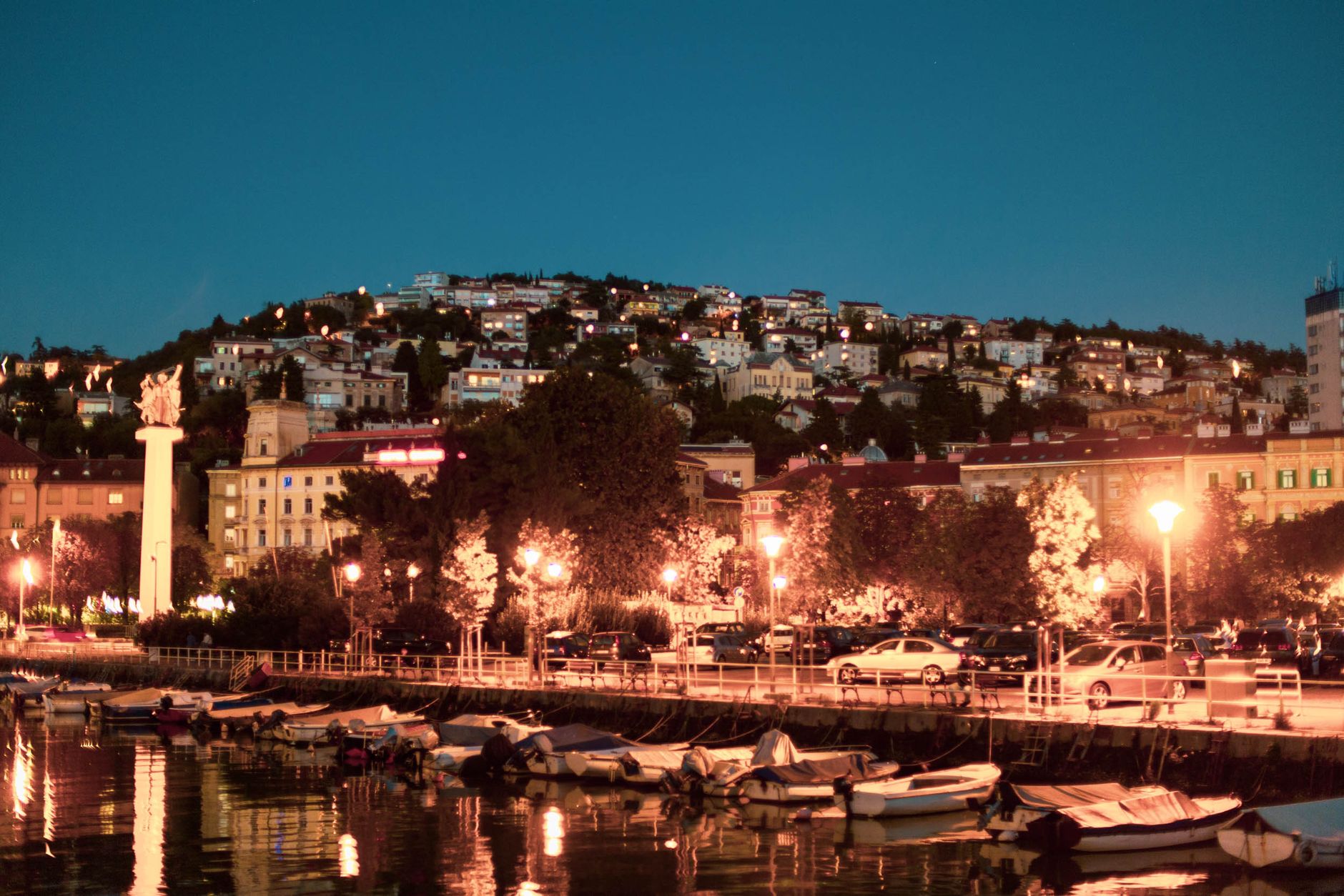
As evening falls, when fishing boats moor once again at the docks and streetlamp lights reflect on the calm harbor waters, Rijeka recovers its most intimate serenity. Café terraces fill with residents enjoying coffee or a glass of local wine, discussing the day’s events with the naturalness of those inhabiting a place with its own history. The Croatian table bids farewell until the next day with the certainty that the flavors of the Adriatic, forged between sea salt and the warmth of traditional ovens, will remain the invisible heartbeat uniting an entire community around its most precious heritage.