
Agricultural Origins in Southern Ontario
Located in the Canadian province of Ontario, the city of Vaughan spreads across a territory that for generations was defined by agricultural activity, open fields, and small rural hamlets. The transformation of this region into a dynamic urban center has not entirely erased the traces of its rural past, which remains visible in certain structures and in the collective memory of its long-term residents. A short distance from the busiest metropolitan arteries, local communities maintain a measured pace that contrasts sharply with the hustle and bustle of the country’s major financial hubs.
An analysis of the territory reveals how old wagon trails evolved into modern thoroughfares, in many cases retaining the original layout designed by early European settlers. These geometric patterns structure contemporary neighborhoods and help explain the territorial logic that guided the area’s growth during the nineteenth and much of the twentieth centuries. Pioneer families established self-sufficient farms here, taking advantage of the fertility of the surrounding soils and the proximity to the freshwater streams crossing York region.
When examining the historical evolution of this part of Canada, archival documents show that initial land divisions responded directly to the need for optimizing access to arable soils and timber resources. Early settlers depended heavily on seasonal cycles, scheduling their agricultural chores around late frosts and spring thaws. This deep-rooted connection to the land fostered a culture of resilience and self-reliance that, although transformed by modern technologies, remains active today in community gardening practices and the preservation of traditional plots across the municipality.
The Daily Pulse in Markets and Squares
Daily life in Vaughan unfolds across carefully maintained public spaces, community centers, and markets where locally sourced goods remain central. Unlike purely residential enclaves, this locality has fostered the creation of intergenerational meeting points where neighbors gather to discuss local affairs, exchange traditional recipes, and participate in seasonal fairs. This active social fabric constitutes one of the fundamental pillars for understanding how the community absorbs demographic growth without losing its distinctive identity.
Local markets reflect the cultural diversity characterizing contemporary Canada, integrating culinary and commercial influences from very different origins. In these spaces, vendors offer both local harvests and imported specialties, creating a constant dialogue between Canadian farming heritage and new customs brought by successive waves of migration. On weekends, families flock to these supply hubs not only to do their weekly shopping but to enjoy a leisurely stroll beneath the shade of native trees.
The lively atmosphere of public squares on Saturday mornings demonstrates the vitality of local commerce that prioritizes direct contact between producer and consumer. Stalls offering fruits, vegetables, and artisanal goods serve as social exchange hubs where culinary knowledge and tips on seasonal food preservation are readily shared. This community dynamic reinforces social cohesion and encourages a more conscious consumption grounded in the economic and agricultural reality of the province.
Residential Architecture and Neighborhood Cohesion
Walking through Vaughan’s residential neighborhoods reveals an interesting architectural transition, where mid-century single-family homes coexist with recent housing developments adapted to environmental sustainability criteria. Current municipal regulations prioritize energy efficiency and the integration of green areas, requiring new builders to respect mature groves and ecological corridors crossing the suburbs. This attention to urban detail aims to mitigate the impact of asphalt and guarantee a better quality of life for residents.
Neighborhood coexistence relies on local associations organizing cultural activities, community gardening workshops, and volunteer programs oriented toward natural heritage conservation. These initiatives strengthen the sense of belonging and help new residents integrate quickly into the city’s dynamics.
The true strength of a community lies in its capacity to care for both its historic spaces and the daily needs of those who inhabit it today.
This collective commitment translates into clean streets, busy parks, and a widespread respect for civic coexistence rules.
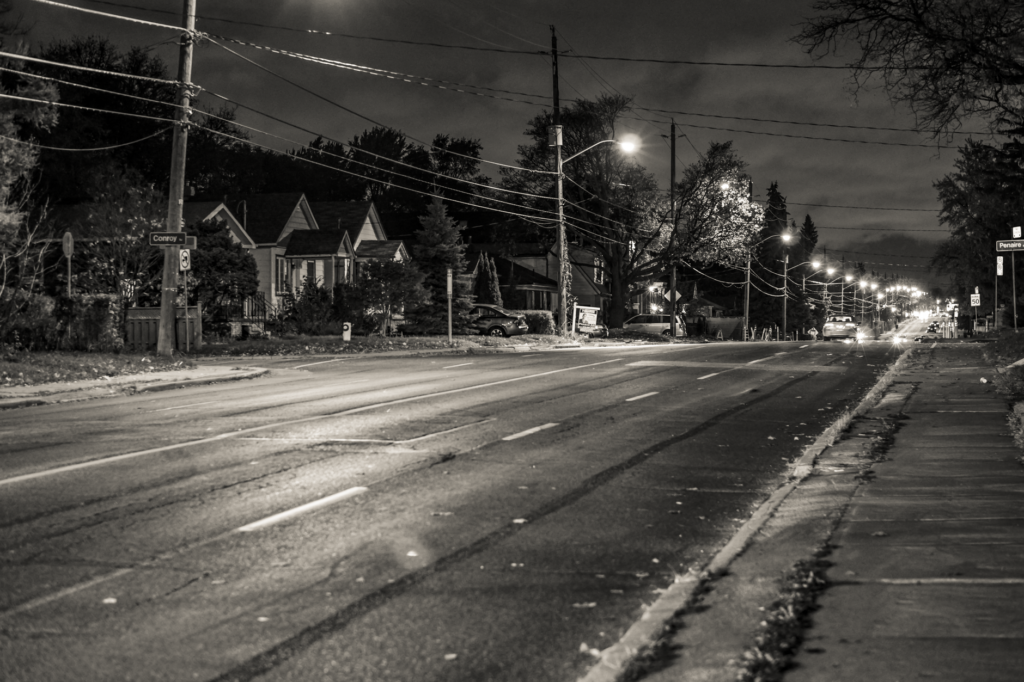
Likewise, the integration of ecological criteria into new buildings and urban renovations has brought a notable shift in the aesthetic of local neighborhoods. Pesticide-free front gardens, the installation of rainwater harvesting systems, and the choice of local building materials reflect a shared environmental sensitivity that permeates daily life and defines the sustainable character of the urban periphery.
Green Spaces and Natural Corridors
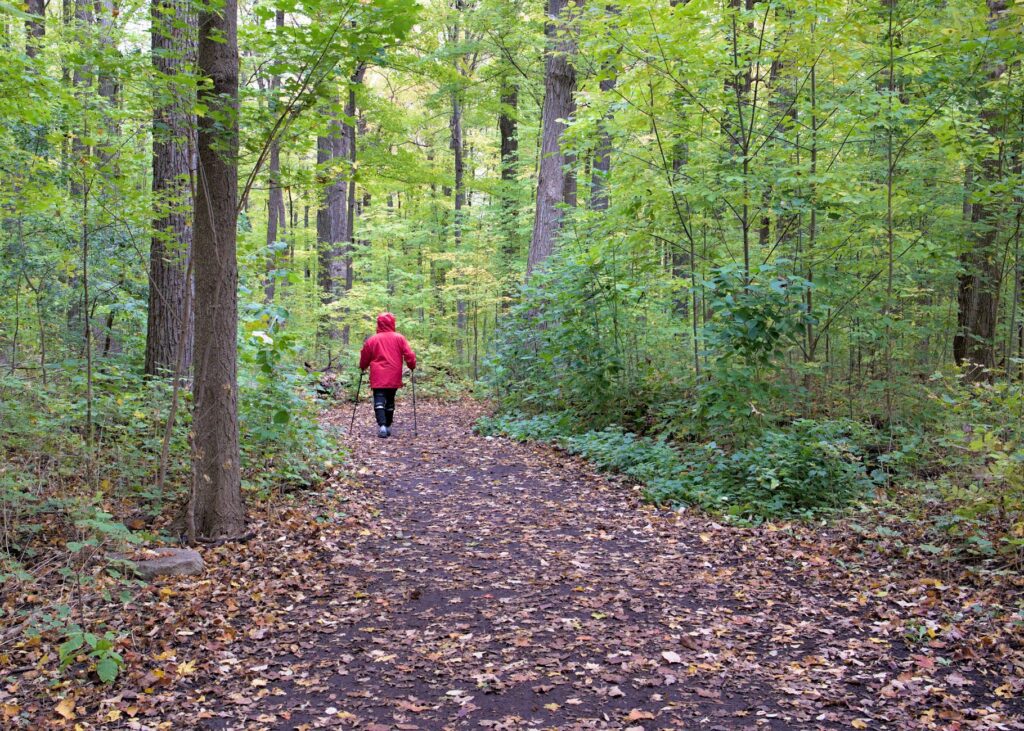
Vaughan’s urban landscape is crossed by numerous parks, ravines, and wooded trails that function as green lungs and refuges for local wildlife. These natural spaces are not mere ornamental elements, but essential components of the ecological infrastructure protecting the territory against floods and regulating the local microclimate. During the summer months, the trails fill with walkers, cyclists, and families seeking direct contact with nature without straying far from their places of residence.
Local authorities have invested in connecting these natural enclaves through a network of bicycle lanes and safe pedestrian crossings, promoting active mobility and reducing reliance on private automobiles for short trips. This planning demonstrates a clear will to adapt traditional urbanism to the environmental challenges of the twenty-first century, prioritizing citizens’ physical and mental well-being through equitable access to outdoor recreation areas.
The trail network also connects various ecological and recreational points of interest, allowing citizens to traverse the northern and southern sections of the municipality continuously. These green corridors act as sanctuaries for numerous migratory bird species and native flora, reminding passersby of the importance of preserving wild habitats amidst the advance of modern urbanization.

Historical Heritage and Institutional Memory
Vaughan’s historical legacy is preserved through local museums, restored heritage buildings, and community archives documenting the municipality’s evolution from its days as a rural settlement to its consolidation as a modern city. These cultural centers offer temporary exhibitions and educational programs aimed at area schools, ensuring that new generations understand the effort and hardships faced by early pioneers. The preservation of this living archive prevents rapid urban expansion from erasing the memory of ancestors.
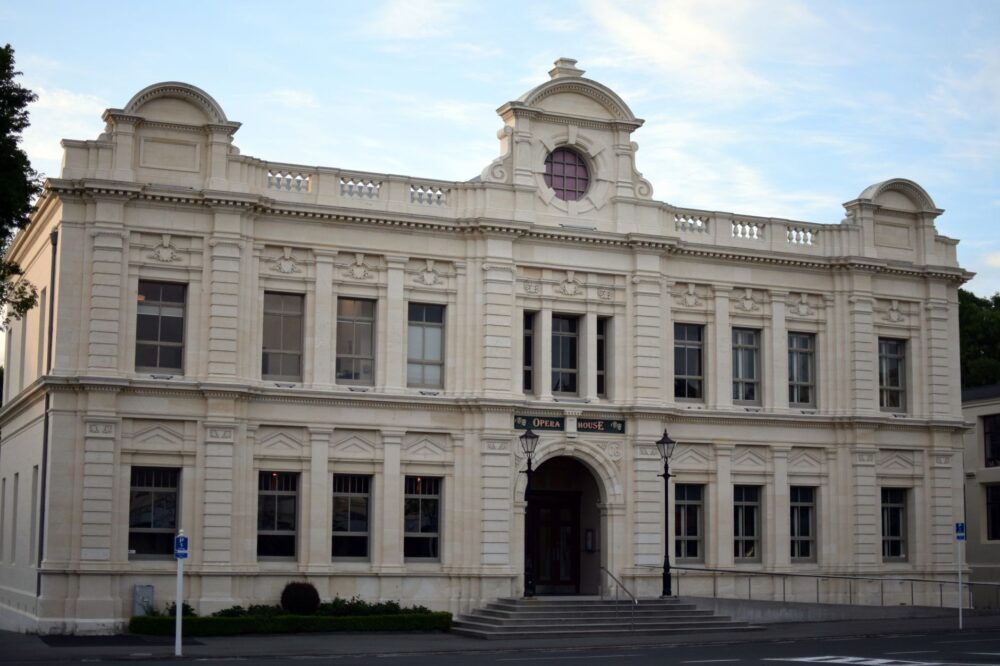
Buildings of historical interest, many constructed with native timber or handcrafted brick, have been adapted to house public functions without losing their original appearance. The conscious preservation of these properties strengthens collective identity and provides visual reference points amidst more modern architectural developments. Local guides and amateur historians organize educational tours to introduce these architectural treasures hidden in plain sight among major commercial axes.
The maintenance of these structures requires a continuous institutional effort that combines public grants with the unselfish work of local historical societies. Thanks to these initiatives, old rural schools, mills, and pioneer residences stand tall as tangible testimonies of an era when the landscape was dominated by agricultural labor and relative isolation from major urban centers.
The Responsible Visitor’s Commitment
For travelers interested in experiencing Vaughan beyond conventional tourist circuits, adopting a respectful and conscious attitude toward the environment is essential. Recommendations for visitors include using available public transport, consuming local goods, and strictly complying with conservation regulations in parks and natural reserves. This responsible approach ensures that the flow of visitors benefits the local economy without disrupting neighborhood tranquility or overcrowding public spaces.

Likewise, travelers are encouraged to engage with local residents, attend community markets, and participate in cultural activities organized by civic centers. In this way, travel becomes an enriching and respectful tool for exchange, where the visitor learns to appreciate the complex social, historical, and environmental fabric defining daily life in this region of Ontario.
The adoption of sustainable habits during the stay also includes reducing plastic waste, respecting signage on ecological trails, and choosing accommodations that apply energy-saving policies. These small daily actions by visitors contribute significantly to the preservation of local heritage and the maintenance of the ecological and social balance characteristic of the community.
Practical guide
- How to get there: Vaughan features excellent public transport connections, including the extension of the Toronto subway line and various regional bus routes linking with the metropolitan area.
- When to visit: Spring and autumn offer pleasant temperatures and colorful landscapes, ideal for exploring natural trails and open-air markets.
- Urban mobility: It is advisable to use the municipal bike lane network or public transit to move between different residential and commercial districts.
- Accommodation: Hotel options range from modern establishments near major transport hubs to quieter choices in peripheral residential zones.
- Local gastronomy: Food markets and family-run restaurants offer a wide variety of local products and international specialties reflecting its cultural diversity.