
On the eastern edge of Singapore, where the metropolitan pulse softens against the sea breeze of the Singapore Strait, Bedok New Town unfolds. This residential hub, home to a population approaching 277,000, represents one of the most remarkable examples of urban planning in Southeast Asia. Far from functioning merely as a dormitory town, the locality has evolved over the decades into an ecosystem where neighborhood coexistence, the commercial heritage of hawker centers, and a dense network of pedestrian and cycling mobility define the daily rhythm of its streets.
The history of this modern settlement is deeply intertwined with Singapore’s territorial transformation during the second half of the twentieth century. What originally consisted of coastal mangrove areas, fishing villages, and rural plantations gave way to a careful restructuring of land intended to house accessible public housing. The creation of the new town responded to the urgent need to decentralize the high density of the core district, offering thousands of families an environment equipped with comprehensive services, schools, healthcare centers, and wooded public spaces that today form the pride of its residents.
The Architecture of Residential Blocks and Tropical Shade
The urban layout of Bedok is organized around iconic public housing blocks managed by the Housing and Development Board. These buildings, elevated on pillars on their ground floors to allow the free circulation of air and pedestrians, generate a transitional space known as the void deck. This architectural threshold fulfills a vital social function: it protects against the equatorial sun and sudden tropical storms, transforming spontaneously into an open-air living room where neighbors gather to play chess, converse, or celebrate community festivities.
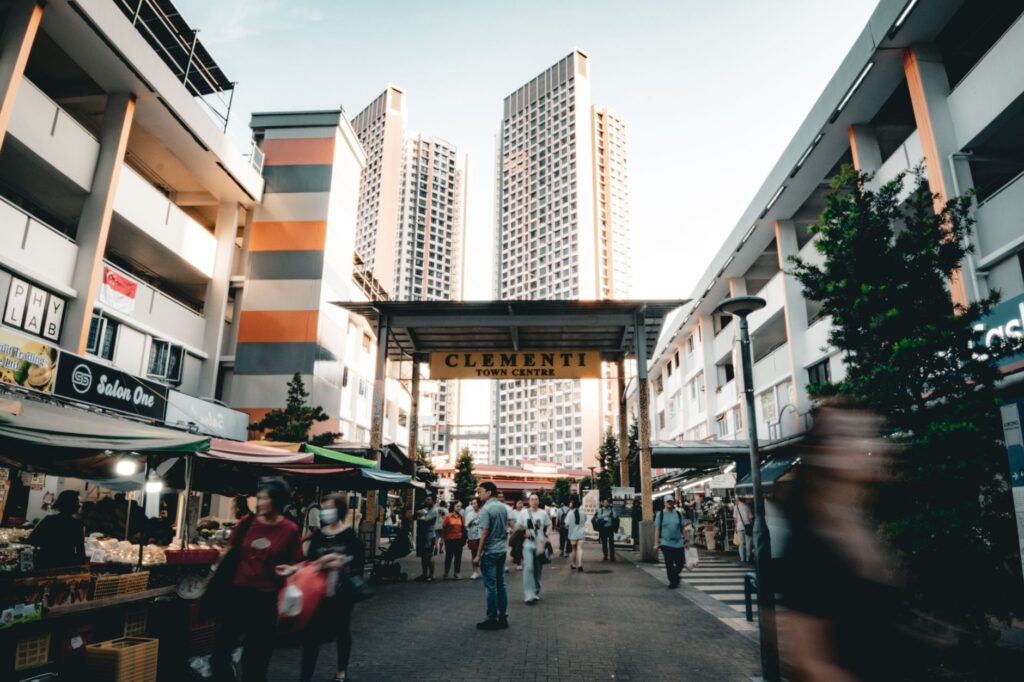
The integration of nature into urban design is not an ornamental addition, but a structural component. Green corridors connect the various neighborhoods with community parks, restored ponds, and recreational areas. Autochthonous plant species, selected for their resistance to the local climate and their capacity to mitigate the urban heat island effect, provide refuge for urban fauna and offer residents daily contact with vegetation. This balance between concrete, space optimization, and urban biodiversity demonstrates that demographic growth can coexist with long-term environmental sustainability criteria.
Public architecture in this Singaporean settlement also incorporates passive cooling strategies, cross-ventilation principles, and continuous shading devices that reduce reliance on mechanical air conditioning. The harmonious juxtaposition of residential towers with community courtyards encourages intergenerational exchange and provides a welcoming visual landscape for all passersby.
Commercial Vitality and the Culture of Hawker Centres
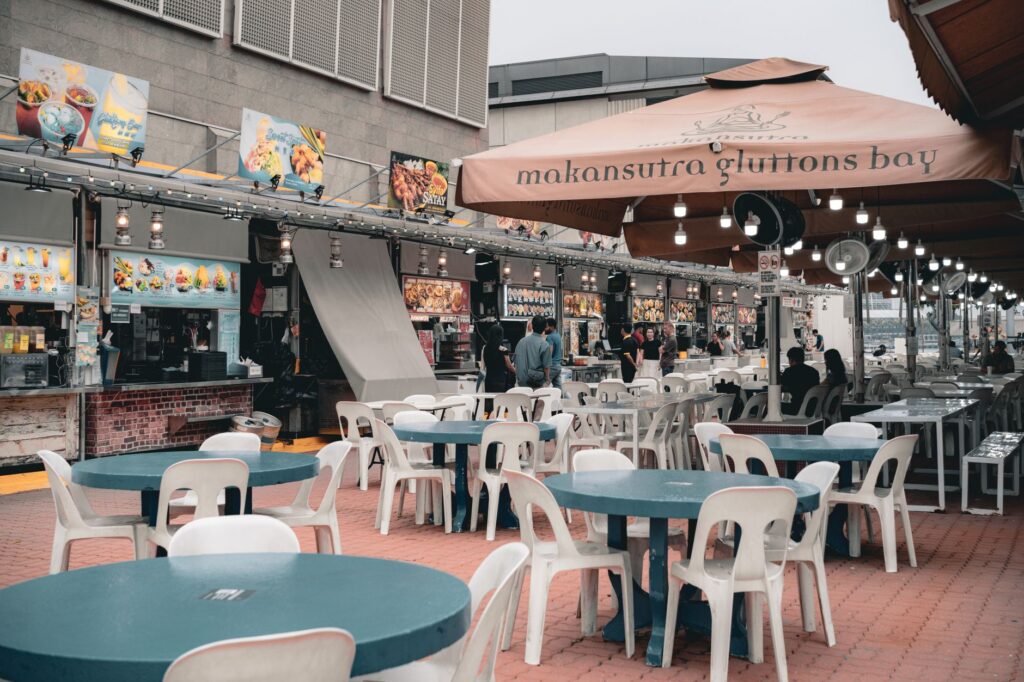
No approach to Bedok’s daily life would be complete without exploring its markets and popular food centers, locally known as hawker centres. These spaces constitute true epicenters of social life, where the culinary heritages of the Chinese, Malay, Indian, and Eurasian communities that make up Singapore’s demographic mosaic converge. Around the steaming food stalls, neighbors share long tables in a daily exercise of cultural integration that transcends generational differences.
The vitality of a neighborhood is not measured by the monumentality of its buildings, but by the quality of everyday encounters that occur at ground level among its inhabitants.
The management of these markets has evolved to meet contemporary sustainability demands, incorporating efficient waste management systems, food waste reduction, and the promotion of local ingredients whenever insular import limits permit. Local vendors, many with decades of family history in the same stalls, transmit a culinary expertise that forms an intangible part of the locality’s cultural heritage, resisting with dignity against the uniformity of large global franchises.
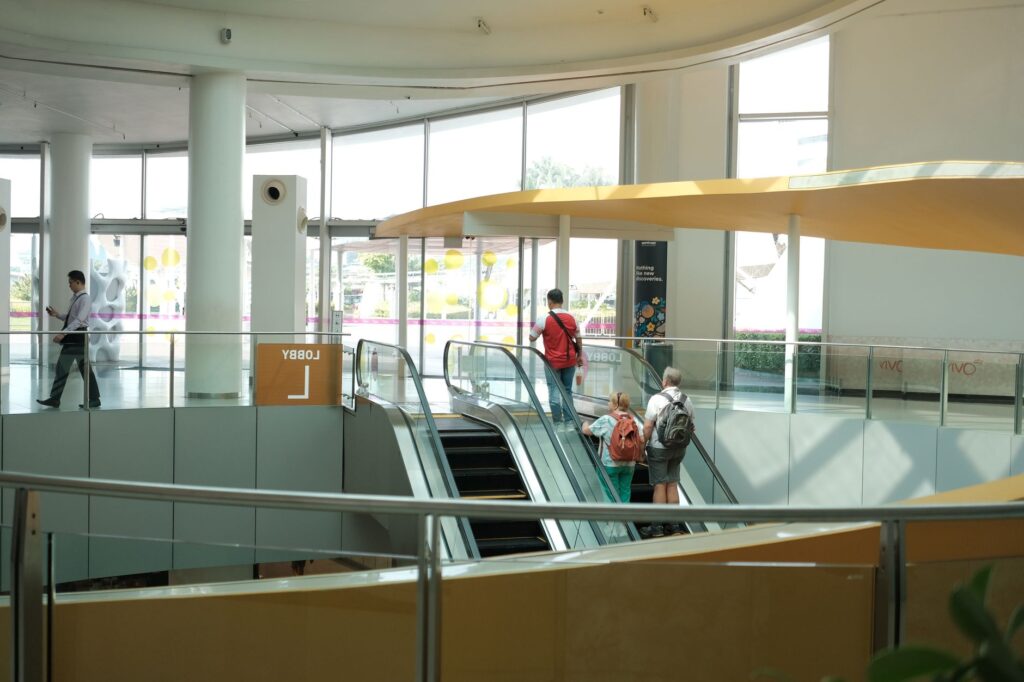
Furthermore, these dining hubs serve as vital community classrooms where younger generations learn about traditional food preparation methods and appreciate the multicultural roots of Singaporean society through shared meals, festive celebrations, and everyday culinary exchanges.
Sustainable Mobility and Pedestrian Connectivity in the Urban Fabric
Mobility within Bedok New Town is governed by a principle of prioritizing public transport and active travel. The underground rapid transit network, complemented by an extensive fleet of electric buses and local feeder services, directly and efficiently connects every corner of the district with the financial center and other regions of the island. For short-distance journeys, authorities and neighborhood associations have promoted a segregated network of bike lanes and covered pedestrian walkways that protect users from both high temperatures and monsoonal precipitation.
This focus on soft mobility significantly reduces dependence on private vehicles, lowering pollutant emissions and improving the acoustic quality of residential streets. Citizens use wide sidewalks and landscaped overpasses not only as transit routes, but as spaces for daily strolling. Planning prioritizes ensuring that any resident can access essential services—such as supermarkets, clinics, public libraries, and transport stations—on foot or by bicycle within a radius of less than fifteen minutes.
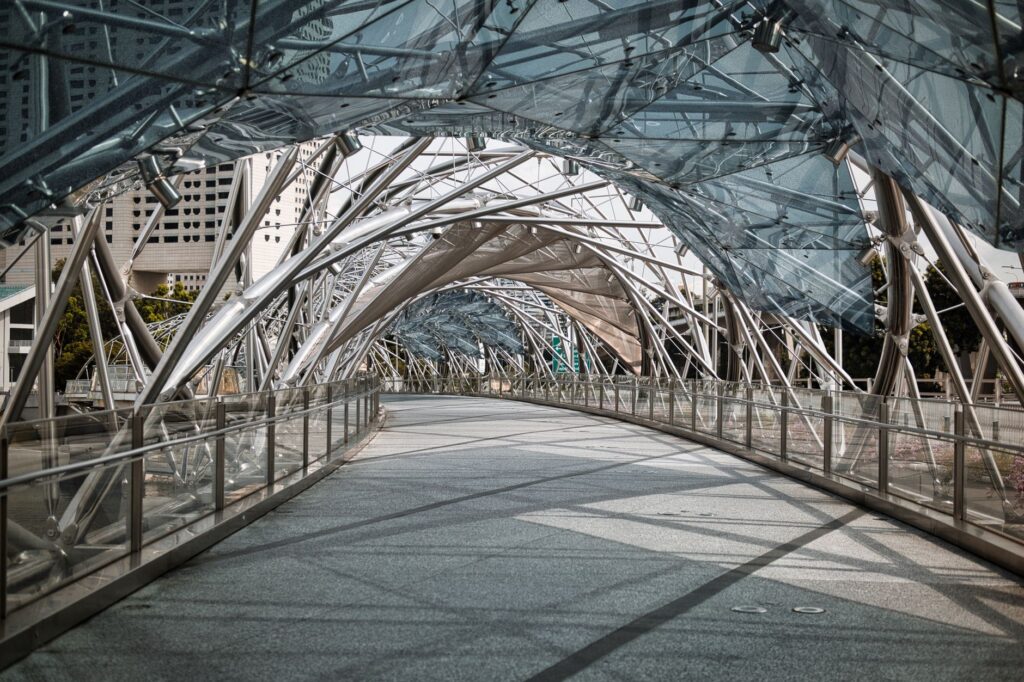
Active commuting paths are continuously monitored for safety and accessibility, ensuring that elderly residents and families with young children can navigate the neighborhood without encountering physical barriers, thereby fostering an inclusive public realm.
Neighborhood Memory Facing Metropolitan Dynamism
Despite the constant modernization of urban infrastructure, Bedok retains a strong sense of local identity rooted in the collective memory of its earliest residents. Neighborhood committees play an active role in organizing recycling workshops, elderly support programs, and cultural activities that foster social cohesion. This citizen participation is essential for detecting the real needs of the neighborhood and proposing improvements in the management of public spaces.
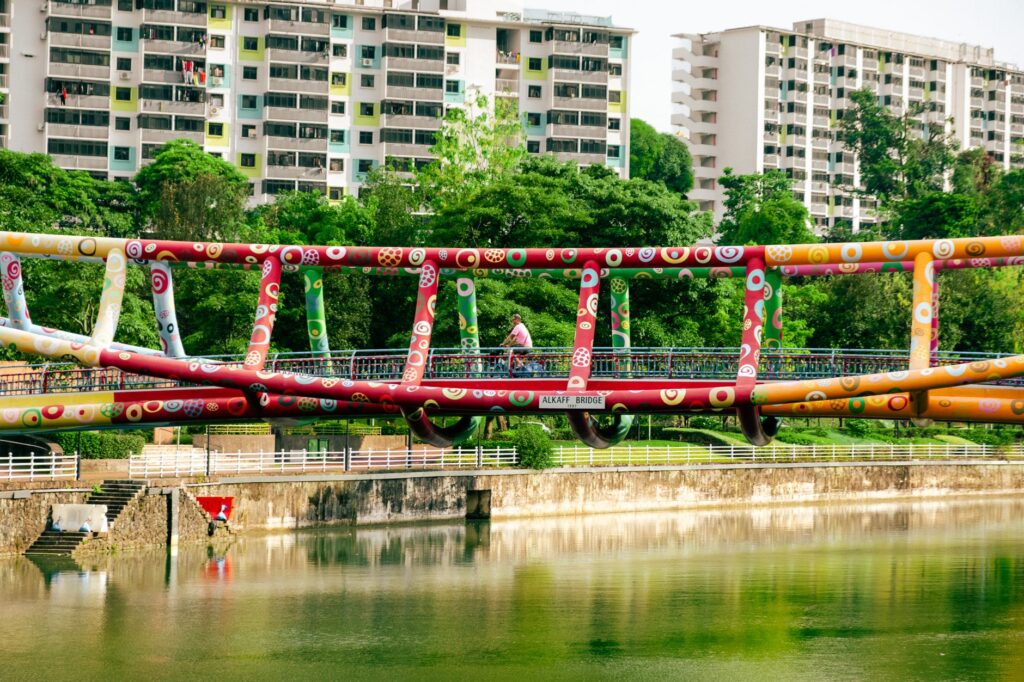
The community’s current challenge lies in maintaining this warm and supportive neighborhood fabric within a context of continuous urban renewal. While new smart housing blocks and digital footbridges integrate into the landscape, community life continues to flow at the leisurely pace of conversations beneath the arcades, the clatter of plates in the food centres, and the murmur of children in the playgrounds. It is this capacity for adaptation without loss of identity that grants Bedok its most enduring value within Singapore’s urban map.
Oral history initiatives and local heritage trails further reinforce this historical continuity, encouraging residents of all ages to explore archival photographs, shared memories, and stories of transformation that shaped the modern landscape of the district.
Practical guide
How to get there: The most efficient access to Bedok New Town from central Singapore is via the East West Line of the Mass Rapid Transit system, alighting at Bedok station. The journey takes approximately twenty minutes from the financial district.
When to visit: The early morning hours, between 07:00 and 09:00, offer the opportunity to observe daily activity in markets and parks. Sunset hours, starting from 17:30, are ideal for exploring public spaces in milder temperatures.
Local mobility: It is recommended to use the contactless EZ-Link card for integrated public transport. For internal travel, the pedestrian pathway network is fully adapted for walking or utilizing shared bicycles.
Local etiquette recommendations: It is essential to maintain civic standards in public spaces, use the recycling bins provided throughout the neighborhood, and respect community rules in food centers and shared residential areas.
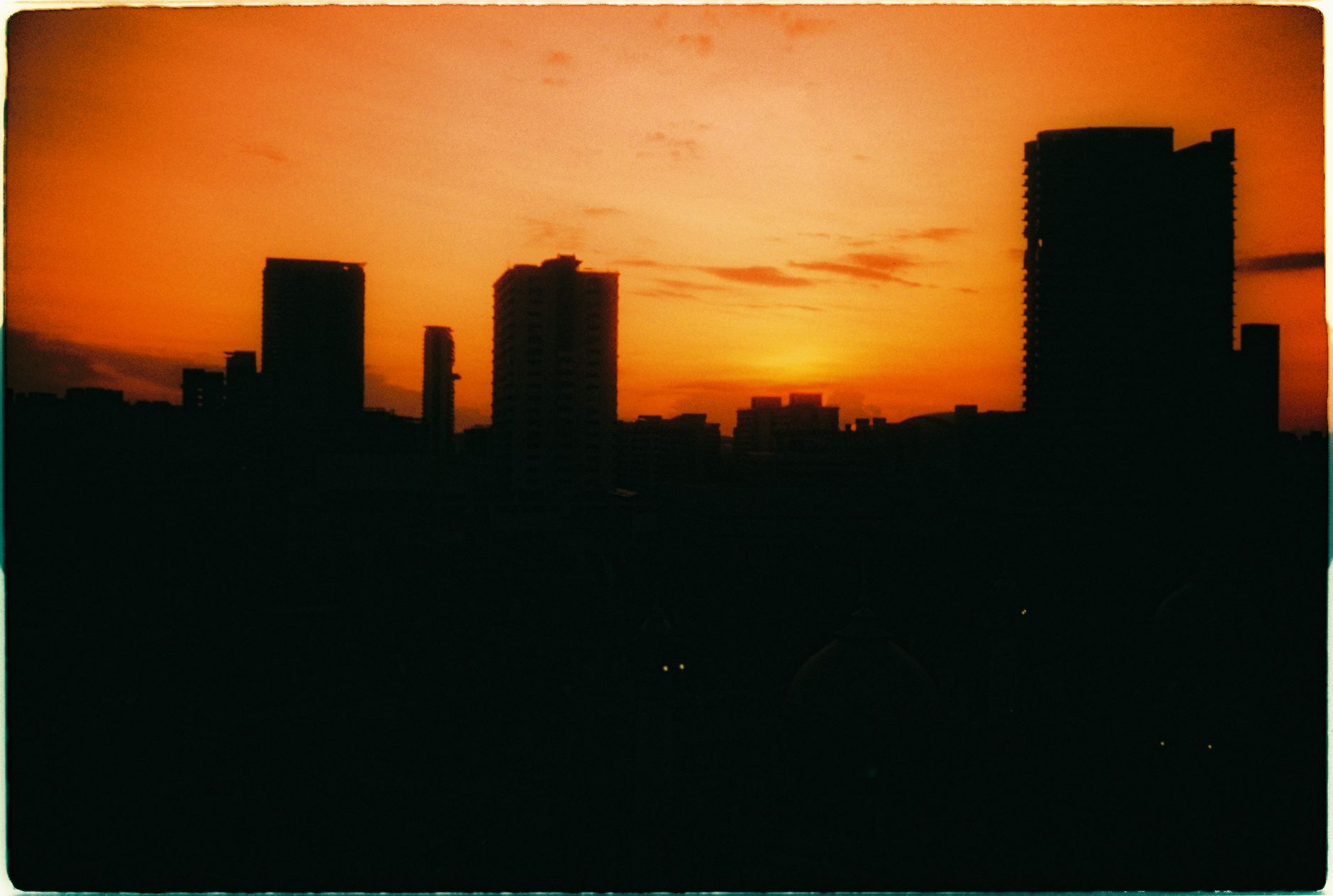
On the threshold of dusk, when the golden tropical light filters through the tree canopies and the facades of residential blocks, Bedok New Town reveals its most human face. Pedestrian corridors fill with families returning from their workday, elders share stories on park benches, and the sea breeze dissipates the day’s accumulated heat. In this eastern corner of Singapore, community life demonstrates that urban modernity can also be built on a human scale, safeguarding the memory and daily well-being of its people.