
The Working-Class Roots of a Transforming Territory
The twentieth arrondissement of Paris, situated in the eastern sectors of the French capital, preserves a working-class and artisanal memory that has shaped its landscape for over a century. With a notable population density and an altitude hovering around ninety-six meters above sea level, this Parisian corner has evolved from its ancient rural and wine-producing origins into a dense and heterogeneous urban fabric. The history of the area is marked by social resistance, the arrival of successive migrations, and an architecture that combines industrial vestiges with residential blocks from various eras. Today, this territory faces the challenge of maintaining its community identity in the face of real estate pressure and global climate change.
Far from the most frequented tourist circuits of the Right Bank, the streets of Ménilmontant retain steep passages, hidden stairways, and workshops that recall a past where local manufacturing defined the daily pulse. The municipal administration and neighborhood collectives work jointly to document and preserve this material and intangible heritage, understanding that the conservation of collective memory is just as vital as the protection of natural resources. The former railway tracks that once bordered the peripheral districts have given way to ecological corridors that illustrate how the contemporary city attempts to mend its biological and social fabric.
Citizen Science as an Environmental Monitoring Tool
Faced with contemporary ecological challenges, public participation has become the backbone of sustainability policies in the district. Universities and research centers collaborate with local associations to monitor air quality, the evolution of urban temperatures, and the biodiversity of green spaces. This collaborative approach makes it possible to gather precise data on how asphalt and traffic influence the local microclimate, offering urban planners verifiable information to make well-founded decisions. Residents participate in flora and fauna censuses, identifying species of pollinating insects and birds that find refuge in neighborhood parks and tree pits.
The integration of science into daily life is not limited to large academic projects; it manifests in open workshops, community gardens, and educational programs in public schools. These initiatives foster a deep understanding of urban ecosystems, demonstrating that even in densely populated environments it is possible to restore small biological connections. The systematic collection of botanical observations helps scientists assess the impact of summer heatwaves and design nature-based adaptation strategies, prioritizing plant species resistant to water scarcity.
Green Corridors and Biodiversity Refuges
The natural heritage of the twentieth district is sustained by a network of parks, shared gardens, and public spaces designed to mitigate the urban heat island effect. These green enclaves are not merely ornamental elements, but authentic ecological corridors that facilitate the movement of pollinators and the infiltration of rainwater into the subsoil. Local authorities have promoted the de-paving of sidewalks and school courtyards, replacing concrete with permeable surfaces that allow the regeneration of local aquifers and reduce the risk of flash flooding during intense precipitation events.
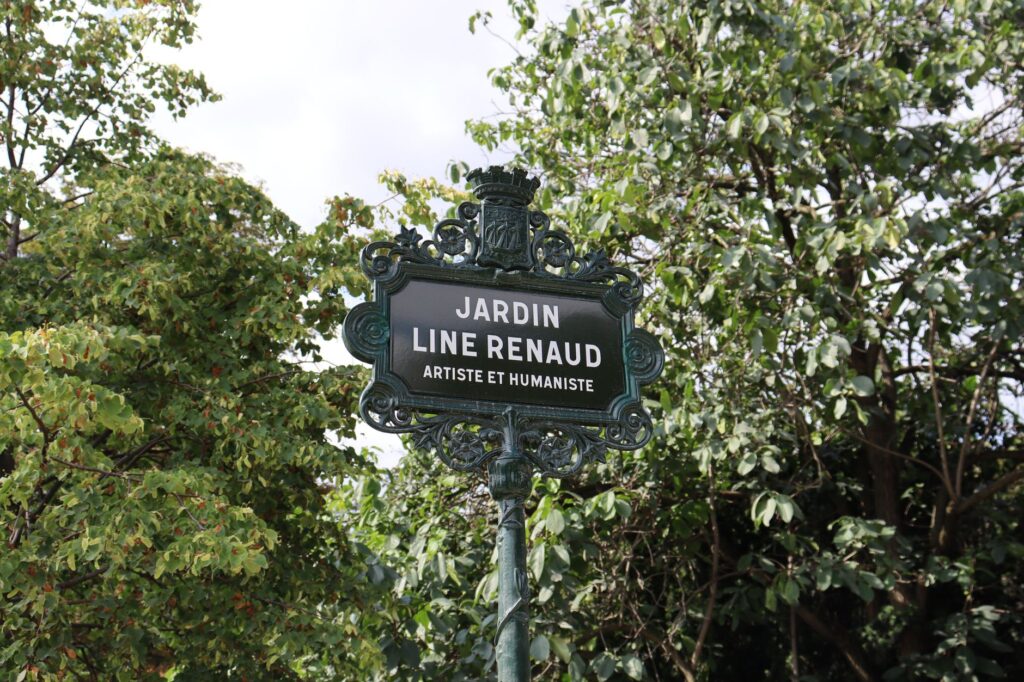
The management of these spaces requires a delicate balance between recreational use by residents and the strict protection of wild flora and fauna. Reserve zones have been established where maintenance is minimal, allowing native vegetation to grow freely and provide stable habitats for microfauna. This ecological management contrasts with traditional ornamental gardening, favoring native species that require less water consumption and are better adapted to the climatic conditions of the Parisian basin. Resident participation in planting and maintenance ensures a sense of belonging and respect toward these small green lungs.
Active Mobility and the Design of Public Space
The transformation of public space in eastern Paris prioritizes pedestrian mobility and bicycle use over motorized private transport. Secondary streets and former road layouts have been redesigned to calm traffic, reducing noise levels and improving road safety for pedestrians and everyday cyclists. This transition toward more sustainable forms of travel responds to a comprehensive strategy for reducing greenhouse gas emissions while simultaneously improving the air quality breathed by local inhabitants.
Current urban design fosters the creation of neighborhood squares and intergenerational meeting areas, where sustainable street furniture and low-energy lighting complement conservation policies. The progressive pedestrianization of commercial and residential axes has revitalized local economies, allowing neighborhood businesses to thrive in a friendlier and more accessible environment. Mobility data collected by metropolitan agencies confirm a steady increase in the use of active transport modes, consolidating a cultural shift that prioritizes collective well-being and public health.
Resource Management and Efficiency in the Urban Environment
Sustainability in the district also encompasses the efficient management of water and energy resources, as well as waste reduction in homes and businesses. Residential buildings, many built during the urban expansion of the past century, undergo energy retrofit programs to lower heating and electricity consumption. These structural interventions benefit from municipal advice and subsidies aimed at improving thermal insulation, reducing the community’s carbon footprint and easing the domestic economy of resident families.
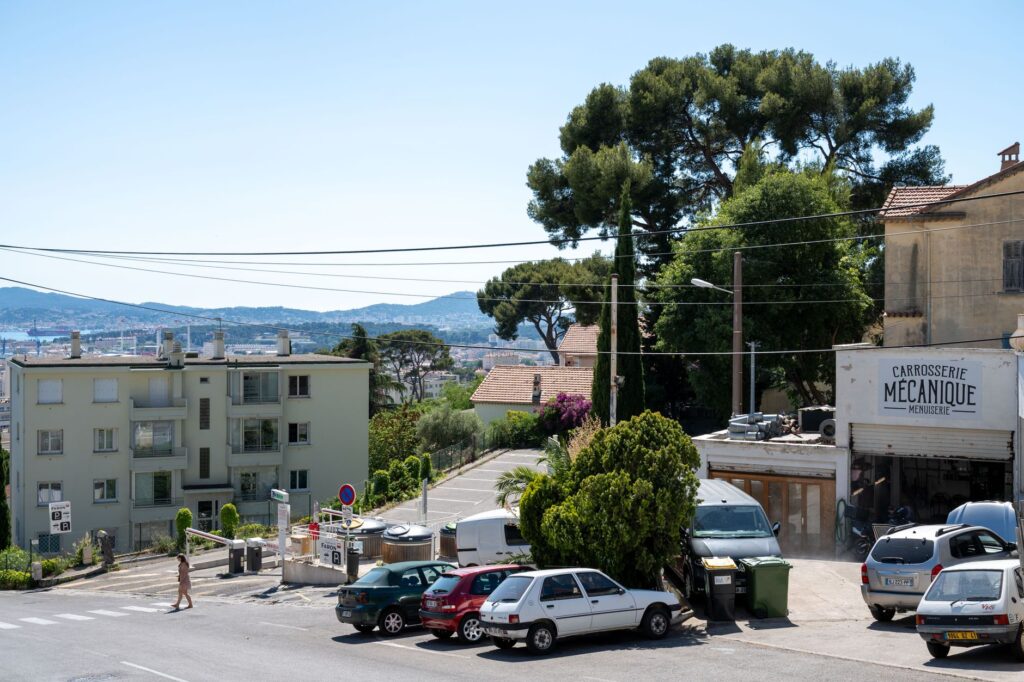
In parallel, rainwater management has evolved toward collection and reuse systems in public and community spaces. Rain gardens and bioretention ponds act as natural filters, purifying runoff before its reintroduction into the urban hydrological cycle. These technical measures, combined with awareness campaigns on water conservation, demonstrate that local governance can implement practical and scalable solutions to 21st-century environmental challenges.
Community Governance and Neighborhood Participation
The success of any conservation initiative in the twentieth district rests on the strength of its participatory governance structures. Neighborhood councils and local associations act as a bridge between residents and the municipal administration, ensuring that urban planning decisions reflect the real needs of the community. This model of participatory democracy fosters open debates on the allocation of public budgets for ecological projects, the protection of architectural heritage, and the management of community spaces.
The true resilience of an urban district is measured not solely by its technical infrastructure, but by the capacity of its inhabitants to organize, debate, and jointly care for their shared environment.
Public consultations and participatory budgeting have helped fund citizen-led initiatives ranging from the creation of urban gardens to the installation of solar panels on municipal rooftops. This civic engagement strengthens the social fabric and prevents the negative effects of gentrification, ensuring that the benefits of the ecological transition remain accessible to the entire resident population, regardless of socioeconomic level.
Architectural Heritage and Collective Memory
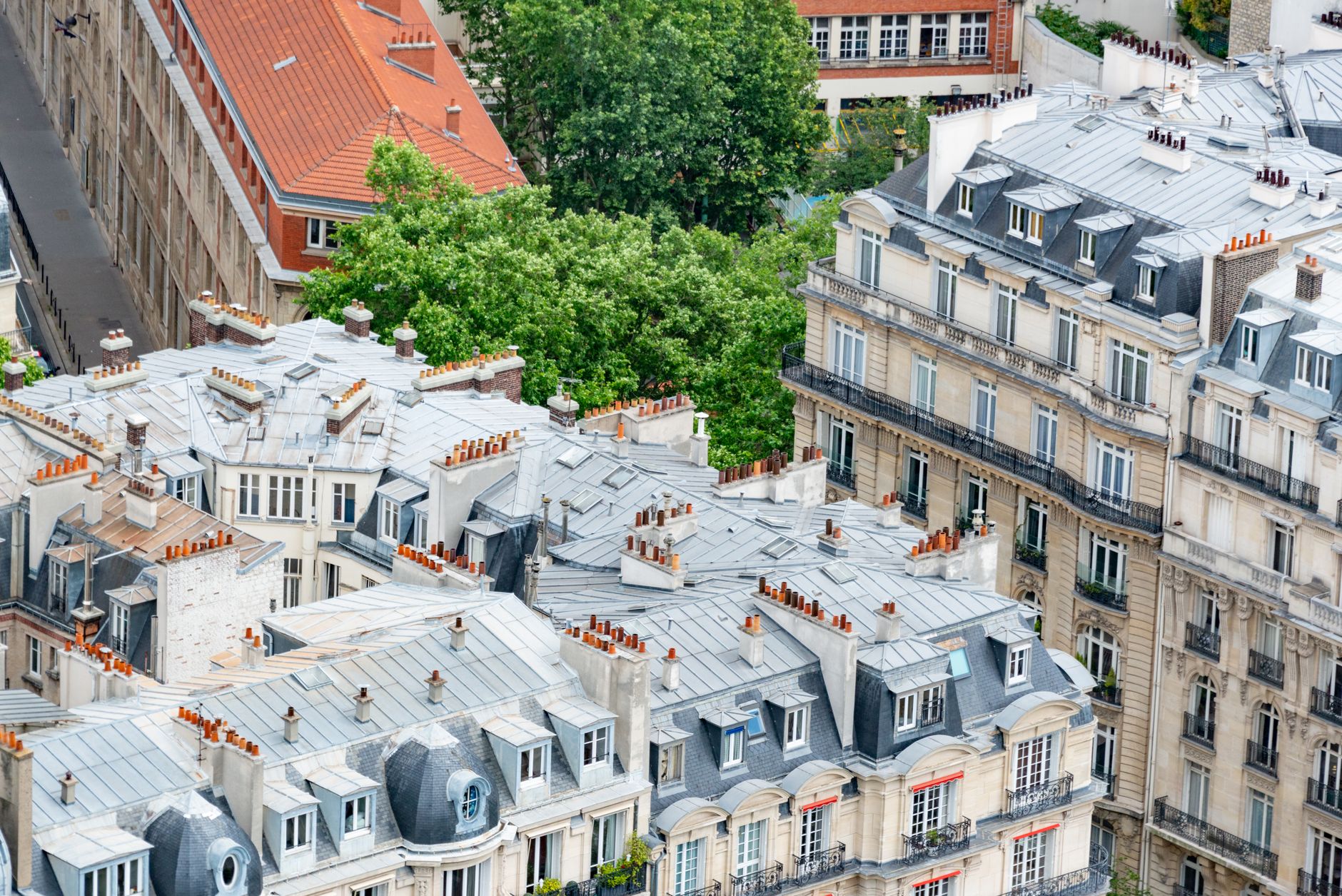
Conservation in this sector of the French capital is not restricted to natural spaces, but also encompasses the protection of its rich architectural and cultural heritage. Early 20th-century buildings, former industrial passages, and facades of historical value are subject to strict regulations that prevent indiscriminate demolitions, preserving the unique visual character of the neighborhood. This attention to architectural detail contrasts with homogeneous urban development trends, favoring a regeneration that respects the historical layers accumulated over decades.
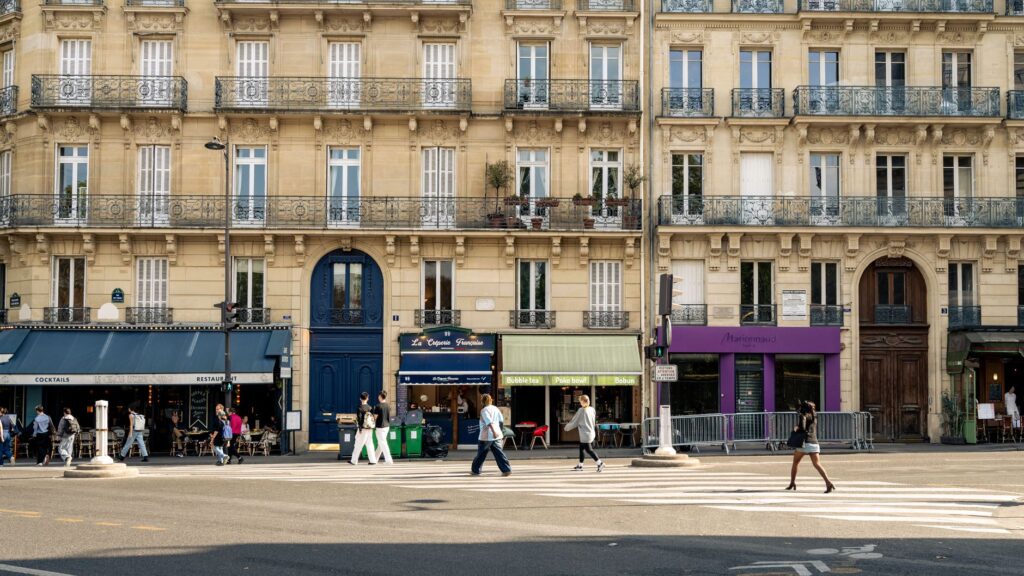
Local historians and heritage protection associations organize educational itineraries to showcase the district’s urban evolution, explaining how popular architecture has provided shelter for generations of workers and artists. These tours foster a critical appreciation of urban space, teaching visitors and residents to look beyond the surface and understand the social dynamics that have built the current city. The preservation of this physical and cultural legacy constitutes a fundamental pillar for maintaining the identity cohesion of eastern Paris.
Practical guide
How to get there: The twentieth district features excellent public transport coverage via the Paris metro network lines (such as lines 3, 3bis, 9, and 11) and numerous bus routes that efficiently connect with the center of the capital.
When to visit: Any time of year is suitable for exploring the district, although spring and early autumn offer optimal weather conditions for enjoying green spaces and outdoor pedestrian routes.
Mobility recommendations: Exploring the neighborhood on foot or using the public bike-sharing system is highly recommended, allowing easy access to steep passages and narrow streets inaccessible to vehicular traffic.
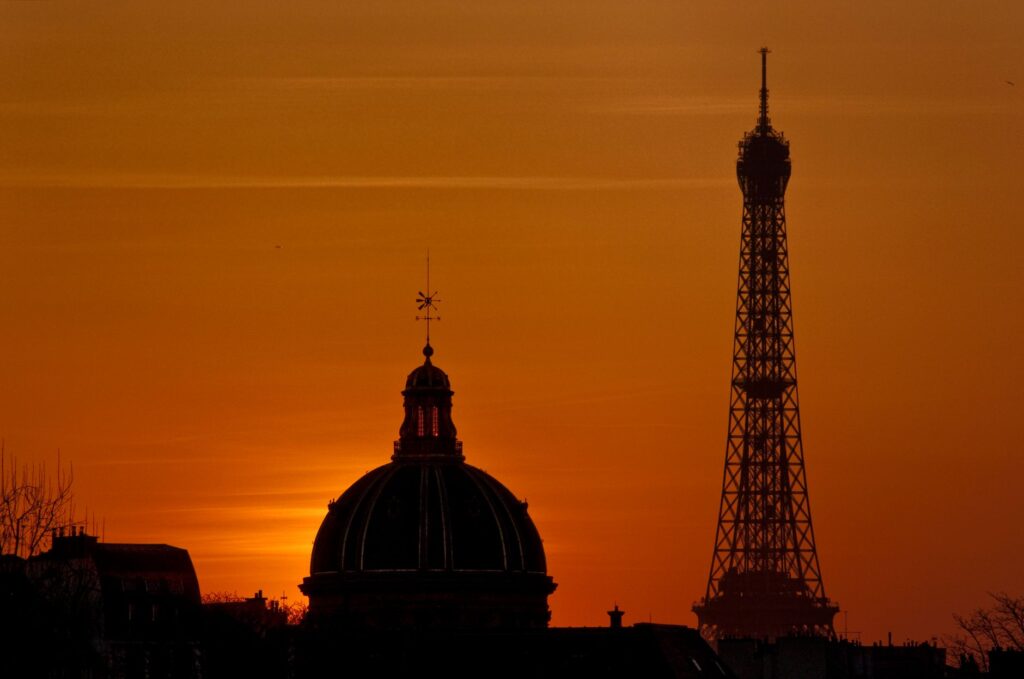
Ecological points of interest: Visitors should explore local shared gardens, green corridors established on former transport infrastructure, and public parks that incorporate urban biodiversity criteria.
Accommodation and dining: The hospitality and restaurant sectors prioritize human-scale establishments, with local eateries that promote proximity sourcing and environmentally responsible business practices.
Etiquette and guidelines: Visitors are reminded of the importance of respecting residential areas and usage guidelines within shared gardens and urban biodiversity reserves.
The future of eastern Paris is shaped at the confluence between its working-class memory, the rigor of citizen science, and the unwavering commitment of its inhabitants to preserve a habitable, diverse, and deeply human environment. In every steep alleyway and every recovered green corner, this district demonstrates that urban sustainability is, above all, a collective project in constant construction.