
The Gateways to a District in Transformation
Located in the northwestern sector of Milan, in Italy, the neighbourhood of Quarto Oggiaro represents one of the most unique enclaves for understanding the urban evolution of contemporary Lombardy. Far from the traditional tourist circuits that draw millions of visitors toward the Duomo or the canals of the Navigli, this part of the Lombard capital unfolds an intense daily activity where public transport acts as the true articulator of social life. With a population exceeding 180,000 residents in its direct area of influence, daily mobility is not merely a technical matter, but the pulse connecting the municipality’s working-class history with the dynamic rhythm of the modern metropolis. Daily movements configure a complex network ranging from morning commutes to work centers to evening journeys back home, evidencing a perfect synchrony between the territory and its inhabitants.
The urban layout of Quarto Oggiaro began to densify rapidly during the 20th century, transforming former agricultural areas into a compact residential fabric. As high-rise buildings and housing blocks shaped the landscape, the need to integrate this sector with central Milan became a fundamental priority for its residents. Today, the public transport network plays an irreplaceable role in overcoming the physical and symbolic distance that historically separated the periphery from the primary urban core. This process of territorial integration has allowed the district to maintain its own personality while fully participating in the economic, cultural, and social life of the entire Lombard region.
Railway Transport as the Backbone of Daily Travel
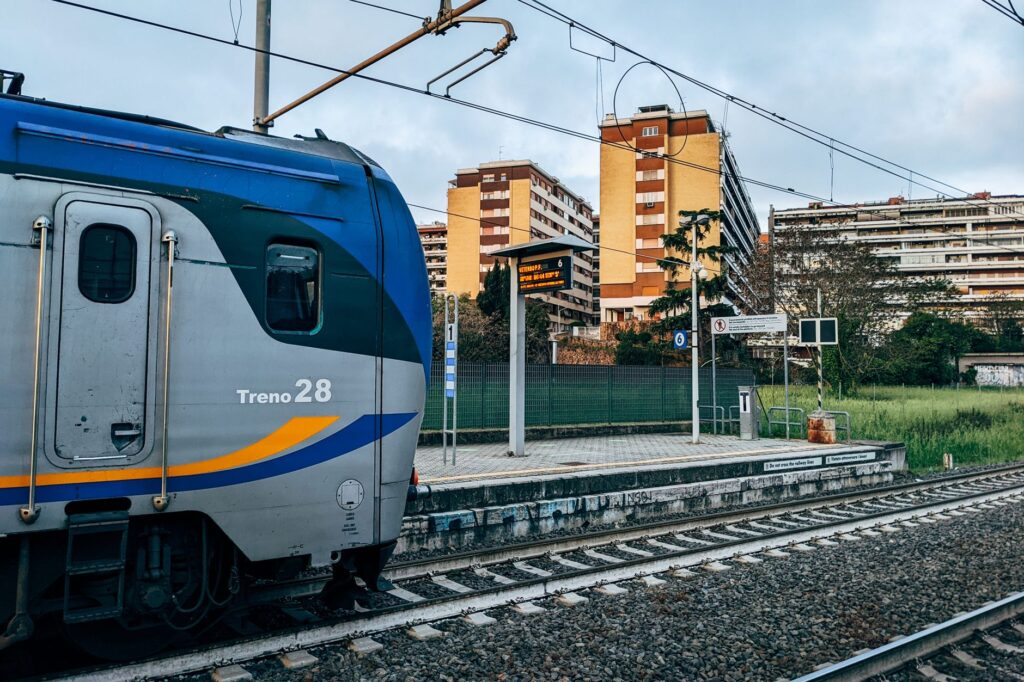
The suburban and metropolitan train system constitutes the backbone upon which the routine of thousands of workers and students rests. The railway stations bordering the district allow for a direct connection with the main lines crossing Milan, facilitating rapid journeys toward economic and educational hubs. This rail infrastructure not only reduces travel times but also relieves road congestion along the main arteries converging toward the historic centre, promoting a more efficient and environmentally respectful model of metropolitan movement.
The punctuality and frequency of these rail services are constantly evaluated by a community that depends on them to maintain their daily commitments. Unlike private transport, the train fosters an intergenerational coexistence where university students, professionals, and older adults share a common transit space, consolidating a shared sense of belonging as the carriages advance toward urban terminals. The experience of train travel through this area of Italy reveals the demographic diversity characterizing peripheral neighborhoods, where different generations unite through the need for accessible and constant mobility.
Tram and Bus Networks: Capillarity in Neighbourhood Streets
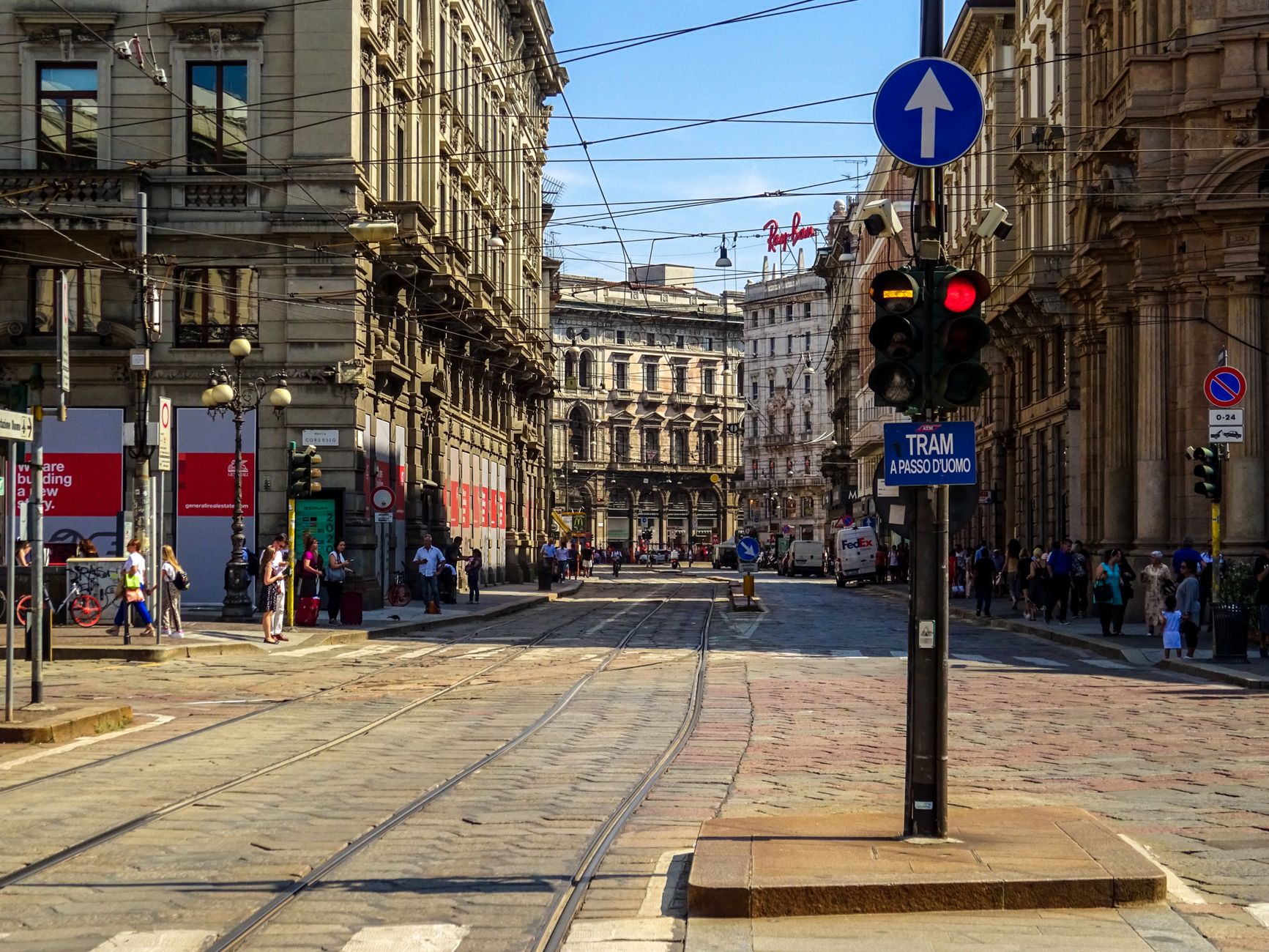
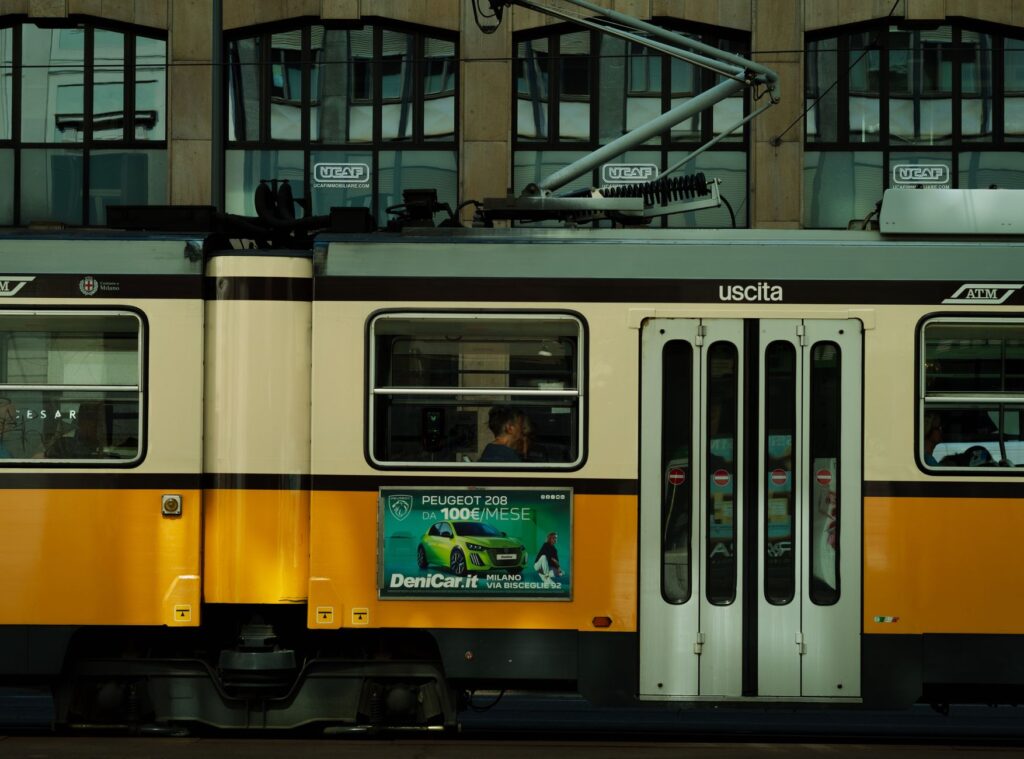
If the train connects Quarto Oggiaro with the outside world, trams and urban buses ensure the necessary capillarity within the neighbourhood itself. Surface lines run along emblematic avenues such as Via Giovanni Battista Grassi and Via Luigi Rizzo, bringing public transport to the doorstep of homes, local shops, and civic centres. This integrated system allows short journeys to maintain high efficiency without relying on private automobiles, reducing pollutant emissions and encouraging a rational use of public space on residential streets.
Efficient intermodality is essential to ensure that no corner of the neighbourhood remains isolated from the general metropolitan network.
The design of the stops and timetable synchronization between surface buses and rail carriages reflect planning aimed at optimizing the traveler’s time. For visitors to the area, observing the constant flow of passengers at main stops offers direct insight into the social and labor dynamics characterizing this Milanese sector, where civic cooperation and respect for shared schedules facilitate the daily cogs of the community.
Public Spaces and Architectural Heritage Alongside the Tracks
Beyond its strictly logistical functionality, the surroundings of the stations and main transport routes in Quarto Oggiaro harbor notable examples of residential architecture and community spaces. Urban parks such as Parco Villa Scheibler offer a green respite where the history of former noble residences dialogues with contemporary urban planning. These green lungs are strategically connected via pedestrian pathways and bicycle lanes that complement the motorized transport network, inviting citizens to enjoy the outdoors without abandoning the urban environment.
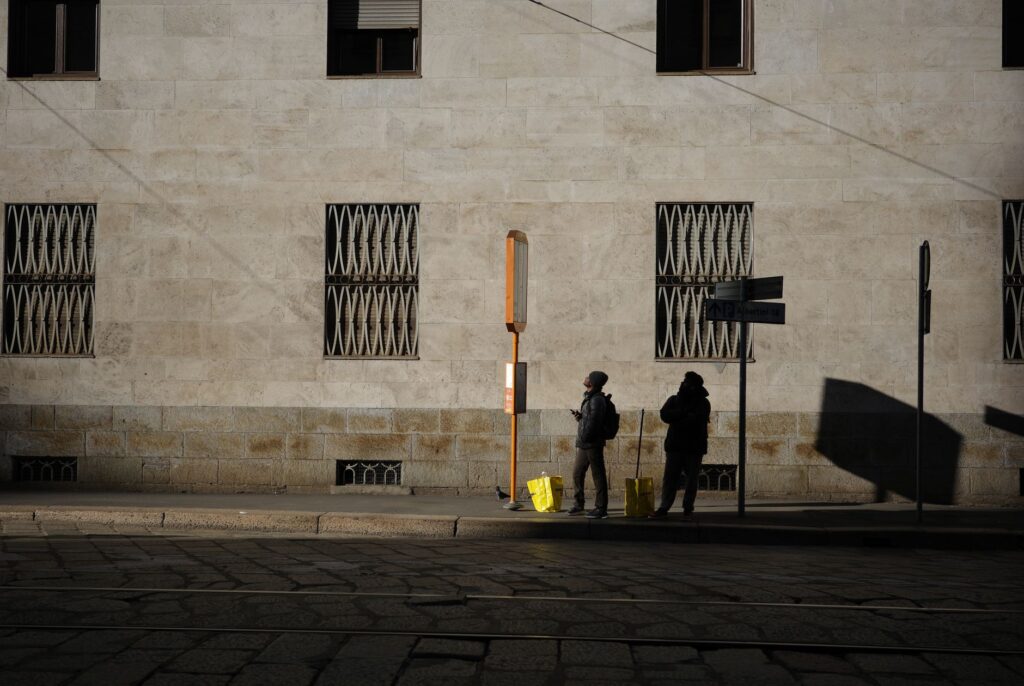
The neighbourhood’s architectural heritage includes examples of mid-century residential architecture, characterized by innovative housing solutions for its time. Exploring these streets on foot or by bicycle allows one to appreciate how industrial memory and urban renewal coexist, offering the curious traveler a deeper look into Milanese identity beyond classic postcards. Every square, every residential block, and every tree-lined path narrates a chapter of the social transformation experienced by the municipality over recent decades.
Commercial Life and the Daily Pulse in Local Markets
The economic activity of Quarto Oggiaro beats strongly in its zonal markets and small shops flanking transport routes. These commercial exchange points are intergenerational meeting places where households are supplied and networks of neighborly solidarity are woven. Local Lombard products and proximity gastronomy find their best showcase in these markets, celebrating the region’s culinary tradition in an authentic and welcoming environment.
Public transport does not merely move people from one point to another; it sustains the economic fabric and social cohesion of entire communities in the European periphery.
Sitting in a café near the main stops provides an opportunity to listen to the daily murmur, the exchange of morning news, and the leisurely pace with which residents manage their days. This unpretentious everyday life constitutes one of the greatest attractions for those seeking to understand Milan’s sociological reality from its foundations, moving away from mass-marketed circuits and connecting directly with the hospitality of its people.
Tips for the Conscious Traveler and Responsible Mobility
Exploring Quarto Oggiaro requires adopting a respectful attitude toward local rhythms and prioritizing sustainable means of transport. Utilizing the integrated Milanese transport card facilitates unlimited access to trains, trams, and buses, promoting a seamless travel experience free from logistical complications. Visitors are advised to consult updated schedules on official applications before initiating any journey to make the most of the available network and avoid unnecessary waits at stations.
Likewise, visitors should remember that this is an active residential neighbourhood, meaning respect for residents’ peace and support for local commerce enrich the stay and generate a positive impact on the local economy. Walking through its squares and using public transport just as its inhabitants do is the best way to harmonize with the genuine spirit of the place, adopting an active role in the preservation of its social heritage.
Practical guide
How to get there: Quarto Oggiaro features excellent rail connections from central Milan via commuter rail lines, with stations strategically located throughout the district that facilitate rapid arrival from any point in the metropolis.
Internal transport: The urban bus and tram network operated by ATM guarantees frequent and affordable transport within the neighbourhood and to neighboring districts, allowing comprehensive coverage of the entire sector.
Best time to visit: Spring and autumn offer optimal temperatures for walking through green spaces and local markets without the summer crowds, favoring the full enjoyment of the street.
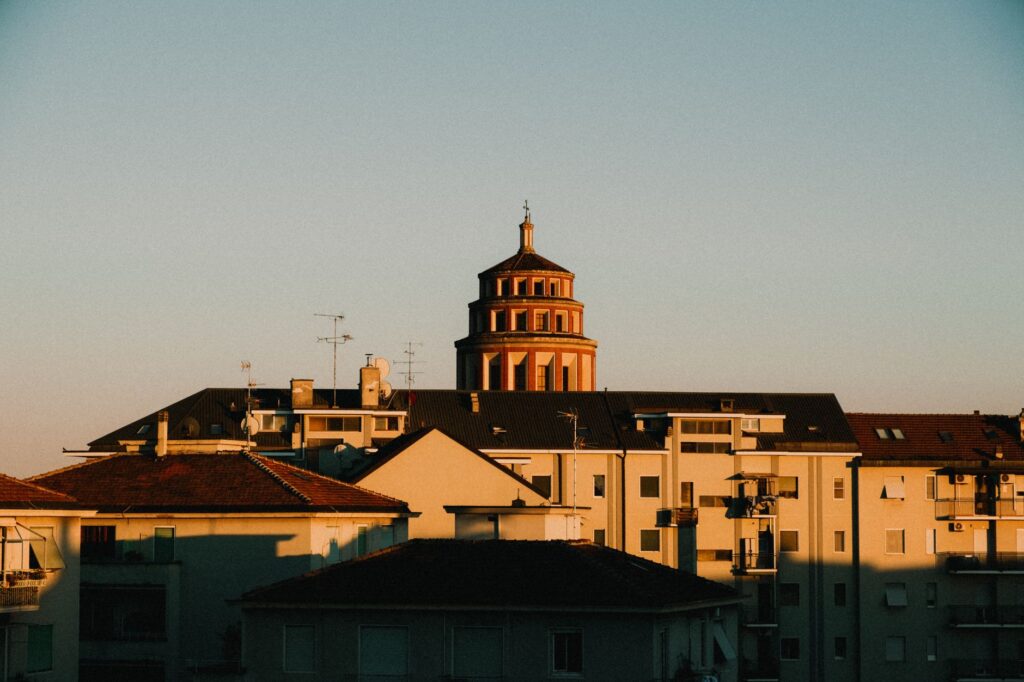
Accommodation and services: Although hotel offerings are limited compared to the historic centre, tourist apartments are available with direct connections to central hotels in under twenty minutes of continuous transit.
Recommended gastronomy: Enjoy traditional Lombard cuisine in family-run trattorias near the neighbourhood’s main commercial arteries, where seasonal ingredients star in every dish.
Visual Epilogue on the Milanese Horizon
As evening falls, the golden light of the Milanese sunset reflects upon the railway tracks and the facades of residential buildings, creating an atmosphere of serene introspection. The silhouettes of passengers returning home after a workday complete an urban tableau where constant movement and neighbourhood tranquility converge in perfect harmony. Quarto Oggiaro bids farewell to the visitor with the certainty of having shown an authentic, vibrant, and deeply human facet of the great Lombard capital, consolidating itself as an essential destination for those who value urban authenticity.