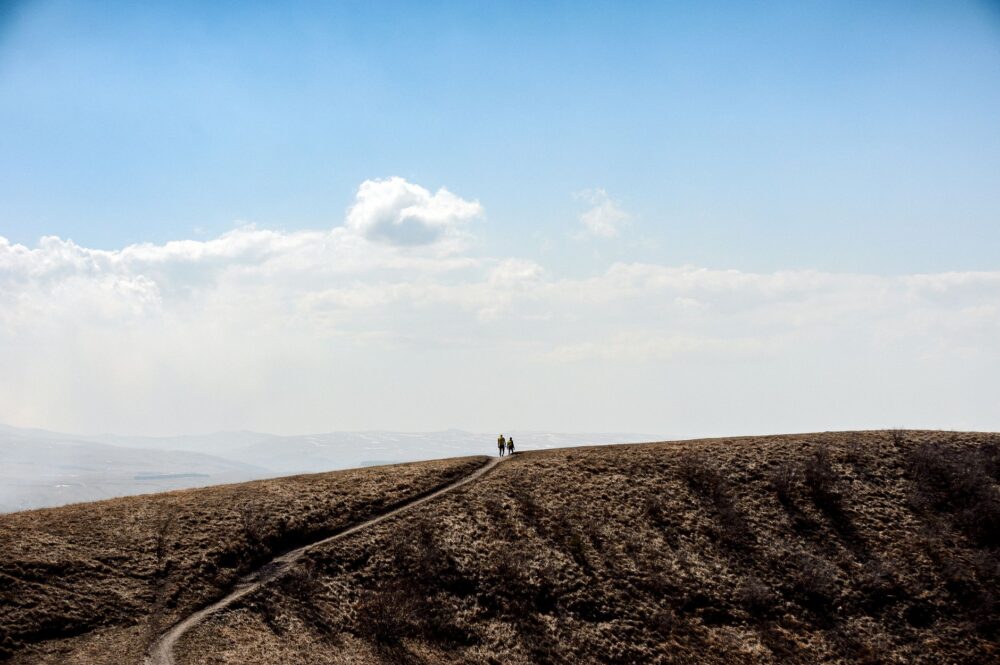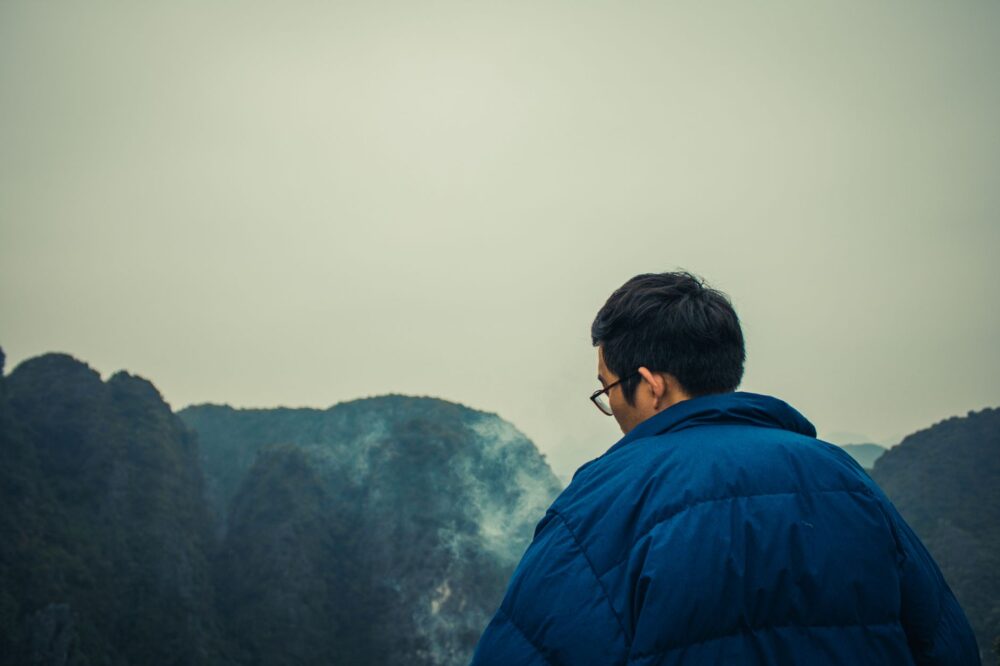

There is a fundamental difference between moving through the world like someone browsing a storefront and approaching it with the inner disposition of a person crossing a threshold. The contemporary traveler faces the paradox of hyper-connectivity: everything is within reach of a screen, geo-located, reviewed, and photographed to exhaustion before even setting foot in a destination. However, this apparent proximity often breeds a subtle yet profound distance, a sort of sensory deafness that prevents us from perceiving the real texture of places. Traveling, in its noblest sense, does not consist of accumulating snapshots for the archive of vanity, but of learning anew the art of attention.
The Geography of the Patient Gaze
Looking at a landscape or a city requires time, that elusive matter that modern haste strives to banish. When we arrive in a new territory with a stopwatch glued to our heels, we transform the experience into a mere verification of expectations. We look for what we already knew we would find, confirming prejudices instead of exposing ourselves to wonder. The patient gaze, on the other hand, accepts slowness as a method of knowledge. It consists of lingering over the minor details, the features omitted by guidebooks, the rhythm with which light shifts over an ancient facade, or the murmur of a square at dusk.
This disposition requires prior emptying. Shedding daily urgencies is the primary requirement for the environment to begin speaking to us. The attentive traveler understands that every corner possesses its own grammar, a cadence that does not submit to our whims, but rather invites us to harmonize with it. It is then that travel ceases to be a physical displacement and becomes a form of attunement with the world.
The Territory Is Not a Backdrop
One of the subtlest risks of our era is the touristification of existence, the reduction of living cultures and geographies to mere stages designed for aesthetic consumption. We too often forget that behind every landscape lie communities sustaining daily life, with their contradictions, sorrows, and joys independent of our seasonal presence. Treating the territory as a backdrop is an act of arrogance that impoverishes both the arriving guest and the host.
Respecting the space we inhabit temporarily means recognizing its autonomy. It means understanding that we are not the center of the scene, but discrete guests in someone else’s home. This awareness radically modifies our behavior: it makes us quieter, more observant, and, above all, more willing to accept that there are realities that do not belong to us and that we must contemplate with the modesty of those who know they are witnessing something both sacred and mundane.
Hospitality as Dialogue
Hospitality is perhaps one of the oldest and most delicate bridges of human experience. Being welcomed by someone who inhabits a place that is foreign to us serves as a reminder of our shared vulnerability. In travel, the encounter with the other does not occur through grand speeches, but in the interstices of everyday life: a gesture of complicity in a market, directions at a crossroads, shared silence on public transport.
These ephemeral exchanges have the power to dissolve the abstract category of the foreigner. They return us to the human scale, where the face of the other ceases to be a threat or a tourist attraction and becomes a mirror in which we recognize our own fragility. True hospitality is not merely a commercial service, but a form of mutual recognition that transcends political and cultural borders.
The Memory of Steps
With the passage of time, detailed itineraries fade and photographs lose their sheen. What truly endures from travel is a quality of memory, a subtle trace that alters our way of inhabiting our own place of origin. Whoever has learned to look with attention away from home learns to look with the same curiosity and respect at the details of their own daily routine upon returning.
Travel, in its maturity, teaches us to be foreigners everywhere, to take nothing for granted, to cultivate that fruitful estrangement that keeps us awake. At the end of the road, what remains is not the list of conquered places, but the certainty that the world is a vast, fragile fabric that deserves to be inhabited with gratitude, silence, and a deep respect for the thresholds that allow us to cross, for an instant, into the lives of others.