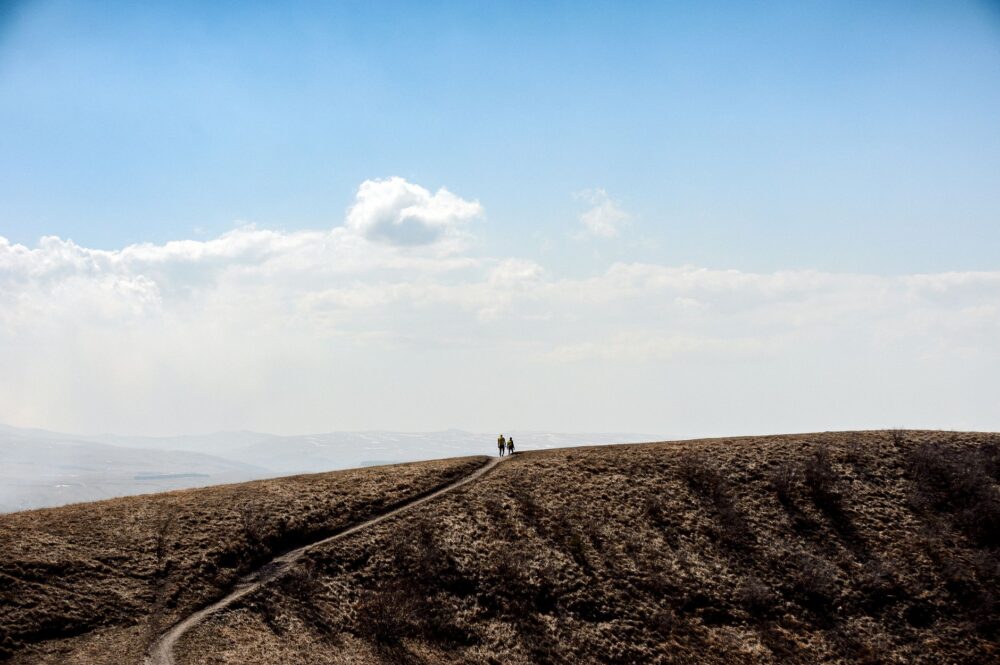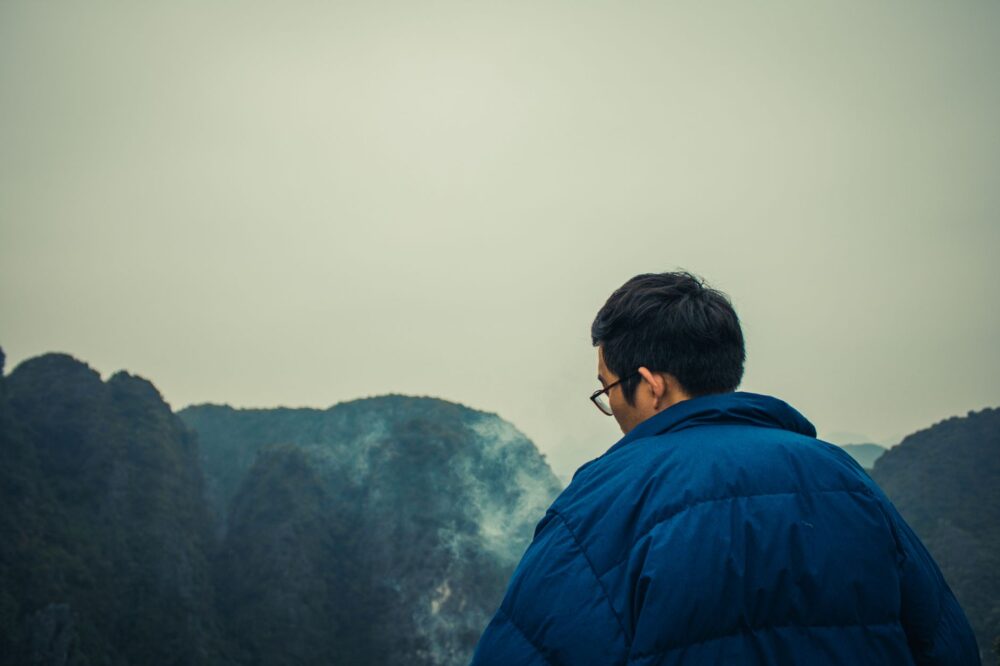

There is an exact moment when the traveler leaves behind the urgency of arrival and understands that true territory begins where certainties cease. We live in an era that idolizes speed, the efficiency of frictionless journeys, and the accumulation of digital postcards. Yet, meaningful displacement demands another kind of temperament. It requires accepting the open air, not as a threat, but as the natural state of those who dare to look beyond their own habits. In setting out to meet the world, we discover that distance is not meant for fleeing reality, but for viewing it with a renewed and clear perspective.
The Geography of Attention
The contemporary gaze is often saturated with pre-defined stimuli. We have been taught to seek out the monumental, to certify our presence in places through a camera lens rather than through the tremor of direct astonishment. Yet the true culture of travel is grounded in silent attention. It consists of pausing before the minuscule: the specific tone of light on an ancient facade, the unhurried rhythm of a local market, or the murmur of a language we do not fully understand yet whose music feels strangely familiar. Attention is the highest form of respect toward what we visit.
The Territory as Teacher
Every landscape possesses its own grammar, shaped by centuries of geology, climate, and human labor. When we venture into a new territory with no ambitions other than curiosity and humility, the environment ceases to be a mere backdrop and becomes a teacher. Stones speak of patience; rivers, of constancy; vernacular architectures, of a wise and secular adaptation to natural limits. Approaching these places implies recognizing that we are not owners of the landscape, but temporary guests who must learn the invisible rules of hospitality and moderation.
Mobility and the Pause
Paradoxically, traveling deeply requires knowing how to stop. Excessive mobility numbs the senses; it turns us into fleeting spectators who graze the surface of things without ever touching their deep pulse. The pause is the necessary counterweight. It is the time dedicated to sitting in a square without looking at the watch, to conversing leisurely with a stranger, or to letting a rainy afternoon in a strange city force us into introspection. In that stillness within movement lies the true wealth of the journey.
The Responsibility of the Wanderer
Every displacement leaves a trace, both on the territory we welcome and within our own conscience. The responsibility of the modern traveler is no longer limited to the material care of the environment—which is a non-negotiable requirement—but also encompasses the way we translate our experience upon returning. Travel demands that we be honest witnesses, avoid simplistic clichés, and cultivate a gaze capable of appreciating the complexity of other cultures without falling into easy exoticism. The world does not need more consumers of landscapes; it demands conscious and respectful observers.
Toward an Inner Horizon
In the end, the paths we walk outside end up tracing an invisible map within us. The cities we inhabit temporarily, the faces we cross, the shared silences, and the doubts that awaken all subtly transform us. Travel is, in its most intimate essence, an exercise in inner reordering. It teaches us that strangeness is not something to be feared, but the mirror where we recognize our own shared humanity.