
The Shifting Tides of a Historic Littoral
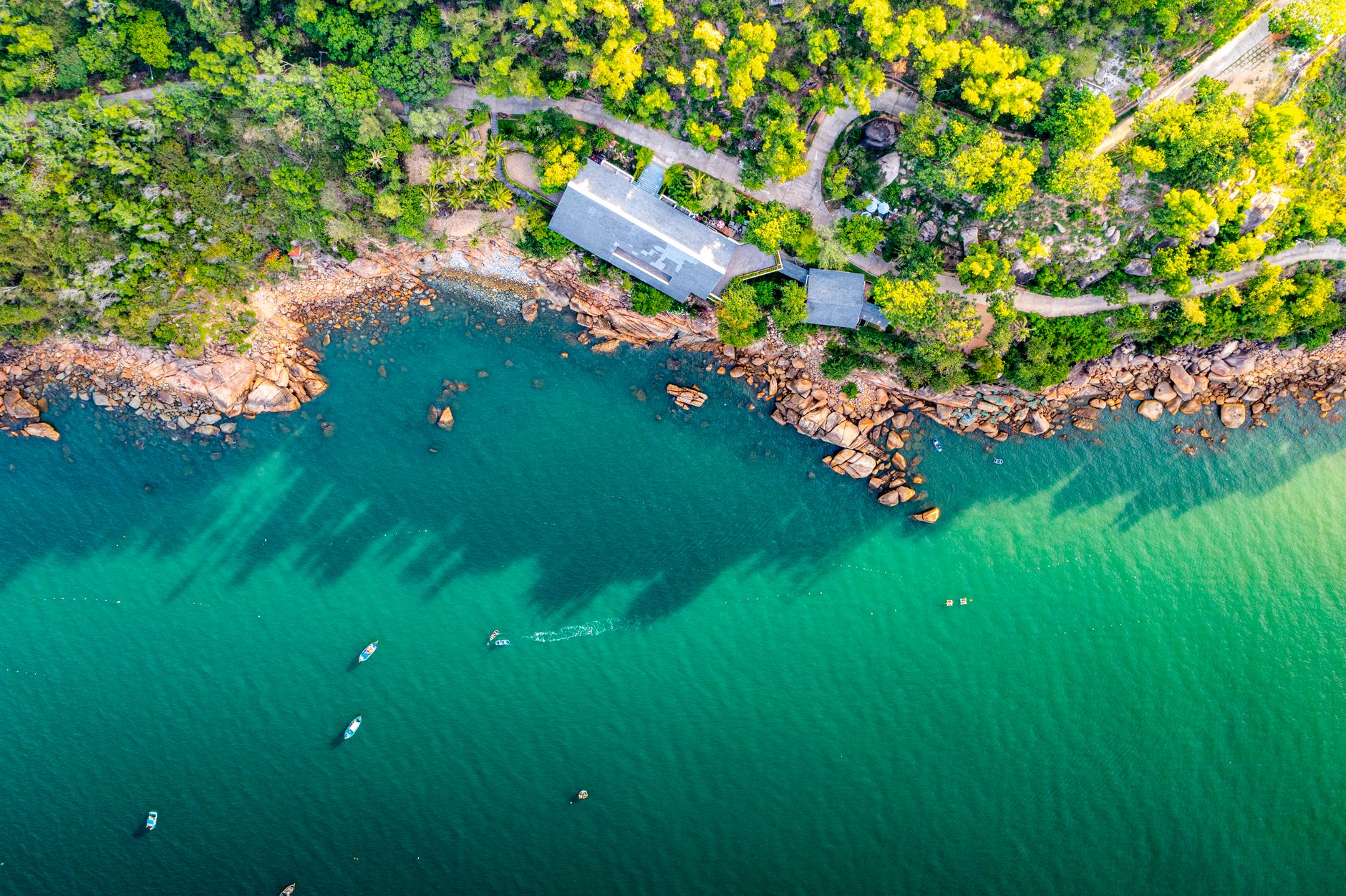
Along the central coast of Vietnam, the city of Qui Nhon stands as a meeting point between the maritime memory of the Champa kingdom and the economic dynamics of the twenty-first century. Bordered by granitic hills and extensive golden sand beaches, this provincial capital has experienced accelerated urban growth in recent decades. Yet beneath the surface of its apparent tourist tranquility, marine scientists, local authorities, and traditional fishers maintain an ongoing dialogue on how to preserve the fragile coral reefs and seagrass meadows that sustain the region’s biodiversity.
The coastal geography of Qui Nhon is far from uniform. It stretches from sheltered inlets to headlands exposed to seasonal monsoons, creating marine microclimates highly sensitive to human alteration. Unlike other Southeast Asian enclaves that have leaned entirely toward intensive hotel development, environmental governance here attempts to weave a protection network where artisanal fishing and scientific research occupy a central place. The challenge lies in reconciling the right of local communities to earn a living with the urgent need to curb the degradation of aquatic habitats. Protecting these sensitive ecosystems requires a meticulous understanding of both oceanographic shifts and the socio-economic pressures exerted by a growing resident and visitor population.
Local governance frameworks in Vietnam have increasingly incorporated participatory management models, allowing coastal wards to voice their concerns directly to provincial planning committees. This decentralized approach helps mitigate conflicts between commercial interests and environmental advocates. By acknowledging the interdependence of terrestrial runoff and marine water quality, municipal authorities are laying the groundwork for more resilient coastal zones that can better withstand severe weather events and unpredictable seasonal shifts.
Science as a Compass in the Waters of Binh Dinh
Inside laboratories and study centres located near the bay, teams of marine biologists systematically monitor the health of fish populations and coral cover. Data collected over recent years point to a decline in certain areas due to indiscriminate anchoring by vessels and rising water temperatures. In response to this diagnosis, the institutional answer has involved establishing temporary exclusion zones and designing ecological vulnerability maps accessible to fishing cooperatives.
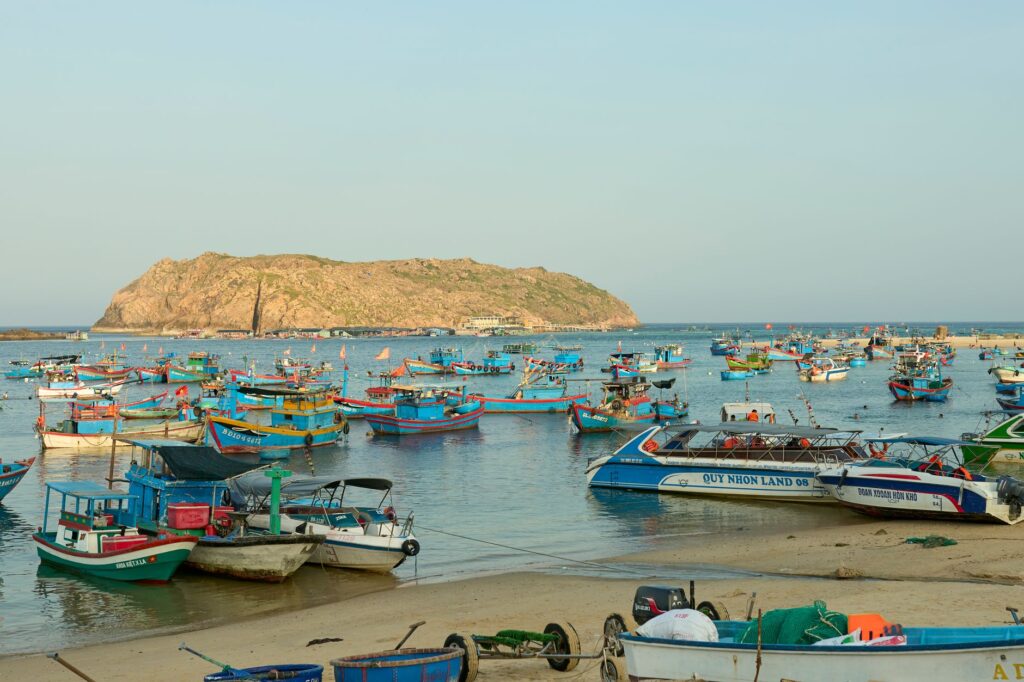
Cooperation between the academic sphere and local fishing councils has proven to be the most effective method for implementing restrictions in fishing grounds. When decisions are not imposed from distant offices but debated on the ground, compliance with conservation regulations increases markedly. Veteran fishers contribute empirical knowledge about currents and species reproductive cycles that precisely complements the quantitative sampling of researchers.
Furthermore, academic institutions in Vietnam are investing in continuous training workshops for younger generations, ensuring that traditional ecological wisdom merges seamlessly with modern conservation science. These joint initiatives foster a sense of shared stewardship over the marine domain, transforming potential adversaries into active partners in the defense of local aquatic resources.
Flavours of the Sea and Memory in Local Markets
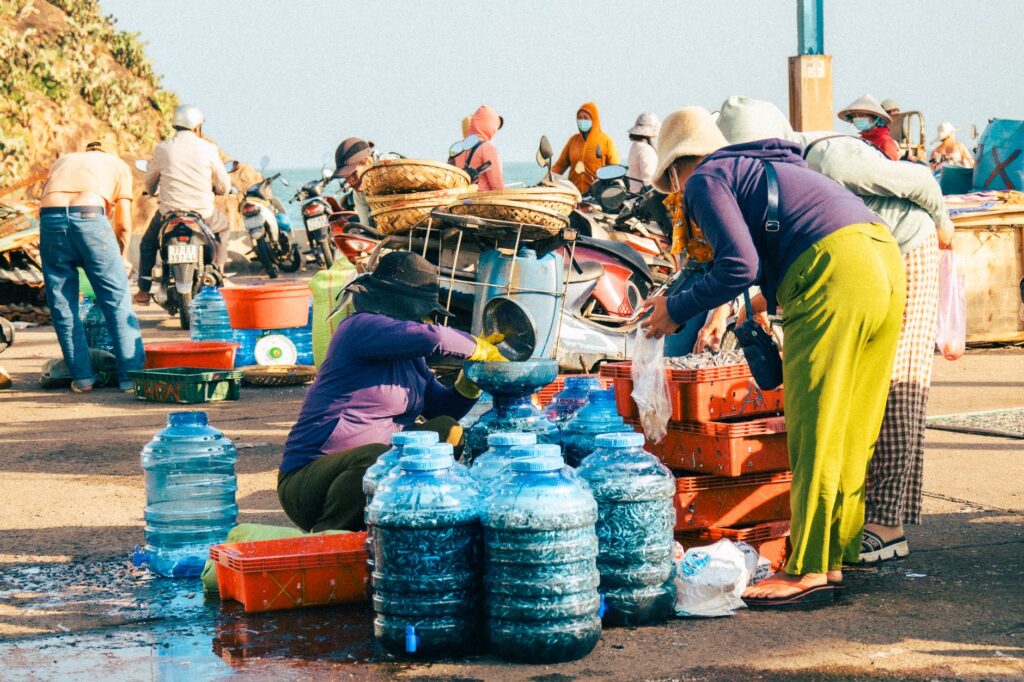
The daily pulse of Qui Nhon beats strongly in its dawn fish markets, where commercial activity reflects both the wealth and the fragility of the surrounding waters. Catches harvested through traditional hook and net methods arrive at stalls before daybreak. In these spaces, local gastronomy becomes a living archive of the relationship between the population and its natural environment. Dishes prepared with fresh fish, aromatic herbs, and light broths form part of a culinary identity that depends strictly on the health of the coast.
However, restaurateurs and local merchants are increasingly aware that past abundance is not guaranteed. In recent years, merchant associations have adopted codes of good practice to avoid the commercialization of juvenile specimens and protected species. This shift in mindset does not stem from punitive directives, but from the economic and cultural realization that depleting the marine resource is equivalent to destroying the very foundation of their culinary heritage.
Public awareness campaigns conducted in community centres across Vietnam reinforce these commercial shifts by educating consumers on sustainable seafood choices. When patrons actively demand responsibly sourced marine products, market dynamics naturally pivot toward supporting ethical fishing practices, thereby easing the pressure on vulnerable coastal ecosystems.
Coastal conservation is not a brake on development, but the sole framework that guarantees life by the sea remains possible for generations to come.
Urban Architecture and Adaptation to Climate Change
The urban layout of Qui Nhon combines traditional low-rise neighbourhoods with modern seafront promenades designed to absorb the impact of tropical storms. Municipal planning has prioritized creating bands of native vegetation along beaches to mitigate coastal erosion and curb rising tides. These nature-based solutions are progressively replacing the heavy concrete seawalls that once irreversibly altered sand dynamics.
In inner residential neighbourhoods, traditional architecture featuring open courtyards and ceramic tile roofs demonstrates an innate capacity for natural ventilation and monsoon rainfall management. Local architects and urban planners are recovering these vernacular principles to apply them in new social and educational housing developments, proving that sustainability in this latitude involves engaging in a dialogue with the climate rather than combating it with air conditioning and oversized structures.
Integrating these historical design lessons into contemporary Vietnamese urban planning offers a viable pathway for reducing energy consumption while enhancing community resilience against extreme weather phenomena.
The Voice of Communities Facing Tourism Pressure
The steady arrival of domestic and international visitors raises complex questions regarding the carrying capacity of the region’s terrestrial and marine ecosystems. Communities inhabiting the peripheral areas of the bay regularly organize beach clean-up days and participate in environmental education programmes aimed at young people. These citizen initiatives act as a counterweight to speculative projects that threaten to transform the coastline radically.

Provincial authorities have begun strictly regulating licenses for motorized water sports, limiting their operational radius to areas far from sea turtle breeding grounds and fragile corals. Balancing the attraction of respectful tourism with safeguarding the peace of peripheral neighbourhoods requires constant vigilance by both the administration and neighbourhood associations.
Civil society groups in Vietnam continue to play an instrumental role in advocating for transparent environmental impact assessments before any major coastal infrastructure project is approved, ensuring that public welfare and ecological preservation remain paramount.
Practical guide
How to get there: Phu Cat Airport (UIH), located about 30 kilometres northwest of Qui Nhon, receives regular domestic flights from Hanoi and Ho Chi Minh City. From the terminal, travellers can connect with the city centre via authorized taxi services or shuttle buses.
When to visit: The period between March and September offers the best weather conditions for exploring the coast, featuring clear skies and calm seas. The monsoon season, lasting from October to February, is best avoided.
Where to stay: The urban strip features varied accommodation, ranging from small family-run hotels in the centre to low-density resorts integrated into the surrounding hill landscape.

Sustainable mobility: Most of central Qui Nhon and its seafront promenades can be explored on foot or by bicycle. For longer journeys to peripheral coves, local public transport or two-wheeler rental services are recommended.
Environmental respect tips: Visitors are advised against purchasing products made from turtle shell or black coral, respecting access guidelines within marine protected areas, and supporting dining establishments that prioritize local seasonal produce.
Marine Horizon and Community Commitment
As evening falls, the silhouette of traditional fishing boats cuts across the golden horizon of Qui Nhon Bay, reminding observers that the city’s pulse remains firmly tied to decisions made today on firm ground. The confluence of rigorous scientific research, the care of traditional architecture, and the active vigilance of its residents outlines a scenario where the future of the coastline is built step by step, far from miraculous solutions and anchored in the daily reality of its communities.