
The Aeronautical Horizon of Northern Mexico
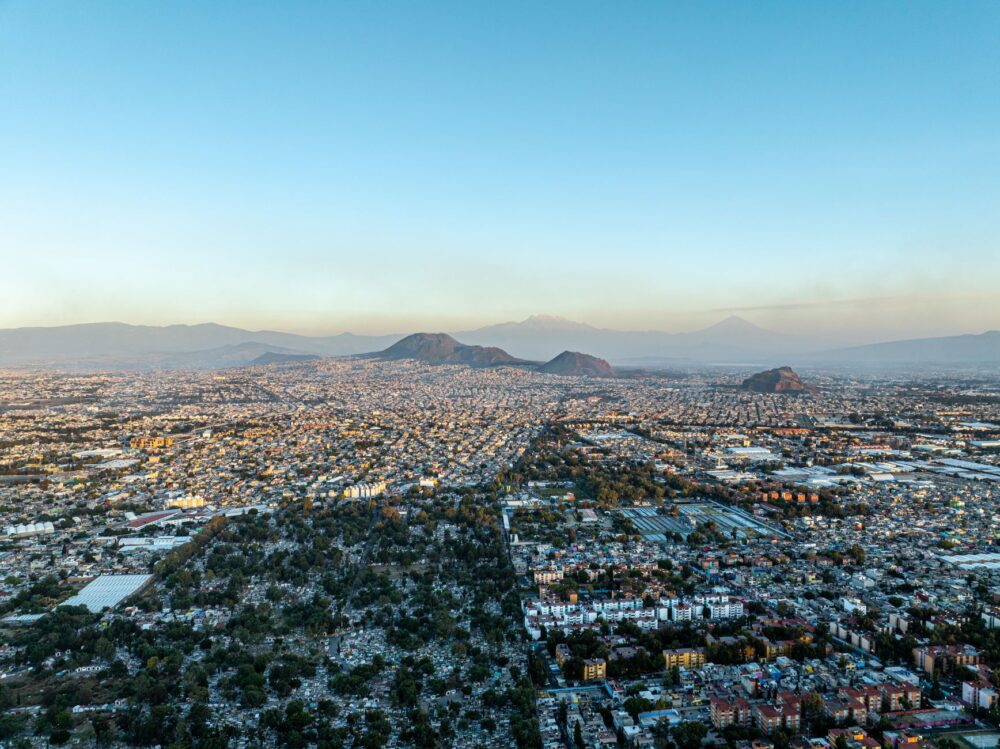
In the far northeastern corner of the state of Tamaulipas, the city of Reynosa unfolds across a landscape where the northern plains merge with robust industrial activity and the constant movement of people. Far from traditional tourist circuits of beaches or high mountains, this border city relies heavily on its air transport infrastructure to sustain its daily rhythm. The runways of General Lucio Blanco International Airport are much more than simple platforms for takeoff and landing; they act as a pivotal meeting point connecting local manufacturing strength with the rest of the country and international markets.
Observing the arrival of a commercial flight at this terminal reveals how time and distance are reshaped in a territory driven by commerce and assembly plants. Engineering professionals, corporate executives, families visiting relatives, and specialized technicians pass daily through concourses designed to streamline passenger flows and migratory checks. Civil aviation thus becomes an invisible yet decisive artery nourishing the regional economy, allowing the distance separating this border zone from the country’s major political and financial decision centers to be bridged in a matter of hours.
Architecture and Functionality at the Air Terminal
The physical structure of General Lucio Blanco Airport prioritizes operational efficiency and continuous modernization. Unlike the monumental terminals found in global mega-cities, this facility favors a compact layout that facilitates direct transit between check-in counters, security checkpoints, and boarding gates. The architectural lines of the terminal reflect the sobriety and functionality required at a key logistical hub in northeastern Mexico, where traveler traffic continues unabated regardless of summer heatwaves or periods of peak commercial activity.
The interior design incorporates large windows that welcome the natural light characteristic of the Tamaulipas region, offering passengers panoramic views of the tarmac and maneuvering aircraft. This architectural feature not only optimizes energy consumption but also visually integrates the traveler with the outside environment before boarding. Every structural detail is planned to minimize waiting times and guarantee a fluid transit experience, reflecting the pragmatic character of a city that has grown alongside its foreign trade and modern industrial sector.

The Link Between the Airfield and the Urban Fabric
The relationship between airport infrastructure and Reynosa’s urban layout is evident in the access roads connecting the terminal with major boulevards and industrial parks. The movement of taxis, buses, and private vehicles toward the airport forms part of the daily routine for thousands of residents who depend on this connectivity. As the urban footprint has expanded, local authorities and transport operators have coordinated efforts to maintain efficient routes that prevent congestion on primary access roads, ensuring that business travelers and locals alike reach their destinations on time.
This steady flow of vehicles and people generates a unique dynamic around the airfield. Small service businesses, corporate-oriented hotels, and long-term parking areas have transformed the surrounding landscape, creating an economic microclimate where aeronautical activity converges with regional hospitality. The proximity between industrial production centers and the terminal underscores the logistical vocation of a municipality that balances its border heritage with the demands of a globalized economy.
The Passenger Experience on the Border
For travelers arriving in Reynosa for the first time, the airport experience offers a direct introduction to the hospitable nature of northern Mexico. National and international airline counters operate under strict security and service standards, while ground staff assist visitors with the region’s characteristic warmth. The layout of basic amenities, clear signage, and comfortable seating areas allow passengers to navigate the facilities without setbacks, regardless of whether their journey is driven by professional obligations or family ties.
Moreover, air connectivity fosters cultural and social exchanges between diverse regions of Mexico. Many passengers passing through this terminal are temporary workers, technical specialists, or relatives maintaining close bonds across the geoeconomic border. Air mobility in this area represents an indispensable human bridge, facilitating encounters that would otherwise require exhausting overland journeys across vast plains and highways congested with heavy cargo transport.

Economic Development and Regional Connectivity
The demographic growth experienced by Reynosa in recent decades, surpassing half a million residents, has placed continuous pressure on its transport infrastructure. The increase in the active workforce and the consolidation of industrial complexes have made it essential to expand frequencies and destinations offered through the local airport. Airlines have responded to this demand by adjusting their schedules to link directly with key hubs like Mexico City, facilitating connections to the rest of the American continent and international routes.
This network of air routes not only benefits the industrial sector but also boosts local commerce, hospitality, and professional services. The capacity to receive urgent supplies and skilled personnel within hours grants Reynosa a competitive advantage over other border cities. Civil aviation acts as a silent yet constant economic catalyst, allowing the local economy to maintain its momentum amid the fluctuations of international markets and cross-border trade regulations.
Heritage and Identity Beyond the Runways
While air transport infrastructure defines much of Reynosa’s logistical modernity, the city’s identity is deeply rooted in colonial history and northern Mexican traditions. A short distance from commercial corridors and industrial zones, the historic center preserves representative buildings such as the Main Plaza and the Church of Our Lady of Guadalupe, silent witnesses to the passage of time and the town’s founding in the 18th century. Travelers with time between flights frequently wander these streets to discover local gastronomy, dominated by select cuts of meat and traditional northern dishes.

This duality between modern air transport and the persistence of regional customs defines the experience of traveling through Reynosa. The contrast between the roar of commercial engines on the horizon and the tranquility of tree-shaded plazas where residents gather at dusk illustrates the complex personality of a border community. The city projects itself toward the future through global connections without ever relinquishing the historical roots that grant it a unique place on the Mexican map.
Practical guide
- Getting to the airport: General Lucio Blanco International Airport (REX) is located about 10 kilometers southeast of downtown Reynosa. It can be accessed via authorized taxis, ride-hailing services, or private vehicles using the main peripheral boulevards.
- Key connections: The terminal offers regular flights primarily to Mexico City International Airport and other key domestic destinations operated by major commercial airlines.
- Climate and packing: Reynosa features extremely warm summers and mild winters. Checking the weather forecast before flying is recommended to adapt attire to the northern region’s thermal conditions.
- Documentation: Presenting valid official identification (such as an INE card or passport) is mandatory for domestic flights, alongside compliance with airport security protocols established by federal aviation authorities.
- Terminal services: The facility includes customer service desks, cafeterias, convenience stores, car rental services, and short- or long-term parking areas.
Final Reflection on the Border Sky
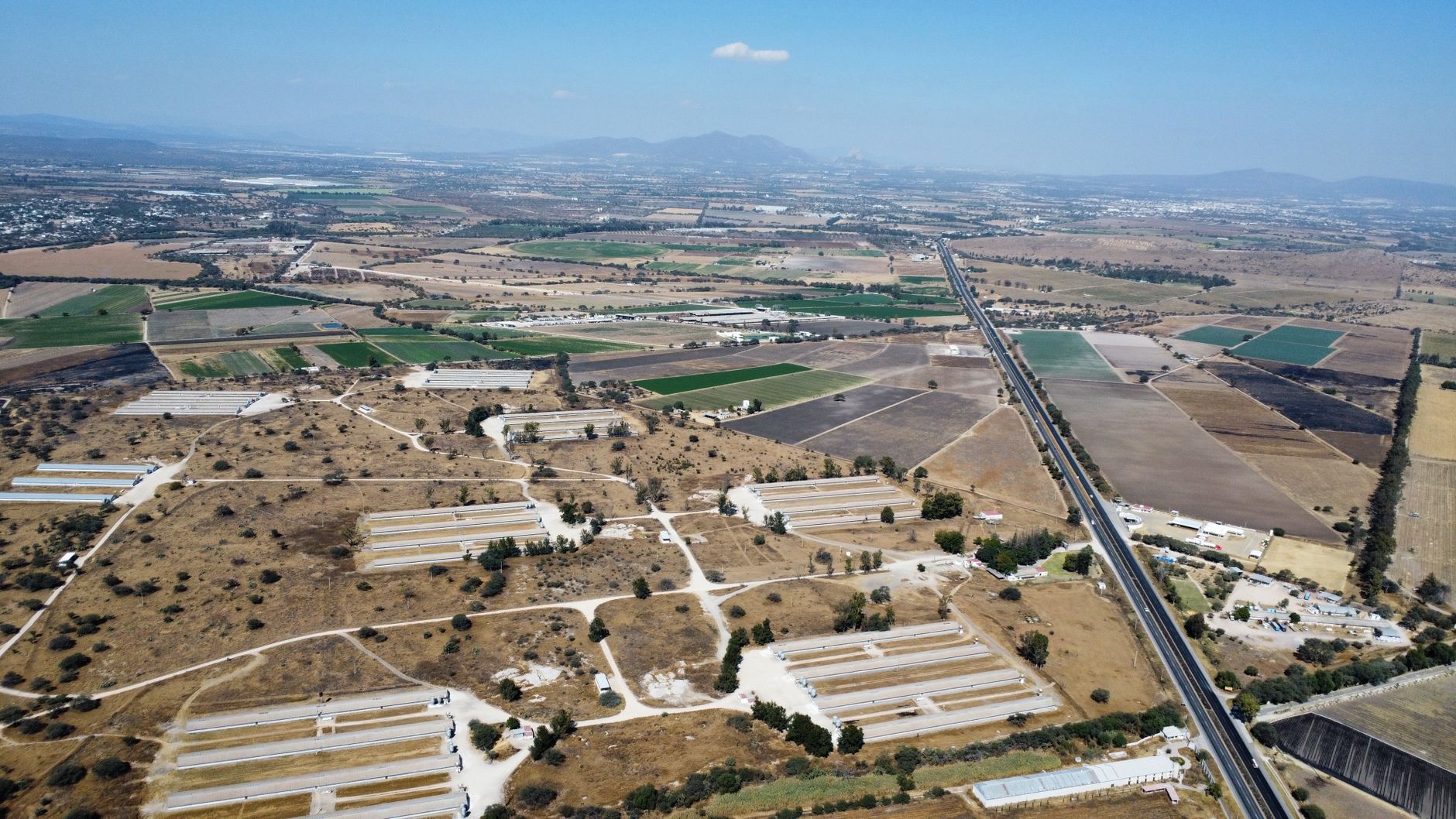
At dusk, as sunlight begins to dye the vast Tamaulipas plain in ocher and golden hues, General Lucio Blanco Airport maintains its unceasing activity. Runway guidance lights turn on to guide the final commercial flights of the day, setting the pace for a community that never stops. For observers on the outside, the takeoff of an aircraft into the night sky encapsulates the vocation of a city open to the world, where the constant movement of passengers and goods sustains the future of thousands of Mexican families.