
Historical Origins and the Cashin Family Legacy in the Northeast
The history of Matilda Estate in Singapore dates back to the late nineteenth century, when the area was dominated by vast expanses of plantations and mangroves along the northern waterways. The name of the locality evokes an era when the Cashin family constructed an emblematic residence on the coast, an architectural colonial milestone that left an indelible mark on the region’s collective memory. For decades, this corner maintained a rural and isolated character, far removed from the bustle of the central commercial district on the main island. Dirt roads and traditional jetties structured the lives of a small community dedicated to artisanal fishing and small-scale farming.
Over time, the advance of planned urbanization began to transform the surrounding landscape. Unlike other districts densely populated since the mid-twentieth century, Matilda Estate has experienced a later and more deliberate integration into the city-state’s public housing development program. This process has allowed certain elements of the natural layout to be preserved, incorporating the canals and the coastline as backbone axes of current urban design. The preservation of the old structure of the original mansion and its integration into the modern fabric symbolize the constant dialogue between the colonial past and twenty-first-century Singapore.
The evolution of this northeastern sector reflects a broader trajectory of land management in Singapore, where every parcel of land undergoes meticulous evaluation to balance infrastructural needs with heritage preservation. Historical records indicate that the early inhabitants relied heavily on the tidal rhythms of the surrounding straits, navigating small craft through intricate mangrove channels long before modern reclamation projects redefined the coastline. This deep-rooted connection to the water remains visible in the current layout, reminding modern residents and visitors of the geographical origins that preceded contemporary high-rise developments.
Urban Configuration and Contemporary Daily Life
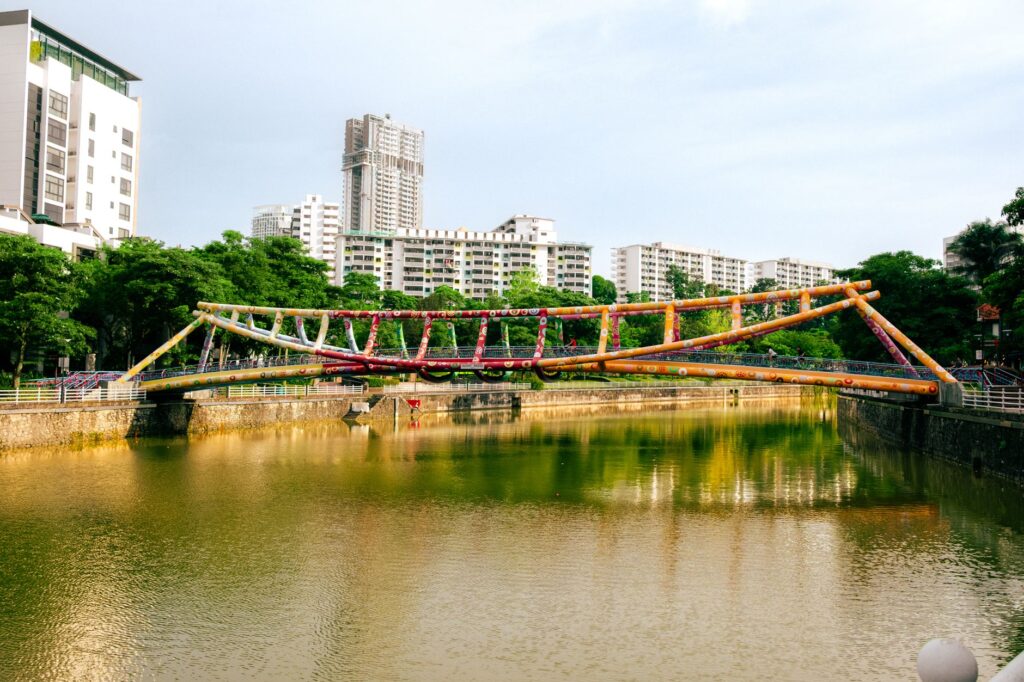
Today, the landscape of Matilda Estate is defined by integrated residential complexes that prioritize energy efficiency, natural ventilation, and proximity to green spaces. The daily life of its residents unfolds at a leisurely pace compared to the frenzy of the central financial district. Mornings begin with walks along pedestrian paths bordering the Punggol canal, where it is common to see neighbors exercising or enjoying local biodiversity, which includes numerous species of water birds adapted to these artificial and natural wetlands.
The urban design of this neighborhood responds to the standards of Singapore’s new satellite towns, where self-sufficiency is a priority. Neighborhood centers house fresh food markets, small local shops, and community spaces designed to foster social cohesion among residents of diverse backgrounds. This architectural layout favors walking and cycling mobility, reducing dependence on private automobiles and reinforcing a sense of neighborhood belonging that contrasts with the typical anonymity of large Asian metropolises.
Furthermore, urban planners have carefully positioned public amenities to ensure that essential services are within a short walking distance from every residential block. Covered walkways protect pedestrians from the tropical sun and frequent downpours, facilitating comfortable outdoor movement throughout the day. Community notice boards, shared seating areas, and small plazas embedded within the residential clusters encourage impromptu social interactions, strengthening the social fabric among families who have chosen this northeastern enclave as their permanent home.
Transport Infrastructure and Metropolitan Connectivity
Accessibility to Matilda Estate is supported by a highly efficient public transport network, a distinctive feature of Singaporean urban planning. Light rail lines fluidly connect residents to the main subway network, allowing rapid travel to any point on the island. Stations are designed to aesthetically integrate with surrounding residential blocks, minimizing visual and acoustic impact on the immediate environment.
Likewise, the integration of protected cycle lanes and elevated pedestrian walkways guarantees safe and continuous mobility. This network not only facilitates daily commutes for work or study reasons but also promotes an active and sustainable lifestyle. The planning of bus routes complements this system, ensuring that no point in the neighborhood remains disconnected from the main service and education centers located in the country’s northeast.
The seamless ticketing systems and real-time arrival information displays found across all transit nodes reduce commuter stress and encourage the use of shared mobility options over private car ownership. By prioritizing non-motorized transport corridors that connect directly to major transit hubs, the district successfully minimizes traffic congestion and vehicular emissions within residential precincts, ensuring a quieter and cleaner living atmosphere for everyone.
Natural Heritage and Green Space Management
One of Matilda Estate’s greatest attractions lies in its commitment to integrating nature into the urban environment. Linear parks and rain gardens do not merely fulfill an aesthetic function; they form part of a comprehensive water resource management system designed to prevent flooding and purify runoff water before it reaches reservoirs. These spaces act as ecological corridors that allow native flora and fauna to survive amidst a densely populated environment.

Citizen participation in the maintenance and care of these green areas is a fundamental pillar of local management. Through community initiatives, residents collaborate in urban reforestation and environmental monitoring programs, strengthening the emotional bond with their surroundings. The balance between urban development and environmental conservation thus stands as a benchmark model for future urban expansions in regions with high demographic pressure.
Water-sensitive urban design principles are evident in the contouring of swales and bio-retention basins that naturally filter rainwater using specially selected aquatic plants and soil layers. These biological filtration systems reduce the strain on municipal stormwater drains while creating rich micro-habitats for dragonflies, butterflies, and amphibians, transforming essential civil engineering infrastructure into vibrant public landscapes that enrich daily biodiversity observation.
Residential Architecture and Bioclimatic Design
The residential buildings of Matilda Estate reflect the latest trends in sustainable tropical architecture. Facades are strategically oriented to maximize natural light entry while reducing direct solar radiation incidence, optimizing indoor thermal comfort without relying exclusively on air conditioning. Large balconies and vertical gardens integrated into building structures help lower ambient temperature and improve air quality.
This architectural approach not only responds to environmental sustainability criteria but also redefines the neighborhood’s visual aesthetics. The combination of modern materials such as high-efficiency prefabricated concrete with plant elements creates a harmonious atmosphere. Architecture at the service of human well-being demonstrates that it is possible to densify territory without sacrificing quality of life or visual connection with the surrounding natural landscape.
Innovative wind-tunnel simulations inform the placement of individual towers, ensuring prevailing breezes are funneled through public courtyards and elevated breezeways. This passive cooling strategy significantly decreases the urban heat island effect commonly associated with high-density developments. Additionally, the incorporation of solar photovoltaic panels on rooftop surfaces supplies renewable energy for common area lighting, further reinforcing the commitment to resource efficiency.

Neighborhood Gastronomy as an Intercultural Meeting Point
The culinary offer in Matilda Estate is a faithful reflection of the multiculturalism characterizing Singaporean society. Popular food centers and local establishments offer a wide variety of traditional dishes from Chinese, Malay, Indian, and Peranakan communities. These spaces are not mere dining places, but authentic centers of social life where families gather to share food and converse, consolidating community fabric.
The diversity of flavors is complemented by a growing interest in healthy and sustainably sourced gastronomy. Some local markets have begun incorporating stalls offering produce grown in nearby urban gardens, fostering a circular economy on a neighborhood scale. This culinary evolution respects traditional recipes while embracing new nutritional trends that respond to the demands of a population increasingly conscious of its environmental impact.
Shared dining tables and open-air seating layouts within these culinary hubs encourage dialogue among strangers, bridging cultural differences through a shared appreciation of heritage recipes. The meticulous hygiene standards maintained across all stalls, coupled with transparent grading systems managed by national environmental agencies, give diners absolute confidence while they explore everything from classic local breakfasts to modern plant-based interpretations of regional comfort food.
Responsible Visitor Guidelines and Local Etiquette
For those travelers interested in discovering a different side of Singapore beyond the conventional tourist circuits, Matilda Estate offers a unique perspective on contemporary residential life. Respect for local coexistence rules is essential when exploring these predominantly residential areas, where tranquility and order are highly valued by their inhabitants. Visitors are invited to observe daily life without disrupting neighborhood dynamics, using public spaces responsibly and with due consideration.
The use of public transport, shopping at small neighborhood stores, and participating in self-guided walking routes through parks and canals are excellent ways to approach the reality of the place. This low-intensity tourism approach allows visitors to appreciate the complexity of Singaporean urban planning from a human perspective, valuing the daily effort to maintain cohesive and sustainable communities in a highly technified environment.

Travelers should remain mindful that these neighborhoods function primarily as homes for thousands of families rather than commercial attractions. Keeping noise levels low during early morning and late evening hours, adhering strictly to designated smoking zones, and properly sorting waste into recycling bins demonstrate cultural sensitivity and support the community’s ongoing efforts to maintain pristine public grounds.
Practical guide
How to get there: Main access is achieved via the MRT subway system combining with the Punggol LRT light rail line to the station closest to the residential sector.
When to visit: Early morning and sunset are the most pleasant times to walk pedestrian paths and parks due to milder temperatures.
Getting around: The use of the EZ-Link card for public transport and the shared bicycle network is recommended for short trips within the neighborhood.
Accommodation: Although Matilda Estate is primarily residential, regulated hotel and serviced apartment options exist in the neighboring districts of Punggol and Sengkang.
Gastronomy: Local food centers offer traditional breakfasts and lunches at affordable prices; carrying cash for small stalls is advisable.
Local rules: Maintaining order in public spaces, respecting recycling rules, and avoiding food consumption on public transport is mandatory.
Final Reflection on Urban Identity in the Northeast
The journey through Matilda Estate leaves a lasting impression on the adaptability and planning capacity of a society constantly seeking to balance economic growth with human livability. Far from being a mere bedroom community, this sector in northeastern Singapore demonstrates that architectural modernity and respect for natural heritage can coexist harmoniously. Neighborhood life, marked by the rhythm of canals and multicultural coexistence, offers a privileged window into the future of sustainable cities in Southeast Asia.
As urban centers worldwide grapple with population density and climate challenges, the methodologies observed in this district provide valuable lessons on how meticulous foresight and community engagement can protect ecological assets while providing dignified, modern housing. The enduring legacy of the northeastern waterways, coupled with thoughtful contemporary design, ensures that Matilda Estate remains a compelling testament to balanced urban evolution.