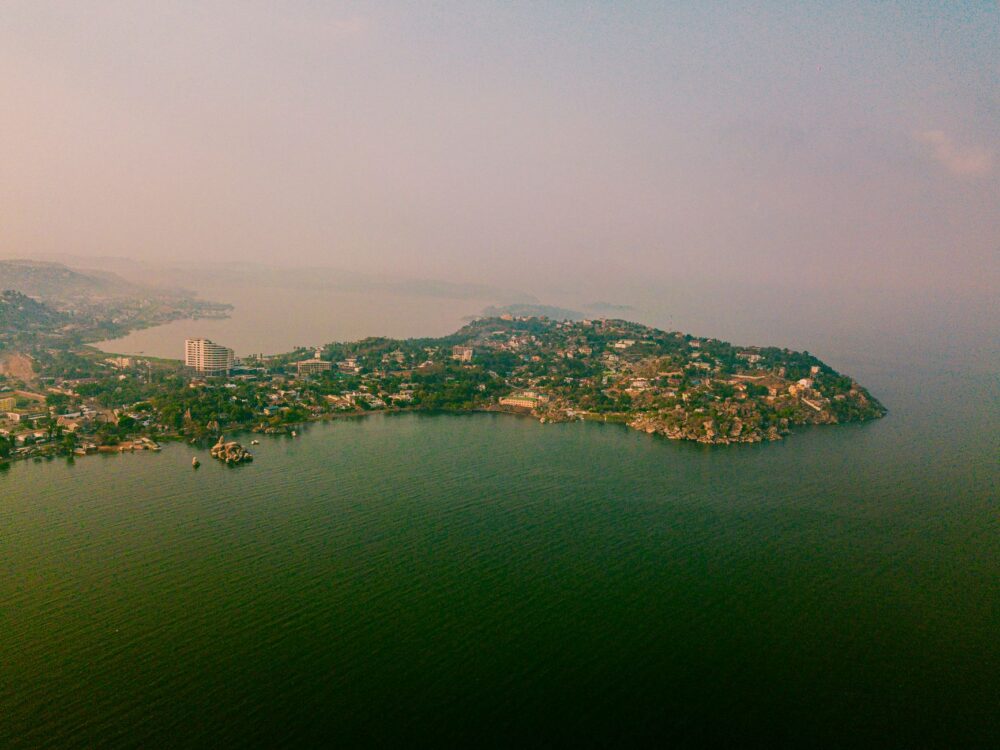
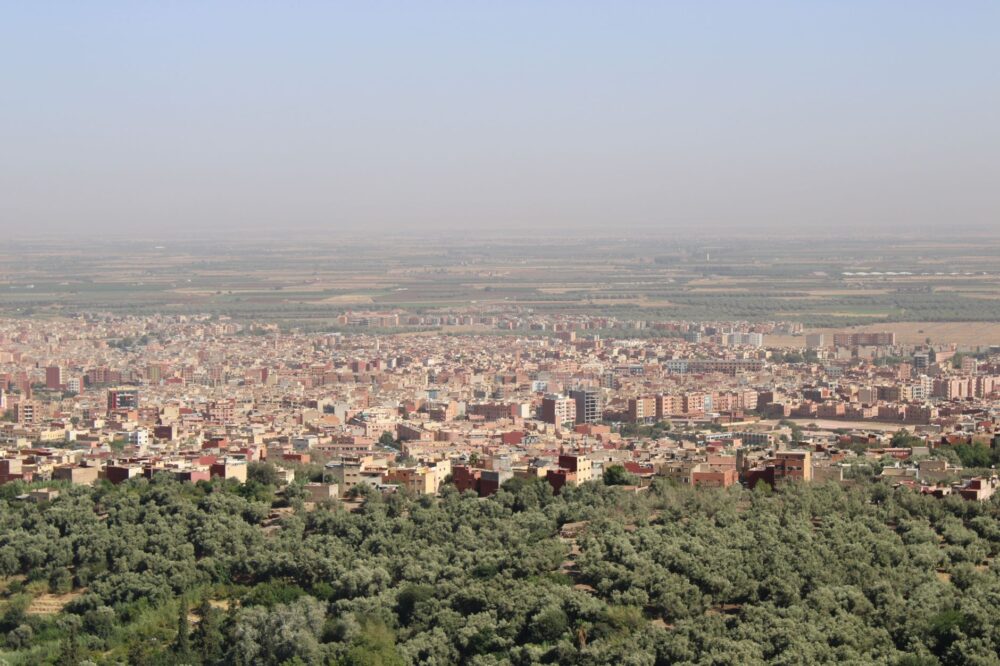
The Bunda district, located in the Mara region of Tanzania, stretches as a fascinating transitional point between inland plains and the vast aquatic basins of eastern Africa. At an elevation of approximately 1,235 metres above sea level, this enclave experiences very particular geographical conditions that shape both the daily life of its more than 180,000 residents and the planning of any adventure journey or scientific expedition.
Planning a rigorous trek in this environment requires understanding that adventure stems not from improvisation, but from absolute respect for natural cycles, local regulations, and the climatic traits of the Tanzanian savannah. Far from mass-market circuits, Bunda offers an honest window into East Africa’s geography, where every movement demands meticulous logistics and a profound grasp of the surrounding terrain. The layout of the landscape also calls for a continuous review of geographical variables that determine travel on foot or via off-road vehicles across the territory.
The relief features impose specific pacing rules that must be respected by any expeditionary team. Knowing the layout of the hills, seasonal watercourses, and alluvial plains is essential to plotting safe and efficient routes. In this context, prior study of cartography and respectful interaction with local communities become the primary tools to guarantee the success of the crossing on Tanzanian soil.
Climate and Seasonal Cycles in the Savannah
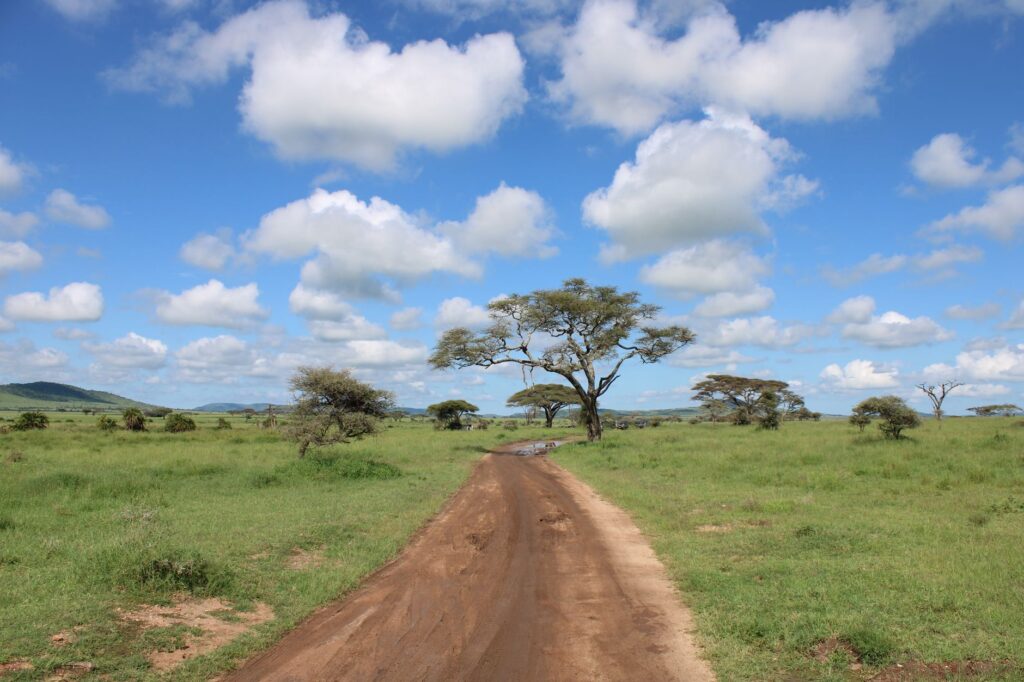
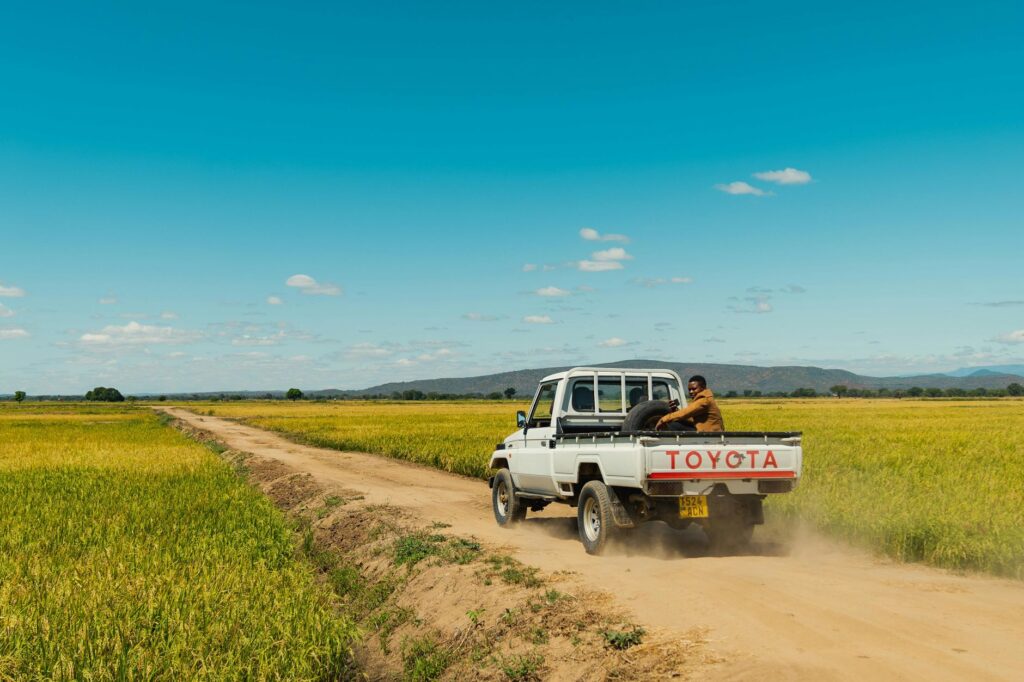
Bunda’s climate is deeply tied to the tropical rainfall regime characterizing the Mara region. Daytime temperatures are typically high, while nighttime thermal drops require proper equipment to prevent dehydration and heat exhaustion. Rainy seasons radically transform dirt roads and secondary access points, turning passable routes into complex stretches that test the logistical capacity of any expedition.
For travelers interested in active exploration, studying local weather forecasts and understanding the transition periods between dry and wet seasons is an unavoidable requirement. Safety in the field depends directly on anticipating seasonal surges in minor watercourses and avoiding travel during periods of intense storms, which are very frequent at certain times of the year. Proper hydration and constant protection against solar radiation are determining factors for maintaining group operability during long-duration marching days.
True exploration in savannah territories begins long before setting out on the trail; it lies in the capacity to read the sky, the ground, and the signs of the environment.
Permits and the Administrative Framework
Every rigorous expedition in the Bunda district must strictly align with the administrative framework and local authorities. The territorial division, structured around the District Council and various smaller constituencies such as Balili, establishes clear rules regarding access to protected zones, communal areas, and strips of ecological interest. Skipping registration procedures or ignoring guidelines from local communities not only compromises the legality of the journey but violates the basic principle of respect toward those who inhabit and protect the environment.
Explorers must arrange necessary permits well in advance with the competent offices, ensuring they carry updated documentation and comply with local fees. This administrative rigor guarantees that the presence of foreign visitors translates into a transparent and respectful exchange with the social structure of the Mara region. Maintaining fluent communication with local administrations facilitates logistical activities and prevents misunderstandings in rural areas.
Risk Management and Route Safety
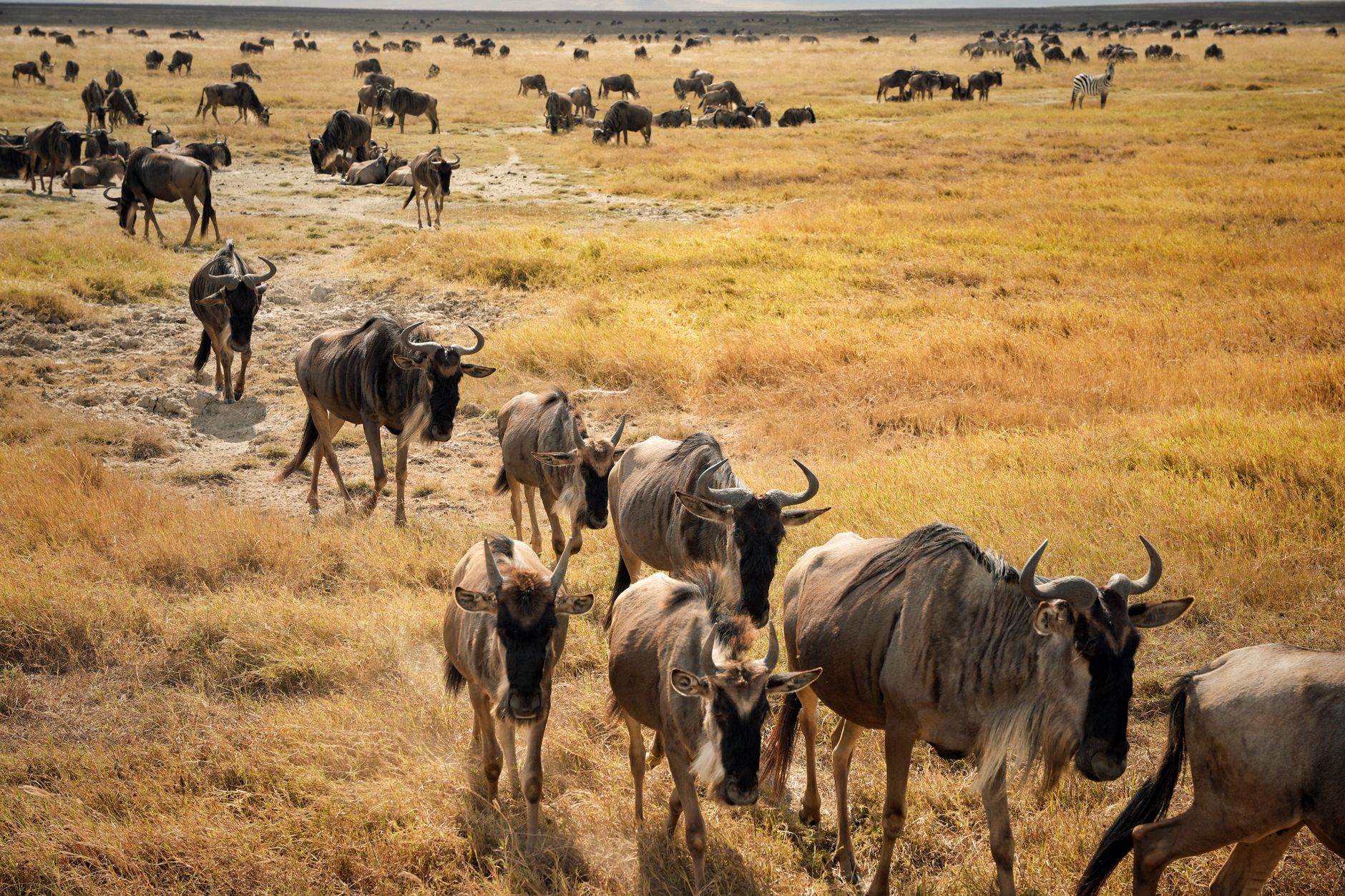
Venturing into the open spaces of Bunda involves assuming risks associated with wildlife, moderate altitude, and vast distances between inhabited settlements. Route planning must include safe water supply points, reliable communication systems, and medical evacuation protocols for serious emergencies. Local fauna, while typical of the savannah ecosystem, demands maintaining prudent distances and avoiding behaviors that might alter the natural balance or jeopardize the group’s physical safety.
Likewise, employing qualified local guides is not a luxury, but a core safety element. Their deep knowledge of trails, animal behavior, and subtle terrain variations constitutes the most valuable resource for any expedition seeking to advance with guaranteed success and minimize unforeseen issues in remote areas. Contingency scenario planning is a task that must be carried out before each daily departure, evaluating the physical condition of members and the day’s weather forecasts.
Technical Equipment and Self-Sufficiency
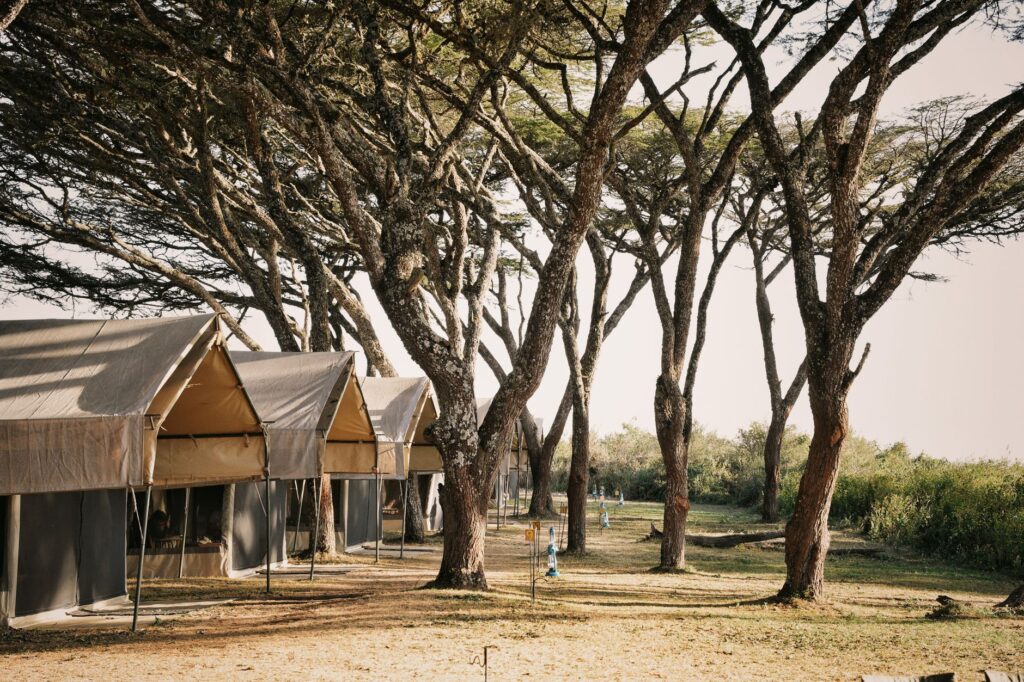
Equipment for a trek in northern Tanzania must be chosen based on durability, lightness, and functionality. Heavy cotton garments or inadequate footwear often cause skin problems and severe blisters due to the combination of heat and humidity. It is essential to incorporate high-efficiency water filtration systems, breathable long-sleeve technical clothing to protect against solar radiation and insects, and a first-aid kit adapted to common tropical ailments.
Self-sufficiency is tested when distances between settlements stretch out. Carrying proper energy rations, sufficient reserves of drinking water, and both analog and digital navigation tools ensures that a technological failure or unexpected detour does not turn into a critical situation. Periodic reviews of all technical gear prior to each stage ensure that electronic devices, portable power sources, and camping elements respond optimally under adverse conditions.
Cultural Heritage and Social Responsibility
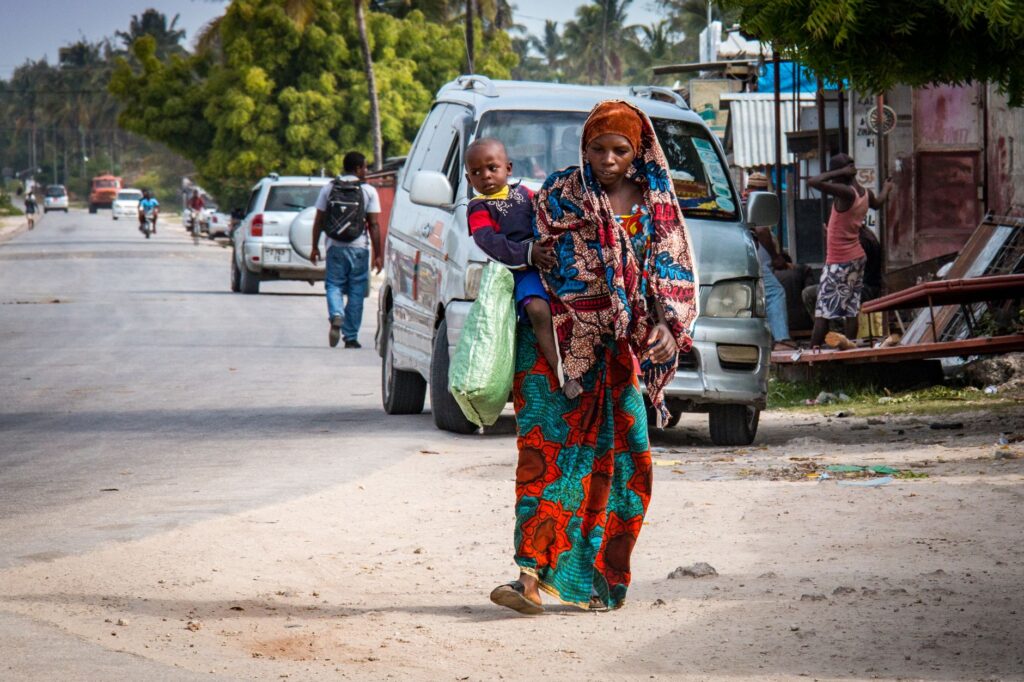
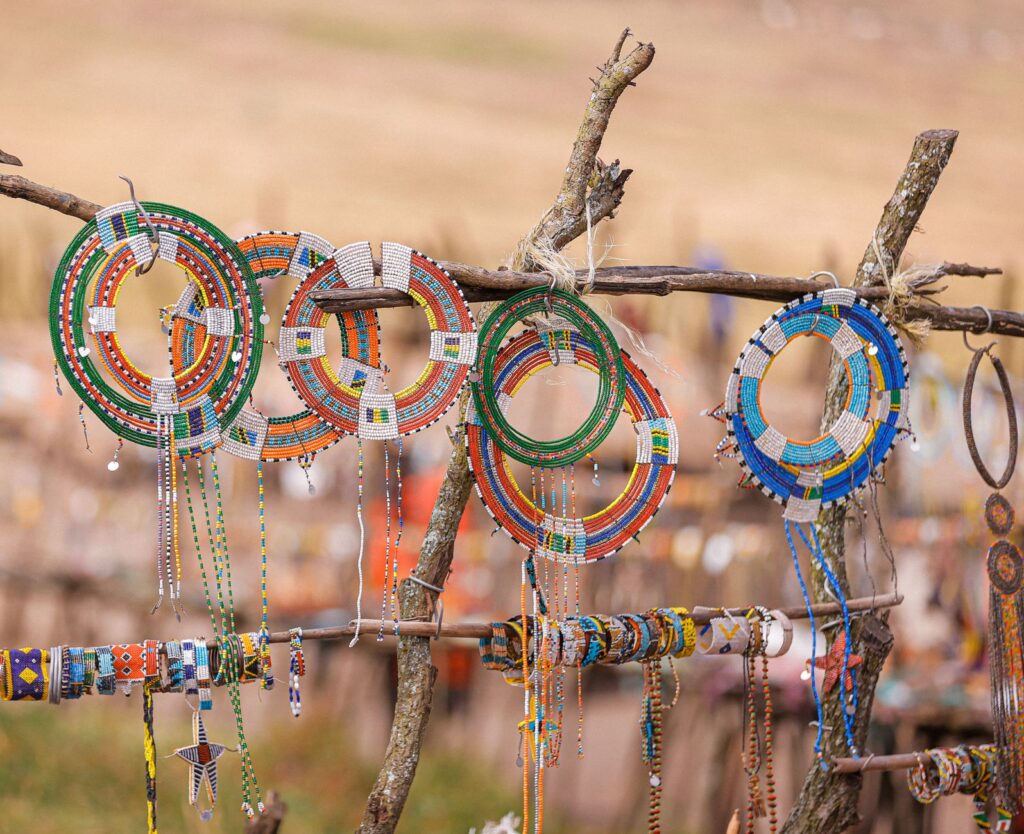
Bunda’s value lies not solely in its geographical setting, but in its rich human and cultural fabric. The communities inhabiting the district possess a deep historical memory tied to pastoralism, subsistence farming, and local trade. Approaching these realities with an attitude of listening and mutual respect greatly enriches the travel experience, moving it far away from mere tourist voyeurism.
The responsible traveler commits to leaving no ecological footprint, respecting local customs regarding clothing and photography, and positively contributing to the local economy by purchasing proximity goods and hiring services managed by area residents. This approach fosters sustainable tourism development that directly benefits families and groups settled within the territory.
Respect for Tanzania’s cultural heritage is the only valid passport for entering its territory with honesty.
Practical guide
How to get there: The main access to Bunda is by road from Mwanza, connecting via the regional road network bordering the surrounding basin.
Best time to visit: The dry season months offer the most stable conditions for land travel and wildlife observation.
Mandatory permits: It is essential to process relevant authorizations through the Bunda District Council and register the route with local authorities.
Health and vaccinations: Travelers must verify current health protocols for Tanzania, including malaria prophylaxis and mandatory entry vaccines.
Currency and payments: The Tanzanian shilling is the official currency; carrying sufficient cash is advised, as ATM availability is limited outside major urban centers.
Recommended gear: Sun-protective clothing, robust trekking boots, water purification systems, and satellite communication devices for areas lacking cellular coverage.
Environmental respect: Leaving solid waste in the savannah is strictly prohibited; all generated trash must be carried back for proper disposal.
Final Reflection on the Tanzanian Horizon
Exploring the Bunda district and its surroundings serves as a reminder that contemporary adventure is not about conquering pristine spaces, but about learning to inhabit them with humility and rigor. The plains of Tanzania demand full attention, flawless physical and logistical preparation, and an open sensitivity toward the complexity of their ecosystems and communities.
Upon concluding planning and setting preparations in motion, the traveler understands that every kilometer traversed in this corner of Africa is, in truth, an exercise in profound learning. The savannah does not surrender its secrets lightly; it confides them solely to those who approach it with patience, respect, and a deep sense of shared responsibility.