
The Fertile Pantry Along the Sebou River
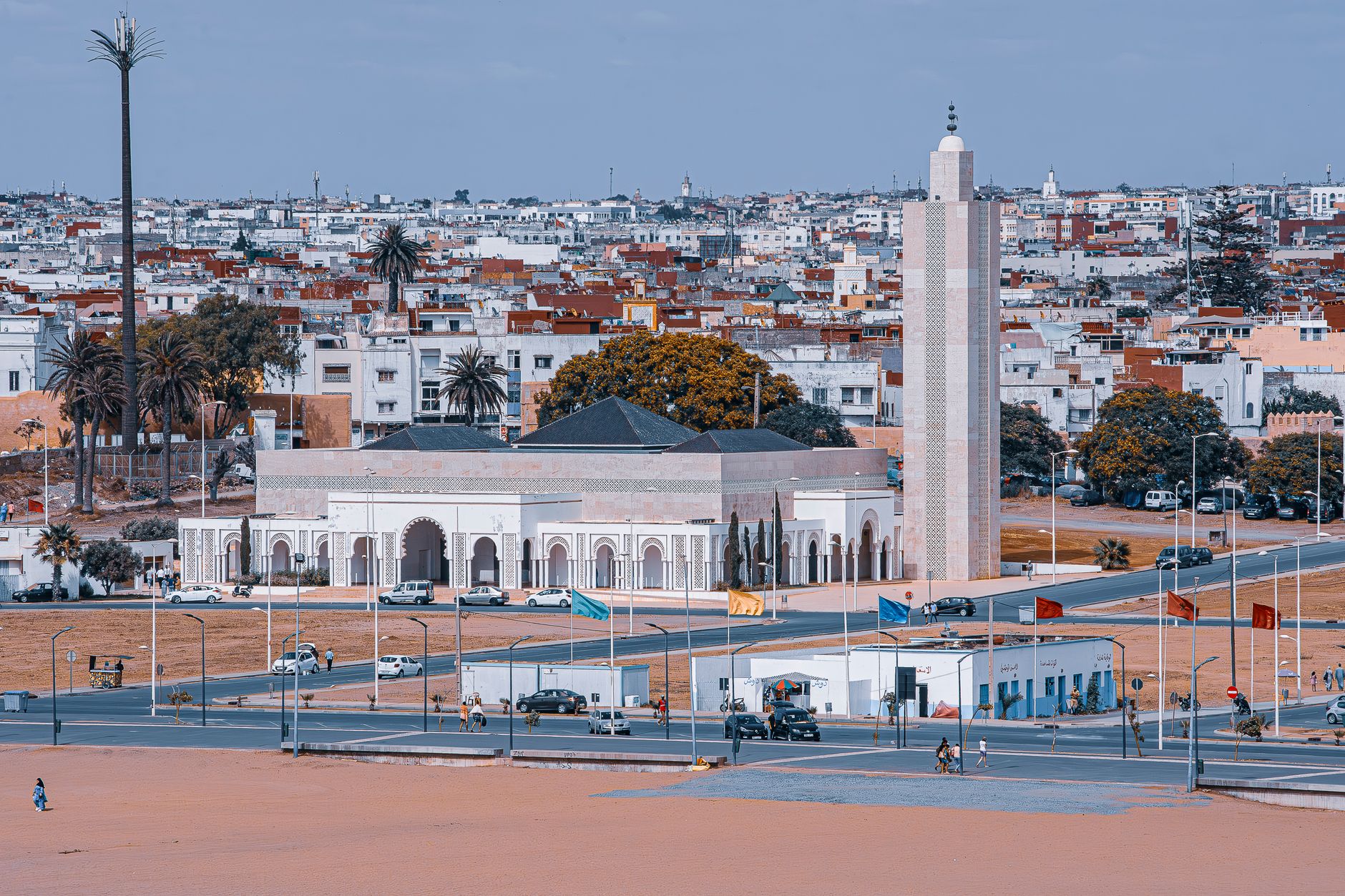
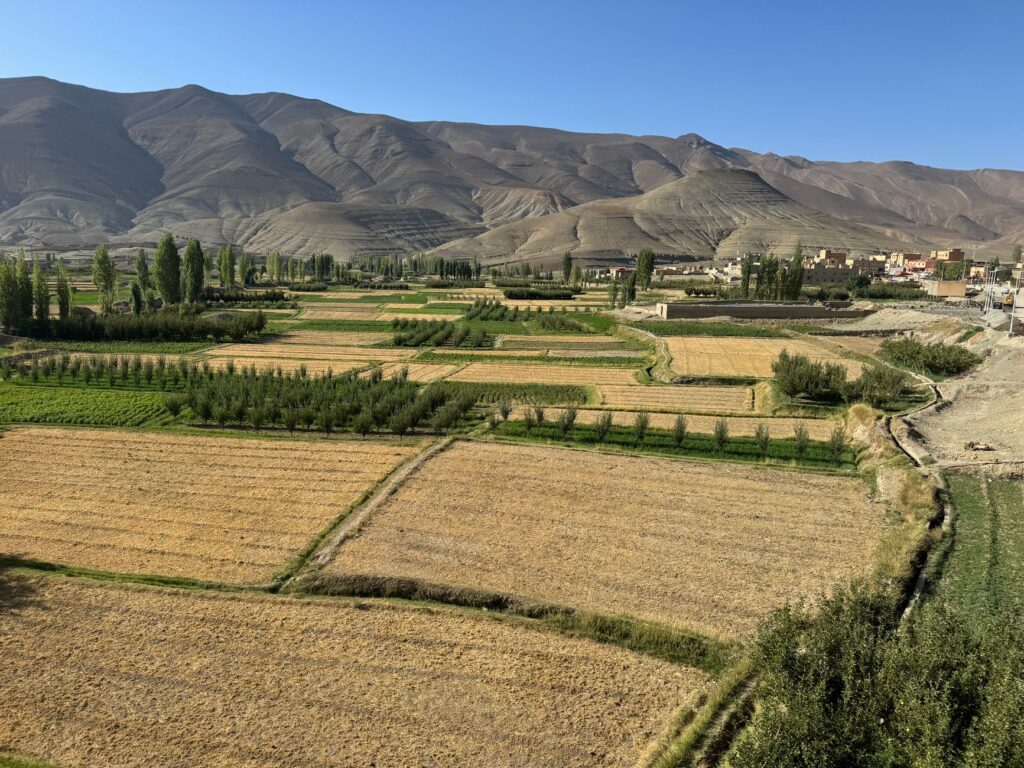
In Kenitra, a vibrant city located in the Kingdom of Morocco, daily cooking is never improvised: it is bought, negotiated, and repeated with the precision of agricultural cycles. Strategically positioned in the flatlands of the Gharb, this urban settlement of over 470,000 residents benefits from the exceptional generosity of an environment where the waters of the Sebou River and the Atlantic climate shape a garden as vast as it is diverse. Here, the everyday table stands as the direct reflection of a territory that regularly supplies neighborhood market stalls with seasonal vegetables, fragrant citrus, and grains cultivated across generations.
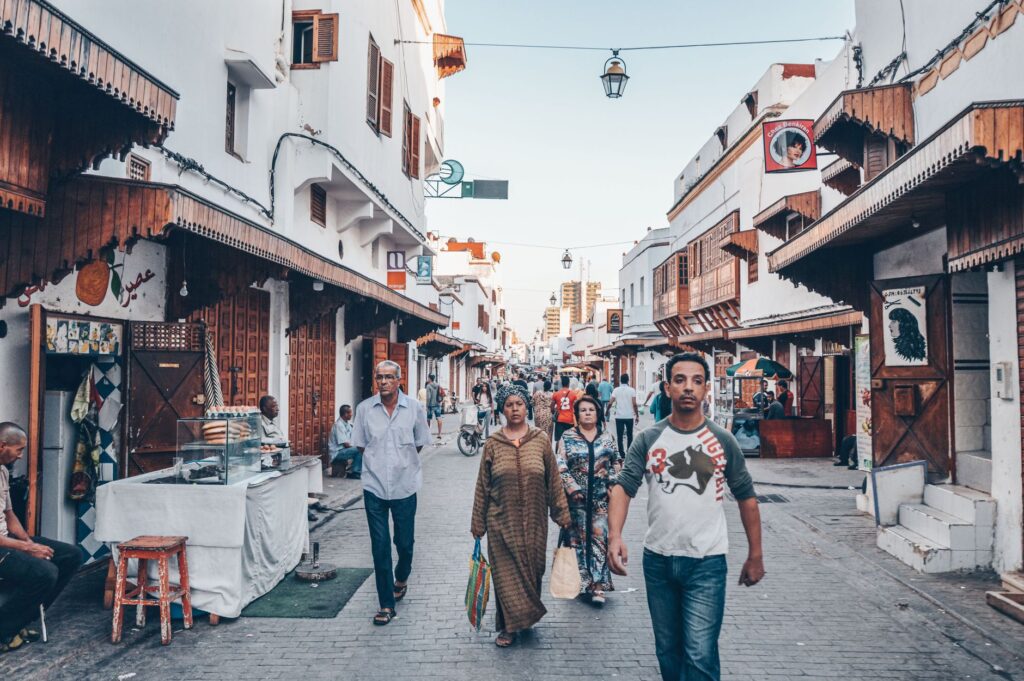
The daily pulse of the city begins long before the morning sun warms the wide avenues and residential quarters. In the food markets, local vendors neatly arrange tender carrots, bunches of fresh cilantro, turnips, and pumpkins that will form the nutritious basis of family stews. Unlike major tourist enclaves found elsewhere in the country, Kenitra retains an essentially residential and hardworking character, where diners seek the genuine authenticity of unpretentious flavors. Daily grocery shopping is viewed as a social ritual where the weight of tradition matters just as much as the visible freshness of the produce.
The urban configuration of the surrounding region favors a constant, reliable exchange between interior agricultural zones and the coast. Local families plan their weekly menus strictly around what farmers harvest at early dawn. This direct dependency on the land ensures that every home-cooked meal maintains an unbreakable link with the current season, effectively avoiding culinary monotony while actively fostering a balanced diet rooted in geography.
The Craft of Kneading Morning Bread
No dining table in Kenitra is complete without the constant, reassuring presence of daily bread. Traditional neighborhood bakeries and shared community ovens release an unmistakable aroma of toasted flour and active yeast starting from the earliest hours of dawn. Families frequently knead their own individual loaves of khobz or rely on neighborhood bakers operating on nearly every corner, utilizing stone ovens that crisp the outer crust to perfection. This round, dense bread with its characteristic spongy crumb acts as the indispensable utensil for scooping up broths, oils, and rich sauces.
Grain is far more than a simple basic food item; it forms the true backbone of the domestic economy. Counters proudly display various grades of durum wheat semolina destined for the traditional Friday couscous, a communal dish that brings together multiple generations around a single shared bowl. The careful selection of meats and vegetables accompanying this ritual is performed with immense care, prioritizing lean cuts and vegetables that impart natural sweetness to the broth after hours of slow simmering in traditional clay pots.
The collective effort required to prepare the daily bread reflects the strong social cohesion typical of Moroccan neighborhoods. Neighbors willingly share communal ovens and ancient techniques transmitted directly from parents to children, ensuring that traditional methods of fermentation and artisanal kneading endure virtually unedited in the face of modern food industrialization.
Spices, Broths, and Memory in the Pot
The Moroccan pantry finds in Kenitra a harmonious synthesis of Atlantic and continental flavor profiles. The traditional spice shops located in the bustling city center proudly display open sacks of aromatic cumin, sweet paprika, golden turmeric, and pungent ginger, ingredients that local cooks combine with remarkable mastery to elevate raw agricultural produce. The objective is never to mask the food, but rather to enhance its inherent essence through patience and the measured application of seasonings in lamb tagines with fresh vegetables or in ocean fish arriving from the nearby coast.
The everyday kitchen of Kenitra represents a continuous dialogue between the alluvial soil of the Gharb and the inherited skill of those who transform fresh produce into daily sustenance without fanfare.
This careful balance between simple, wholesome ingredients and the technical precision of cooking times defines the local gastronomic identity. Broths are routinely enriched with extra virgin olive oil sourced directly from surrounding olive groves, providing a rich, unctuous base that infuses every single dish with unmistakable herbal and fruity notes.
The strategic use of traditional clay cooking vessels allows flavors to concentrate gradually, achieving wonderfully tender textures that comfort the palate. Each individual household guards its own precise proportions and secret spice blends, turning the preparation of a humble stew into a profound act of personal and familial identity deeply anchored in local heritage.
Catch of the Day and Atlantic Influence
Due to its strategic geographical proximity to the Atlantic Ocean and the river estuary, Kenitra’s culinary offering naturally incorporates rich marine resources. In local markets, polished trays of fish display silver sardines, fresh sea bream, and diverse shellfish unloaded by local fishermen who strictly comply with current sustainability quotas and environmental regulations. Home preparation is typically straightforward: light frying with minimal batter or simple oven-roasting accompanied by thin slices of tomato and peppers.
This impressive marine versatility demonstrates that the Kenitran table does not turn its back on water, but instead integrates the generous treasures of both sea and river into a single cohesive domestic repertoire. Families value complete traceability when purchasing fish, preferring whole specimens that allow them to check the sparkling clarity of the eyes and the firm consistency of the flesh, thus guaranteeing a healthy lunch deeply tied to the natural surroundings.
Deep respect for marine resources translates directly into a rigorous selection process at the retail counter. Regular shoppers actively converse with fishmongers concerning the exact origin of daily catches, fostering an enduring relationship of trust that guarantees absolute freshness before the ingredients ever reach home kitchens.
The Tea Ritual and Neighborhood Pastries
No meal concludes in Kenitra without the emblematic ritual of Moroccan mint tea, an essential beverage that acts as a powerful catalyst for hospitality and unhurried conversation. Preparation demands precise technique: a careful mixture of gunpowder green tea, fresh spearmint leaves, and a generous amount of sugar is properly infused and poured from a distinct height to generate a characteristic foam that expertly aerates the warm infusion.
Accompanying the aromatic tea, local neighborhood pastry shops offer fine-dough specialties such as almond-filled gazelle horns or traditional honey-and-sesame pastries. These delicate sweets are not consumed exclusively during major religious celebrations, but form an integral part of the daily rhythm of afternoons in local cafes, where patrons actively debate current events and community matters in an atmosphere of respectful coexistence.
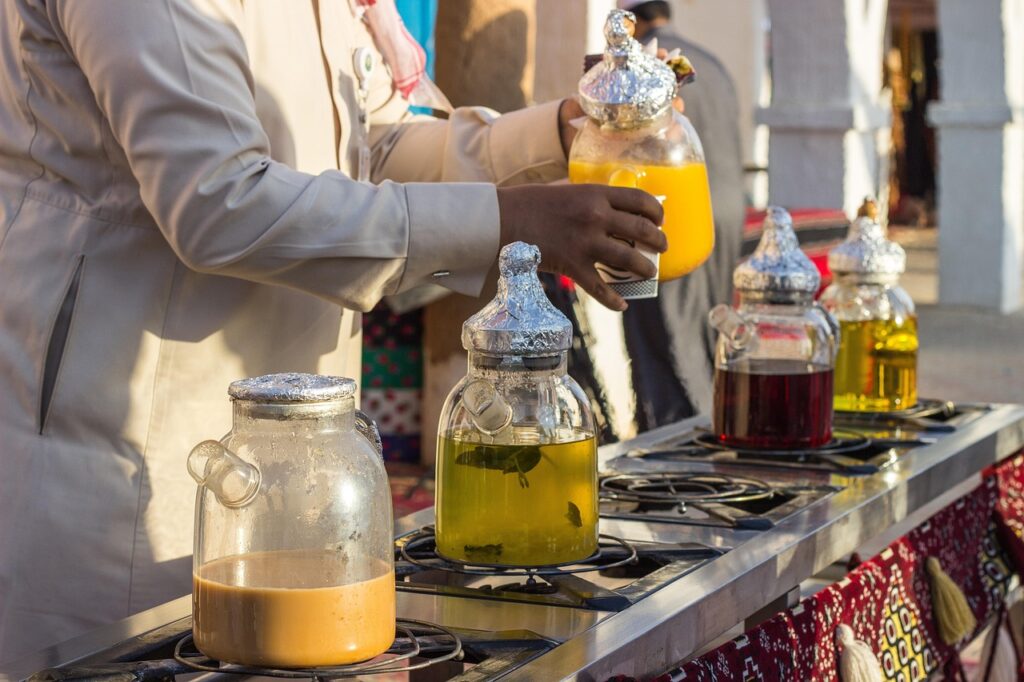
This welcoming social space centered around the tea tray consolidates vital neighborhood bonds and offers an indispensable pause amidst the routine of daily life. The notable mastery involved in pouring the tea from above is traditionally considered a minor art form requiring constant practice and attention, symbolizing deep care and hospitality extended toward every guest or visiting family member.
Responsible Choices for Visitors at the Local Table
For travelers arriving in Kenitra, approaching its rich gastronomy involves adopting an attitude of sincere respect and active listening. Far from seeking prepackaged tourist experiences, the most responsible decision consists of consuming meals at small establishments run by local families, respecting established business hours, and valuing seasonal produce without demanding out-of-season items.
Resource efficiency and proactive food waste reduction are deeply rooted values in the everyday life of the city. Buying the exact quantity needed at traditional market stalls, utilizing reusable shopping bags, and maintaining a cordial, polite rapport with merchants helps preserve a sustainable and authentic socioeconomic fabric, where visitor tourism integrates harmoniously into the ongoing lives of permanent residents.
The deliberate adoption of these conscious consumption guidelines by visitors actively prevents the oversaturation of traditional spaces and ensures that prices for basic food staples remain fully accessible to the local population, thereby protecting the fundamental social cohesion of the municipality.

Practical guide
- How to get there: Kenitra features excellent rail and road connections originating from Rabat and Casablanca, facilitating fast and direct public access.
- When to go: Spring and autumn months offer optimal weather temperatures for touring open-air markets and enjoying local gastronomy comfortably.
- Main markets: The central municipal market and traditional neighborhood souks are the absolute best spots to observe the immense variety of agricultural produce from the Gharb.
- Table etiquette: It is customary to use bread as the primary utensil for many traditional dishes and to graciously accept mint tea as a sign of local hospitality.
- Accommodation: Functional urban hotels and well-appointed rental apartments managed directly by local residents predominate across the city.
- Responsible shopping: Purchase spices, olive oils, and artisanal goods directly from neighborhood shops to actively support the local economy.
The Living Legacy of an Unpretentious Kitchen
At the end of the day, the culinary experience in Kenitra leaves an enduring impression rooted firmly in authenticity and profound respect for the rhythms of the land. The table of this Moroccan corner does not seek global applause, but rather the intimate satisfaction of a job well done, where every single ingredient tells a compelling story of perseverance and community roots.
The impressive longevity of these time-honored culinary customs clearly demonstrates that the true wealth of the region lies in unwavering fidelity to its rich agricultural and fluvial roots. Far from fleeting commercial trends, the everyday kitchen of Kenitra stands tall as a living heritage that continuously nourishes both the physical body and the spiritual well-being of all who inhabit this fertile Moroccan territory.