
The Geography of the Buenos Aires Table
Within the urban fabric of the province of Buenos Aires, daily life in Jose C. Paz beats to the rhythm of its local markets and the aromas that drift each morning from neighborhood bakeries and grocery stores. Located in the northwestern sector of the Greater Buenos Aires conurbation, this municipality combines a rich history of demographic growth with a solid culinary tradition rooted in the Argentine family table. Here, everyday cooking is not an isolated event, but the direct consequence of a cultural heritage where Creole roots and successive migrations have shaped the identity of the region.
Strolling through the streets of Jose C. Paz at dusk reveals how the provisioning of thousands of households is organized. Neighborhood shops, from greengrocers to traditional pantries, act as meeting points where the ingredients for the day are negotiated. Far from standardized commercial routes, the gastronomic pulse of this Argentine corner is sustained by the consistency of residents, bakers, and small-scale producers who preserve techniques of kneading, baking, and food preservation handed down through generations.
The Aroma of Flour and Everyday Fire
Bread and baked goods occupy a central place at the daily table in Jose C. Paz. From the early hours of dawn, the ovens of local establishments begin to warm the air, releasing an unmistakable aroma of yeast, animal fat, and toasted flour that heralds the start of the day. This daily baking ritual responds to a deeply rooted custom in the province of Buenos Aires, where fresh bakery products accompany both morning mate infusions and the main meals of midday and evening.
The preparation of pastries, crackers, and homemade bread requires precise knowledge of fermentation times and oven temperatures. The master bakers of the district combine traditional hearth ovens with the rigorous selection of raw materials available in local markets. The quality of daily bread depends on patience in kneading and respect for resting times. This elementary principle guides the daily work of laborers and dough artisans who sustain the food sovereignty of the neighborhoods of Jose C. Paz without advertising fanfare.
Supply Markets and Household Economy
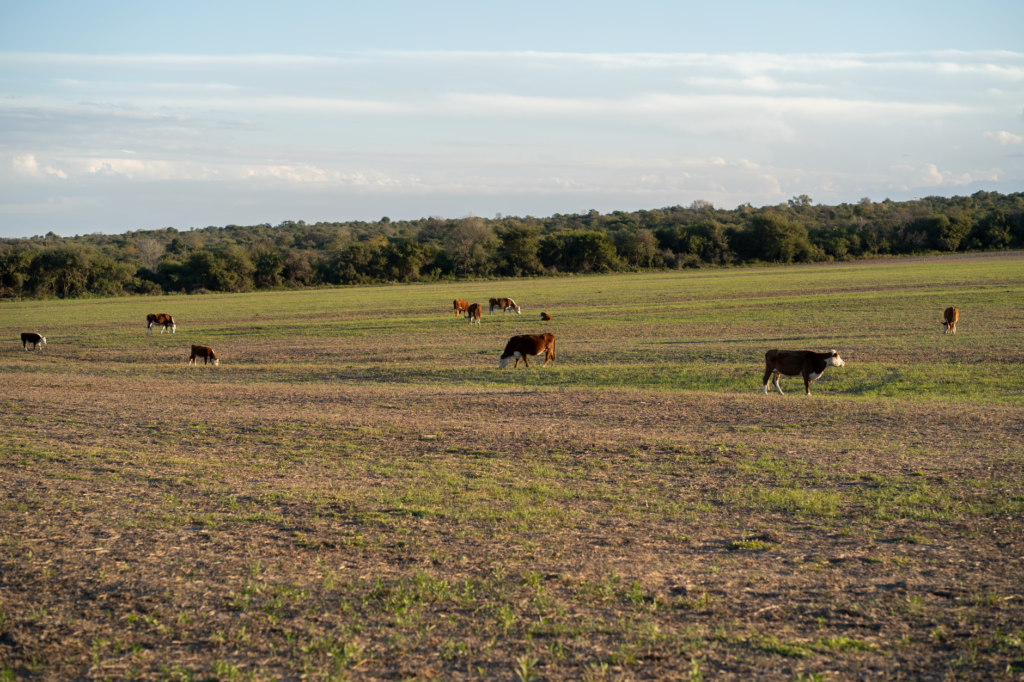
Provisioning in Jose C. Paz is structured around neighborhood fairs and supply markets where the relationship between buyer and seller retains a markedly human character. These spaces offer seasonal vegetables, cuts of beef derived from the Pampas cattle-raising tradition, and dry goods essential for the region’s daily cooking. The choice of ingredients reflects a household economy based on seasonality and the optimization of resources available within the Argentine internal market.
Unlike globalized consumption centers, the markets of Jose C. Paz reflect the socioeconomic reality of a working community that prioritizes the heartiness and yield of dishes. Stews, fresh vegetable soups, and oven-baked preparations form part of a versatile recipe book that adapts to both cold winter months and warm summer afternoons on the Buenos Aires plains. Each vegetable stall and neighborhood butcher shop functions as a living archive of local culinary memory.
The Shared Ritual of Lunch and Dinner
In the households of Jose C. Paz, the table is the axis around which family organization revolves. Lunch, when working conditions permit, and the family dinner bring together several generations around plates where meat, potatoes, and legumes claim undisputed prominence. This habit of eating in company reinforces community ties and consolidates a sense of territorial belonging that transcends social differences.

The influence of European communities that arrived in Argentina throughout the nineteenth and twentieth centuries is evident in the preference for homemade pasta, pot stews, and breaded meat cutlets prepared with economical yet tender cuts. These recipes, adapted using ingredients found in the local market, constitute a living heritage passed down from mothers to children through daily practice and the exchange of culinary advice among neighbors.
The Memory of Street Corners and General Stores
The urban landscape of Jose C. Paz preserves traditional street corners where old general stores have given way to modern neighborhood shops that retain the spirit of personalized service. In these establishments, residents purchase loose goods, from dry pasta to aromatic herbs, that complete the daily pantry. The wooden counter and the credit ledger are silent witnesses to a form of neighborhood commerce that resists the homogenization of large retail spaces.
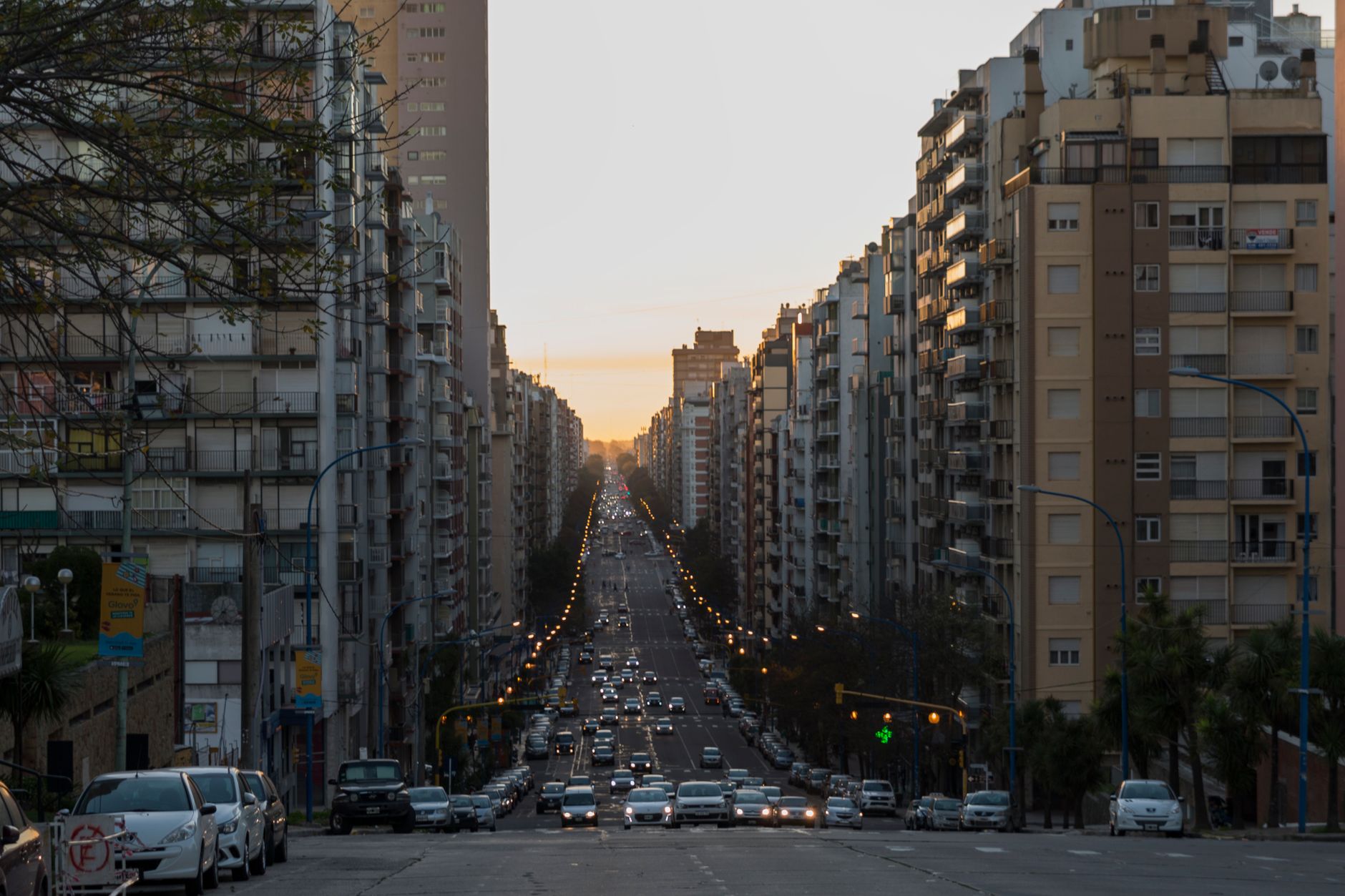
Walking through these blocks allows observers to witness the coexistence of low-rise residential buildings and small craft workshops. Life unfolds without the rush of major metropolises, yet under the constant tension of a dynamic urban economy. Small neighborhood commerce is the true economic and social lung of the districts of Jose C. Paz. Without its existence, the daily fabric would lose its primary point of community cohesion and self-sufficiency capacity.
Sustainability and Responsible Consumption Locally
Facing contemporary environmental and economic challenges, the everyday gastronomy of Jose C. Paz raises questions about the sustainability of urban consumption. Reducing food waste, utilizing vegetables in their entirety, and favoring nationally sourced products shape daily practices that, without carrying ecological labels, contribute to a more rational and conscious food model.

Local consumers evaluate each purchase based on its durability and caloric yield, prioritizing fresh foods over industrial ultra-processed items. This popular wisdom, rooted in necessity and accumulated experience, offers valuable lessons on how to maintain a balanced diet in contexts of budgetary limitation, revaluing the effort implicit in every link of the Buenos Aires food chain.
Culinary Identity and Community Resilience
Beyond the mere act of feeding, the culinary expressions found in Jose C. Paz serve as a living testimony of community endurance. The ability to adapt traditional recipes to the changing availability of local supplies demonstrates an innate resilience shared by families across the district. This daily inventiveness ensures that culinary traditions remain dynamic rather than static museum pieces.
Culinary gatherings during local festivities and family weekends further reinforce this social cohesion. The sharing of recipes across generations acts as a cultural anchor, maintaining a connection to ancestral cooking methods while simultaneously embracing the practical realities of modern life in the province of Buenos Aires.
Practical guide
How to get there: Jose C. Paz is connected to the Autonomous City of Buenos Aires via the San Martin railway line and various bus routes operating within the metropolitan area.

When to visit: Any time of year is suitable for experiencing the daily life of the locality, with autumn and spring being the most pleasant months for exploring the markets on foot.
Accommodation: Direct hotel options within the municipality are limited, prompting many visitors to stay in neighboring districts of the conurbation or in the federal capital.
Recommended gastronomy: Try Creole empanadas, homemade bread baked in earth ovens, and classic traditional pot stews characteristic of Argentine cooking.
Local shopping: Visit the neighborhood fairs and markets to purchase fresh seasonal produce and artisanal bakery specialties.
Respect and neighborliness: Maintain a respectful attitude in local shops, avoid blocking walkways in the markets, and support neighborhood commerce during your stay.
The Everyday Horizon of the Plain
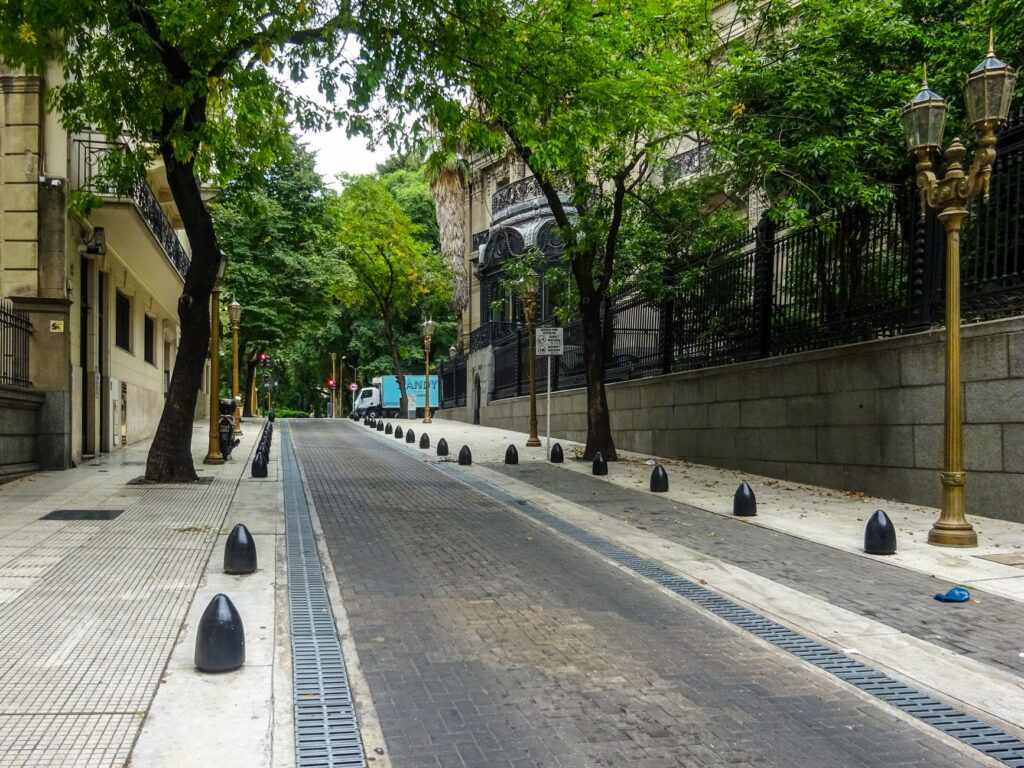
As evening falls, the golden light of the province of Buenos Aires bathes the tree-lined streets of Jose C. Paz, sketching a scene of neighborhood calm before dinner. The routine of the ovens, the murmur of the fairs, and the hustle of neighborhood stores form a discreet yet steady symphony that defines the true essence of this Argentine corner. Far from mass tourism circuits, the locality offers the attentive traveler an opportunity to contemplate the unyielding dignity of a community that bakes its own future every single day.