
Beneath the Chacabuco Valley Sun
A short distance north of Santiago’s metropolitan bustle, the valley of Colina unfolds across a landscape where the Andes Mountains stand in silent, imposing watch. In this corner of Chile’s Metropolitan Region, urban life coexists with an agricultural and artisanal past that resists the swift currents of modernity. Bathed in a clear, open light, the town’s streets retain the unhurried cadence of communities where distances are still measured by friendly neighborhood greetings and the passage of time is marked by the sun.
The natural environment serves far more than a scenic backdrop; it provides the raw material upon which local culture has been built for generations. The clay-rich earth of the surrounding hills has long been used to mold utensils, tiles, and figurines that tell the story of a craft passed down through families. Here, heritage is not locked away in institutional display cases, but is actively lived in family workshops and backyards where clay is kneaded with patient dedication.
Memory Shaped by Human Hands
The traditional pottery craft stands as one of the firmest pillars of cultural identity in Colina. Far from mass industrial manufacturing, local artisans continue to employ ancestral techniques that demand both physical dexterity and a deep understanding of drying and firing times. Each ceramic piece bears the distinct fingerprints of a manual process that embraces imperfection as a hallmark of authenticity.
This craft goes far beyond the creation of utilitarian objects; it functions as a community language. Around the potter’s wheel and the wood-fired kiln, conversations unfold concerning the weather, crop yields, and changes in the local landscape. New generations of creators face the ongoing challenge of keeping these traditional skills alive while exploring contemporary designs that converse with modern aesthetics, ensuring the survival of a fragile yet resilient heritage.
Clay does not lie; it demands time, attention, and a profound respect for the natural elements that surround it.
The preservation of these artisan techniques demonstrates that local development does not depend solely on rapid modernization, but on a community’s ability to recognize the enduring value of its roots. Local fairs and gatherings of folk artists serve as vital exchange spaces where visitors can understand that every vessel or sculpture is a fragment of the valley’s collective memory.
Everyday Life in Squares and Corners
Beyond workshops and rural vistas, the pulse of Colina is experienced most vividly within its public spaces. The main square and neighborhood plazas act as the social lungs of the municipality, bringing together elders enjoying the shade, children playing after school, and neighbors exchanging local news. It is in this daily coming and going that the true face of the community is revealed.
The local architecture blends continuous-façade heritage homes with modern constructions responding to recent demographic growth. Yet this dynamism has not erased the warmth of neighborhood interaction. Street corners still house long-standing family shops, traditional bakeries, and corner groceries that function as informal information centers and anchors of social cohesion.
Respect for neighborhood coexistence is evident in the care given to public spaces and active participation in local festivities that celebrate both agricultural harvests and civic traditions. For the traveler who arrives without haste, observing this daily social fabric offers a lesson in hospitality and rootedness rarely found along standard tourist routes.
Architectural Heritage and the Rural Landscape
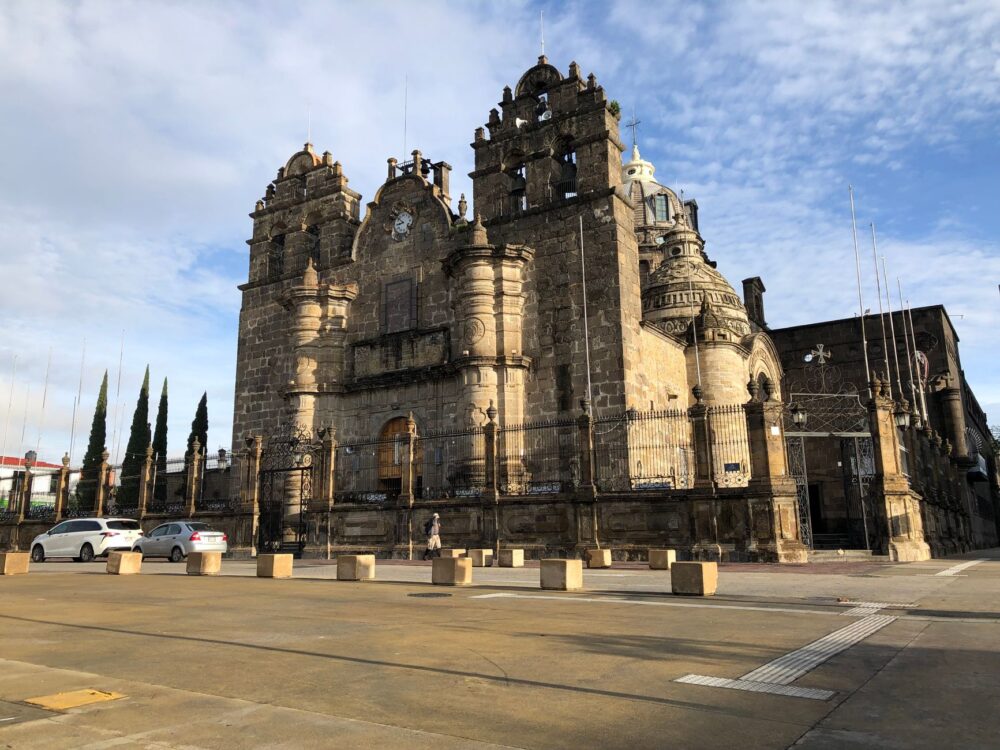
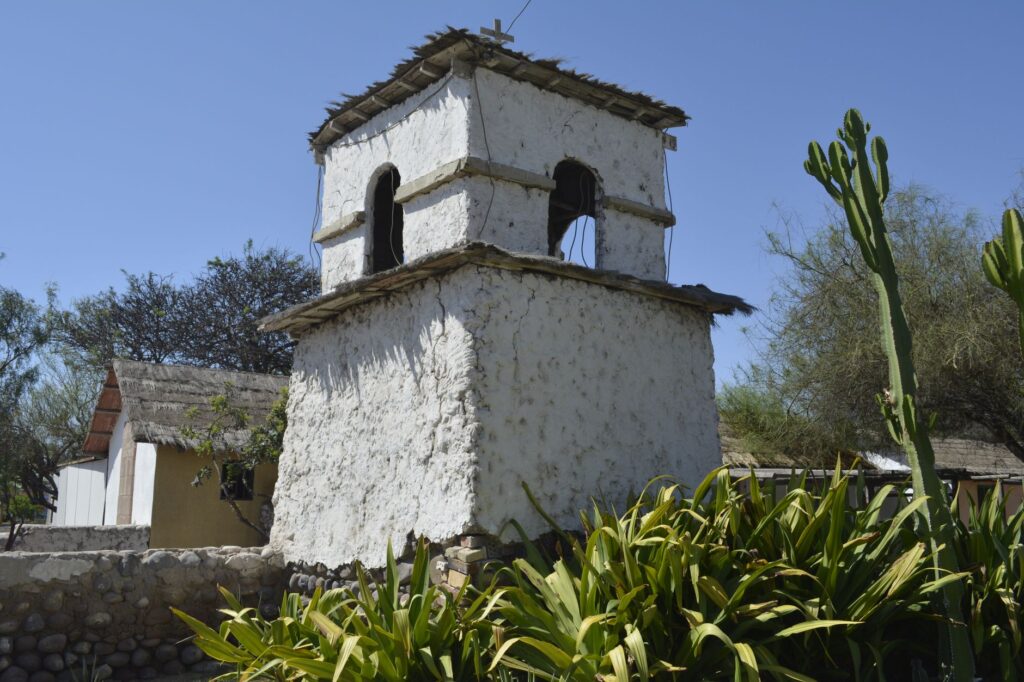
The territory of Colina preserves historic buildings that recall its past as a region of large estates and cattle trails. Traditional courtyard houses, featuring adobe walls and clay tile roofs, blend harmoniously into a rural landscape defined by irrigation canals, farming fields, and low-altitude hills. These architectural elements tell a story of human perseverance adapted to the arid conditions of central Chile.
The preservation of these heritage buildings faces constant challenges from real estate pressures and disorderly urban expansion. Various local groups and organized residents advocate for the protection of these historical landmarks, understanding that without architectural memory, towns lose their cultural depth. Walking past these centuries-old walls reveals how the physical environment shapes and enriches the lives of its inhabitants.
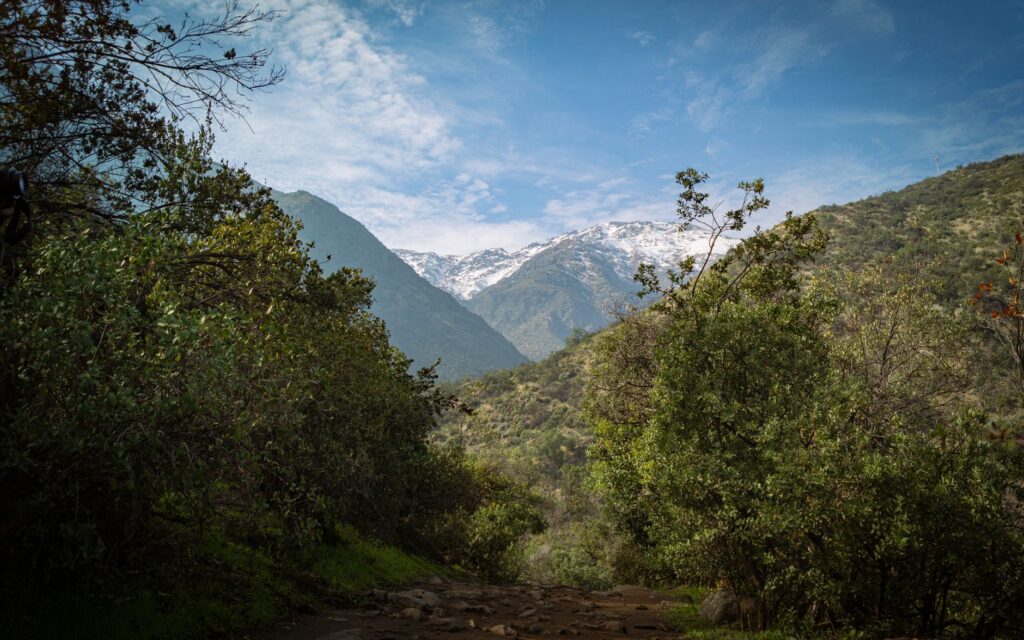
Trekking routes and trails ascending into the Andean foothills complement this built heritage with a natural environment of high ecological value. Native flora, including chaguales, quillayes, and espinos, provides a refuge for wildlife adapted to the Mediterranean climate, underscoring the importance of protecting local ecosystems against urban sprawl.
Traditional Cuisine and the Flavors of the Valley
The gastronomy of Colina reflects the generosity of its soil and the blend of criollo influences that define central Chile. In traditional eateries and local market stalls, dishes are prepared following recipes handed down through generations, utilizing fresh ingredients harvested from nearby orchards.
Preparations centered on corn, slow-cooked meats, legumes, and seasonal vegetables anchor a table that invites unhurried conversation. This is not sophisticated haute cuisine, but culinary honesty—comforting flavors that reconnect diners with the changing seasons and the labor of local farmers. Freshly baked bread and traditional empanadas form part of a daily ritual celebrating the simple act of sharing a meal.
Eating here is an exercise in collective memory where every ingredient tells the story of water, earth, and human effort.
Responsible consumption and support for local producers have become essential for keeping this culinary heritage alive. Travelers who choose to dine in family-run fondas and neighborhood markets contribute directly to the local economy and ensure the survival of authentic flavors that risk being diluted by global uniformity.
Responsible Decisions for the Contemporary Traveler
Exploring Colina from a respectful perspective requires an active commitment to the cultural and environmental sustainability of the territory. Mass, uninformed tourism can disrupt fragile community dynamics and place unnecessary pressure on the valley’s water resources, which already face significant climatic challenges.
Travelers who choose to stay in local accommodations, use public transportation, or hire neighborhood guides promote a development model that directly benefits residents. Furthermore, respect for local customs, care for native flora along hiking trails, and appreciation for regional artistic expressions are indispensable practices to ensure visits leave a positive, non-invasive footprint.
Sincere curiosity and a willingness to listen to the stories of local inhabitants remain the best tools for an enriching journey. Far from seeking artificial attractions or staged tourist shows, the true value of the experience lies in understanding how a contemporary community cares for its past while building its future.
Practical guide
How to get there: Colina is located about 26 kilometers north of Santiago, Chile. It is accessible by car via Route 5 North or the Los Libertadores Highway, as well as through interurban bus services and metropolitan public transport connecting regularly with the capital.
When to go: The climate is Mediterranean, featuring warm, dry summers and mild winters that turn cool at night. Spring (September to November) and autumn (March to May) offer ideal temperatures for exploring natural trails and enjoying outdoor activities without the intense heat of January and February.
What to see and do: Visit traditional pottery workshops, walk around the main square and its historic surroundings, embark on low-to-moderate difficulty hikes in the Andean foothills, and sample traditional cuisine in local markets and criollo restaurants.
Visitor recommendations: Wear comfortable footwear suitable for dirt roads and mountain trails, carry sufficient drinking water, respect private property in agricultural areas, purchase handicrafts directly from makers to support the local economy, and avoid leaving waste in natural or public spaces.