
Cali and the Daily Beat of a Vallecaucan Geography
Situated in the department of Valle del Cauca at an elevation of approximately 923 meters above sea level, the city of Cali unfolds as a territory where tropical geography and colonial history maintain a constant dialogue. With a population exceeding two million residents, this Colombian metropolis is more than a mere transit point in the Andean-Pacific corridor; it is a complex cultural nexus. Here, the afternoon warmth does not paralyze life but rather activates public spaces, tree-lined squares, and sidewalks where ancestral traditions and contemporary dynamics converge.
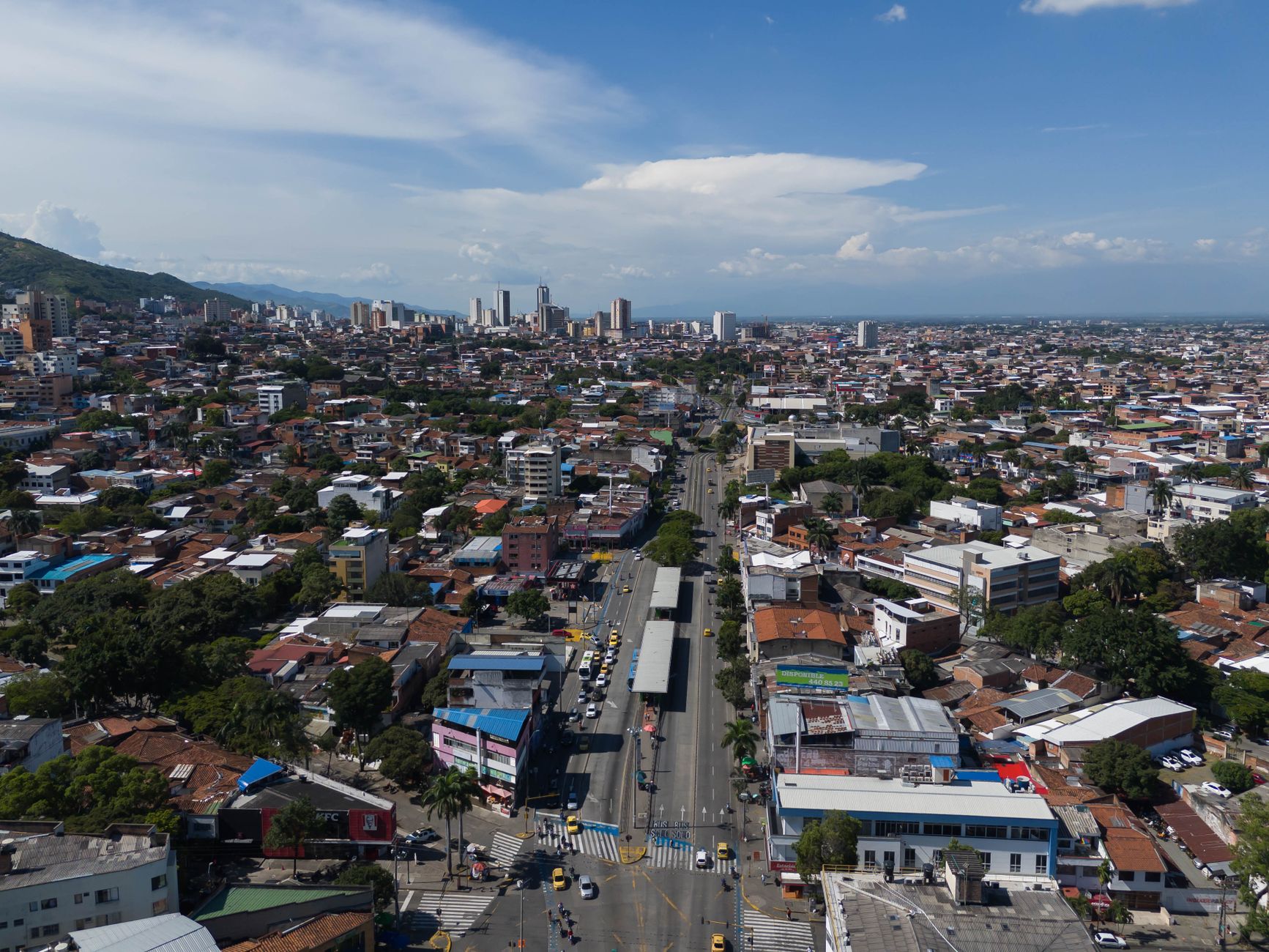
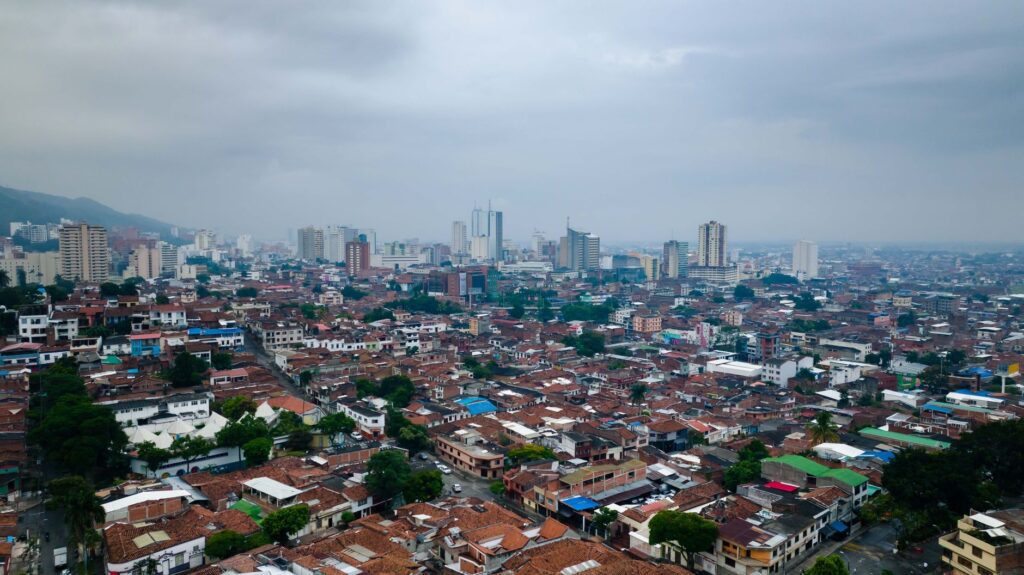
Cali’s urban layout reveals overlapping layers of memory. From the San Antonio neighborhood, perched on a low hill offering a panoramic view of clay tile roofs, to the bustling corridors of anisotropic neighborhoods, the city invites deliberate observation. Visitors who choose to walk these streets discover that the true Caleño essence resides in details: the open entryways of traditional houses, the distant sound of percussion, and spontaneous neighborhood conversations that defy modern haste. This living heritage is not displayed behind museum glass, but rather manifests in how residents inhabit and care for their surroundings.
Republican Architecture and the Haven of Ancient Temples
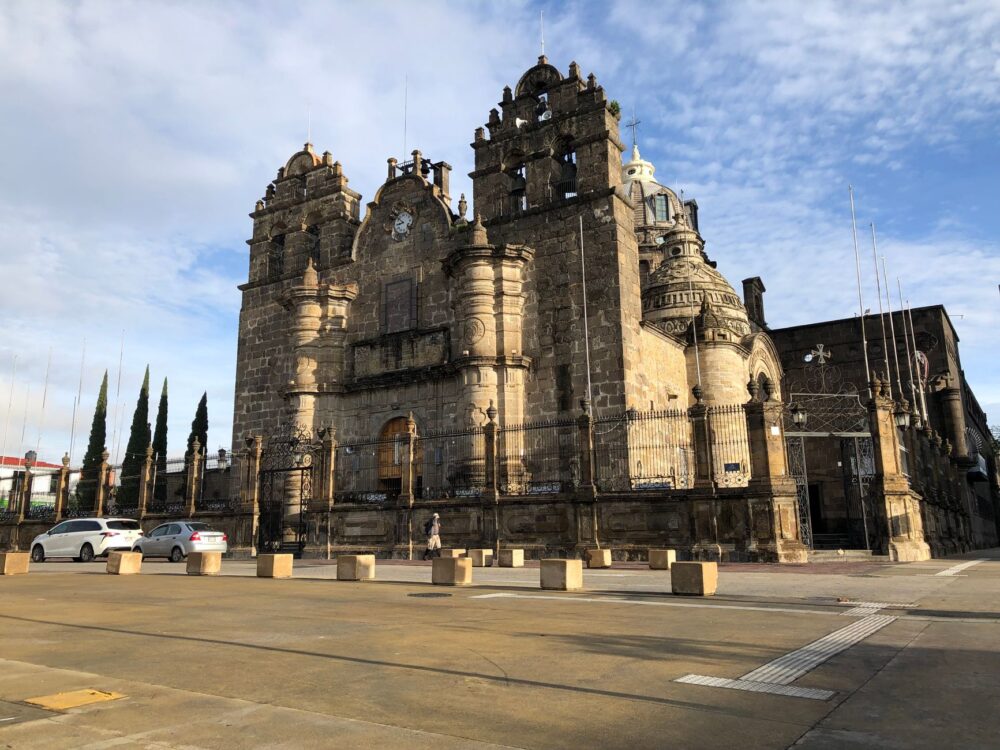
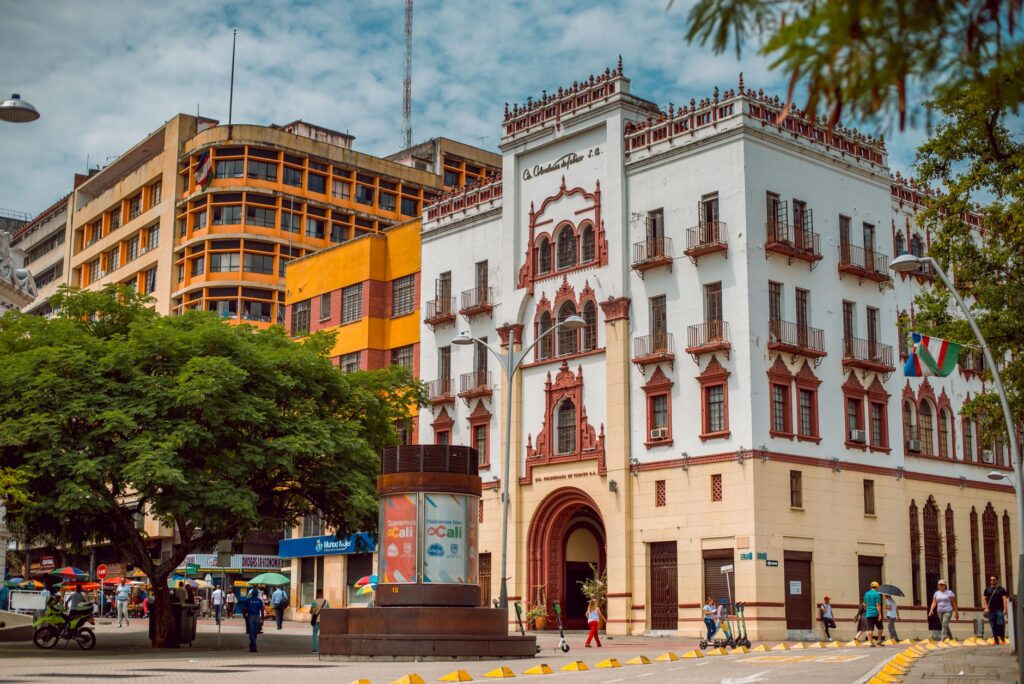
Cali’s architectural heritage serves as a tangible testimony to its historical evolution. Unlike other Andean capitals that preserve homogeneous historic quarters, Caleño architecture displays a fluid transition between colonial sobriety and the ornamental features of the republican era. Buildings such as the Church of La Ermita, with its neo-Gothic facade built following the 1925 earthquake, stand as visual landmarks that structure the city’s collective memory along the banks of the Cali River.
Walking alongside the river reveals how nature and human intervention articulate within the urban landscape. Historic bridges, such as the Ortiz Bridge, connect not only two geographical banks but also distinct eras of the region’s economic and social development. In these spaces, carved stone and antique brick coexist with lush vegetation that recalls the proximity of the tropics. The preservation of these heritage assets depends heavily on the daily respect of those who inhabit the area, consolidating a relationship of co-responsibility between citizenship and historical legacy.
Beyond the riverbanks, the urban landscape expands into neighborhoods where domestic architecture preserves traditional Vallecaucan patterns. Large wooden windows, interior courtyards filled with tropical plants, and airy corridors reflect bioclimatic adaptations developed over centuries. These architectural features are not merely aesthetic choices; they represent a deep understanding of the local climate, allowing homes to remain cool naturally without relying excessively on artificial cooling systems. Observing these details allows the visitor to appreciate the wisdom embedded in vernacular construction techniques.
A city’s heritage is measured not only by the age of its walls, but by the capacity of its inhabitants to keep the conversation between the past and daily futures alive.
Traditional Cuisine as a Bridge Between Countryside and City
Cali’s traditional cuisine acts as an archive of flavors where indigenous, Spanish, and Afro-descendant influences from the Pacific and the Cauca River valley intersect. Popular markets, removed from purely commercial circuits, function as centers of cultural and social exchange. In these venues, ingredients such as borojó, green plantain, local rooftop herbs, and diverse varieties of tubers are transformed into dishes that narrate the history of migrations and climatic adaptations.
The preparation of emblematic recipes like chicken sancocho cooked over wood fires or traditional aborrajadas requires practical knowledge passed down from generation to generation. For the responsible traveler, engaging with this gastronomy implies understanding local production times, valuing the labor of small farmers who supply the food markets, and recognizing that every flavor carries an underlying worldview rooted in the fertility of the Valle del Cauca soil.
Gastronomic heritage in this region is also deeply tied to seasonal rhythms. The availability of specific fruits and vegetables dictates the preparation of traditional beverages and desserts, such as lulada or champus, which rely on the freshness of local produce. By consuming these preparations in neighborhood eateries or traditional plazas, visitors directly support local culinary custodians who keep ancestral recipes alive, ensuring that food remains a vehicle for cultural transmission rather than a standardized commodity.
Musical Pulse and Bodily Expression in Public Space
Discussing Cali’s cultural identity without mentioning its sonic and rhythmic dimension would omit the primary motor of its community life. Music is not mere nocturnal entertainment; it is a transversal language that permeates neighborhood schools, parks, and street corners where steps and choreography are rehearsed. Traditional and urban dance academies preserve techniques that combine Caribbean agility with the specific cadence of western Colombia.
In plazas and boulevards, spontaneous gatherings of music lovers sharing vinyl records and musical knowledge demonstrate that popular culture is a collective and accessible good. This artistic ecosystem fosters a singular social cohesion, where people of diverse backgrounds find common ground for belonging and shared dignity in the rhythmic beat, far from commercial stereotypes.
This musical foundation is sustained by generations of collectors, dancers, and instructors who dedicate their lives to passing down bodily expressions and rhythmic awareness. Dance schools in various neighborhoods function as community centers where young people learn discipline, teamwork, and historical appreciation through movement. For visitors, observing or participating in these cultural expressions requires humility, attentiveness, and an openness to learning directly from community members rather than consuming performances as passive spectacles.

The Care of Green Spaces and Urban Biodiversity
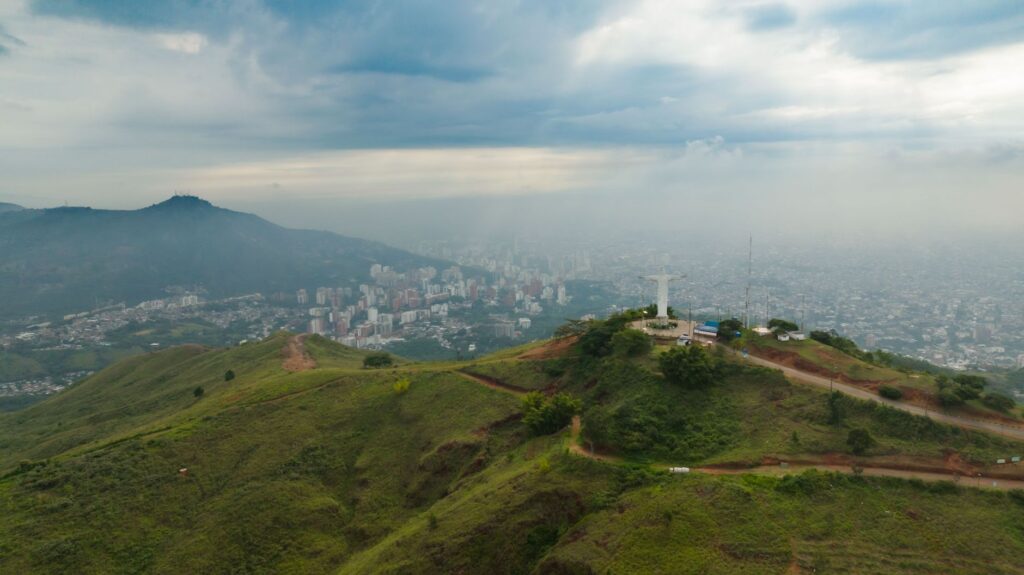
The integration between urban fabric and surrounding biodiversity is another pillar defining Cali’s physiognomy. With the Cali River cutting through its texture and the Farallones mountains rising in the western horizon, the city maintains a privileged relationship with mountain ecosystems. Linear parks and urban tree-planting zones offer refuge not only to pedestrians but also to a diverse avifauna that turns any morning stroll into an urban ecology lesson.
Conservation policies driven by citizen collectives and local authorities seek to protect ecological corridors connecting the protective hills with the valley. Respect for these natural spaces demands a conscious attitude from the visitor: minimizing waste, utilizing public transport or walking through neighborhoods, and supporting regenerative tourism initiatives that prioritize environmental sustainability over mass consumption.
The presence of abundant urban flora also influences the microclimate of the city, providing shade and cooling relief during warmer hours. Neighborhood initiatives focused on community gardening and native reforestation demonstrate a grassroots commitment to environmental stewardship. Travelers who respect these green corridors by adhering to designated paths and avoiding single-use plastics contribute directly to the preservation of local ecosystems for future generations.
The Role of Popular Craftsmanship in Collective Memory
Craft production in Cali and its immediate surroundings reflects manual skill applied to local materials such as guadua bamboo, ceramics, and rustic textiles. Family workshops that still survive in traditional neighborhoods represent a bastion against industrial homogenization. In these spaces, artisans mold utilitarian and decorative objects that summarize the mestizo aesthetics of the region.
Acquiring a piece of local craftsmanship with fair trade criteria sustains family economies and values technical expertise acquired through years of patient practice. For the traveler, this type of exchange transcends the simple purchase of a souvenir; it becomes an act of recognition toward the creator and a concrete way to preserve the intangible heritage supporting Caleño identity.
The creation of these artifacts often involves sustainable harvesting methods practiced by rural communities who supply raw materials to urban workshops. By understanding the provenance of each item, the visitor gains a deeper appreciation for the interconnectedness of urban craft production and rural environmental management. This awareness discourages the purchase of mass-produced imitations and fosters a culture of mindful consumption.
Respectful Practices and Coexistence for the Responsible Visitor
Tourism in Cali achieves its fullest meaning when grounded in reciprocity and respect for local dynamics. Residents appreciate travelers who adopt a measured pace, who take the time to listen to local stories without rushing, and who respect neighborhood coexistence norms. The over-tourism of certain zones is countered by promoting decentralized exploration, including less crowded residential neighborhoods and self-managed community projects.
Likewise, participation in cultural activities must be approached through respectful observation and mutual learning, avoiding extractivist or folkloric attitudes. Understanding that Cali is, above all, a home shared by more than two million people allows travelers to calibrate their expectations and foster an enriching, balanced exchange.
Adopting responsible travel habits also involves respecting the privacy and daily routines of local residents in residential areas. Refraining from intrusive photography, supporting locally owned establishments, and learning basic phrases in Spanish demonstrate consideration for the host community. Ultimately, responsible tourism in this region is built upon active listening, patience, and the recognition that travelers are temporary participants in a vibrant, ongoing local story.
Traveling with attention and respect transforms the visitor into a temporary guest who honors the living memory of the territory they inhabit.
Practical guide
- How to get there: Alfonso Bonilla Aragón International Airport connects Cali with major hubs in the Americas and Colombia, located about 20 kilometers from the urban center.
- Getting around: The MIO mass transit system is recommended, complemented by mindful walks through historic neighborhoods like San Antonio and El Peñón.
- Climate and packing: A warm tropical climate prevails with average temperatures near twenty-six degrees Celsius. Lightweight cotton clothing, comfortable walking shoes for cobblestones, and sun protection are advised.
- Currency and payments: The official currency is the Colombian peso. Carrying low-denomination cash for small traditional shops and local markets is recommended.
- Business hours: Traditional shops generally open from nine in the morning until seven in the evening, while popular markets begin activity before dawn.
- Local etiquette: Cordial greetings and respectful treatment are essential in daily interactions with Caleños; asking permission before photographing community spaces is a basic rule of courtesy.