
The Summits and Calcareous Geology of Northern Jordan
The municipality of Jarash, located in northern Jordan at an approximate elevation of 620 meters above sea level, extends across a landscape dominated by hills and geological folds of limestone. This rugged relief defines not only the visual scenery of the region, but also the availability of water resources and the distribution of native flora, adapted to withstand dry summers and cool winters in the highlands of the Levant.
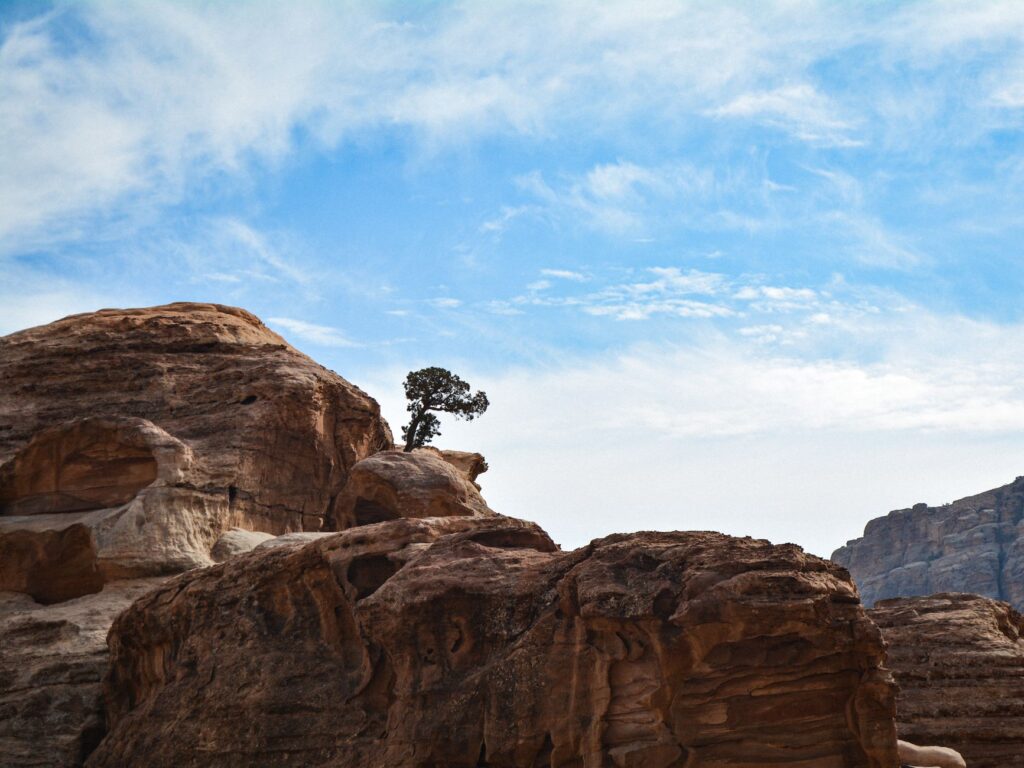
The formation of these elevations is the result of ancient tectonic processes that have shaped deep valleys and stepped slopes. In this environment, clayey and stony soils allow the growth of Mediterranean vegetation composed mainly of xerophytic shrubs, scattered holm oaks, and small patches of pine forests that manage to anchor themselves to the exposed rock, resisting the natural erosion of wind and seasonal rains.
Chemical and mechanical weathering processes act constantly upon the limestone strata, sculpting small cavities and sinkholes that facilitate the rapid infiltration of meteoric water. This geomorphological dynamic is essential for understanding the surface and subterranean morphology of northern Jordan, where rocky outcrops serve as silent witnesses to regional geological history.
High-Altitude Ecosystems and Steppe-Adapted Biodiversity
Despite the relative aridity that characterizes much of Jordanian territory, the hills of Jarash host unique microclimates that support fauna and flora adapted to water scarcity. Raptors utilize thermal currents generated over the terrain’s unevenness to soar above the ridges, while small mammals and reptiles find shelter among the limestone crevices and traditional agricultural terraces.
The plant species in this area have developed physiological mechanisms to minimize moisture loss, such as leathery leaves, deep root systems, and flowering cycles synchronized with the first autumn rains. This fragile ecological balance depends directly on the preservation of original plant cover and protection against overgrazing and uncontrolled urban expansion.
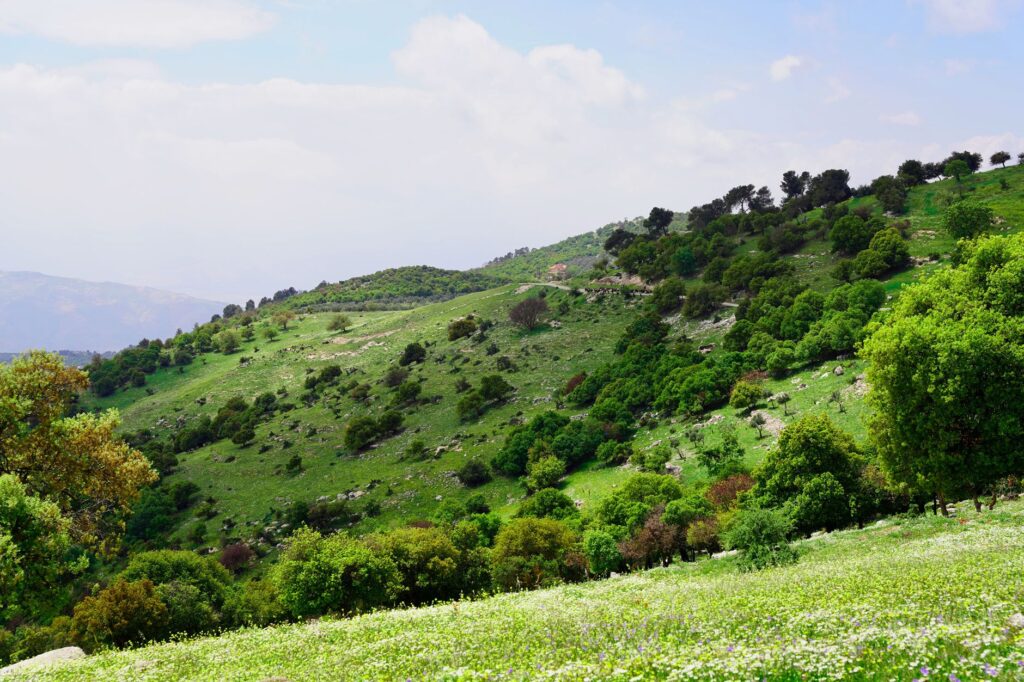
The interaction between wild herbivores, pollinating insects, and steppe vegetation forms a complex trophic network adapted to extreme seasonality. Preserving these high-altitude habitats ensures the continuity of vital ecological processes for the conservation of native biodiversity within the mountainous landscape of the country.
Underground Water and Regional Springs
The hydrological cycle in Jarash is marked by the infiltration of rainwater through porous limestone strata, feeding underground aquifers that emerge as springs at the bottoms of valleys. These seasonal and permanent watercourses have historically been the driving force sustaining plant life and human settlements in the district.
The sustainable management of these water resources is essential to maintain the environmental humidity necessary for local ecosystems. Traditional practices of water collection and distribution demonstrate a long human adaptation to the region’s climatic limitations, ancestral knowledge that today gains special relevance in the face of global climate change challenges.
The conservation of water emergence points prevents the desiccation of riparian microhabitats formed in minor channels, allowing amphibian species and hygrophilous plants to survive amid a predominantly dry and steep environment.
The Interaction Between Historic Heritage and Natural Environment
The landscape of Jarash cannot be understood solely through its geology and flora, but rather through the deep integration between past human structures and natural topography. The archaeological ruins of ancient Gerasa merge organically with the surrounding hills, demonstrating how historical civilizations utilized local stone and terrain slopes to build their defensive and agricultural settlements.
This millenary coexistence between classical architecture and the physical environment presents a contemporary environmental management challenge. Protecting the biodiversity of the surrounding slopes also implies safeguarding the cultural landscape, preventing tourist pressure and infrastructure growth from degrading the natural corridors connecting the hills to the lower river valleys.
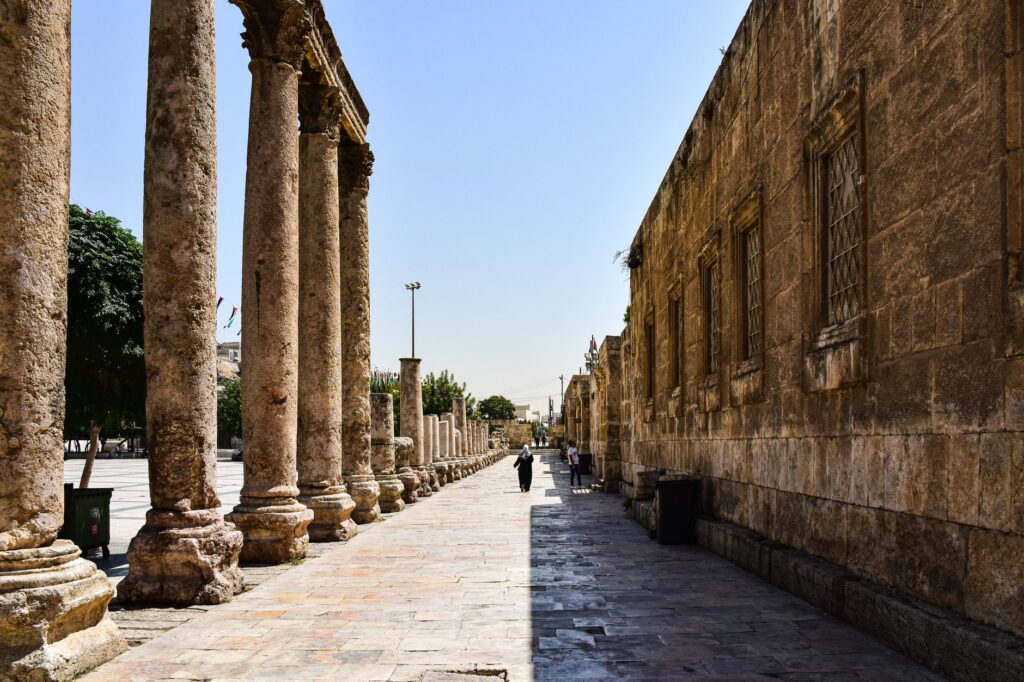
The centuries-old use of limestone in retaining walls and cultivation terraces has modified surface runoff, creating a mosaic of microenvironments where human intervention coexists with the natural regeneration of low forests and scrublands.
Conservation of Pine and Holm Oak Forests
The remnants of Aleppo pine and holm oak forests dotting the heights of Jarash represent one of the most valuable ecological assets in northern Jordan. These wooded areas act as natural carbon sinks, regulate local temperature, and protect fragile soils from water erosion during heavy winter rainfall events.
Local organizations and environmental authorities promote reforestation initiatives with native species and awareness campaigns directed at resident communities and visitors. The primary objective is to halt illegal logging and mitigate the risk of forest fires, phenomena exacerbated by prolonged summer drought periods affecting the entire eastern Mediterranean region.
The health of these forest masses is a direct indicator of environmental stability in the highlands, making continuous monitoring essential for evaluating the effectiveness of conservation policies applied across the north of the country.
Climate Change Challenges in the Highlands
Climate projections for northern Jordan indicate a gradual increase in average temperatures and greater irregularity in precipitation patterns. These factors exert additional pressure on the mountain ecosystems of Jarash, where more sensitive habitats risk fragmentation or disappearance unless protected ecological corridors are established.
Scientific research and constant monitoring of local flora and fauna are indispensable tools for anticipating environmental changes. Understanding how plant and animal species respond to climatic variability allows for the design of more effective conservation strategies, ensuring the long-term resilience of this mountainous territory.
Likewise, the adaptation of local communities to these new climatic realities involves recovering traditional agricultural practices that optimize water use and reduce the vulnerability of rainfed crops on the slopes.
Responsible Visiting Practices in the Mountains
Enjoying the natural environment of Jarash requires adopting an active commitment to preserving the landscape. Visitors must strictly adhere to established trails to prevent soil compaction and accidental destruction of wild flora growing on the calcareous slopes.
Likewise, it is essential to properly manage waste, avoiding leaving any litter in the countryside, and to respect private agricultural properties and protected forest areas. Wildlife observation must always be conducted at a prudent distance, without altering the natural behavior of species inhabiting the hills.
Environmentally respectful tourism helps fund natural and cultural heritage protection programs, turning the visitor into a key ally for regional sustainability.
Practical guide
Getting there: Jarash is located about 50 kilometers north of Amman, the capital of Jordan. Access is by road via the main highway connecting both cities, with an estimated travel time of between forty-five minutes and one hour by car or local bus.
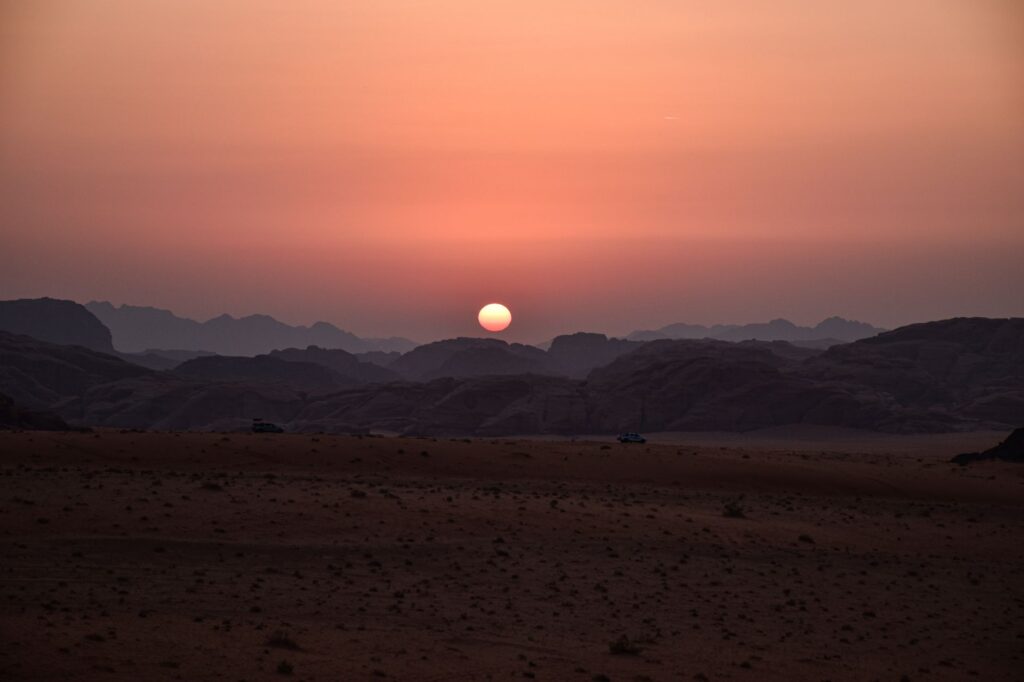
When to go: The best time to explore the natural areas of Jarash encompasses the spring months (March to May), when temperatures are mild and the hills display their greatest vegetation cover following winter rains. Autumn (September to November) also offers favorable weather conditions for outdoor hikes.
What to bring: Sturdy hiking boots with good grip are essential for walking on stony, limestone terrain. Sunscreen, sunglasses, light yet sun-protective clothing, and sufficient water to stay hydrated during routes are strongly recommended.
Local rules: Always respect private property in agricultural areas and follow the directions of local authorities regarding restricted access areas within protected forests and surrounding archaeological sites.
The Stone Horizon and the Memory of the Land
The hills of Jarash stand as silent guardians of a geological and human history spanning millennia. In each limestone outcrop and in every corner where Mediterranean vegetation resists, the profile of a territory persevering against aridity is drawn, recalling the importance of protecting the delicate balance of the mountain for generations to come.