
Iron Tracks Across the Atemajac Valley
The territory that forms Guadalajara, in the Mexican state of Jalisco, maintains an indissoluble bond with the communication routes that began to take shape in the late nineteenth century. At an average elevation of one thousand five hundred and forty-eight meters above sea level, this valley in western Mexico transformed its agrarian and commercial geography with the arrival of the railway. The tracks did not merely modify the transport of heavy goods such as agave and grains; they also redesigned the urban layout, drawing entire neighborhoods toward the station flanks and establishing a daily rhythm that endures in the collective memory of its residents.
The presence of the train in the capital of Jalisco marked a turning point for regional mobility. By connecting the center of the country with Pacific ports and northern borders, the railway lines fostered unprecedented commercial exchange. Today, although contemporary transport dynamics rely heavily on road networks and mass transit systems, the historical infrastructure continues to operate as a physical reminder of how the demographic growth of a city now exceeding one and a half million residents was articulated.
Architectural Heritage and Stations with Memory
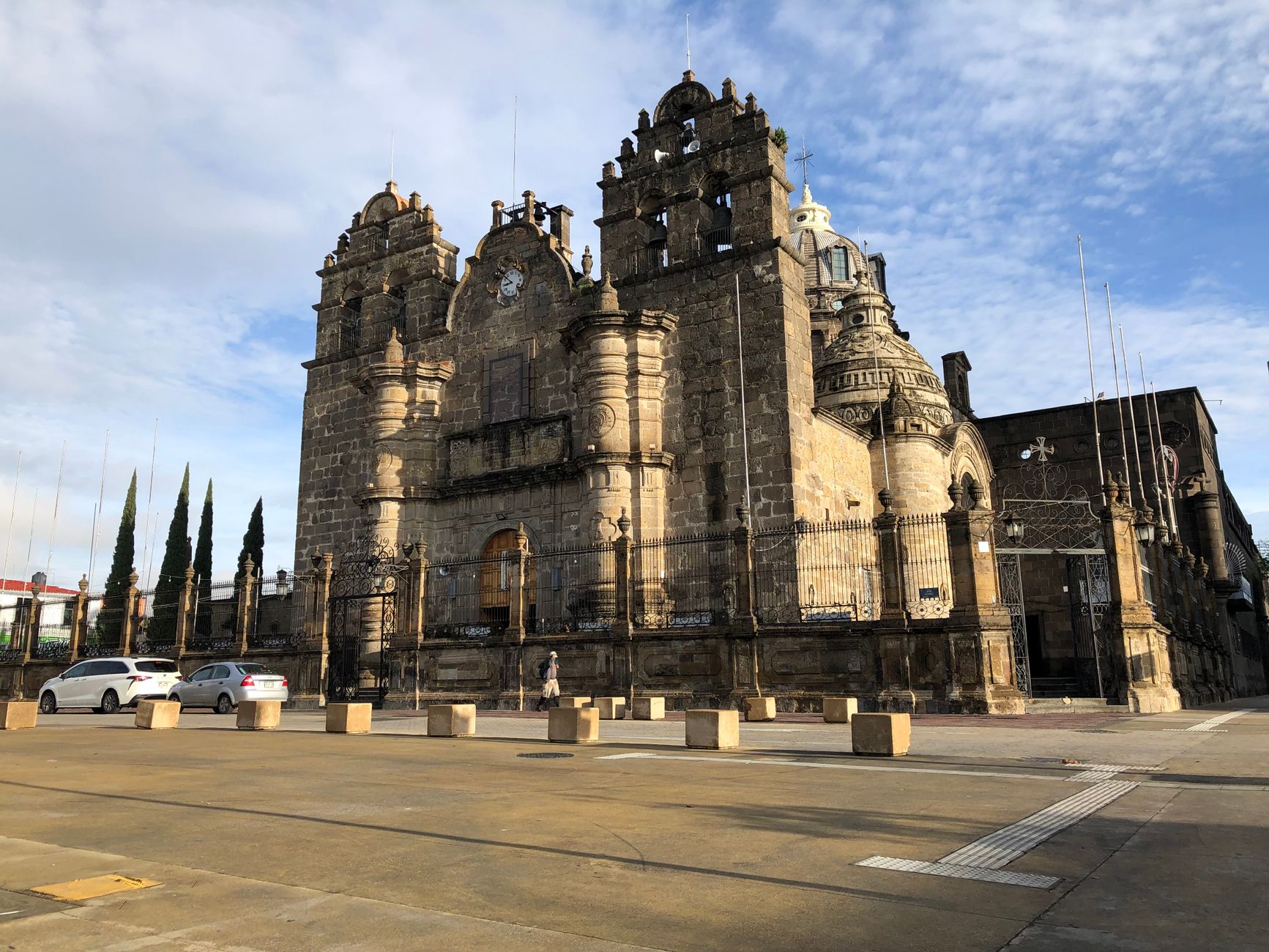
Strolling through the former railway enclaves of Guadalajara reveals an industrial architecture catalog where brick, ironwork, and gabled roofs respond to the technical needs of another era. These buildings, originally conceived for passenger transfer and heavy freight management, retain a formal dignity that contrasts with the fast-paced rhythm of the modern metropolis. The surrounding spaces, once switching yards and storage warehouses, have been partially transformed to house cultural centers, administrative offices, or neighborhood gathering zones.
The value of these properties lies in their capacity to preserve human scale amid busy avenues. The sober facades and wide eaves protected both travelers and workers from intense summer rains and the warm valley sun. Walking alongside the old alignments makes it clear that stations were not merely transit points, but social nodes where news from other regions, the arrival of migrant families, and the daily trade of local markets converged.
Contemporary Mobility and the Legacy on Rails
In the present day, mobility in Guadalajara is organized through a complex network combining urban buses, light rail lines, and feeder routes connecting the municipality to the rest of the metropolitan area. This current system draws directly from the historical experience accumulated by generations of users who learned to travel according to transport axes established a century ago. Modern electric train lines cross the city along strategic corridors, alleviating vehicular congestion and offering a predictable alternative for thousands of workers and students.
For the curious traveler, observing the integration of old routes with modern layouts reveals a fascinating urban continuity. Current stops take advantage of the population density historically generated around transport, demonstrating that mobility infrastructure is the true skeleton of the city. Local authorities and urban planning experts agree that preserving these corridors is fundamental to maintaining a livable city, where public transport is not only a functional necessity but an element of identity and social cohesion.
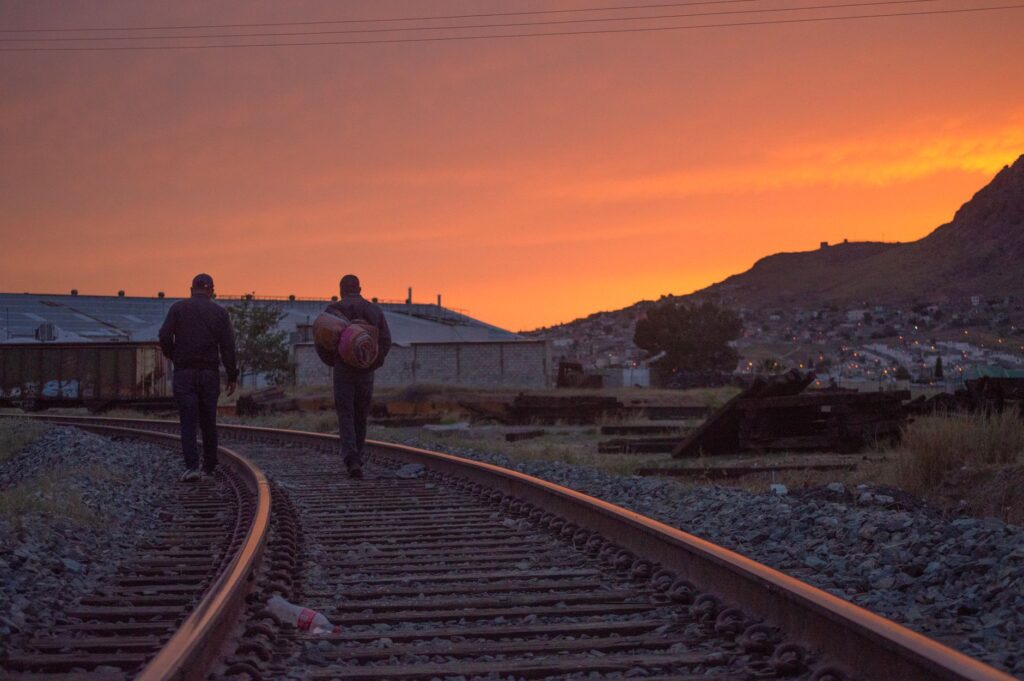
Urban Landscape and Western Topography
The geography of Guadalajara, marked by plateaus bordering deep ravines, has traditionally conditioned the expansion of its communication routes. The original railway lines had to adapt to gentle slopes and tablelands, avoiding the most abrupt geographical features through deviations calculated with topographical precision. This adaptation to the natural environment endows the urban landscape with a distinct visual quality, where metal bridges and old railway embankments merge with the region’s typical vegetation, featuring parotas, jacarandas, and eucalyptus trees.
As the urban sprawl expanded toward neighboring municipalities, the original railway layout became integrated into the fabric of traditional neighborhoods. Today, crossing an old track or walking near the former mechanical workshops offers a unique perspective on urban evolution. Older residents recall the whistle of locomotives as the daily alarm clock of an era when the train set the exact rhythm of working days and family gatherings in public squares.
Daily Life in Railway Neighborhoods
The neighborhoods that grew under the shelter of railway activity in Guadalajara possess a distinctive personality. Wide streets designed for the passage of carts and freight trucks still converge on small plazas where former rail workers used to gather at dusk. In these sectors, life proceeds at a less rushed pace than in newly created financial corridors. Neighborhood grocery stores, traditional bakeries, and shoe repair shops maintain a close neighborly relationship, sustained by decades of shared coexistence.
This neighborhood routine relies on a network of pedestrian mobility and surface public transport that allows residents to access municipal markets, health centers, and schools without relying exclusively on private automobiles. The oral memory of these neighborhoods is filled with anecdotes about train timetables, farewells on platforms, and the arrival of agricultural produce from neighboring states. For visitors, exploring these neighborhoods offers a genuine immersion in popular Jaliscan culture, far from purely tourist circuits.
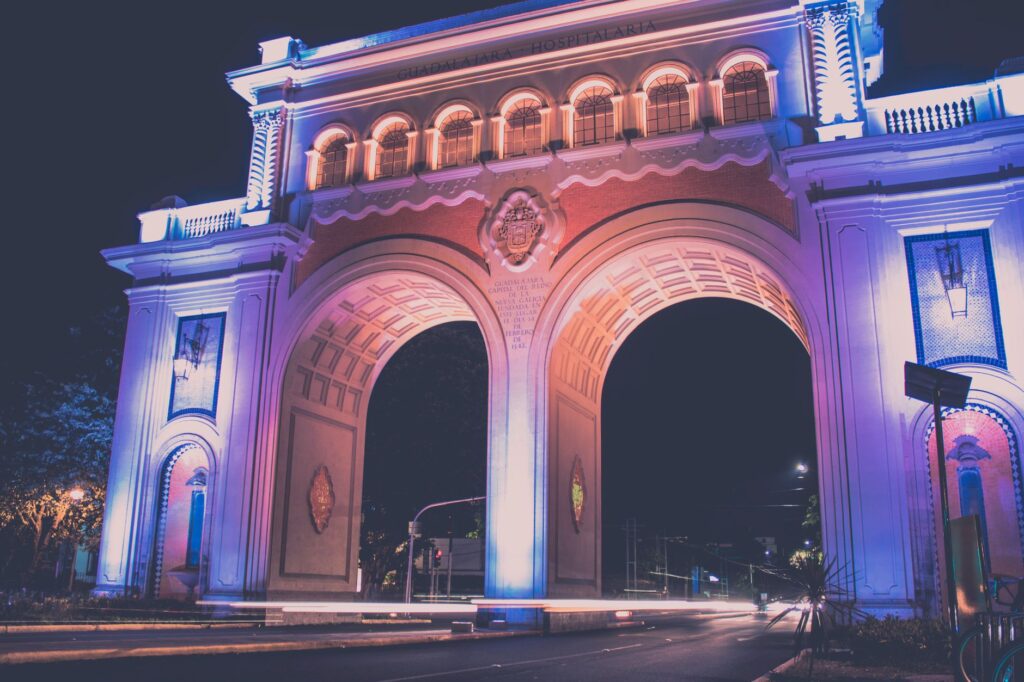
Economic Impact and Regional Exchange
The economic development of Guadalajara cannot be understood without the historical contribution of rail transport. For decades, local industry—ranging from footwear and textile manufacturing to the distillation of traditional beverages in the surrounding region—depended on the efficiency of freight convoys to place its products in national markets. Stations functioned as nerve centers where merchants, muleteers, and business owners converged, generating an ecosystem of services including inns, eateries, and storage warehouses.
Although the nature of freight transport has evolved toward multimodality and intensive road use, the impact of that foundational period remains alive in the city’s economic structure. Many former distribution centers have been converted into commercial spaces or mixed-use residential areas, demonstrating remarkable architectural reconversion. This transformation allows industrial heritage to continue generating economic and cultural value for new generations of residents.
Practical guide
How to get there: Guadalajara is served by Miguel Hidalgo y Costilla International Airport (GDL), located about nineteen kilometers south of the historic center, with regular domestic and international connections. Additionally, the city is connected by an extensive long-distance bus network from various parts of the country.
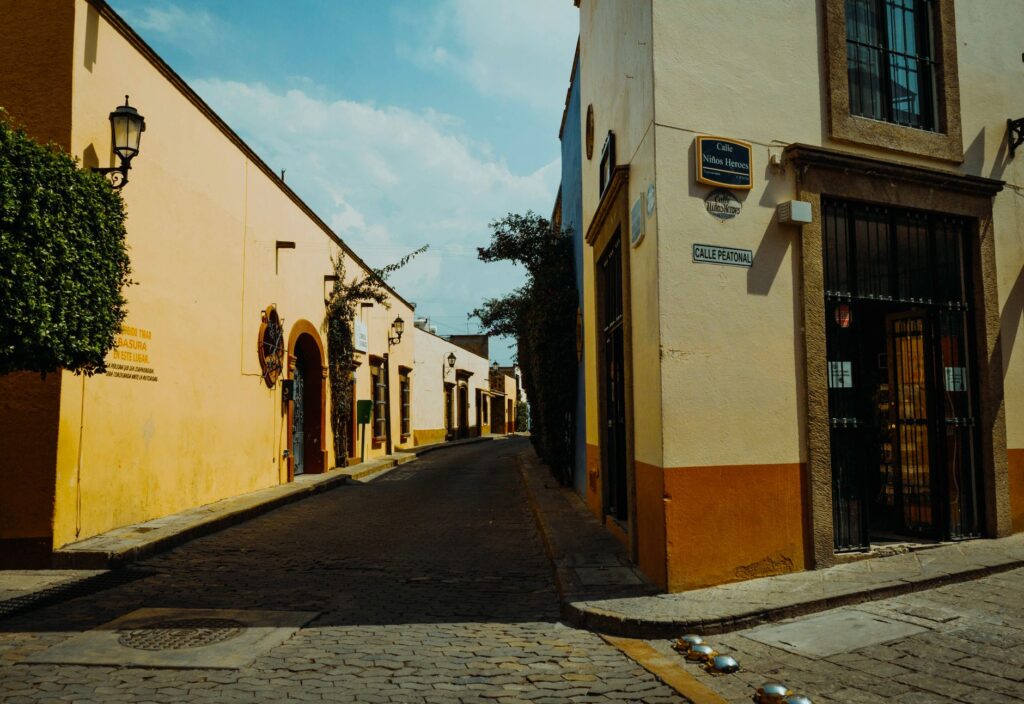
Urban transport: The public transport network includes the Urban Electric Train System (SITEUR), operating with multiple lines structured to connect key points of the metropolitan area, complemented by articulated bus systems (Macrobús) and conventional routes.
When to visit: The climate in Guadalajara is semi-arid and temperate. The months from November to February offer cool morning temperatures and clear days, ideal for walking around the city. The rainy season is concentrated between June and September, so appropriate footwear and waterproof protection are recommended during those months.
Where to stay: The historic center and the Americana or Chapultepec districts concentrate a varied hotel supply, ranging from heritage hostels to boutique hotels located in restored mansions, with easy access to main transport axes.
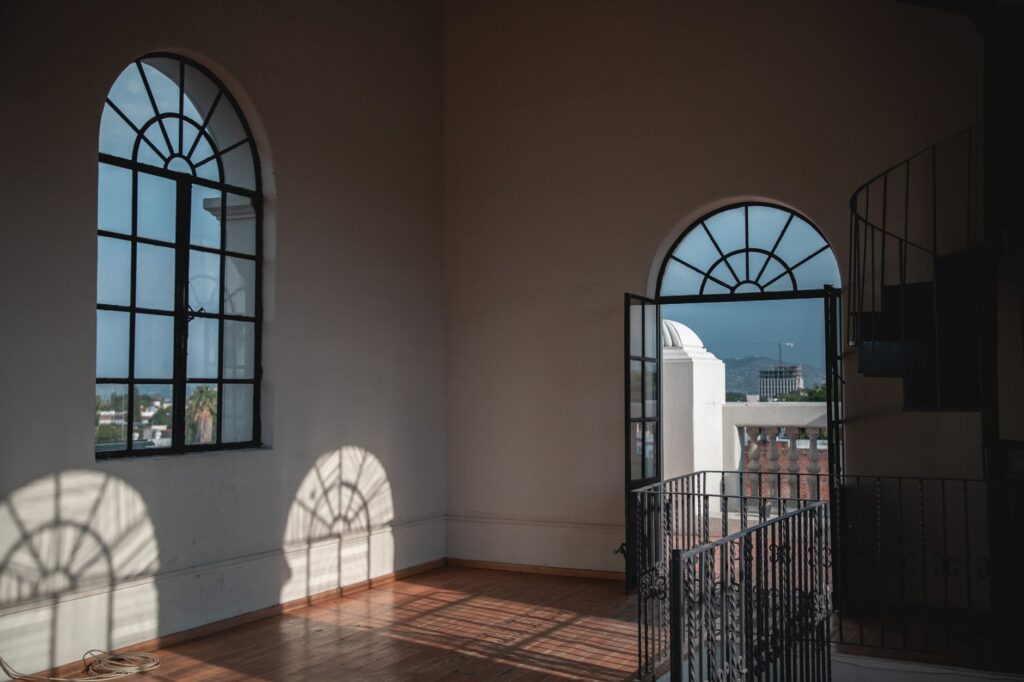
Cultural recommendations: Visitors are advised to walk around the surroundings of the old train stations to appreciate architectural details and the relationship between the historical urban layout and modern mobility development.
The Reflection of Time on the Platforms
As evening falls, the golden light of western Mexico bathes the metal structures of old depots and the tracks that still trace the memory of Guadalajara. In these spaces where industrial heritage dialogues with daily dynamism, the essence of a community that has known how to reinvent itself without renouncing its roots becomes palpable. The constant movement of citizens crossing avenues and boarding public transport reflects uninterrupted vitality, reminding us that truly memorable cities are those capable of honoring their history while advancing toward the future.