The Roots of a Court That Grew Without a Port but With a Calling for Gathering
In the heart of the Iberian Peninsula, the capital of Spain stretches across a high plateau where the climate shapes a character that is both austere and welcoming. Far from major maritime routes, the city has built its identity by receiving and blending accents from every corner of the country. Walking through its streets is not merely traversing monumental avenues, but stepping into a network of neighborhoods where every corner preserves the trace of traditional trades that refuse to vanish.
The urban history of this territory can be read in its contrasts. From the medieval layout surrounding the Plaza Mayor to the nineteenth-century expansion of broad boulevards, public space is lived intensely. Residents occupy sidewalks, café terraces, and food markets, turning neighborhood commerce into the true social glue of the community. Here, daily life unfolds between the murmur of tea rooms, the bustle of old-school merceries, and the echo of workshops where leather and wood are still shaped using manual tools.
The Food Market as the Epicenter of Neighborhood Memory
If there is one place where Madrid’s authenticity can be felt, it is the municipal food market. Far from impersonal shopping malls, these traditional market squares remain the ultimate intergenerational meeting point. Stalls offering fresh vegetables, meats, and fish do not merely sell produce; they act as informal forums where residents exchange news, recipes, and daily concerns.
In these spaces, time seems to slow down. The vendor knows regular customers by name and advises on the exact ripeness of a fruit or the ideal cut for a traditional stew. This commercial bond, built on mutual trust, contrasts with the speed of the modern world and reminds us that a city’s well-being depends largely on the health of its local networks.

The true wealth of a metropolis does not lie in the height of its towers, but in the strength of the bonds uniting neighbors in community markets.
Furthermore, the architecture of these buildings reflects urban evolution. Many of them, erected in the early twentieth century with iron and glass structures, have successfully reinvented themselves without losing their original function, housing artisan food stalls alongside traditional neighborhood groceries.
The Silent Persistence of Artisan Workshops
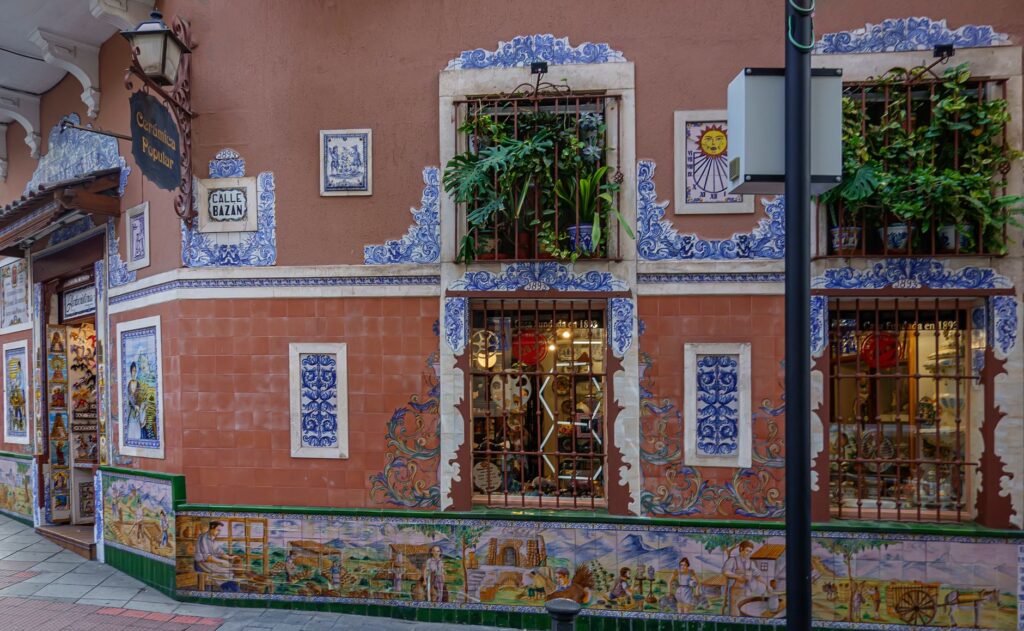
In the alleys of the historic center, tucked behind dark wood shop windows, small workshops survive, preserving nearly extinct trades. Saddle makers, luthier workshops, antique book restorers, and hat makers keep their doors open thanks to a loyal clientele that values durability over planned obsolescence.
These artisans are not museum pieces, but active players in the local economy. Their daily work requires patience, manual dexterity, and a deep knowledge of materials passed down from generation to generation. Watching a master bookbinder sew leather spines or a luthier adjust the pegs of a Spanish guitar is witnessing a ritual of cultural resistance.
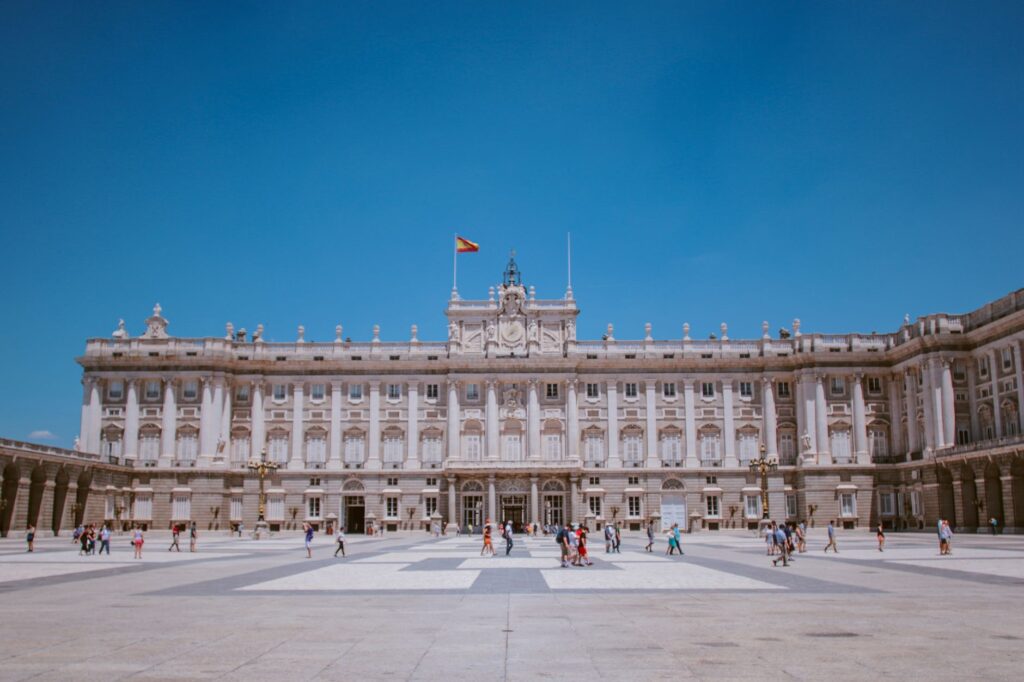
The responsible traveler who pauses before these shop windows understands that a destination’s authenticity cannot be bought in mass-souvenir shops, but in respect for those who dedicate their lives to perfecting a manual craft.
Life in the Plazas: The Pulse of Historic Neighborhoods
Public space in the Spanish capital has a proper name: the plaza. Whether it is a quiet little square in the La Latina district or a large tree-lined esplanade in Chamberí, these places act as the living rooms of the citizens. During evening hours, when the plateau’s heat subsides, benches fill with neighbors conversing while children play football without fixed goalposts.
This intensive use of outdoor space fosters a strong sense of belonging. Residents defend their plazas not only as thoroughfares, but as collective assets sometimes threatened by tourist pressure or real estate speculation. Balancing economic revitalization with residential tranquility is one of today’s greatest challenges for preserving local identity.
Respect for neighborhood rest and shopping in local stores are key to ensuring tourism integrates without distorting daily life.
Meeting Points and Urban Green Refuges
Between asphalt and stone buildings, the city has woven a network of historical parks and gardens that function as true ecological and social lungs. These spaces are not mere recreational spots, but stages where different social classes and backgrounds of urban demography intersect.

Strolling through these green areas at dusk reveals community diversity: elderly residents discussing current affairs, young people rehearsing choreographies, or families sharing a Sunday picnic. Integrating nature into the urban fabric demonstrates a commitment to making big-city life friendlier and more sustainable.
Municipal regulations and citizen awareness increasingly encourage cycling and public transit, reducing the carbon footprint and returning prominence to pedestrians over private vehicles.
Daily Gastronomy as a Historical Archive
Eating in the traditional taverns and inns of this territory is an exercise in cultural archaeology. Popular dishes—slow-cooked with regional legumes, vegetables from nearby gardens, and simple meats—tell the story of a population accustomed to scarcity and resourceful in utilizing available ingredients.
Far from media-driven haute cuisine, true culinary identity is preserved in daily lunch menus offering steaming spoon stews, traditional tripe, or hearty multi-course stews. These comforting flavors form part of the emotional memory of several generations of locals.
Popular cuisine is a living archive teaching us how our ancestors extracted flavor and dignity from the humblest ingredients.
Sitting at a communal table in a centuries-old tavern provides a deeper understanding of the open, unpretentious spirit of a society that values good conversation as much as a well-cooked meal.
Centenarian Commerce and the Preservation of Retail Heritage
A distinguishing feature of the city’s central core is the survival of century-old commercial establishments protected for their historical and aesthetic value. Pharmacies with carved wooden shelving, confectioneries selling convent sweets since the nineteenth century, or drapery shops packed with mother-of-pearl buttons form part of the living cultural inventory.
These businesses face enormous economic pressures due to rising commercial rents. However, civic associations and municipal regulations strive to protect them as goods of cultural interest, understanding that a city without its historic shops loses its visual memory and distinctive character.
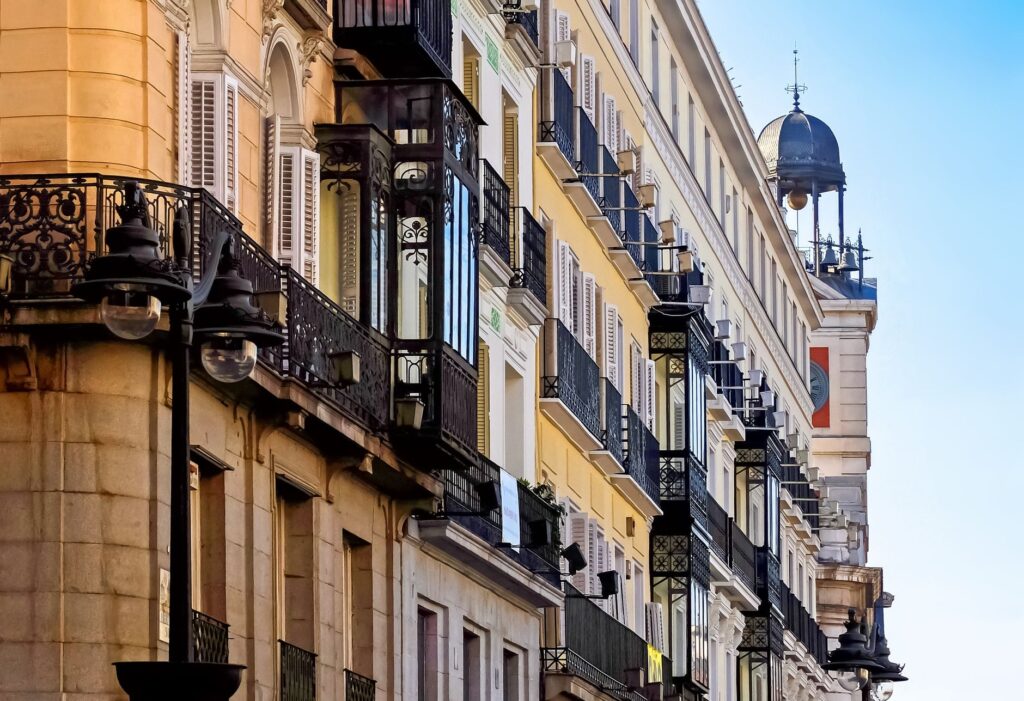
Supporting these establishments through conscious purchases is one of the most effective forms of responsible tourism, ensuring that commercial heritage remains alive for future generations.
Practical guide
- How to get there: Adolfo Suárez Madrid-Barajas Airport connects with major international and European hubs. From there, the metro and commuter train services provide access to the city center in under forty minutes.
- Urban transport: The network of subways, city buses, and commuter trains offers excellent coverage. Purchasing a rechargeable public transport card is recommended to optimize travel.
- When to visit: Spring months (May and June) and autumn (September and October) offer pleasant temperatures for exploring neighborhoods on foot, avoiding the intense heat of summer.
- Responsible accommodation: Opt for independent hotels, traditional guesthouses, or regulated tourist apartments outside mass-tourism circuits to support the residential neighborhood economy.
- Recommended markets: Visit the Mercado de San Fernando in Lavapiés or Antón Martín to experience the genuine blend of traditional stalls and alternative cultural proposals.
- Local etiquette: Always greet shopkeepers upon entering small stores («Buenos días» or «Buenas tardes») and respect neighborhood quiet hours in residential plazas during the night.
- Market gastronomy: Taste seasonal produce in centuries-old taverns within the historic center and prioritize homemade, locally sourced midday menus.
Dusk Across Zinc and Tile Roofs
When the sun begins to dip below the plateau horizon, the city is painted in intense ochres and oranges. This is the moment when zinc roofs and centenarian tiles reflect the last light of day, offering a scene of serene beauty that invites silent contemplation from any elevated viewpoint.
In the streets, the pace slows slightly as residents return home or gather on terraces to share the final hours of the day. This balance between urban vitality and the warmth of neighborhood life defines the true essence of a place that, despite its metropolitan size, has never lost the soul of a grand village.