Milan and the Peaks of Lombardy: Geology, Alpine Protection, and Ecosystems in Italy
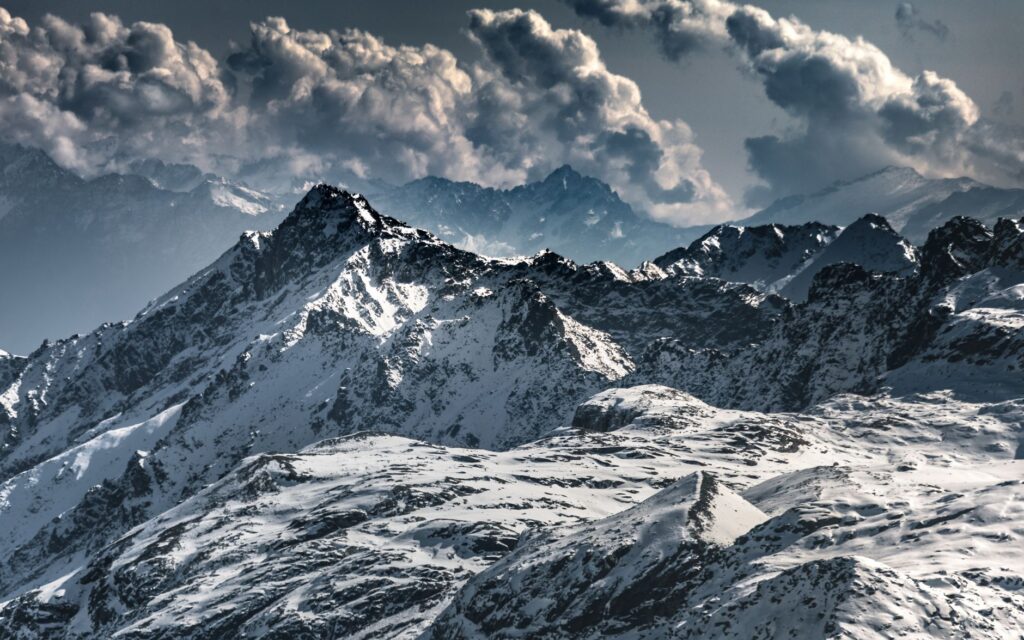
The Lombard metropolis, situated just a few meters above sea level in the Po Valley, maintains a constant visual and ecological relationship with the alpine arc that crowns northern Italy. From urban viewpoints on clear days, the wall of gray rock and perpetual snowfields recall that this great industrial hub is not an isolated entity, but the starting point toward a vast high-mountain territory shaped by ancient glaciers and an intense geological history.
Understanding the geography of Milan involves looking upward toward the pre-alpine foothills that act as natural dikes and regulate the hydrological cycles feeding local rivers. This ecological corridor, where Mediterranean and continental influences converge, sustains a rich variety of habitats ranging from mixed deciduous forests to high-altitude grasslands and weathering-sculpted rocky outcrops.
Over the centuries, the interaction between the natural environment and human communities has shaped a landscape where the silhouette of the peaks contrasts with the urban layout. Traditional routes connecting valleys have evolved, but respect for natural laws remains an essential prerequisite for inhabiting and traversing these latitudes without altering their intrinsic fragility.
The territorial analysis of this alpine region highlights the intricate web of dependencies between the densely populated plain and the elevated summits. Global climate dynamics have a direct impact on the snow cover, altering river flows and testing the resilience of the mountain ecosystems surrounding the Milanese territory.
Geological Origins and Glacial Modeling in Lombardy
The current configuration of the Lombard terrain is the result of complex tectonic processes and intense erosion caused by large glacial tongues during the Pleistocene. U-shaped valleys, lateral moraines, and deep subalpine lakes bordering the region stand as silent witnesses to a past when ice sculpted limestone and crystalline sediments.

In higher elevation zones, metamorphic and sedimentary rocks show the scars of the collision between the Eurasian and African tectonic plates. This diverse geological substrate determines soil composition, directly conditioning the vegetation that manages to take root on the steepest slopes exposed to meteorological rigors.
Weathering processes continue to operate today through the combined action of water, ice, and thermal variations. This geological dynamism creates a changing relief where occasional rockfalls and surface erosion form part of the natural renewal cycle of the rocky substrate.
The study of these rock formations allows geologists to reconstruct the climatic history of the European continent, identifying past fluctuations in ice volume. Ridges and glacial cirques serve as open books where plate tectonics and the slow yet incessant action of gravity can be read.
Transition Ecosystems and Mountain Forests
As altitude increases from the Milanese plain toward the summits, vegetation undergoes a transformation. Oak and hornbeam forests gradually give way to beech and fir woods, and finally to coniferous formations dominated by Norway spruce and European larch, the region’s only native conifer that sheds its needles in autumn.
These forests are not merely aesthetic landscapes, but complex retention systems that stabilize slopes and prevent massive erosion. Fauna associated with these habitats includes ungulates such as chamois and red deer, as well as a notable variety of birds of prey and small mammals adapted to life on steep slopes and severe climatic conditions.
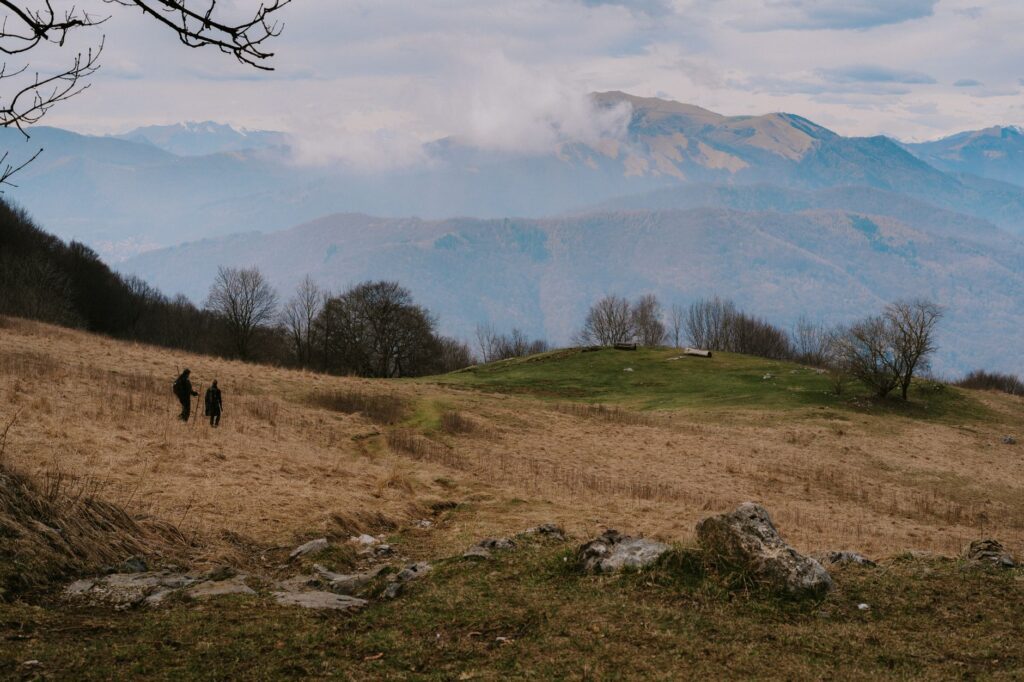
The transition between different vegetation belts offers refuge to species requiring both forest cover and open spaces in clearings. Maintaining the continuity of these ecological corridors is fundamental to ensuring the dispersion and genetic viability of wildlife within the Italian territory.
Sustainable forest management plays a crucial role in preserving these mid-mountain ecosystems, balancing traditional timber extraction with biodiversity conservation and protection against increasingly frequent forest fires due to summer drought.
Endemic Flora and Altitude Adaptation
Above the tree line, the landscape opens to alpine meadows where plant life develops fascinating strategies to survive intense cold, high solar radiation, and nutrient scarcity in the soil. Plants with dense cushions, deep roots, and intensely colored flowers take advantage of the short summer season to complete their reproductive cycle.
Botanical species exclusive to the Italian Alps find their ultimate refuge at these altitudes. Preserving these microhabitats is indispensable for maintaining the genetic diversity of alpine flora, especially in a context of climatic variations that alter traditional temperature and precipitation patterns in the mountain range.
The fragility of these species lies in their limited capacity for displacement in the face of rapid environmental changes. For this reason, botanical research and continuous monitoring of high-altitude plant populations constitute key tools for the management and protection of regional biodiversity.
Pioneer lichens and mosses colonizing bare rocks contribute to initial edaphogenesis, slowly breaking down the mineral substrate to create the first layers of organic soil where more complex plant species can subsequently take root.

Hydrological Dynamics and the Water Cycle in Lombardy
The Lombard mountain acts as a vast water reservoir whose influence extends directly to Milan and its agricultural surroundings. Winter snow accumulation and its subsequent gradual melting in spring and summer guarantee the constant flow of rivers and underground aquifers.
Environmental management experts recall the importance of this delicate balance: The stability of water resources on the plain depends directly on the ecological health of the upper basins. Any alteration in snow cover or water retention in mountain soils has an immediate impact on the availability of freshwater for human consumption and economic activities throughout the region.
Likewise, proper management of hydraulic infrastructure in the valleys must align with the conservation of ecological flows, ensuring that river ecosystems maintain their functionality throughout the year.
Constant monitoring of residual glaciers and snowpacks helps anticipate episodes of water scarcity, offering essential data for agricultural planning and urban supply in areas under the direct influence of the Po basin.
Contemporary Challenges in Alpine Conservation
Anthropogenic pressure on mountain ecosystems has evolved noticeably in recent decades. While the abandonment of traditional livestock farming in certain areas has allowed the regeneration of some forests, the development of tourism infrastructure and increased visitor numbers pose complex challenges for environmental management.

Local authorities and nature conservation organizations promote initiatives aimed at regulating access to ecologically sensitive areas, promoting low-intensity tourism, and minimizing the impact of recreational activities on native fauna and fragile high-altitude soils.
The balance between the socioeconomic development of the valleys and the preservation of natural heritage remains a priority objective to ensure that mountain spaces maintain their essential ecological functions.
Visitor awareness and the promotion of low-impact environmental practices are fundamental pillars to prevent trail degradation, water source contamination, and the disturbance of animal species during their critical breeding periods.
Enjoying the Lombard mountain requires a deep understanding of its intrinsic risks. Alpine climatology can change drastically in a matter of hours, transforming a pleasant day into an emergency situation due to sudden storms or sharp drops in temperature.
Rescue services and hiking clubs insist on the need to consult updated snow-weather bulletins, carry appropriate equipment, and plan routes with rigor. Prudence remains the most effective tool to prevent accidents in terrains where outside assistance may be delayed due to the topography.
Understanding one’s own physical and technical limitations in the face of alpine terrain demands is another determining factor for ensuring a safe experience in nature.
Preparation for unforeseen events includes using emergency communication devices, knowing safe shelter points along the route, and having the ability to modify initial plans in the event of any sudden deterioration in weather conditions.
Practical Guide
- How to get there: Milan has an excellent public transport network and railway connections allowing easy access to the alpine foothills and main valleys of Lombardy in under two hours.
- When to go: The summer season, from June to September, offers the best conditions for high-altitude hiking. Spring and autumn are ideal for exploring mid-mountain forests, although attention must be paid to the possible presence of lingering snow.
- Accommodation: Mountain refuges managed by alpine associations offer basic, environment-friendly stays, complementing the valley hotel offerings.
- Essential equipment: Mountain footwear with adhesive soles, layered clothing, sun protection, updated topographic maps, and sufficient water for the entire day.
The Stone Horizon That Defines the Valley
Contemplating the peaks from urban distance or traversing their high-altitude trails allows one to appreciate the magnitude of a natural heritage transcending mere scenery. The mountains of Lombardy continue to serve as a constant reminder of the geological and ecological balances sustaining life throughout the territory, demanding a firm commitment to their conservation for future generations.
The preservation of these spaces in Italy represents a cultural and environmental legacy uniting the plain and the mountain in a shared destiny, where caring for nature is the key to the survival of future ecosystems.