
The Shade of Porticoes and the Geometry of Brick
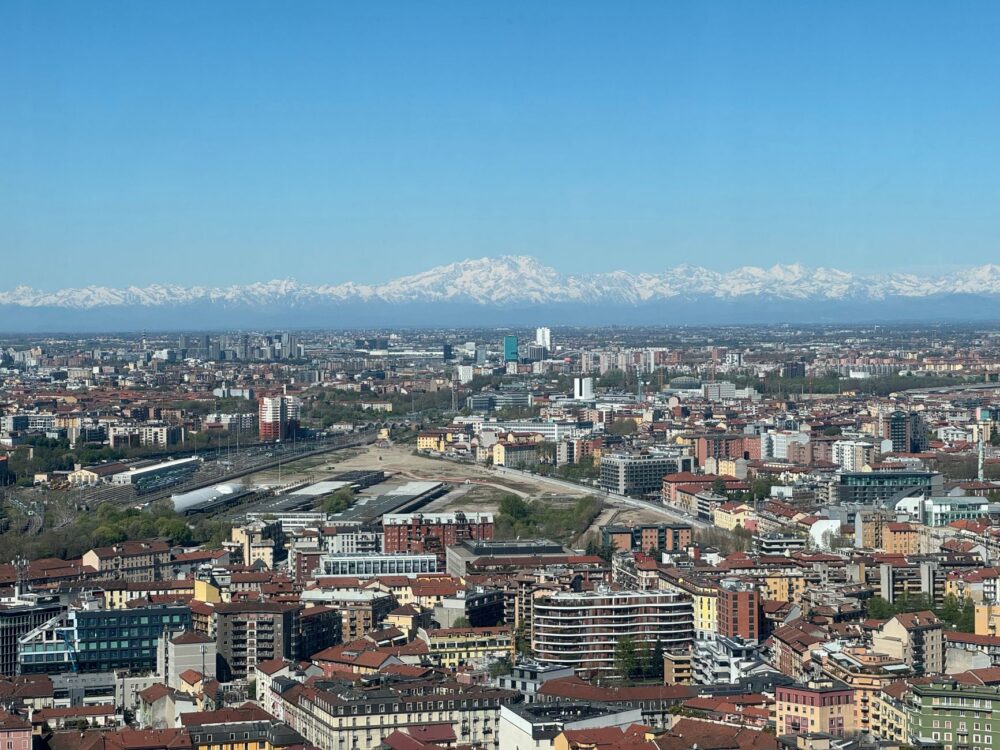
Beneath the arcades that flank Modena’s main streets in Italy, urban life adopts a measured rhythm. These covered walkways are not merely architectural structures designed to ward off the weather, but open-air salons where the daily routines of Modenese residents intersect. With an average elevation barely exceeding thirty metres above sea level, the city spreads across the Po Valley while maintaining a symbiotic relationship with its historical layout. Ochre and terracotta facades reflect a structural continuity that has withstood the centuries without sacrificing modern functionality.
Citizens traverse these sheltered corridors with the familiarity of those inhabiting a shared home. Here, casual encounters among neighbours stretch under the oblique afternoon light, while cyclists deftly weave through centuries-old columns. Modena’s atmosphere thrives on this constant balance between monumental heritage and the simplicity of neighbourhood habits. Each street corner and capital serves as a reminder that urban endurance relies as much on material solidity as on the daily care residents bestow upon the public space.
The urban configuration of northern Italy relies heavily on these transitional spaces, which bridge private dwellings and communal thoroughfares. Pedestrians find protection from both summer heat and winter precipitation, allowing commercial and social exchanges to continue uninterrupted regardless of seasonal changes. This shared architectural language fosters an unspoken pact of mutual respect among shopkeepers, residents, and visitors.
The Morning Ritual at the Albinelli Market
A few steps from the bustling Via Emilia, the Albinelli Market forms the commercial and social heart where Modenese households have gathered provisions since the early twentieth century. Beneath its iron and glass roof, stalls display a geometry of colours and aromas that encapsulates the region’s larder. Vendors serve their regular clientele with the patience of an inherited trade, explaining the exact origin of each seasonal vegetable or the curing stage of local cheeses. This space functions not as a superficial tourist attraction, but as an intergenerational meeting point where the community’s culinary memory is preserved.
Shopping at the Albinelli involves participating in an exchange of practical knowledge. Recipes are discussed, crop conditions are evaluated, and the decisions of producers working around the province are appreciated. The presence of this market in Modena’s nerve centre demonstrates that urban sustainability also relies on short distribution chains. Responsible visitors touring the city discover a living lesson in how local commerce strengthens social fabric and protects agricultural biodiversity against global standardization.
Stalls brimming with artisanal cured meats and freshly baked goods reflect generations of culinary dedication rooted deeply in Italian traditions. Engaging with the vendors offers travellers an authentic glimpse into local life, far removed from homogenized supermarket experiences. Every transaction is underpinned by conversation, transforming a routine chore into a valued community ritual.

Medieval Towers and the Civic Skyline
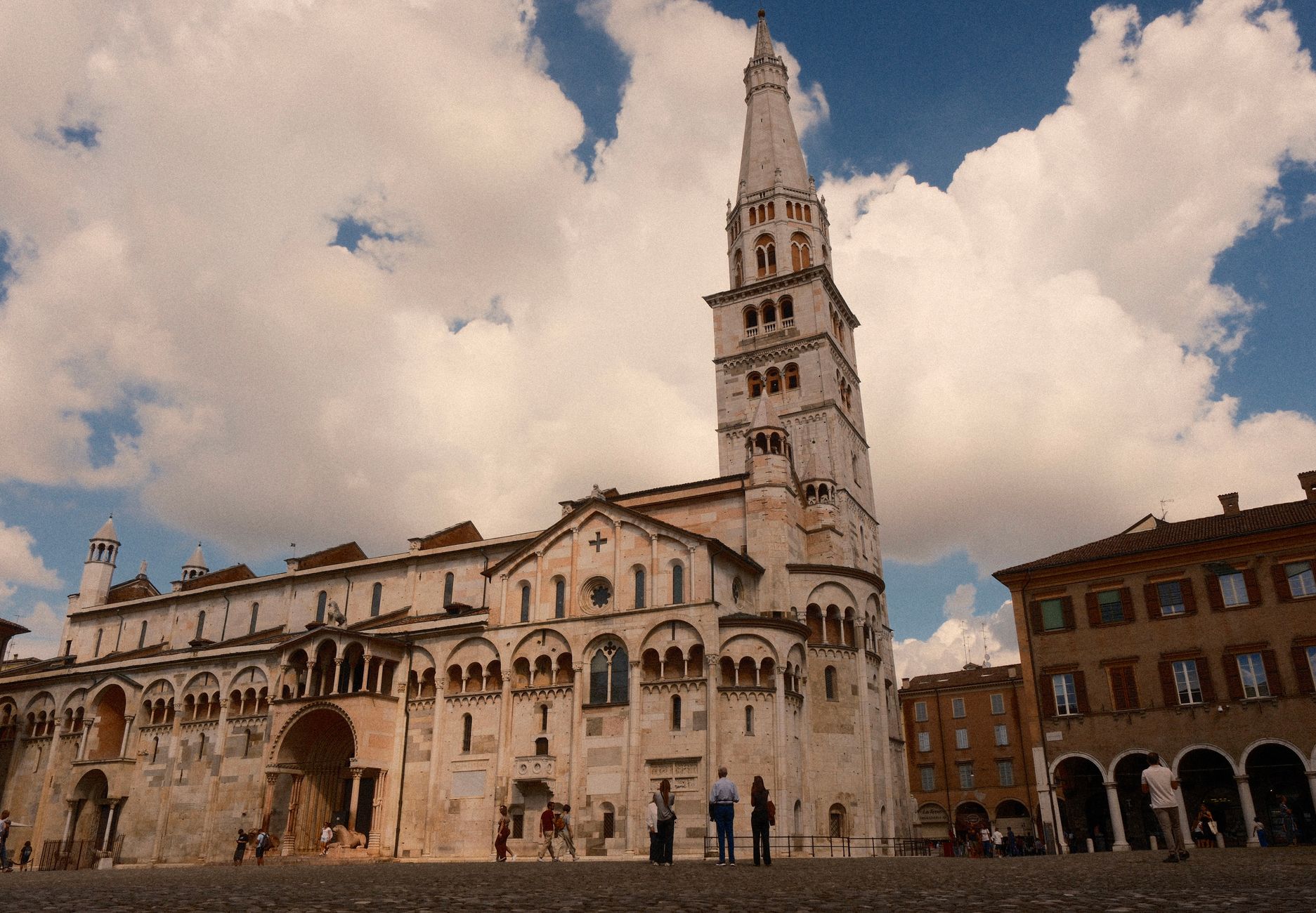
Rising above the urban silhouette, the Ghirlandina tower and the adjacent cathedral form the UNESCO World Heritage monumental complex that defines Modena’s historical identity in Italy. This ensemble of white stone and Romanesque sculptures, carved by anonymous master hands, not only attracts students of medieval art but serves as a constant point of reference for those walking through the historic centre. From Piazza Grande, the campanile, leaning discreetly toward the sky, marks the hours of a community that has preserved its physiognomy without falling into museum petrification.
The preservation of this monumental legacy rests on both public institutions and the civic awareness of the Modenese. Artisan workshops situated in adjacent alleyways continue to craft leather goods and restore antique furniture using methods that defy planned obsolescence. Observing this meticulous work reveals that local heritage conservation is not limited to protecting grand cathedrals, but encompasses respect for the everyday gestures that keep traditional skills alive in neighbourhood workshops.
Master craftsmen maintain standards passed down through centuries, ensuring that mechanical precision and artistic sensibility continue to define local trades. Visitors who observe these artisans at work gain a deeper appreciation for the time and dedication required to sustain tangible and intangible cultural heritage in modern Italian cities.
Time Suspended in Balsamic Vinegar Lofts
In the lofts of ancient noble houses and family cellars across the urban periphery, time acquires a different dimension. The production of traditional balsamic vinegar of Modena demands infinite patience, based on the annual transfer across wooden casks where cooked grape must concentrates slowly over decades. This artisanal process, regulated by strict local canons, represents a perfect metaphor for the city’s relationship with its history: nothing is rushed, everything evolves through constant attention and respect for natural evaporation and maturation cycles.
Responsible travellers exploring this craft discover that Modena’s culinary excellence is not the result of industrial improvisation, but of a collective commitment to authenticity. Families guarding the cask batteries pass the trade from generation to generation, protecting an intangible heritage that survives outside commercial fads. This rigorous artisanal approach reinforces collective identity and offers visitors a unique opportunity to understand the value of slowness and meticulous craftsmanship in modern society.
The intricate interplay between wood types, ambient temperatures, and elapsed years demonstrates an extraordinary harmonization of nature and human stewardship. Each barrel imparts distinct aromatic notes, contributing to a complex liquid heritage unique to this corner of Italy.

Bicycle Life and Human Scale
Unlike sprawling metropolises congested by vehicular traffic, Modena preserves a human scale that favours active mobility. Bicycles serve as the primary mode of transport for thousands of residents commuting between residential neighbourhoods and the historic centre. This habit of pedalling along tree-lined streets and shared lanes reduces noise and air pollution, granting the city an unusual tranquility compared to urban centres of similar economic activity. Public spaces are thus enjoyed without the urgency imposed by combustion engines.
Secondary squares, sheltered by ancient trees and stone benches, welcome residents during rest hours, weaving an invisible network of neighbourly solidarity. Children play outdoors with a freedom scarce in harsher environments, while elders converse in the shade of monuments. This peaceful coexistence among pedestrians, cyclists, and architectural heritage proves that sustainable urban design is viable when community well-being takes precedence over motor traffic speed.
Encouraging cycling infrastructure within Italian municipalities highlights an enduring commitment to public health and environmental stewardship. By prioritizing two-wheeled transport, the municipality successfully mitigates congestion while enhancing the sensory experience of navigating historic streets.
Green Heritage and Biodiversity Corridors
Modena’s urban parks, led by the expansive public gardens situated on the site of the former Este bastion, act as the green lungs balancing the density of the historic core. These spaces offer climatic refuge during warmer months while supporting century-old botanical species and serving as havens for local wildlife. Sunday strolls along these wooded paths are a deeply rooted tradition connecting inhabitants with the surrounding natural environment, reminding all that the city forms part of a broader ecosystem requiring preservation.
Responsible management of these green zones includes efficient irrigation policies, organic fertilizers, and the protection of landmark trees dotting the urban landscape. Citizens actively participate in monitoring and maintaining the parks, organizing educational botanical workshops and community cleanup initiatives. This civic involvement ensures Modena’s natural spaces remain healthy and accessible for future generations, consolidating a model where urban nature is respected as an irreplaceable common good.
Preserving urban flora within Italian cities contributes significantly to climate resilience, reducing urban heat island effects and supporting local insect populations. These green sanctuaries offer tranquil retreats for reflection and recreation, seamlessly merging urban living with botanical conservation.
Practical guide
For those planning to visit Modena from a respectful and leisurely perspective, certain practical guidelines facilitate integration into local life. The city is easily explored on foot or by bicycle, and visitors are encouraged to rent a bike from municipal stations or use public transport for longer trips from the outskirts. Access to the historic centre is regulated for private vehicles, always prioritizing pedestrians and residents.
Respect for traditional business hours is another unwritten rule worth noting: many establishments and markets close during early afternoon hours to reopen as evening falls. When purchasing typical gastronomic products, such as traditional balsamic vinegar or Parmigiano Reggiano cheese, visitors should go directly to local producers or stalls at the Albinelli Market, ensuring that economic contributions directly support the region’s family economies.
Mindful travel practices also encompass observing local etiquette in sacred spaces and quiet residential quarters, ensuring that tourism remains a harmonious exchange rather than a disruptive force.
The Serenity of Squares at Dusk
As the sun dips behind the towers and terracotta roofs, golden light bathes Modena’s historic facades, lending the urban landscape a moving serenity. At square corners, neighbours greet one another with the familiarity of those sharing a common daily destiny, undisturbed by mass tourism circuits. It is in this transitional moment that the city reveals its true essence: a sanctuary of stone, memory, and unhurried habits where every corner invites travellers to pause and contemplate the quiet beauty of a life well lived.