In the heart of the highlands in the state of Victoria, Australia, the city of Ballarat unfolds an urban layout where nineteenth-century heritage and contemporary vitality coexist harmoniously. Far from being a mere tourist showcase, this community of over one hundred thousand residents maintains a daily rhythm deeply tied to its natural surroundings, the preservation of its Victorian architecture, and a civic network that continually redefines its identity. The tree-lined streets and wide avenues reflect a planned layout prioritizing liveability over overcrowding, offering visitors a genuine perspective of regional Australian life.
Daily life in Ballarat unfolds across landscaped public squares, local producer markets, and a network of cultural spaces that anchor neighborhood cohesion. The heritage inherited from the gold-mining era is not viewed merely as a relic of the past, but as a living element infusing residential and commercial structures. Local residents navigate these historic spaces by integrating them into their daily routines, from morning fitness practices in the parks to consuming locally sourced goods in the historic center.
Architectural Legacy and Urban Planning in Victoria
Ballarat’s architecture stands out for the constant presence of public and residential buildings erected during the second half of the nineteenth century, when gold extraction radically transformed the region. Exposed-brick facades, wrought-iron columns, and large windows characterize the urban profile, protected by local regulations safeguarding the preservation of its aesthetic integrity. This care for built heritage does not respond to a static attitude, but to a continuous effort to endow ancient structures with new community and commercial uses.
Green spaces play a fundamental role in the territorial organization of the city. Lake Wendouree, located in the western sector, acts as the true green lung and meeting point for citizens. Along its shores, paved paths are used daily by walkers, cyclists, and families seeking direct contact with nature without leaving the urban core. The integration of natural areas within the metropolitan fabric constitutes one of the pillars of quality of life in Ballarat, fostering healthy habits and the use of sustainable transport modes.

Beyond the main avenues, the various neighborhoods comprising the municipality of Ballarat retain a distinct commercial and social autonomy. Neighborhood markets have established themselves as pivotal points where regional farmers and local artisans trade seasonal goods. This direct relationship between producer and consumer strengthens the circular economy and reduces the ecological footprint associated with food transport, an aspect valued positively by residents.
Neighborhood Life, Local Commerce, and Shared Traditions
Neighborhood associations and community cultural centers regularly organize open workshops, exhibitions, and gatherings fostering social inclusion. The demographic diversity of the city, enriched by the arrival of new settlers in recent years, has diversified the gastronomic and cultural offerings of the neighborhoods, integrating traditions from diverse origins while maintaining an anchor in Australian historical identity. This balance between openness to diversity and respect for local roots defines the singular character of the community.
Civic participation remains a cornerstone of municipal development, ensuring that neighborhood initiatives directly influence urban planning and public service management. Residents actively engage in local committees protecting green corridors and promoting cultural heritage events. This collective ownership of public spaces prevents gentrification and preserves the authentic character of the districts, creating a welcoming environment for both long-term inhabitants and newcomers.
The true measure of a historic city lies in its capacity to care for the wellbeing of those who inhabit it today, turning its memory into a living and accessible resource for all.
Sustainability and Responsible Visitor Choices
The demographic growth experienced by Ballarat over the past decade has been accompanied by a rigorous debate on the sustainable management of natural resources and the protection of surrounding native ecosystems. Local authorities and civic organizations promote initiatives aimed at energy efficiency, waste reduction, and the conservation of indigenous biodiversity in surrounding parks and reserves. For travelers choosing this destination, adopting responsible practices is essential to preserving ecological and social balance.
Visitors are advised to prioritize local public transport, rent bicycles for urban travel, or explore commercial and heritage zones on foot. Similarly, supporting independent businesses and hospitality establishments utilizing regionally sourced ingredients contributes directly to sustaining the local economy. Respect for conservation regulations in natural spaces and historic sites ensures future generations can enjoy the same legacy.
Cultural Spaces and Collective Memory
Ballarat’s cultural offerings extend far beyond traditional museums, encompassing contemporary art galleries, self-managed performance spaces, and public libraries acting as centers for learning and socialization. The collective memory of the community draws nourishment from both historical archives and the oral traditions of its inhabitants, passed down through generations. Outdoor art events and community festivals held throughout the year reflect the creative vitality of a city rejecting cultural isolation.
Educational institutions and local research centers collaborate closely with citizen groups to document the social and environmental history of the region. This participatory approach ensures that the historical narrative is not monolithic, but incorporates multiple voices shaping the territory across centuries. The result is a dynamic cultural environment where reflection on the past serves as a tool to address present challenges.
Daily Mobility and Regional Connectivity
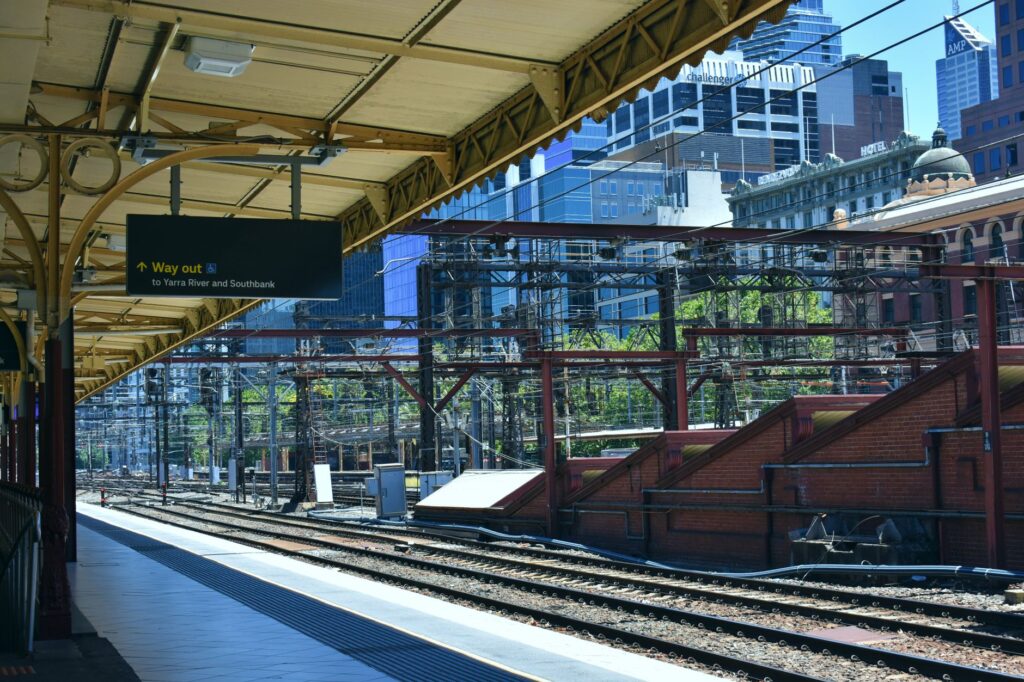
Ballarat’s connectivity with the rest of Victoria relies on a transportation infrastructure network designed to facilitate the smooth transit of both goods and passengers. Regular rail services connect the municipality with major regional urban centers, allowing residents to commute for work or educational purposes without relying exclusively on private vehicles. This mobility efficiency reduces congestion in the urban core and promotes a more balanced development model.
Within city limits, urban bus lines and interconnected pedestrian routes ensure access to essential services from any residential point. Urban planning prioritizes universal accessibility, ensuring individuals with reduced mobility can safely navigate sidewalks, crosswalks, and public buildings. The continuous improvement of these transport networks reflects municipal commitment to inclusive and environmentally friendly mobility.

Practical guide
How to get there: Ballarat is accessible from Melbourne via frequent passenger train services operated by the regional network, with a journey time of approximately one and a half hours. Road access is also available via major highways connecting western Victoria.
When to visit: The spring months (September to November) and autumn (March to May) offer mild temperatures ideal for exploring the architectural heritage and outdoor natural spaces on foot.
How to get around: The best way to explore the historic center is on foot or by bicycle. For longer trips toward the periphery or Lake Wendouree, the urban bus network provides regular and affordable connections.
Accommodation: Options range from restored historic hotels in the center to family guesthouses and independent lodgings in quiet residential neighborhoods.

Gastronomy and shopping: Visiting local farmers’ markets and dining at establishments emphasizing regional Victoria produce is highly recommended.
Travel tips: Always respect regulations in natural reserves, avoid generating plastic waste, and support cultural and commercial projects managed by the local community.
Final Reflection on Landscape and Identity
Ballarat’s horizon, shaped by gentle hills, historical domes, and centuries-old groves, conveys a sense of permanence and serenity. The coexistence between heritage legacy and daily activity demonstrates that inhabiting a territory without sacrificing modernity or destroying the past is entirely possible. Walking through its streets, visitors understand that the true wealth of this corner of Australia lies not only in its ancient gold, but in the solidity of its human bonds and conscious care for its environment.