
The Reconstruction of an Urban Identity on the South Island
Christchurch, widely recognized as the Garden City of New Zealand, extends across the Canterbury Plains with an average elevation of just fourteen meters above sea level. Its population, hovering around four hundred nineteen thousand residents, coexists with a geographical setting where the Avon and Heathcote rivers meander toward the Avon-Heathcote Estuary. Far from being a mere transit destination, this locality has undergone a profound transformation process following the seismic events of the past decade, redefining the concept of community well-being through architecture and the integration of natural spaces accessible to residents and visitors alike.
The original layout of the city, designed in the mid-nineteenth century under the canons of British planning, has been rethought with a contemporary vision that prioritizes public health, active mobility, and the recovery of historical memory. Walking through its streets allows observers to notice how exposed brick and limestone facades coexist with lightweight timber structures and low-environmental-impact materials. This dialogue between past and present shapes an urban landscape where the human scale remains the primary norm, favoring walking and the daily use of the bicycle.
The integration of nature into daily urban life is reflected in territorial planning. Municipal policies encourage the creation of ecological corridors that connect residential neighborhoods with the commercial core, allowing the transition between the urban bustle and the tranquility of the parks to be fluid and constant for any passerby.
Centennial Parks and the Green Pulse of the Basin
Well-being in Christchurch cannot be understood without the constant presence of its green areas. Hagley Park, with its more than one hundred sixty hectares of extension, acts as the central lung of the locality. This space, established in the nineteenth century, brings together native and introduced botanical specimens that change hues according to the seasonal cycle of the Southern Hemisphere. The trails bordering the botanical garden invite pauses and observation devoid of haste, a fundamental principle for understanding the daily life of its inhabitants.
A few steps from the center, the Avon River—known in Māori tradition as Ōtākaro, the place where games are played—meanders flanked by weeping willows and manicured lawns. Ecological restoration initiatives have returned native biodiversity to the riverbank, allowing aquatic birds and indigenous plants to coexist within the urban fabric. For the visitor, exploring this fluvial corridor represents a direct immersion into a local culture that values silence, landscape protection, and respect for natural cycles.
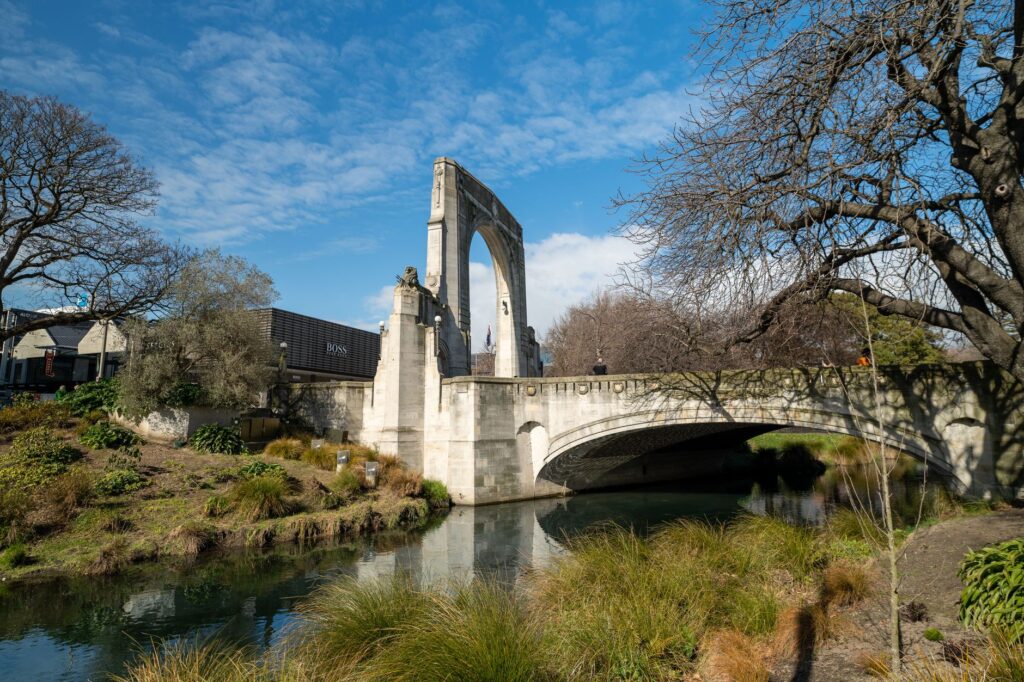
The presence of these open spaces fosters the regular practice of outdoor activities among citizens, ranging from recreational rowing in calm waters to quiet reading under the shade of centennial trees. This symbiotic relationship between the natural environment and the urban community reinforces the psychological and physical resilience of those who inhabit the New Zealand territory.
The true measure of a resilient city lies in its capacity to offer visual and mental refuge to those who inhabit and traverse it.
Heritage Architecture and Contemporary Resilience
The architectural heritage of Christchurch reflects the complexities of its colonial history and subsequent evolution. Iconic buildings such as the Arts Centre, a neo-Gothic complex originally built to house Canterbury College, showcase the masterful use of volcanic stone and artisanal woodwork. Following the damage sustained, its restoration has been an exercise in cultural preservation involving local artisans and specialized techniques to guarantee structural stability without losing aesthetic authenticity.
In parallel, commercial and residential architecture has incorporated energy efficiency criteria and bioclimatic design. New civic complexes and public spaces utilize laminated timber sourced from sustainably managed forests in the Canterbury region. This commitment to renewable materials not only reduces the carbon footprint of construction but also provides a characteristic visual warmth that contrasts softly with the expanse of the open skies over the plains.
The combination of traditional construction techniques with cutting-edge earthquake-resistant regulations demonstrates how built heritage can adapt to contemporary challenges. Local architects have successfully integrated the visual memory of the place with advanced engineering solutions, ensuring that each restored or newly built facade tells a story of continuity and respect for the physical environment.

The Central Market and the Flavors of the Territory
The sensory experience in Christchurch is completed through its local markets and a gastronomic offering rooted in proximity produce. Riverside Market, situated in the urban heart, functions as a daily meeting place where agricultural producers, bakers, and artisans showcase the bounty of the Canterbury region. Here, the freshness of the ingredients reflects the richness of a land irrigated by mountain snowmelt and protected by a temperate maritime climate.
Among the most representative products are artisanal cheeses from the Banks Peninsula, manuka honey harvested in the surrounding valleys, and vegetables cultivated in peri-urban gardens. Consuming responsibly in these spaces fosters the local economy and allows visitors to understand how the culinary identity of the area draws from simplicity and respect for the maturation times of land and sea.
Food sovereignty and fair trade acquire special relevance in these markets, where consumers can interact directly with farmers. This proximity reinforces community bonds and promotes a conscious lifestyle, in which every dietary choice supports the preservation of traditional, low-intensity cultivation methods on the South Island.
Cultural Routes and Māori Memory
The cultural depth of Christchurch is anchored in the ancestral presence of the iwi—tribes—of Ngāi Tahu, who inhabited the territory long before the arrival of European settlers. The Oi Manawa Canterbury Earthquake National Memorial cultural center and interpretive spaces distributed throughout the city offer a plural reading of the territory, acknowledging both Māori history and the collective effort of recent decades.
Walking tours through the New Regent Street area, known for its Spanish Mission-style architecture and pastel-toned facades, reveal a welcoming and pedestrianized commercial scale. Independent bookstores, specialty cafes, and local artist workshops configure a living cultural fabric that invites visitors to pause, converse, and understand the unhurried rhythms of the New Zealand community.

This cultural fabric is enriched through the celebration of community events and outdoor exhibitions that make indigenous and contemporary art visible. For visitors interested in intangible heritage, walking through these neighborhoods offers a genuine approach to local narratives, moving away from mass tourism circuits and betting on a respectful and enriching cultural exchange.
Wellness Spaces and Holistic Health
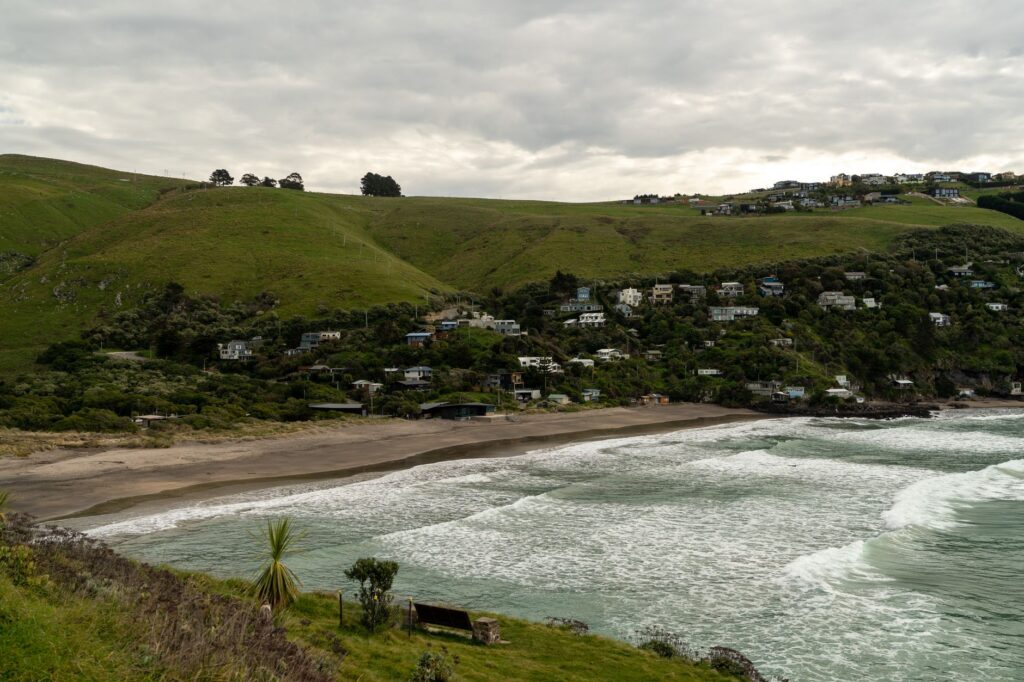
Daily well-being in Christchurch is also cultivated through centers dedicated to holistic health, nearby thermal baths, and open-air meditation spaces. The proximity to the New Brighton coast and the Banks Peninsula allows residents and travelers to alternate urban life with walks along the Pacific Ocean, a key element for mental detachment and personal balance.
Urban planning policies in recent years have prioritized the creation of safe bike lanes and vehicle-free zones in the central district, reducing noise pollution and fostering an active lifestyle. This integrated planning demonstrates that urban development can align with mental and physical health, offering a replicable model of a sustainable city in an oceanic environment.
The practice of disciplines aimed at bodily balance, such as yoga in parks or forest bathing in peripheral reserves, finds a favorable setting in this environment. Residents integrate these healthy routines into their working days, consolidating a culture where personal care and environmental awareness form an inalienable part of local identity.

Practical Guide
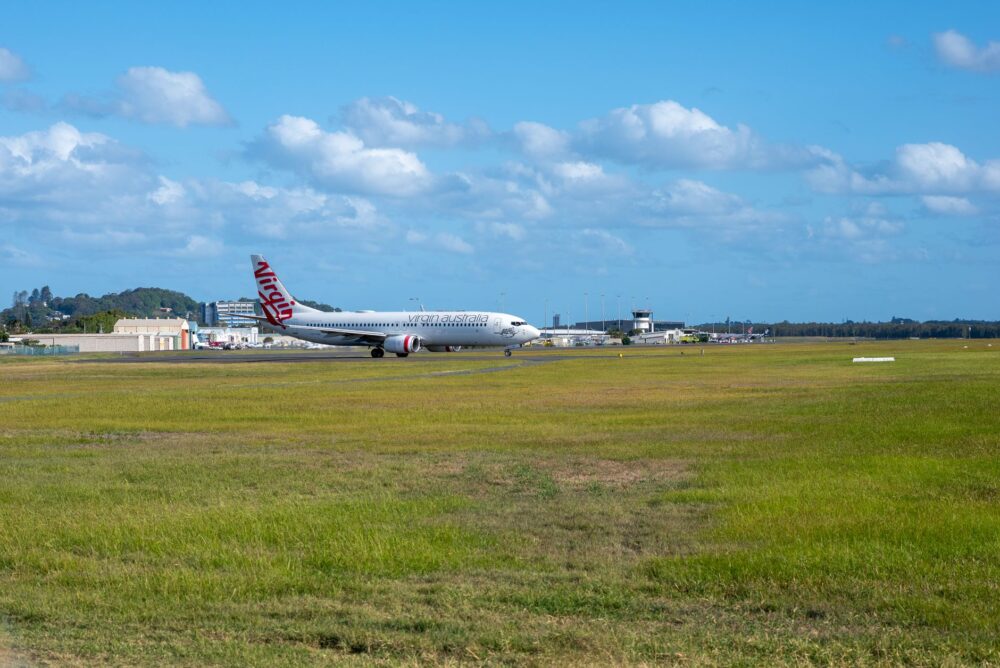
How to get there: Christchurch International Airport (CHC) is located twelve kilometers northwest of the center and receives regular air connections from major cities in Oceania and the world.
When to visit: The spring months (from September to November) and summer (from December to February) offer mild temperatures ideal for exploring the city on foot and enjoying its parks in full bloom.
Mobility: The urban center is completely walkable and features an extensive network of bicycle rentals and restored historic trams connecting major heritage points of interest.
Accommodation: It is recommended to choose boutique hotels and eco-certified lodgings situated in the central district or in the vicinity of Hagley Park to minimize the use of motorized transport.
Gastronomy: Prioritize local markets such as Riverside Market and restaurants working with produce from the Canterbury region and the Banks Peninsula.
Environmental respect: Keep natural spaces clean, use reusable containers, and respect native flora and fauna along the banks of the Avon and Heathcote rivers.
Sustainability and Future on the Plains
The future of Christchurch is shaped by a firm commitment to carbon neutrality and the protection of its biodiversity. Community urban reforestation initiatives and efficient water management demonstrate that a community can reinvent itself without losing its essence. By exploring its streets, travelers not only discover a destination of great scenic beauty but also a living lesson on the human capacity to inhabit the territory with respect, memory, and a vision for the future.
This collective commitment extends to environmental education in schools and civic centers, ensuring that future generations continue to protect the fragile balances of the local ecosystem. In this way, the locality projects itself into the coming years as a benchmark for oceanic sustainability, where economic development and natural heritage conservation go hand in hand in harmony.