Patna, India: la vida cotidiana y el pulso sostenible en la capital de Bihar
The Traces of Pataliputra Beneath the Sky of Patna
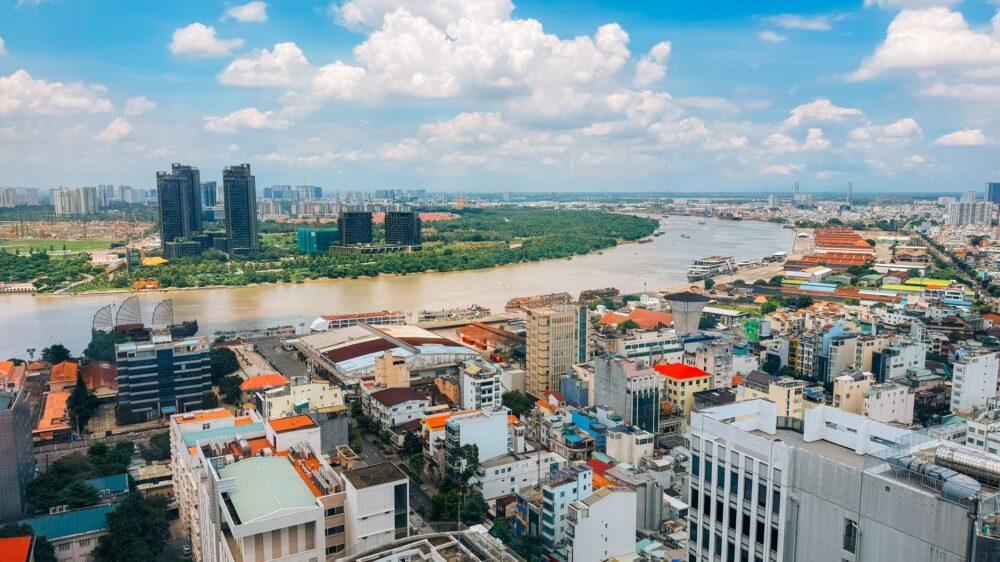
On the banks of the Ganges River, the city of Patna stands as a vast archive of stone, clay, and memory where a millenary past coexists with the urgent demands of the twenty-first century. As the capital of the Indian state of Bihar, this settlement extends its urban layout across an alluvial plain that for centuries witnessed the rise and fall of colossal empires. Walking through its main arteries does not merely mean transiting a densely populated administrative hub, but stepping into a territory where archaeology lies beneath the foundations of family homes, traditional shops, and bustling public transport stations.
The remnants of ancient Pataliputra emerge intermittently in urban excavations that remind the visitor of the site’s historical depth. Far from constituting a mere theme park for tourists, Patna’s monumental heritage forms part of the daily fabric of its residents. Ancient brick walls, excavated mounds, and the vestiges of Mauryan structures coexist with the relentless activity of shopkeepers, students, and artisans who shape the daily rhythm of the city without seeking the approval of the occasional traveler. Every street corner reflects the layered progression of eras, merging ancient foundations with contemporary architecture in a seamless continuum of human habitation.
Preserving these underground and superficial vestiges requires careful urban planning that respects archaeological zones while allowing modern infrastructure to function. Residents often live surrounded by history, integrating ancient fragments into courtyard walls or commercial foundations. This organic integration prevents the heritage from becoming isolated or sterile, turning the entire urban ecosystem into a living museum that honors its origins through daily continuity and respect for ancestral boundaries.
Collective Transport and the Transition Toward Sustainable Urban Mobility
Faced with the demographic growth and vehicular congestion characteristic of major urban centers in the subcontinent, Patna faces the challenge of redefining its mobility through alternatives that reduce emissions and prioritize pedestrian and bicycle traffic. The public bus network, complemented by fleets of cycle rickshaws and three-wheeled electric vehicles locally known as e-rickshaws, forms the backbone of daily travel for thousands of citizens who lack private transport. These electric alternatives have transformed narrow lanes into quieter pathways, significantly lowering local noise pollution and air contamination.

This transition toward lower-impact forms of transport does not respond to an imported trend, but to an economic and ecological necessity deeply rooted in local culture. Electric vehicle operators and daily commuters demonstrate that urban sustainability can be built from the grassroots community level. However, challenges persist in terms of road infrastructure, waste management, and the integration of dedicated lanes to guarantee the safety of those who choose active mobility over the dominance of private cars.
Municipal authorities and community groups collaborate to promote pedestrian-friendly zones, especially around historical districts and bustling commercial markets. By encouraging walking and cycling, the city reduces its carbon footprint while fostering a healthier lifestyle among residents. Investment in charging infrastructure for e-rickshaws further consolidates this shift, ensuring that green mobility remains economically viable for independent operators and accessible to the general public.
Commerce in Traditional Markets as a Space for Social Cohesion
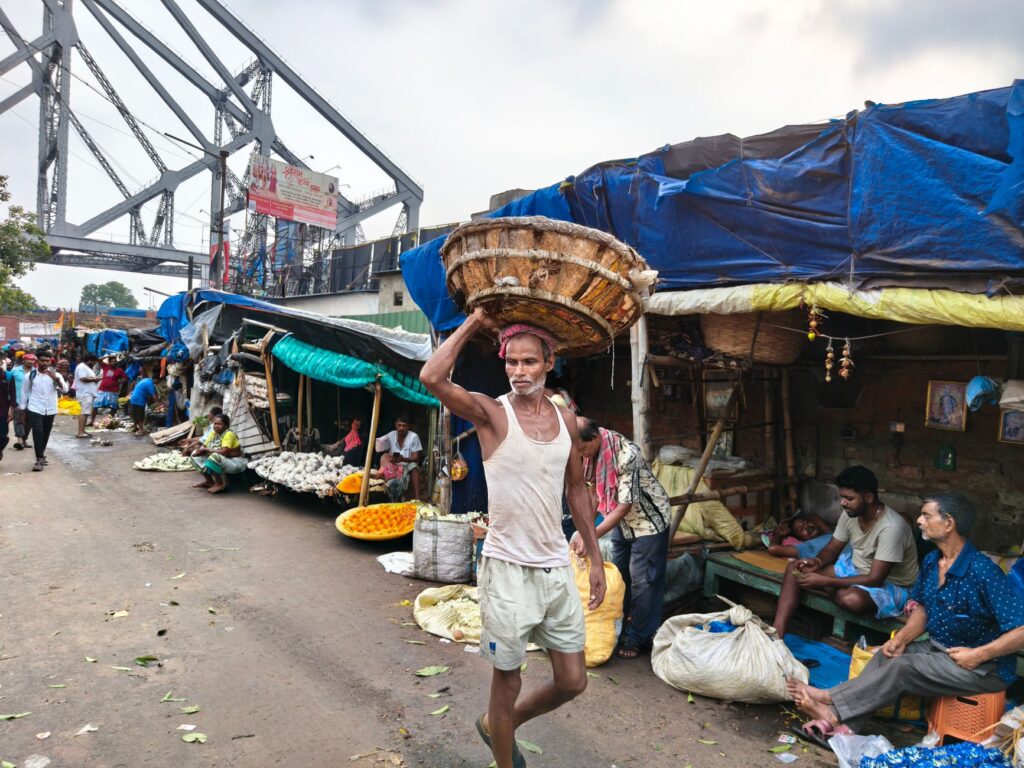
Open-air markets and historical bazaars in Patna act as the true social lungs of the city. In these commercial enclaves, situated in the shadow of colonial buildings and modern residential blocks, local agricultural products, artisanal textiles, and utensils manufactured by workshops in the Bihar region are traded. The dynamics of these spaces foster a proximity consumption model that minimizes long supply chains and strengthens the economy of surrounding rural communities.
For the responsible visitor, exploring these markets requires observing codes of respect and reciprocity that transcend mere economic transactions. Direct purchases from small local producers ensure that the value generated remains within the community, reducing the ecological footprint associated with industrial packaging and long-distance transport. The market is not merely a supply point, but the forum where neighborhood identities are negotiated and endangered artisanal knowledge is preserved.
Stallholders pass down traditional trading techniques from generation to generation, creating an unbroken chain of commercial heritage. Shoppers bring their own cloth bags, reinforcing a zero-waste philosophy that predates modern environmental campaigns. By prioritizing these traditional marketplaces over monolithic shopping centers, citizens actively support regional artisans and maintain the vibrant socio-economic fabric that defines the soul of the city.
Vernacular Architecture and the Management of the Built Heritage
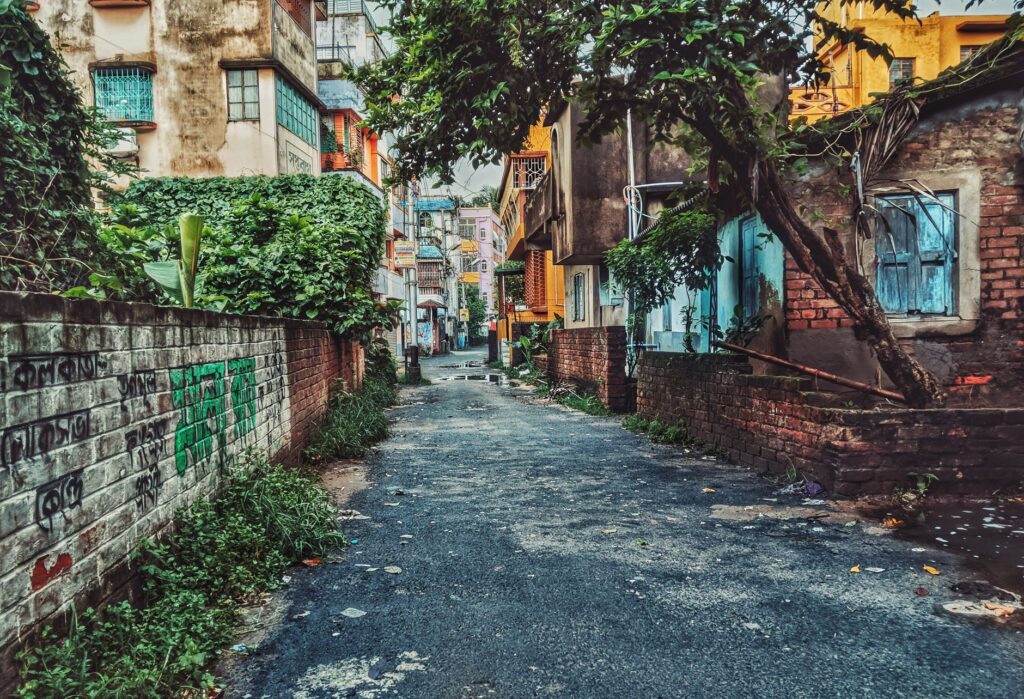
Patna’s architectural profile reveals successive layers of British, Mughal, and indigenous influence that configure a heterogeneous urban landscape. Exposed brick buildings with wooden galleries, former colonial warehouses converted into offices, and self-built housing cluster around narrow alleys where natural ventilation and shade play a fundamental role in mitigating high seasonal temperatures.
The conservation of this architectural heritage faces considerable pressures derived from real estate speculation and accelerated densification. Various local associations of architects and historians promote initiatives to catalog properties of heritage value and promote their rehabilitation using traditional techniques that utilize local materials, thereby avoiding the carbon footprint associated with intensive concrete and steel construction.
Traditional building methods often incorporate clever climatic adaptations, such as high ceilings, interior courtyards, and thick brick walls that absorb daytime heat and release it slowly at night. Restoring these structures using lime plaster and locally sourced timber not only preserves authentic craftsmanship but also ensures buildings remain thermally efficient without relying heavily on energy-intensive air conditioning systems.
Life Along the Ghats and the Relationship With the Ganges River
The link between Patna and the Ganges River defines a large part of its cultural and spiritual identity. The ghats—flights of steps descending to the water’s edge—are daily stages where religious rituals, community cleaning tasks, and the movement of small fishing boats converge. This riverine environment, however, suffers from the onslaught of pollution and climate change, which has prompted the implementation of sanitation and ecological monitoring programs promoted by both public administrations and civil organizations.
The presence of the river reminds residents and visitors of the fragility of aquatic ecosystems in the face of demographic pressure. Traditional water management practices and riverbank consumption habits are the subject of study and reinterpretation by collectives seeking to restore the quality of the flow without altering the centennial customs of those who depend directly on its waters for daily subsistence.
Community-led river cleanups and educational campaigns along the water steps encourage citizens to reduce single-use plastics and dispose of organic offerings responsibly. These initiatives blend spiritual reverence for the sacred waters with modern ecological stewardship, proving that cultural devotion and environmental protection can work hand in hand to safeguard the region’s natural lifeblood.
Environmental Education and the Participation of New Generations
Educational institutions and cultural centers in Patna play a decisive role in the environmental awareness of new generations. Through school workshops, urban reforestation projects, and awareness campaigns on efficient water use, the city’s youth assume an active role in the ecological transformation of their neighborhoods. These pedagogical programs link modern scientific knowledge with the traditional ecological memory transmitted by elders.
Youth commitment translates into practical initiatives such as voluntary cleaning of public spaces, the creation of community urban gardens, and the defense of historical groves against indiscriminate felling. Environmental education in Patna demonstrates that urban sustainability does not depend exclusively on massive technological investments, but on the collective capacity to modify daily habits and care for the immediate environment.

Schools incorporate local biodiversity studies into their curricula, teaching students to identify native flora and understand the importance of maintaining green pockets within dense urban sectors. By engaging children in tree-planting drives and neighborhood recycling programs, educational leaders ensure that ecological consciousness becomes a permanent pillar of civic identity in the region.
The city is not discovered by contemplating its monuments from a distance, but by walking at the same pace as its inhabitants and respecting the natural limits of the territory that sustains it.
Practical guide
How to get there: Patna is served by Jay Prakash Narayan International Airport (IATA code: PAT), which connects the city with major Indian centers. Additionally, Patna railway station is a fundamental rail hub in the northeast of the country.
When to visit: The months between October and March offer more moderate and dry temperatures, ideal for exploring the city on foot or by public transport, avoiding the extreme heat of the pre-monsoon months.
Local transport: It is recommended to prioritize the use of city buses and e-rickshaws for short trips, minimizing the carbon footprint and supporting local sustainable transport operators.
Accommodation: There are various lodging options managed by local families and small hotels that implement energy-saving and waste management measures.

Responsible gastronomy: Opt for restaurants and street stalls that use local ingredients grown in the Bihar plain, reducing the environmental impact of food transport.
Codes of conduct: Respect local customs, dress modestly when visiting temples and residential areas, and always ask permission before photographing individuals in public spaces or markets.
Heritage conservation: Avoid littering in public areas and collaborate with local cleaning and protection initiatives for the ghats and urban green spaces.