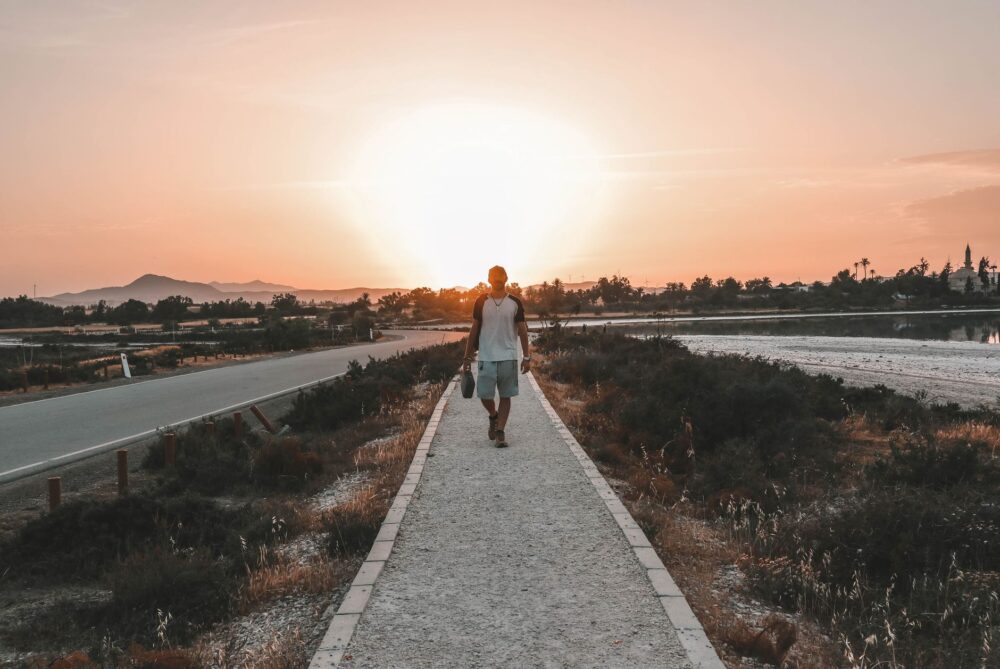
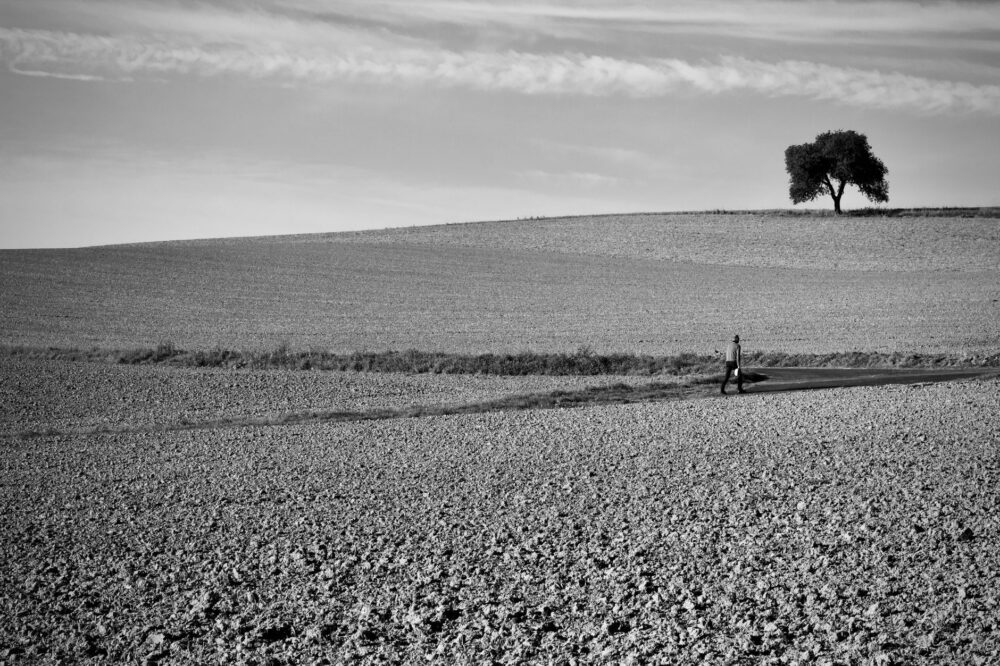
There is an exact moment in every journey when maps cease to be of any use to us. It is that fragile instant when the straight line breaks apart into nameless alleys, dirt paths missing from travel guides, or crossroads where the local language becomes an undecipherable murmur. In that mandatory pause, when our internal compass wavers, the true journey begins to reveal itself. We have been conditioned to fear straying, to measure the success of a trip by how efficiently we check monuments and museums off a pre-arranged list. Yet, getting lost is not a logistical failure; it is a radical opening toward the unexpected.
The Tyranny of the Perfect Itinerary
We live obsessed with control. We plan every hour of our getaways with the illusory hope of shielding ourselves against disappointment. We book tickets months in advance, select restaurants based on algorithms, and demand that reality match the photographs we consume on digital screens. But by shielding the journey from surprises, we also strip it of its capacity for wonder. Hyper-planning turns the experience into a mere confirmation of our expectations, utterly killing the possibility of genuine discovery. When everything is foreseen, the traveler becomes a passive spectator of their own displacement.
The Value of Letting Go of the Map
Giving up the map does not mean moving aimlessly out of sheer destructive chance, but rather adopting an attitude of profound receptivity. It implies accepting that the territory is always vaster, more complex, and richer than any graphic representation we attempt to impose upon it. By letting go of rigid directions, we reclaim something that contemporary life strips from us daily: mental availability. Suddenly, a sun-bleached facade, the aroma of freshly baked bread rising from a dark basement, or the unhurried rhythm of an overheard conversation in a deserted square acquire magnetic relevance. It is the lateral details that sustain the true texture of a place.
The Hospitality of Anonymous Territory
When one ventures into areas unmapped by mass tourism, the relationship with the other shifts in subtle and profound ways. We are no longer the client demanding standardized service, but the walker in need of a direction, temporary shelter, or simply a knowing smile. In those places where the visitor is a rarity, hospitality manifests in its most pristine and disinterested state. A kind gesture, a glass of water offered without ulterior motives, or the patience of someone who understands our linguistic clumsiness restores our faith in the human condition. They remind us that, deep down, we all share the same vulnerability before the immensity of the world.
The Memory of What Was Not Sought
If we look back and review the journeys that have truly left an indelible mark on our biography, we will find they rarely correspond to our most programmed moments. What we remember with clarity is not the great work of art contemplated in strict silence after waiting in a two-hour line, but that afternoon when a sudden storm forced us to take shelter under the awning of a small grocery store, chatting with an old man about lost harvests and rural silences. The affective memory of the traveler is built from the scraps of the unforeseen, from that which never appeared on the budget or the official program.
Toward a More Patient Gaze
Recovering the art of getting lost is, ultimately, an act of resistance against the speed and superficiality of our time. It invites us to look at the world with slower eyes, to distrust absolute certainties, and to understand that the beauty of places is not surrendered at a glance, but demands time, patience, and a certain dose of abandonment. Traveling is not about arriving earlier or seeing more, but about allowing the world to pass through us without haste, transforming our perspective and teaching us that, often, the only way to find oneself is to stop knowing precisely where one is.