
Expedition to the Heart of Southern Vietnam: Preparation and Geographical Context
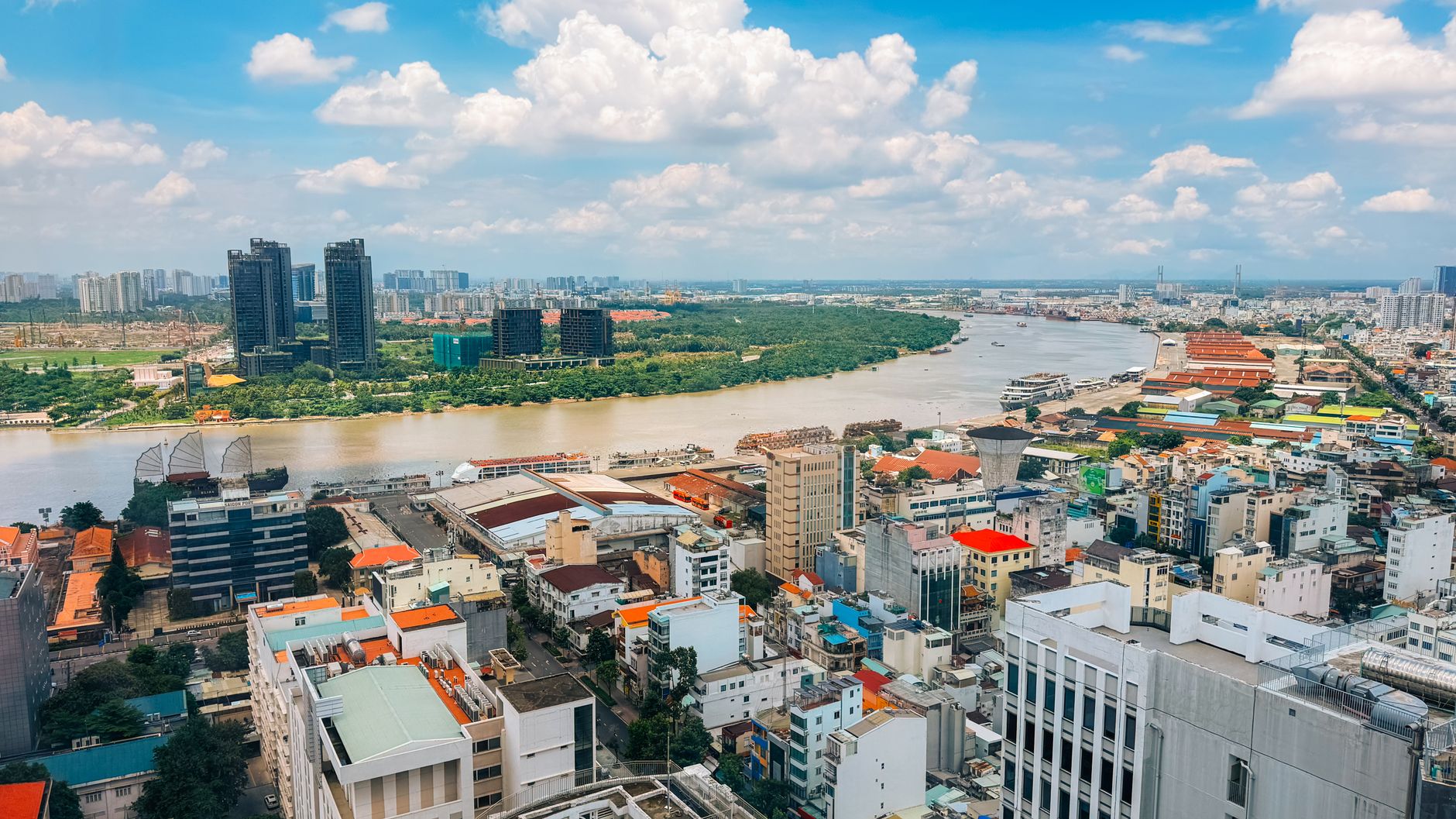
Planning a journey through Ho Chi Minh City, Vietnam’s most populous metropolis with over fourteen million residents, requires understanding that the urban and peri-urban environment does not follow the dynamics of high-mountain destinations. Situated just meters above sea level, the former Saigon unfolds a flat topography crisscrossed by river channels that flow into the Mekong Delta. This configuration gives the region an amphibious character where water dictates the rhythm of daily life and any logistical movement. For the traveler seeking an adventure and expedition approach, the challenge lies not in overcoming extreme elevation gains, but in anticipating the demands of an equatorial climate characterized by high temperatures and intense seasonal rainfall.
Understanding the territory begins with studying its coordinates and its position in the Indochina time zone. With early sunrises past five in the morning and sunsets before six in the evening, outdoor exploration days demand precise time management. The early hours of sunlight offer the most favorable window to explore public spaces and traditional markets before humidity and heat reach their peak values. Rigorous planning of each route prevents setbacks caused by vehicular saturation and sudden tropical storms that transform streets into temporary water channels within minutes.
Climatology and Seasonality: Reading the Skies of Indochina
The climate of Ho Chi Minh City is clearly divided into two seasons: the rainy season, extending from May to November, and the dry season, spanning from December to April. Facing an expedition in this environment demands specific equipment and constant flexibility in the itinerary. During the humid months, monsoonal rains do not usually prolong throughout the entire day, but manifest as torrential afternoon downpours that can catch the unprepared walker off guard. Having lightweight waterproof garments, quick-drying footwear, and airtight pouches to protect electronic devices is a basic rule of urban and suburban survival.
On the other hand, the dry season brings a notable increase in temperatures and elevated levels of solar radiation. Expedition members must plan regular pauses for hydration and the mandatory use of broad-spectrum sunscreen, along with wide-brimmed hats to mitigate the direct impact of the tropical sun. Daily meteorological analysis is not a mere administrative procedure, but an indispensable safety tool to prevent heat exhaustion and severe dehydration while walking long distances through the historic neighborhoods and commercial enclaves of the city.
Urban Logistics and Mobility in a Metropolis of Fourteen Million Souls
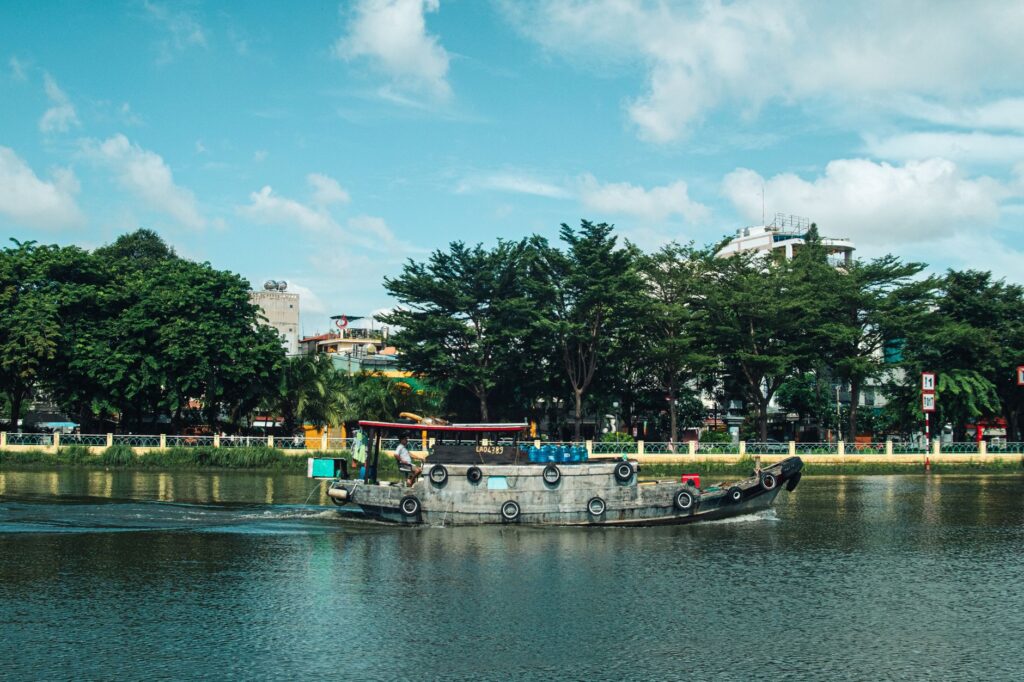
Mobility in a colossal urban center like Ho Chi Minh City represents one of the greatest logistical challenges for any expeditionary. Daily traffic, dominated by millions of motorcycles, demands a radical visual and mental adaptation from the foreign visitor. Crossing main avenues requires a fluent reading of the vehicular flow, where patience and steady rhythm replace traditional traffic lights. The public transport system, composed mainly of urban buses and developing metro lines, is complemented by river transport services operating along the main canals, offering a complementary perspective of the local geography.
Route planning must account for peak congestion hours, known locally during the morning and evening rush hours. Designing walking itineraries through specific districts, such as the historic District 1 or adjacent commercial enclaves, allows for a more intimate contact with French colonial architecture and popular markets. Every urban journey thus becomes an exercise in orientation where the use of updated physical and digital maps prevents time losses and guarantees a smooth, safe experience across the diverse neighborhoods of the former Saigon.
Permits, Regulations, and Safety in Public Spaces
Although Ho Chi Minh City does not require special mountain permits, exploring certain historical buildings, museums, and riverside zones is subject to strict local regulations worth knowing in advance. Respect for private property and access restrictions in specific governmental or religious enclosures guarantee harmonious coexistence with local residents. Authorities recommend keeping identity documents in a secure place and always carrying an accessible digital copy in case of routine inspections or medical emergencies.

Regarding personal safety, monitoring belongings in crowded areas such as open-air markets and transport stations is a fundamental precaution. Population density generates crowds where carelessness can facilitate petty theft. Likewise, it is advisable to register with the consular services of the home country before starting the journey and to have international medical health insurance covering emergency transfers and hospital assistance in centers with Western standards, given that the local health system shows variations in response capacity.
Architectural Heritage and Historical Memory of Southern Vietnam
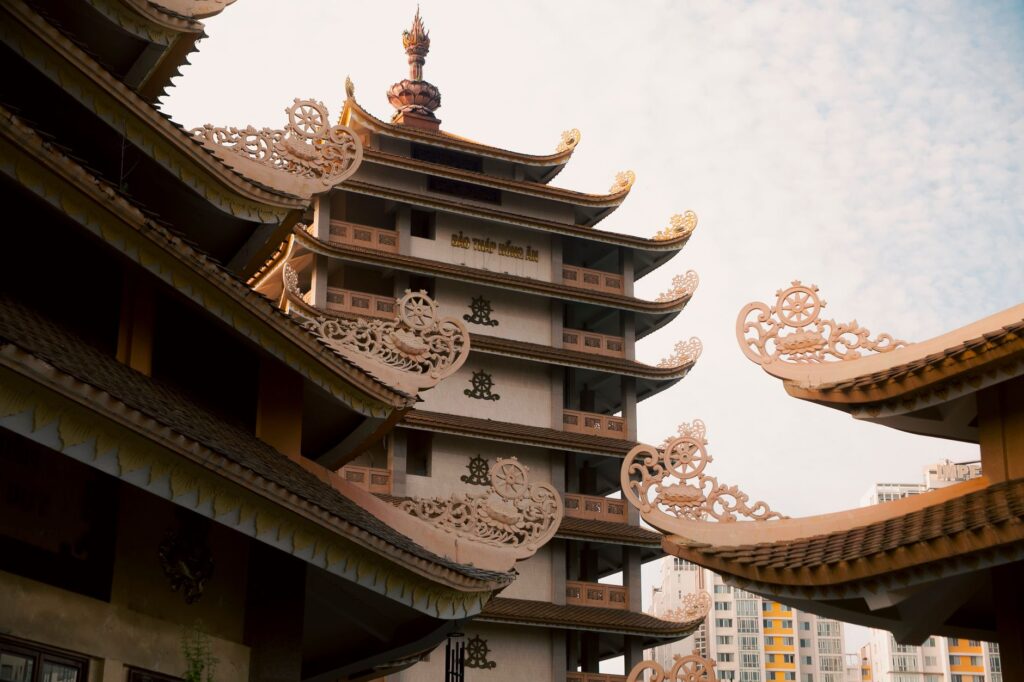
The city’s urban landscape is a living testimony to the profound historical changes that have shaped Vietnam over recent centuries. From centuries-old Buddhist pagodas to the imposing French colonial administration buildings, such as the Central Post Office and Notre-Dame Cathedral, architecture acts as an open book narrating the complex evolution of Vietnamese society. Walking through these spaces invites leisurely contemplation and critical analysis of the cultural influences that converged in the Saigon River delta.
The architectural heritage of Ho Chi Minh City is not merely a visual attraction, but the tangible reflection of a historical resilience that endures in every corner and in the collective memory of its inhabitants.
Museums dedicated to national history and the past century’s conflicts provide indispensable context for understanding the nation’s present. These cultural centers promote a rigorous, documented reading of events, moving away from superficial simplifications. Visiting these enclosures with a respectful and reflective attitude greatly enriches the expedition, transforming a simple tourist tour into a journey of deep learning about the identity, culture, and memory of the Vietnamese people.

Clothing, Technical Equipment, and Health in the Tropics
Selecting the right gear for an urban and cultural expedition in Ho Chi Minh City makes the difference between an enriching experience and unnecessary physical wear. Clothing should prioritize lightweight, breathable, and quick-drying technical fabrics, preferably in light colors that reflect solar radiation. Footwear must be comfortable, water-resistant, and feature an appropriate non-slip sole for wet surfaces or uneven pavements. Using ergonomic backpacks with waterproof protective covers ensures that photographic equipment and documentation remain safe from humidity and sudden storms.
On the health front, prevention is the best strategy against tropical disease vectors, such as dengue-transmitting mosquitoes. Consistent use of approved repellents, the installation of mosquito nets in traditional accommodations, and prior vaccination recommended by health authorities are essential measures. Furthermore, consuming exclusively bottled or purified water and exercising caution when eating food from street stalls guarantees stomach stability throughout the stay in the region.
Practical guide
How to get there: Tan Son Nhat International Airport (SGN), located a few kilometers from the center, receives direct and international flights from major connection hubs in Asia and the world.
When to go: The dry season, from December to April, offers the most stable months to explore the city on foot, avoiding afternoon monsoonal rainfall.
Documentation: A passport with a minimum validity of six months is required, along with the corresponding visa or electronic travel authorization valid according to the visitor’s nationality.
Health and vaccines: It is advisable to consult international vaccination centers to evaluate the need for prophylaxis against diseases transmitted by insects or water.
Currency and payments: The official currency is the Vietnamese dong (VND). Although credit cards are accepted in major hotels and restaurants, having cash is essential for local markets and minor transport.

Cultural respect: Modest attire should be worn when visiting temples and pagodas, covering shoulders and knees, and respectful behavior must be maintained toward local religious traditions.
Final Reflection on the Expedition in the Former Saigon
Exploring southern Vietnam through its streets, canals, and markets reveals a dynamic where tradition and modernity coexist in a constant, fascinating balance.
The journey through Ho Chi Minh City concludes with the certainty that true adventure lies in the ability to observe closely the small details of daily life. From sunrise over the waters of the Saigon River to the nocturnal bustle of its avenues, the city offers an inexhaustible exploration ground for the rigorous traveler. By integrating respect for the environment, understanding of local meteorology, and proper logistical preparation, each visitor becomes a respectful part of an ancient story that continues to be written every day in the heart of Southeast Asia.