
A Geographical Crossroads in the Lowlands of Nepal
Situated in Lumbini Province in western Nepal, Butwal extends at an average elevation of around one hundred and fifty meters above sea level, serving as a transition point between the fertile Terai plains and the initial undulations of the Siwalik hills. The city, which has experienced significant demographic growth in recent decades to surpass one hundred and ninety-five thousand residents, functions as a core node where historical trade routes and contemporary dynamics converge. Unlike high-altitude mountainous enclaves, this municipality offers a subtropical climate and a landscape where seasonal rivers and open-air markets shape a distinct urban identity, characterized by a mix of migrant communities and long-standing residents.
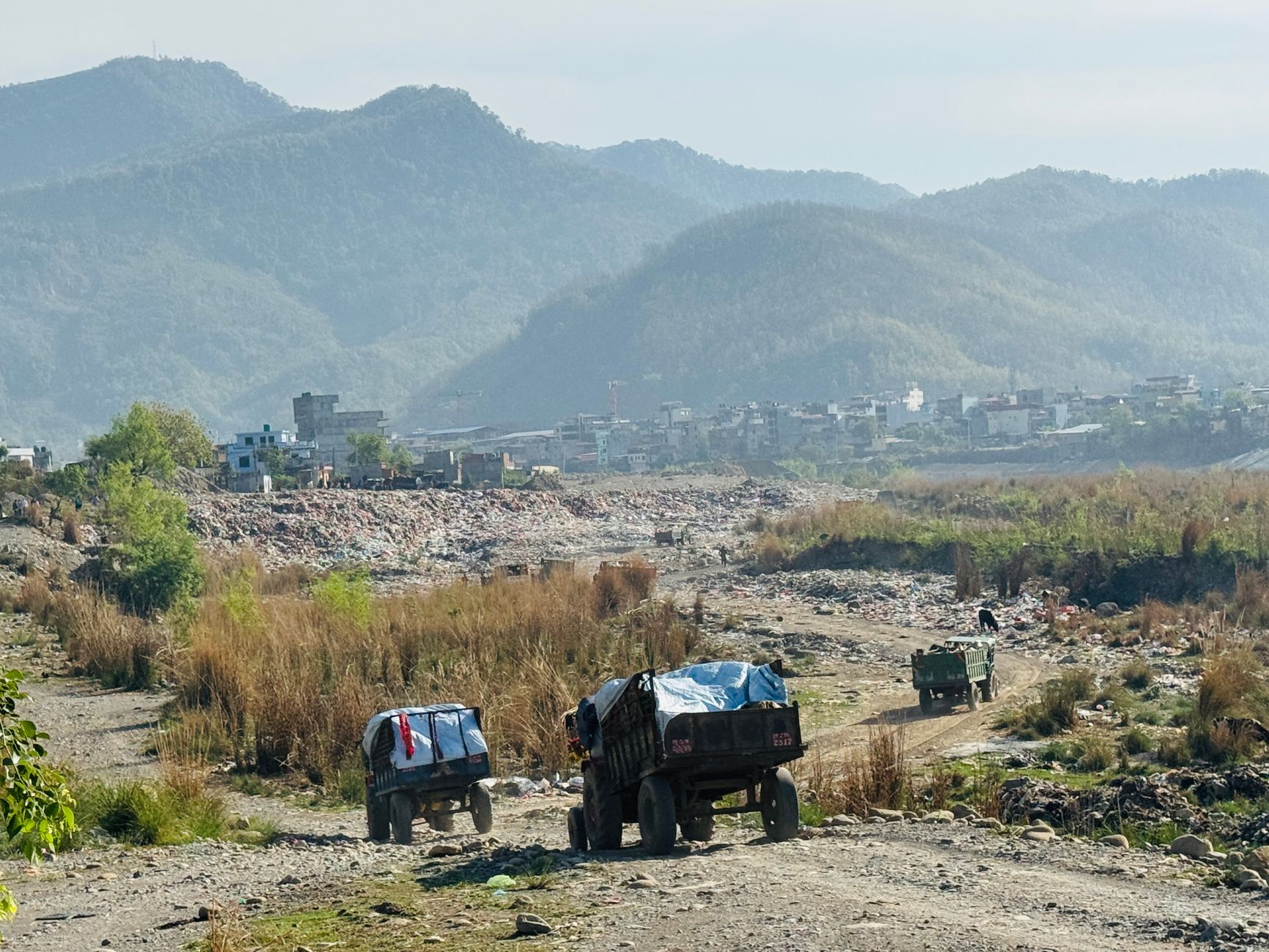
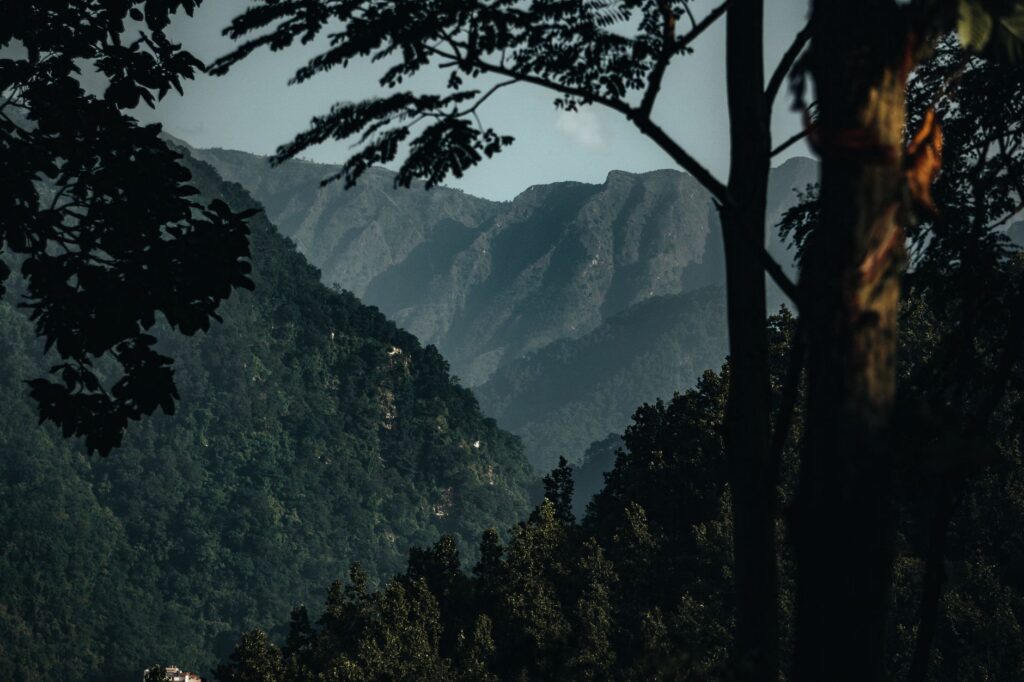
The physical environment of Butwal is marked by the presence of the Tinau River, whose waters run parallel to the main communication routes connecting the southern mountains with the Indian plains. This river corridor not only supplies water resources to the region but also defines the residential neighborhoods and commercial zones extending along both banks. The surrounding topography, dominated by green hills rising abruptly from the valley, provides a constant backdrop that contrasts with the bustle of the main avenues and the mechanical workshops occupying the urban entry points.
Historical Heritage and Memory in the Urban Landscape
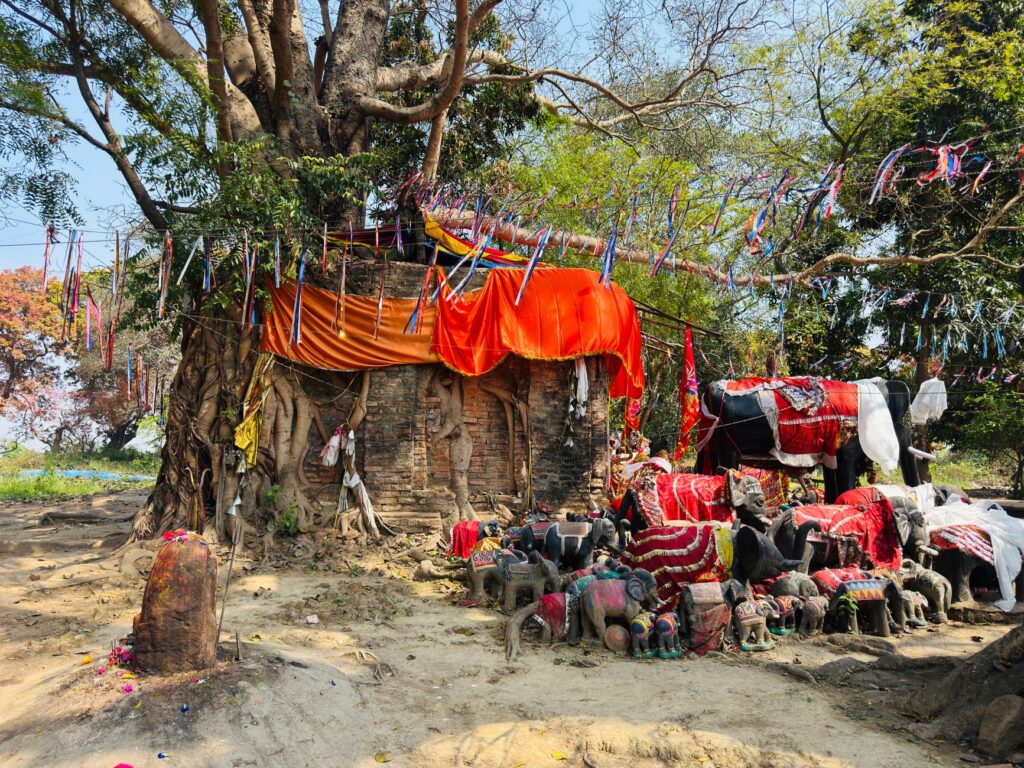
The past of Butwal intertwines with the ancient history of the Lumbini region, birthplace of Siddhartha Gautama, located a few kilometers to the south. Although the modern city is notable for its commercial activity, the urban fabric retains traces of its role as a strategic outpost and customs station on centuries-old trade routes. Local shrines, small temples dedicated to Hindu and Buddhist deities, dot the corners of older neighborhoods, where residents gather at dusk to light oil lamps and incense. This peaceful coexistence of religious traditions reflects the cultural diversity defining the Rupandehi district.
The heritage of Butwal is not confined to cordoned-off monuments, but resides in the continuity of its artisanal trades and the shared memory of its squares.

Traditional masonry buildings with carved wooden balconies and interior courtyards gradually give way to multi-story concrete structures responding to rapid population expansion. However, in alleys near the old Amarapuri market, it is still possible to observe carpenters and blacksmiths maintaining working methods passed down through generations. These spaces offer insight into how the city has assimilated modernization without completely disconnecting from its rural and artisanal roots.
Daily Commerce and Market Life
The economic heart of Butwal beats in its open-air markets and commercial arcades stretching from the center to the outskirts. From early morning, as the sun begins to lift the mist over the Tinau River, merchants arrange vegetables from Terai gardens, aromatic spices, bulk grains, and brightly colored textiles on tarpaulins and wooden planks. This morning bustle constitutes a social ritual where local buyers discuss prices, exchange community news, and select fresh ingredients for the day’s main meals.
In addition to agricultural products, Butwal’s commercial sector includes a thriving network of repair shops, electronics stores, and small family businesses supplying both urban inhabitants and travelers transiting toward northern mountain districts. This mercantile vocation turns the locality into an intergenerational meeting point, where young entrepreneurs coexist with veteran merchants who have witnessed urban transformation since the population was considerably smaller.
Architecture, Transport, and Everyday Mobility
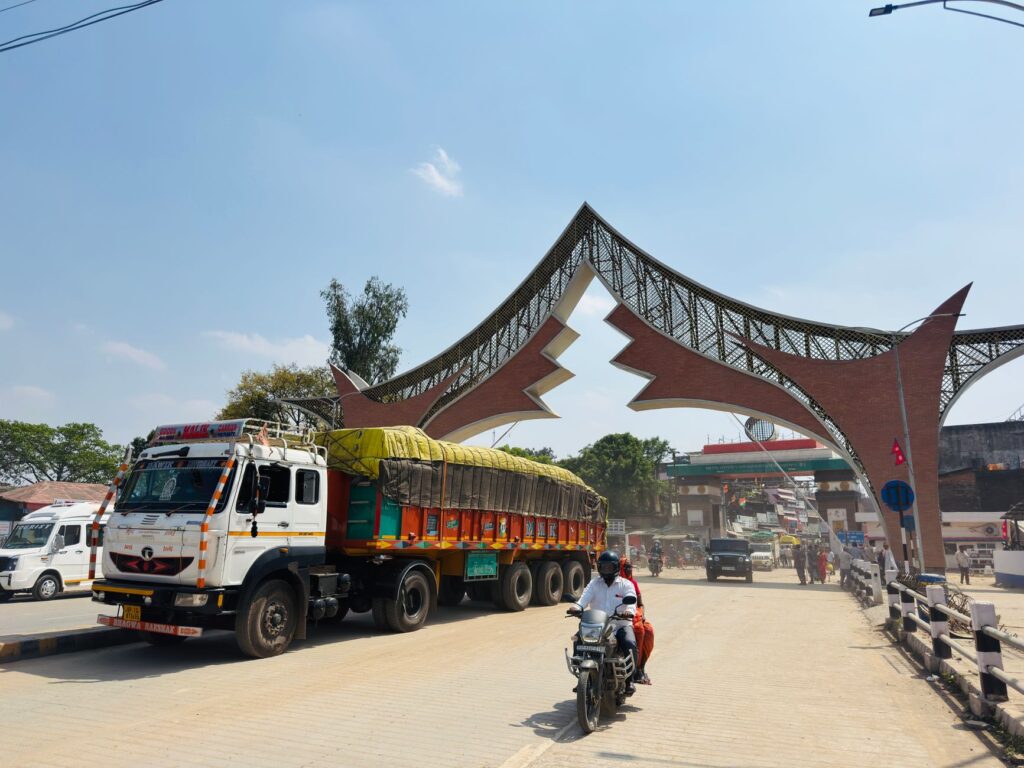
Mobility in Butwal relies on a network of local buses, auto-rickshaws, and shared transport vehicles connecting different neighborhoods with long-distance bus terminals. Main streets, traveled by a steady flow of motorcycles and cargo vans, showcase the logistical vitality of a city acting as an obligatory gateway for travelers moving between the Indian border and the Himalayan foothills. This high traffic density poses ongoing urban planning challenges that local authorities attempt to balance through the creation of new ring roads and pedestrian zones.
Architecturally, the city presents a heterogeneous mosaic. Commercial structures from the initial expansion era combine with modern service centers and single-story residential dwellings with landscaped courtyards. Sidewalks, often occupied by small vending stalls or shade trees, are walked by students, workers, and families conducting daily errands without rush, integrating the leisurely pace of the countryside with the agility demanded by regional trade.
Local Gastronomy and Flavors of the Terai
Butwal’s cuisine reflects its geographical location in the subtropical plain, combining elements of traditional Nepali gastronomy with influences from neighboring Indian lowlands. The quintessential staple dish is dal bhat, consisting of cooked lentils, white rice, and seasonal vegetables seasoned with local spices like turmeric, cumin, and coriander. Frequently accompanied by achar or spicy pickles made from mango, lemon, or radish, this menu forms the daily sustenance of the vast majority of the population.
In street markets and small downtown establishments, it is common to find grab-and-go preparations such as momo—steamed or fried stuffed dumplings—and various varieties of freshly baked flatbread. Traditional sweets made from milk, cane sugar, and nuts hold a prominent place in family celebrations and religious festivals, cementing food as a central element of social cohesion and community hospitality.
Nearby Nature and Leisure Spaces
Despite its commercial profile, Butwal features natural areas of high scenic value in its vicinity, such as the Manimukundapur forest park, a protected space surrounding the historical ruins of an old palace that offers a sanctuary of tranquility amidst the urban bustle. This park functions not only as a green lung but also as a meeting point for families and walkers seeking shade among centuries-old trees and observing local birdlife.
Likewise, trails ascending into the surrounding hills provide access to natural viewpoints overlooking the vastness of the Terai plain and, on clear days, the snow-capped Himalayan peaks in the distance. These paths are frequented by local hikers on weekends as well as travelers wishing to understand Nepal’s physical geography beyond conventional tourist circuits.
Responsible Travel Practices and Community Respect
Visiting Butwal from a sustainable perspective implies recognizing the locality’s role as a dynamic home for its residents rather than merely a transit place toward other destinations in the country. Responsible travelers prioritize using shared public transport to move around the region, support local farmers’ markets, and respect local customs in temples and public spaces, dressing modestly and asking permission before photographing individuals or private activities.
Conscious tourism in this Terai region fosters respectful cultural exchange and ensures that economic benefits directly reach families owning small businesses and traditional guesthouses.
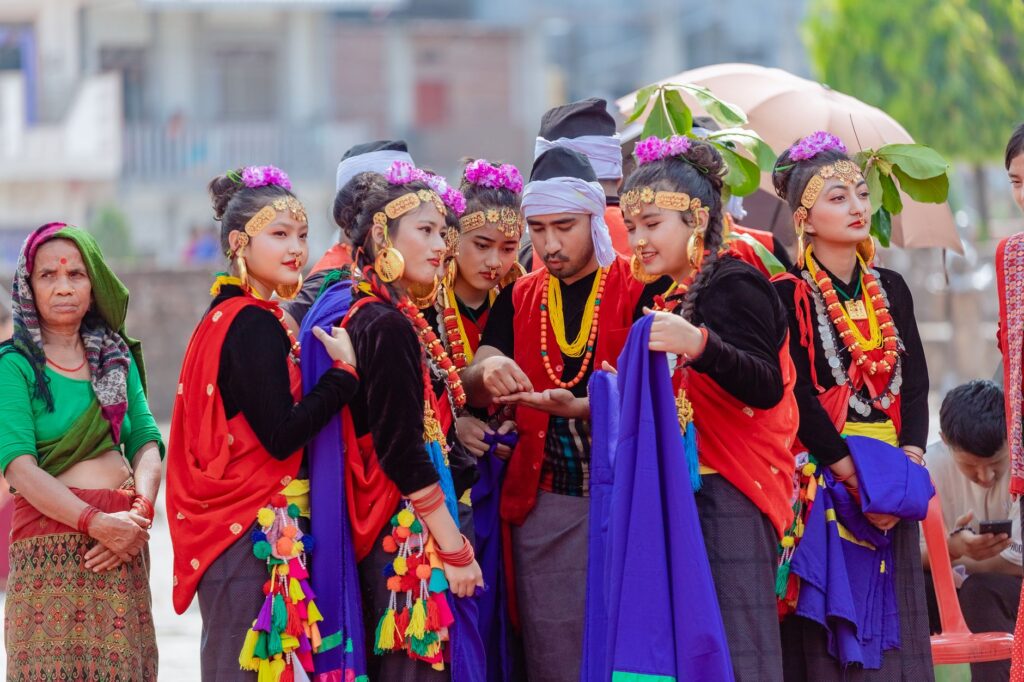
Additionally, minimizing single-use plastic consumption and properly managing personal waste are essential measures to preserve the cleanliness of natural and urban spaces characterizing the municipality. Collaboration between visitors and residents helps maintain the balance between economic growth and the conservation of local heritage.
Practical guide
How to get there: Butwal is exceptionally well connected by road to the rest of Nepal and the Indian border. Long-distance buses and microbus services regularly connect the city with Kathmandu, Pokhara, and Bhairahawa, home to Gautam Buddha International Airport.
When to go: The best time to visit the region encompasses the dry, temperate months from October through March. During this period, temperatures are pleasant and rainfall is scarce, facilitating travel and outdoor walks.
Where to stay: Accommodation options range from family-run guesthouses in the commercial center to mid-range hotels geared toward business travelers and tourists exploring Lumbini Province.
Recommended gastronomy: Be sure to try traditional dal bhat in local eateries and street food staples like momo in the downtown markets.
Practical tips: Carry cash in Nepalese rupees, as many small businesses and market stalls do not accept cards. Respect dress codes when visiting temples and maintain an open attitude toward the daily rhythm of the city.