
Introduction to Liwá’s Liquid Landscape
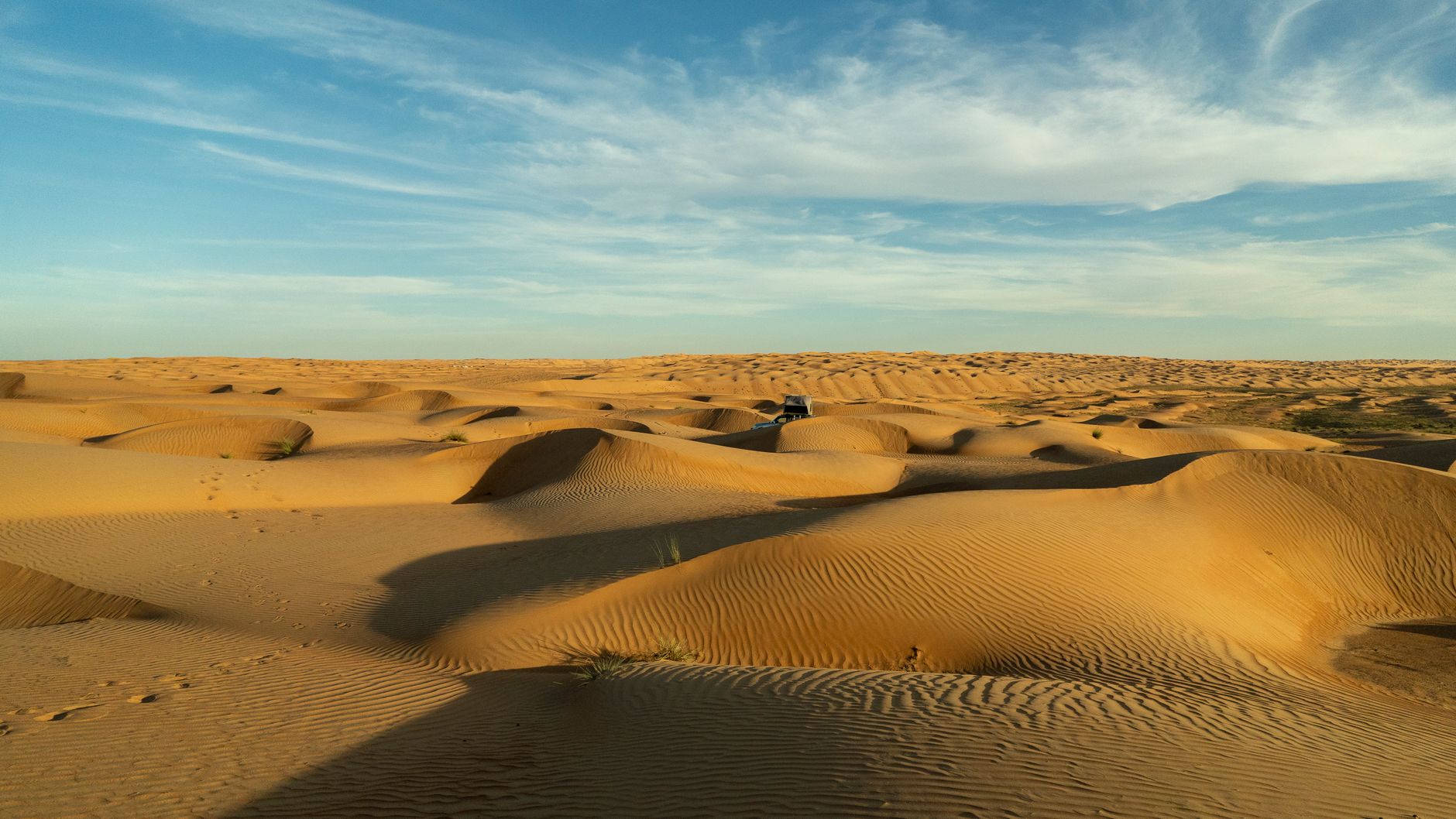
In the heart of northern Oman, the municipality of Liwá stands as a territory where the apparent dryness of the landscape contrasts with a complex network of subterranean water resources. Far from being a static wasteland, this terrain of plains and mountain foothills harbors unique ecosystems that rely on ancient water management systems and the moisture that occasionally descends from nearby peaks. Understanding this corner of the Sultanate requires looking beyond the sandy surface to uncover a delicate biological balance.
The relationship between local communities and the natural environment has historically been defined by the necessity to optimize every available drop. Underground aquifers and natural seepages have allowed native vegetation strips to flourish, providing shelter for various bird species and small mammals adapted to extreme heat. This report examines Liwá’s environmental reality, its ecological heritage, and the importance of adopting respectful visiting practices that ensure the preservation of its fragile equilibrium.
The surrounding terrain reflects the historical adaptability of human settlements in Oman against water scarcity. Inhabitants have developed a profound understanding of the land, passed down through generations, which allows them to identify signs of humidity and the presence of accessible water tables through traditional wells. This close connection ensures that survival in the desert does not depend on the drastic alteration of the environment, but rather on harmony with natural cycles.
Geography and Subterranean Water Resources
Liwá’s territory extends across a transition zone characterized by moderate altitude variations and a relative proximity to the Gulf of Oman that slightly moderates nighttime temperatures. Local geology consists of alluvial sediments and rock formations that act as natural sponges, storing runoff from seasonal rainfall. These underground deposits are the true engine of life in the area, feeding traditional wells and small springs that have sustained human settlements for centuries.
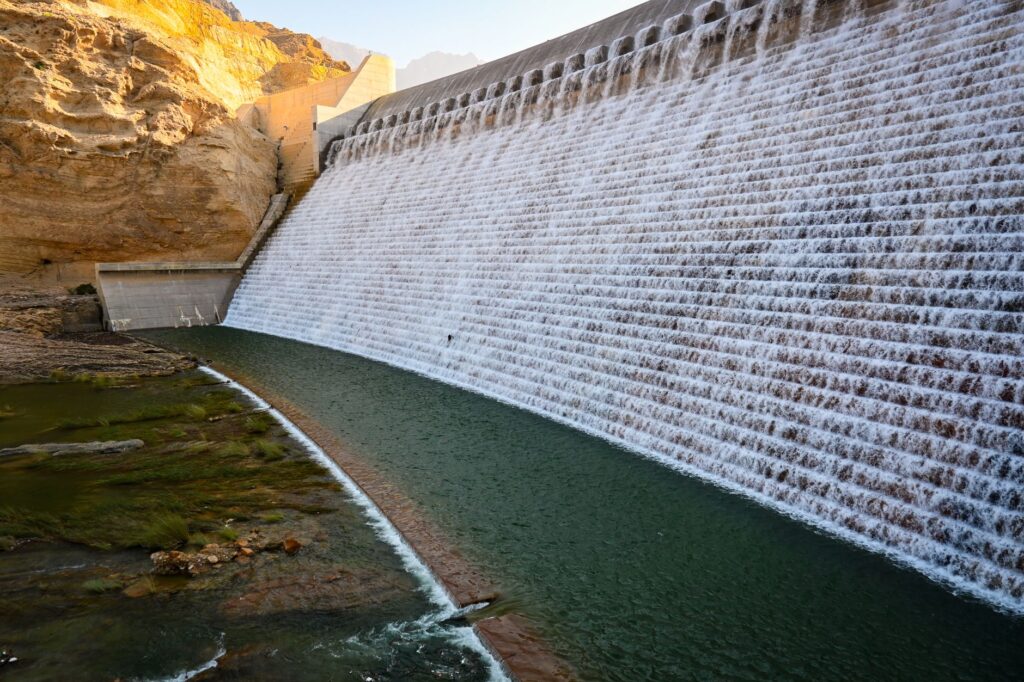
Analyzing these hydrological flows reveals a direct interdependence between high-catchment conservation and the viability of surrounding oases. Environmental authorities and local residents collaborate to monitor water tables to prevent overexploitation—a persistent challenge in arid regions where climate change alters traditional rainfall patterns. Protecting these water corridors is essential for maintaining plant biodiversity.
The porosity of the soil in Liwá facilitates the rapid filtration of any occasional rainfall, preventing the immediate evaporation caused by intense daytime insolation. This underground storage protects the resource and ensures that native vegetation has water reserves during the driest months of the year. Preserving these invisible channels is as vital for Oman’s ecosystem as protecting visible spaces.
Flora Adapted to Extreme Drought
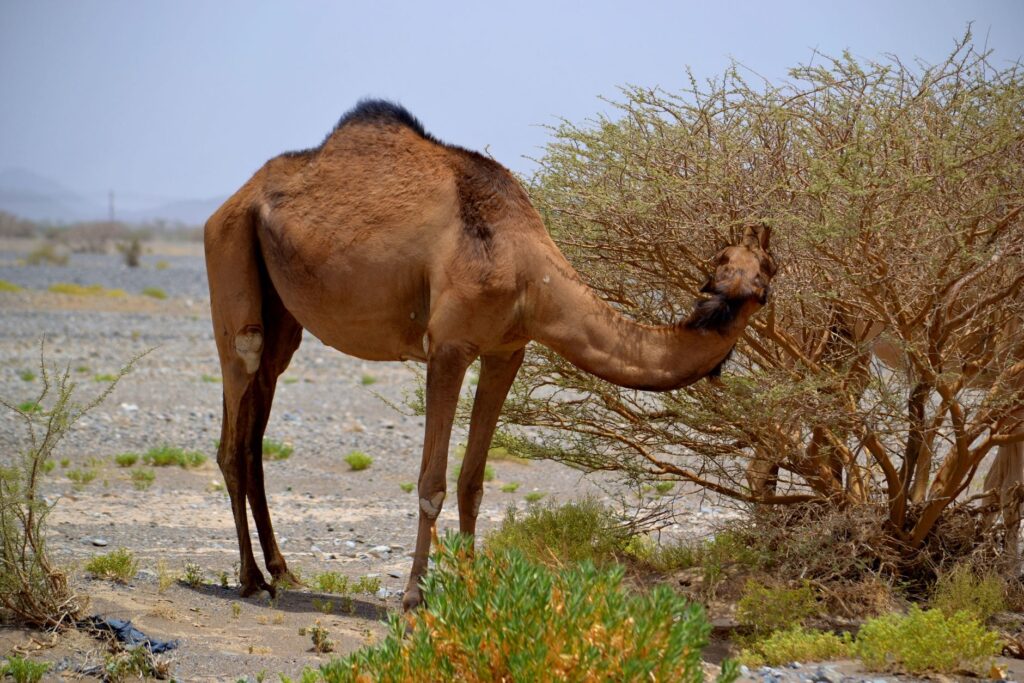
The vegetation of Liwá represents a fascinating example of evolutionary resilience. Species such as the umbrella thorn acacia and various xerophytic shrubs dominate the landscape, developing deep roots capable of reaching moisture meters underground. These plants not only prevent soil erosion from prevailing winds but also generate essential microhabitats for local fauna, offering shade and food during the hottest months of the year.

During flowering periods following scarce rainfall, the terrain undergoes a subtle yet remarkable transformation. Small ephemeral plants complete their life cycle within weeks, temporarily covering the slopes with greenish and yellowish hues. This phenomenon attracts pollinating insects and migratory birds that use the Liwá corridor as a stopover on their seasonal routes, demonstrating that the desert possesses a highly active ecological dynamic.
The physiological adaptations of the flora in this sector of Oman include reduced leaves or leaves transformed into spines to minimize transpiration. This natural design optimizes the internal use of sap and allows specimens to survive prolonged periods without appreciable precipitation. Studying these species provides valuable clues regarding botanical management in desert environments.
Wildlife and Ecological Corridors
Despite harsh climatic conditions, Liwá’s wildlife has found specialized ways to survive. Reptiles such as the spiny-tailed lizard and various species of nocturnal rodents take advantage of cooler hours to forage. Likewise, raptors find suitable nesting sites in the rocky heights, surveying the territory for prey.
Connectivity between different vegetation patches is vital for maintaining these animal populations. Local experts insist that any human intervention must respect these natural corridors to prevent habitat fragmentation. Observing wildlife in its environment requires patience and a prudent distance, avoiding disruption to the mating or feeding behaviors of species already operating at the edge of their energy budget.
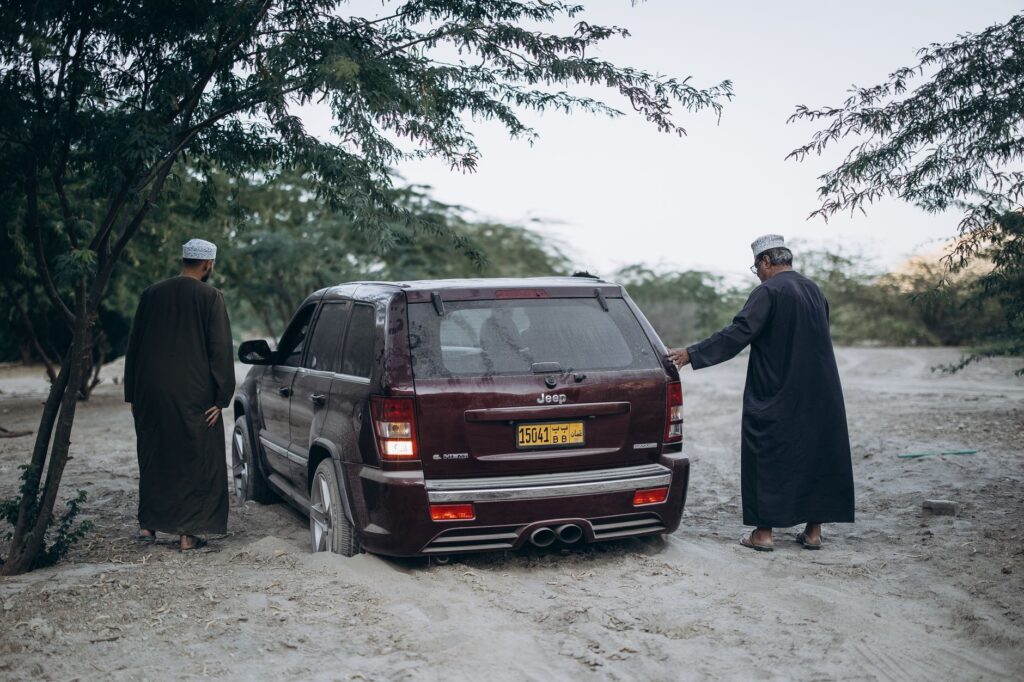
The discretion of Oman’s wildlife demands an attitude of absolute respect and silence from visitors. Footprint trails on the sand or nests elevated in the acacias are eloquent testimonies of animal life adapted to the leisurely rhythm of the desert, where each species fulfills a specific function in pest control and seed dispersal.
The conservation of Liwá’s oases and steppes does not rely on massive infrastructure, but on daily respect for the natural cycles of water and native vegetation.
Agricultural Heritage and Traditional Systems
Liwá’s history is inextricably linked to oasis agriculture. Date palm cultivation, traditional across Oman, structures the agrarian landscape and generates a microclimate that protects minor crops such as vegetables and fruit trees from direct sunlight. This traditional polyculture model optimizes shade and environmental humidity, maximizing the water efficiency of each plot.
Maintaining these ancestral agricultural practices represents invaluable heritage value. Far from intensive industrial methods, local farmers continue applying inherited irrigation techniques that distribute water by gravity through earthen or cement channels. Supporting this local market through the consumption of proximity products is one of the most effective ways to ensure the economic and cultural continuity of the community.
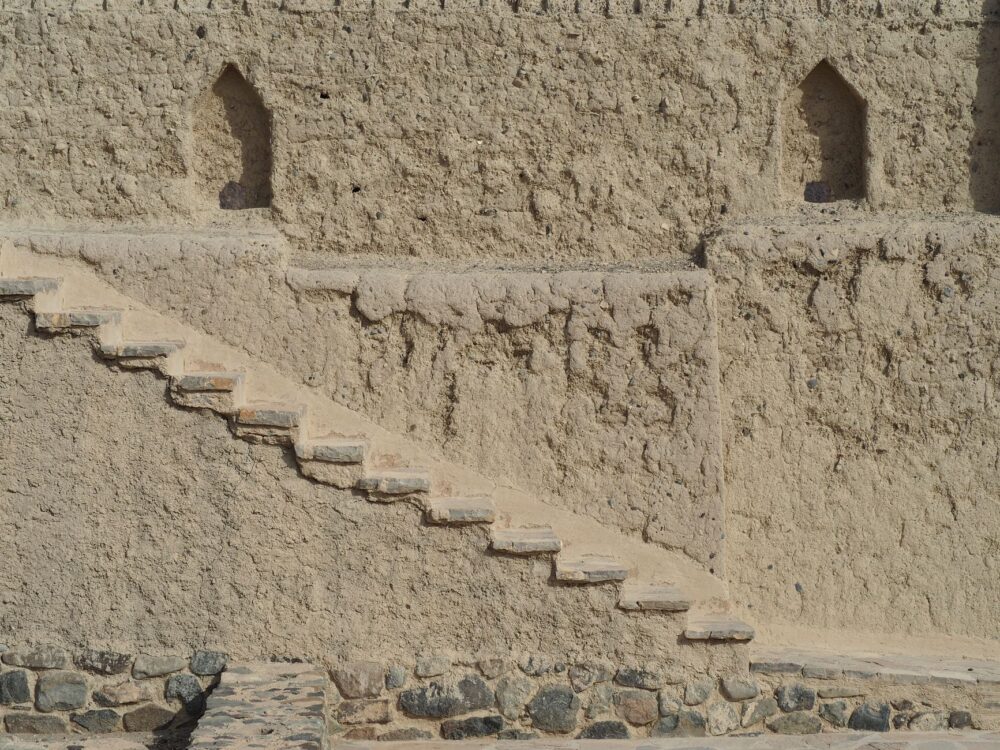
The traditional agrarian architecture of Liwá also integrates defensive and storage elements that reflect the self-sufficiency of past communities. Dry-stone retaining walls prevent the loss of fertile soil during seasonal water flows, demonstrating a seamless integration between human work and the Omani terrain morphology.
Contemporary Challenges Amid Climate Change
Rising global temperatures and erratic precipitation pose complex questions for Liwá’s ecological future. Climate projections for the Arabian Peninsula suggest more prolonged drought episodes, placing additional pressure on subterranean resources. Sustainable water management has thus become a strategic priority to prevent the irreversible desertification of areas peripheral to the oases.
Facing these challenges, scientific research and traditional knowledge dialogue to find adaptive solutions. Reusing greywater for the afforestation of resilient species and strictly protecting catchment basins are measures already being implemented gradually. Raising awareness among residents and visitors is indispensable to support these long-term conservation policies.
The preservation of this environmental balance in Oman requires coordinated action combining local soil protection regulations and educational programs aimed at valuing natural heritage against the advance of uncontrolled urbanization.

Practical guide
How to get there: Access to Liwá is primarily by road from the urban centers of northern Oman using rental vehicles or organized transport services. Well-maintained cars are recommended due to sections of gravel and sand.
When to travel: The months between November and March offer the mildest temperatures for exploring the territory, avoiding extreme summer heat.
Accommodation: Modest lodging options and regulated campsites operating under low-impact environmental criteria are available in the surrounding areas.
Rules of respect: It is fundamental not to litter, to respect the privacy of private agricultural properties, and to avoid driving vehicles outside designated tracks to protect the soil and fragile flora.
Final Reflection on the Human Footprint in the Desert
Visiting an ecosystem as delicate as Liwá invites us to rethink our own relationship with essential resources. Every step along its gravel trails and every liter of water consumed acquires a different dimension when one understands the effort that nature and its inhabitants exert to sustain life in this environment. Responsible tourism, understood as a practice of listening and low impact, constitutes the best tool for future generations to continue finding a living, balanced landscape in the heart of Oman.