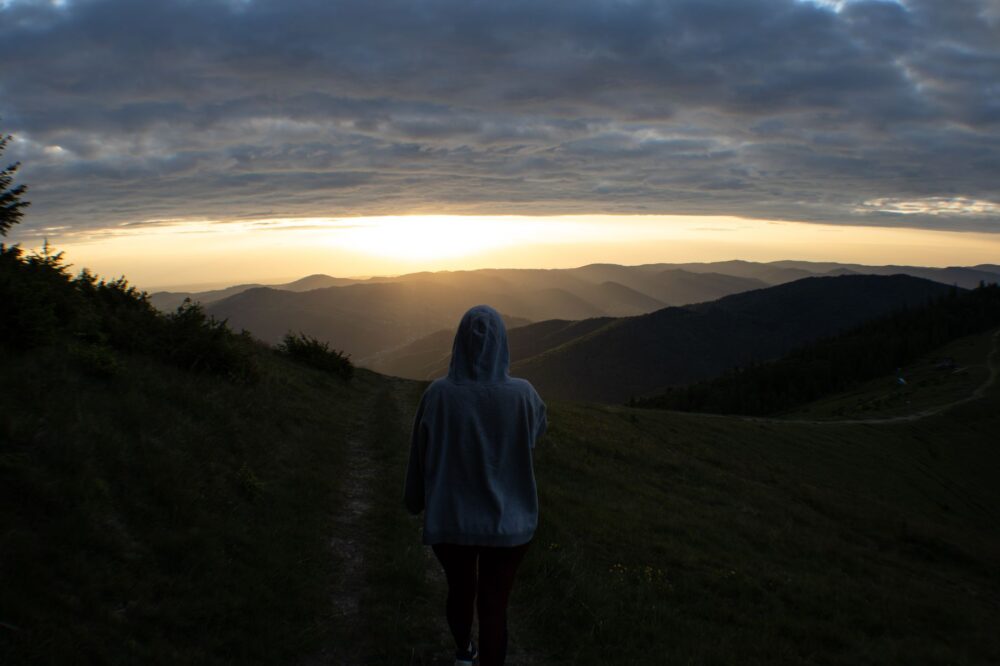
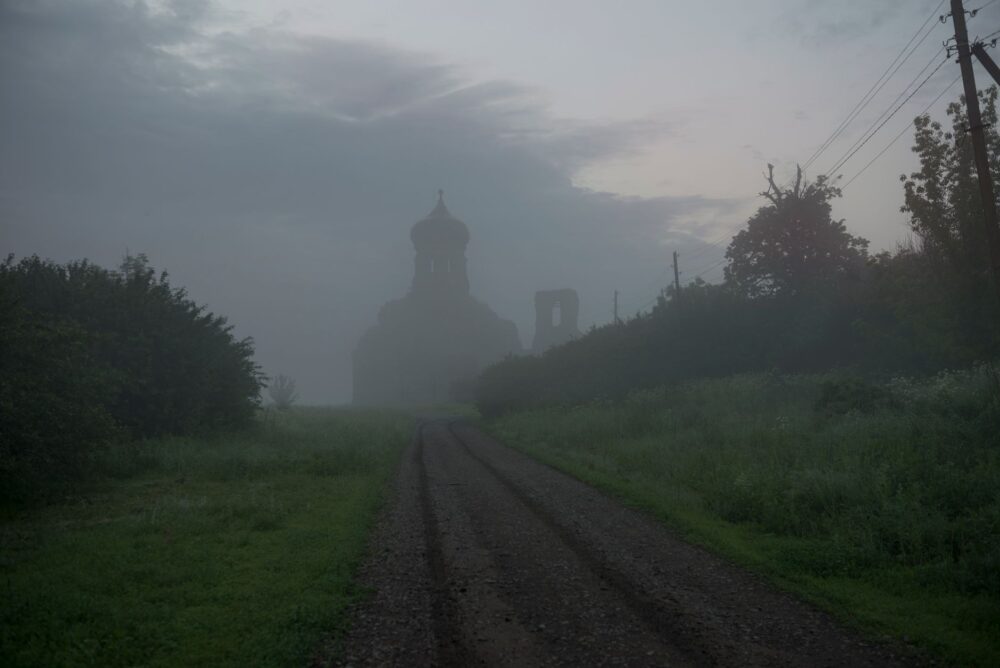
There is a contemporary urgency that pushes us to measure the value of travel by its visual performance and the number of borders crossed in a short span of time. However, when we set aside haste and allow ourselves to contemplate the territory with a calm attention, we discover that the true essence of mobility does not lie in the speed with which we move, but in the capacity to tune into the stillness of the places we visit. The world is not a mere stage arranged for our aesthetic consumption, but a vast archive of memories, landscapes, and silences that invites us to look without the constant temptation to possess everything.
The Geography of the Pause and Recovered Time
Movement acquires an authentic meaning only when we accept to subject our rhythm to the natural compass of the surroundings. In an era dominated by digital immediacy and hyperconnectivity, the act of walking along an unknown path or stopping before an ancient square becomes a subtle form of resistance. It is not simply about changing physical coordinates, but about allowing time to expand. When the traveler abandons the rigid itinerary and leaves room for the unexpected, the territory ceases to be a two-dimensional map and transforms into a living experience, filled with textures, aromas, and resonances that only reveal themselves to those who possess the patience to wait.
The Territory as Interlocutor and Mirror
Every landscape possesses its own grammar, a subtle language composed of the way light falls upon stone, the cadence with which rivers flow, or the manner in which vernacular architecture responds to climate and history. Understanding a place requires abandoning the arrogance of the spectator who judges from the outside to become an attentive guest. By observing how other men and women have inhabited their environment over centuries, we understand that our own concerns and certainties are barely a brief flash in a much broader panorama. Travel, in this sense, acts as a mirror that returns a more humble and lucid image of our own condition.
Hospitality and the Art of Welcoming
One of the most memorable aspects of any journey is the encounter with otherness, always mediated by hospitality. Being received in an unfamiliar space, sharing a simple meal, or listening to a story passed down from generation to generation reminds us that humanity is woven through invisible bonds of mutual respect. Culture is not merely a set of monuments or museums intended for mass tourism, but a living network of daily gestures, shared silences, and forms of courtesy that have withstood the passage of time. Approaching these realities with genuine interest is an exercise in recognition: admitting that there are multiple valid ways of inhabiting the planet.
The Memory of Footsteps and the Weight of the Unseen
As the years pass, the precise details of a journey—the exact name of every street, the tally of visited monuments—tend to fade in memory. What truly remains is a certain disposition of the spirit, a renewed sensitivity toward discrete beauty, and a deeper understanding of the fragility of the world. The responsibility of those who traverse the planet lies in returning with a less strident gaze, more conscious that every place we touch possesses its own dignity that deserves to be preserved and respected. The horizon, after all, is not a line we must reach and conquer, but a constant invitation to widen our capacity for wonder.