
Origins and Geography of an Andean Enclave
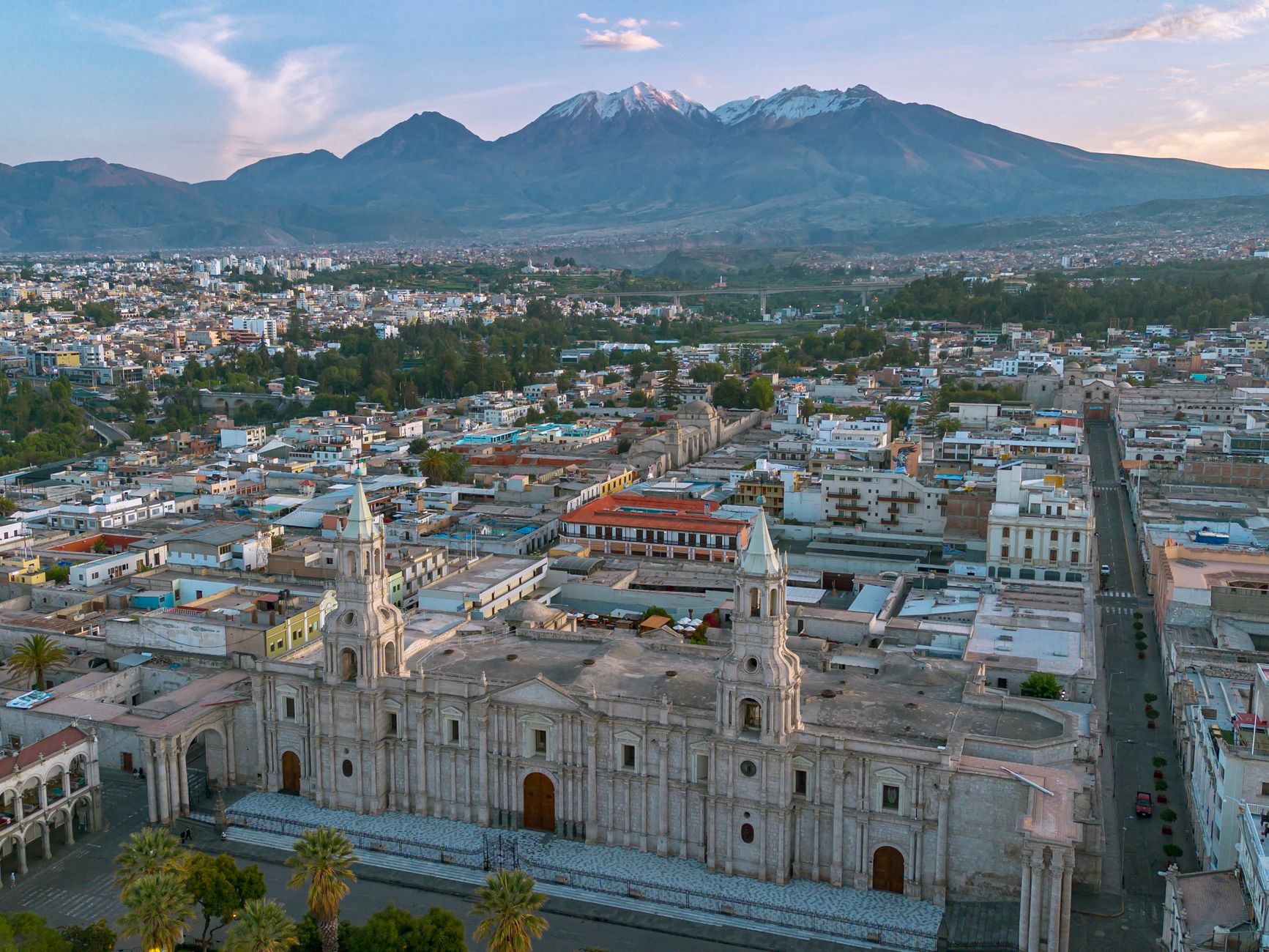
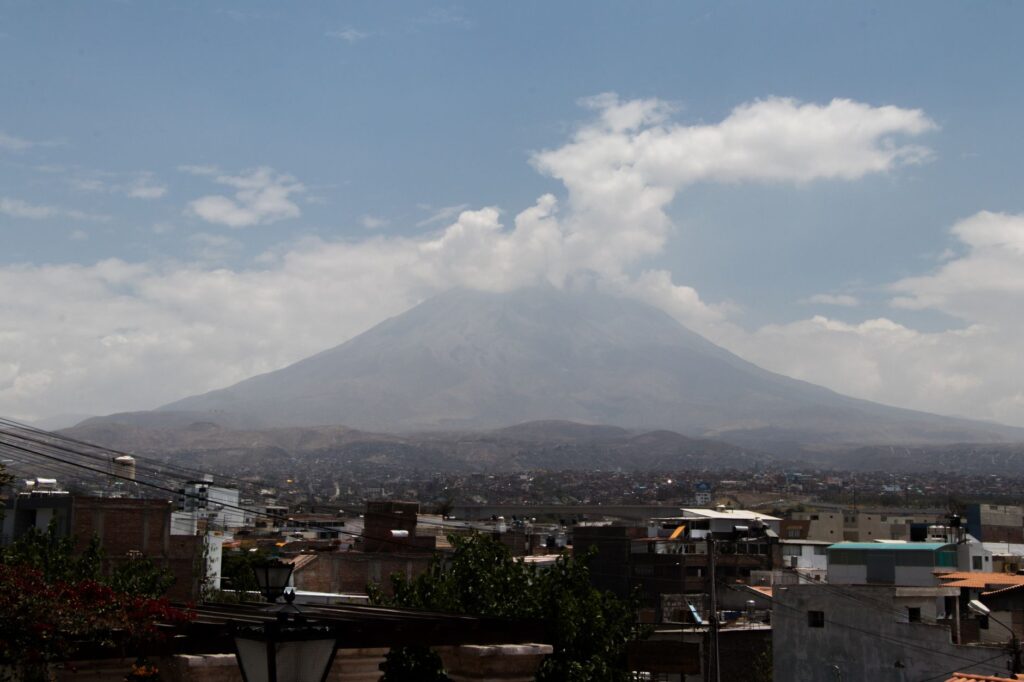
Beneath the imposing presence of the volcanoes that crown southern Peru, Ciudad Satelite unfolds as a territory where geography and human history converge inextricably. Located in the province of Arequipa, this urban demarcation within the district of Jose Luis Bustamante y Rivero represents a meeting point between Andean tradition and the modernity of emerging cities. At an altitude hovering around 2,300 meters above sea level, the crisp air defines every sunrise and conditions the pace at which residents open their shops and walk to their daily labors.
The urban configuration of this sector is not a result of chance, but of decades of planned and self-managed growth by families who arrived from various provinces in search of opportunities. The streets, paved through community effort, display an architecture where exposed brick and concrete coexist with small interior patios that recall colonial heritage adapted to the twenty-first century. Unlike monumental historic centers, life here pulses on street corners, in neighborhood grocery stores, and in the morning greetings among neighbors who have known each other for generations.
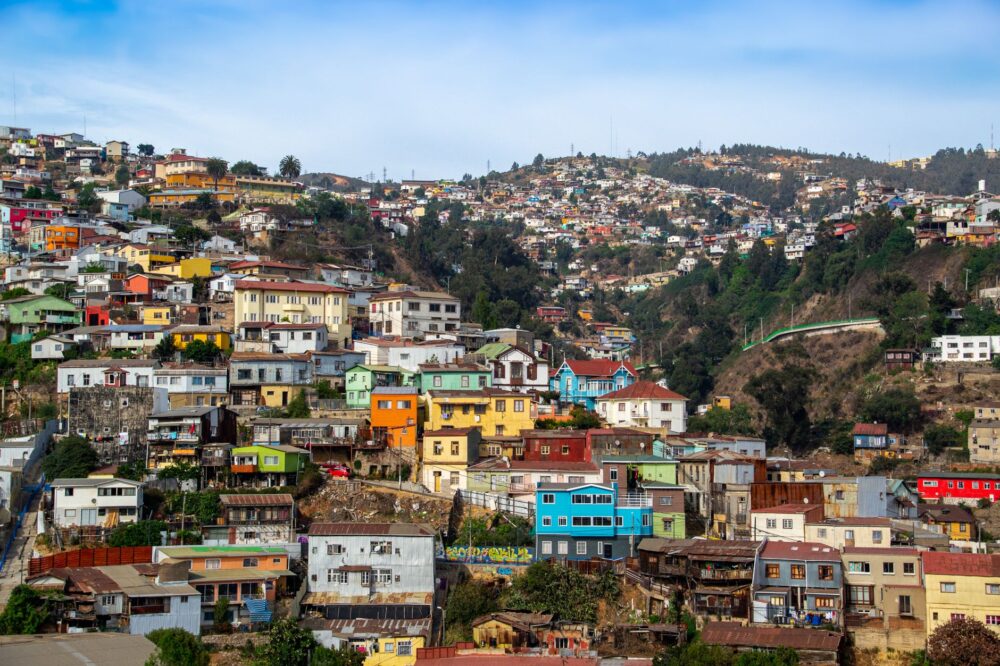
The dry and luminous climate of the region allows mornings to begin with an intense clarity, ideal for walking through residential passages and observing how sunlight illuminates colorful facades. The inhabitants of this sector have managed to build a very solid sense of community, where mutual care and the preservation of local traditions act as a shield against the dizzying transformation of contemporary metropolises.
The Morning Pulse in Local Markets
With the first light of dawn, when the thermometer still registers the low temperatures characteristic of the southern highlands, the markets of Ciudad Satelite spring to life. These spaces are not mere supply centers, but true nerve centers of the neighborhood’s social and economic life. Here, local producers bring native potatoes, giant corn, tubers overlooked by large supermarkets, and fresh fruits that reflect Peru’s biodiversity from nearby agricultural areas.
Strolling among the market stalls reveals a symphony of voices where Spanish blends with Andean accents and expressions that form part of the local identity. Merchants display their goods with care, offering detailed explanations about the properties of each medicinal herb or the exact origin of the fresh cheese displayed on their counters. This daily exchange strengthens proximity economies and ensures that traditional culinary knowledge is transmitted without intermediaries from one generation to the next.
The neighborhood market is the mirror where a community recognizes itself; commercial transactions matter there just as much as greetings and unhurried conversations about the weather and the harvest.
Among the busiest aisles, the aromas of hot broths, mountain anise, and freshly baked bread attract workers before they begin their shifts. Female vendors prepare nutritious breakfasts designed to mitigate the morning chill, consolidating a gastronomic ritual that unites people of all ages around wooden benches and shared tables.
Daily Life Between Memory and Transit
As morning advances, school bustle and public transit movements transform the soundscape of Ciudad Satelite. Commuter vans and shared taxis connect this sector with the heart of Arequipa, generating a steady flow of people who study, work, or run errands in the historic center. However, upon returning to the neighborhood, the pace slows down once again, allowing visitors to enjoy a peaceful and residential atmosphere.
The neighborhood’s parks and small squares act as silent witnesses to daily life. In the afternoons, children occupy the sports courts while older adults converse on benches under the shade of trees adapted to the arid climate. These public spaces are the result of neighborhood struggles to secure green areas amid urban expansion, becoming indispensable lungs for peaceful coexistence.

The collective memory of residents is nourished by anecdotes about the founding of the first streets, the arrival of electricity, and the community construction of schools. Every resident holds a piece of that historical puzzle explaining how a high-altitude plot transformed into a prosperous and organized home.
Architectural Heritage and Community Fabric
The architecture of Ciudad Satelite reflects a constant transition between practical necessity and popular aesthetic expression. Dwellings, predominantly built progressively by their own owners, display an amalgam of styles ranging from functional self-construction to modern designs incorporating elements of Arequipan tradition, such as subtle stone details and metal balconies.
This collective construction effort has generated a strong sense of belonging. Neighborhood committees play a fundamental role in resolving daily problems, organizing patron saint festivities, and ensuring neighborhood security. Solidarity is not an abstract concept in these streets, but a daily practice manifested in mutual aid during the construction of a second floor or in looking after neighbors’ children.
Likewise, small carpentry, locksmith, and garment workshops operating on the ground floors of certain homes demonstrate that the local economy is sustained through artisanal talent and independent labor. These trades, often passed down from parents to children, guarantee the neighborhood’s economic autonomy and keep alive a tradition of industriousness deeply rooted in Arequipan culture.

Sustainability and Responsible Visitor Choices
For those visiting Ciudad Satelite from an alternative tourism perspective, understanding how the place functions implies adopting a respectful and conscious attitude. Unlike massified circuits, the traveler here is not a passive consumer, but an observer who must integrate discreetly into the local routine. Shopping in zonal markets, using public transport responsibly, and respecting resident privacy are basic rules of coexistence.
Water management and solid waste disposal constitute some of the greatest challenges for this area located on the periphery of the major city. Consequently, community initiatives promote the rational use of water resources and the reduction of single-use plastics. The conscious traveler contributes to these efforts by adopting sustainable practices during their stay, minimizing their ecological footprint and valuing the daily effort required to maintain a healthy urban environment at high altitude.
The cultural exchange that occurs when a traveler dialogues with merchants or neighbors enriches both parties, provided it is conducted with mutual respect and genuine curiosity, avoiding stereotypes or superficial folklorization of local customs.
Gastronomic Culture and High-Altitude Flavors
The cuisine consumed in Ciudad Satelite is a faithful reflection of Arequipa’s culinary wealth, adapted to daily life and the ingredients available in zonal markets. Hearty dishes such as stuffed rocoto peppers, shrimp chowder on special occasions, loin broth, and legume- and meat-based stews form part of the daily repertoire nourishing families.

On weekends, traditional picanterias and popular neighborhood dining rooms become irreplaceable gathering points. In these venues, food is prepared using techniques inherited from generation to generation, utilizing firewood in some cases and respecting slow cooking times that guarantee depth of flavor. Sharing a glass of chicha de jora or an anise liqueur at the end of a meal is a ritual sealing the hospitality characteristic of southern Peru.
The Andean table does more than nourish the body; it is the space where affections are strengthened, disagreements are resolved, and the continuity of local culture is celebrated.
The use of aromatic spices like huacatay and ají panca gives each dish an unmistakable personality, demonstrating that the gastronomy of this Andean zone is a living art evolving without losing its ancestral roots.
The Andean Sunset and Neighborhood Calm
When the sun begins to descend behind the volcanic peaks, golden light bathes the rooftops and the streets of Ciudad Satelite acquire a unique serenity. This is the moment when the temperature drops noticeably, inviting inhabitants to take shelter in their homes or enjoy a final chat on doorsteps before complete night falls.
This daily transition between intense morning activity and nocturnal quietness summarizes the essence of life in this corner of Arequipa. Far from the noise and rush of major tourist capitals, the neighborhood offers an authentic postcard of Peruvian daily life, where daily effort, neighborhood solidarity, and respect for natural and cultural heritage constitute the true pillars of existence.

Practical Guide
How to get there: Ciudad Satelite is located in the district of Jose Luis Bustamante y Rivero, within the province of Arequipa, Peru. It is accessible via public transport (combis and taxis) from downtown Arequipa in approximately twenty minutes, depending on traffic.
When to visit: The months from May to November offer the driest and sunniest climate, ideal for walking the neighborhood streets and visiting open-air markets, although mornings and nights are cold due to the altitude.
Visitor recommendations: Respect the residential life of the neighborhood, avoid taking photographs of residents without consent, and support the local economy by shopping directly at zonal markets and small artisanal workshops.