
A Fertile Valley Shaped by the Passage of Time
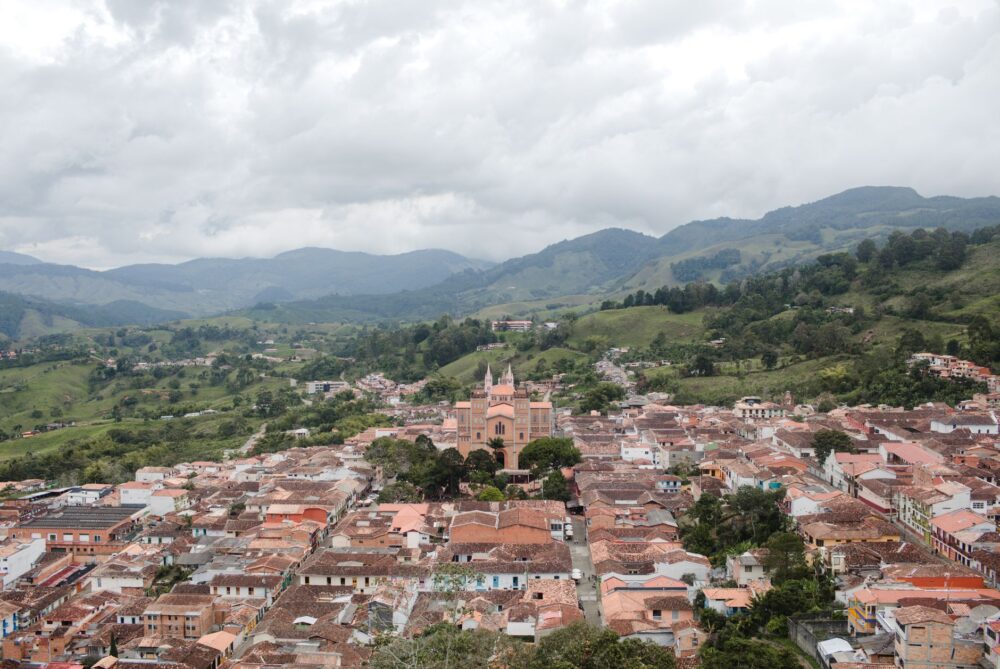
Nestled at the foot of the imposing Irazú volcano and sheltered by the Central Cordillera, the city of Cartago stands as one of the oldest and most significant settlements in Costa Rica. With an altitude hovering around one thousand four hundred metres above sea level, this territory combines a cool climate with a rugged geography that has historically shaped the development of its transportation routes. Mornings typically begin with a light mist rolling down from the volcanic slopes, covering clay tile roofs and old manor houses that recall the colonial era. Unlike coastal plains, urban mobility here requires navigating slopes and planning every journey with careful attention to the terrain.
The region’s history cannot be understood without the constant effort to break through geographical isolation. For centuries, the transport of goods and people depended on oxcarts traversing dirt tracks, a slow process vulnerable to heavy seasonal rains. The arrival of the railway in the nineteenth century radically transformed this reality, turning trains into the circulatory system that fed both local commerce and connections with the coast and the rest of the country. Today, the traces of that infrastructure remain visible in the urban fabric, a reminder that every station and rail segment was built upon the pulse of a community demanding better transit.
The Railway Footprint in the Urban Landscape
The railway line cutting through Cartago is not merely a utilitarian element, but a backbone that divides yet unites the eastern and western neighbourhoods of the city. The tracks run parallel to tree-lined streets and cross public squares where residents walk daily to run errands or reach their workplaces. Although motor vehicle transport has gained prominence with demographic growth, the presence of the train evokes an era when the metallic whistle set the rhythm of school and workdays. Historic stations, some carefully restored, now act as silent witnesses to an industrial past that moulded the collective identity of the province.
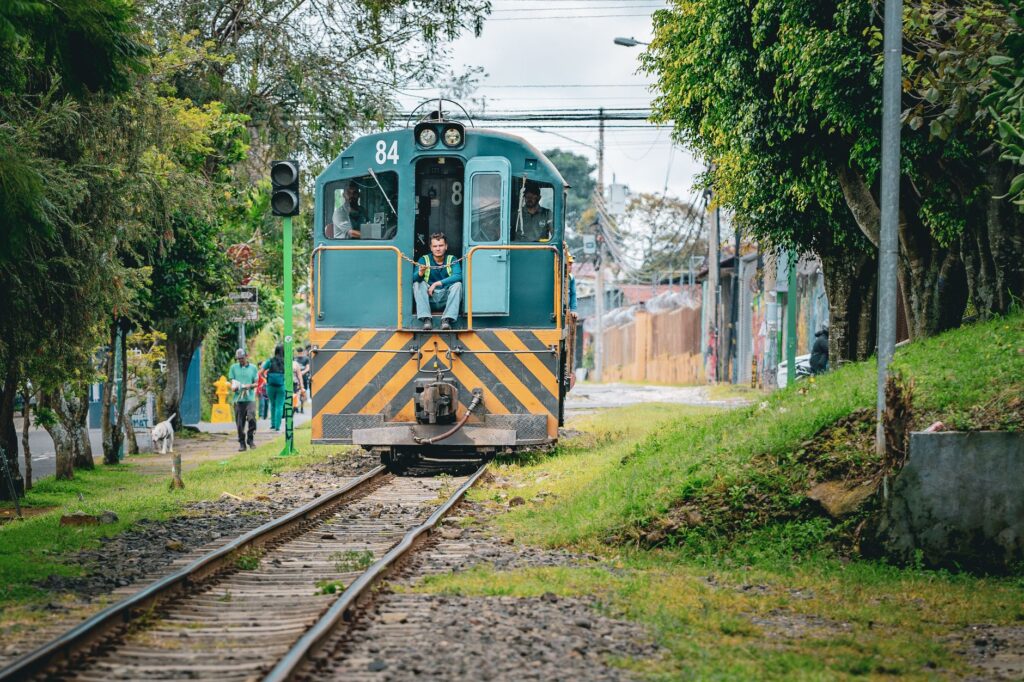
For the residents of Cartago, the railway line also serves as a visual reference point. The rusted rails in certain sections and modernised ones elsewhere act as a dividing line between the commercial bustle of the centre and the tranquillity of peripheral residential neighbourhoods. This urban contrast reflects how the city has grown around its transport infrastructure, integrating it into everyday architecture. Old brick and wooden buildings coexist with modern structures, generating a visual mosaic where rail transport acts as the guiding thread of collective memory.
The train in Cartago was never merely a medium for hauling coffee or passengers; it was the instrument that integrated this high valley with the nation’s economic pulse.
Daily Life Set to the Rhythm of Journeys
Day-to-day life in Cartago unfolds between morning commercial activity and the steady flow of people commuting toward the capital or local educational centres. Urban buses and metropolitan rail services operate from early hours, absorbing the demand of thousands of workers and students who cross the central valley each morning. Transport stops become meeting points where stories of internal migration, local trade, and routines established over decades converge. The synchronisation between different modes of transport is essential to maintain the cohesion of a community functioning both as a residential suburb and an administrative hub.
Along the main avenues, pedestrian foot traffic combines with private vehicles and public transit units, creating the dynamic characteristic of an intermediate city seeking to balance its historical heritage with the demands of modernity. Cartago’s residents value proximity to essential services, yet they also recognise the challenges of managing increasingly dense traffic on streets designed for another era. In this scenario, optimising daily commutes has become a priority for both local governments and citizens navigating the province on a regular basis.
Architecture and Heritage Surrounding the Stations
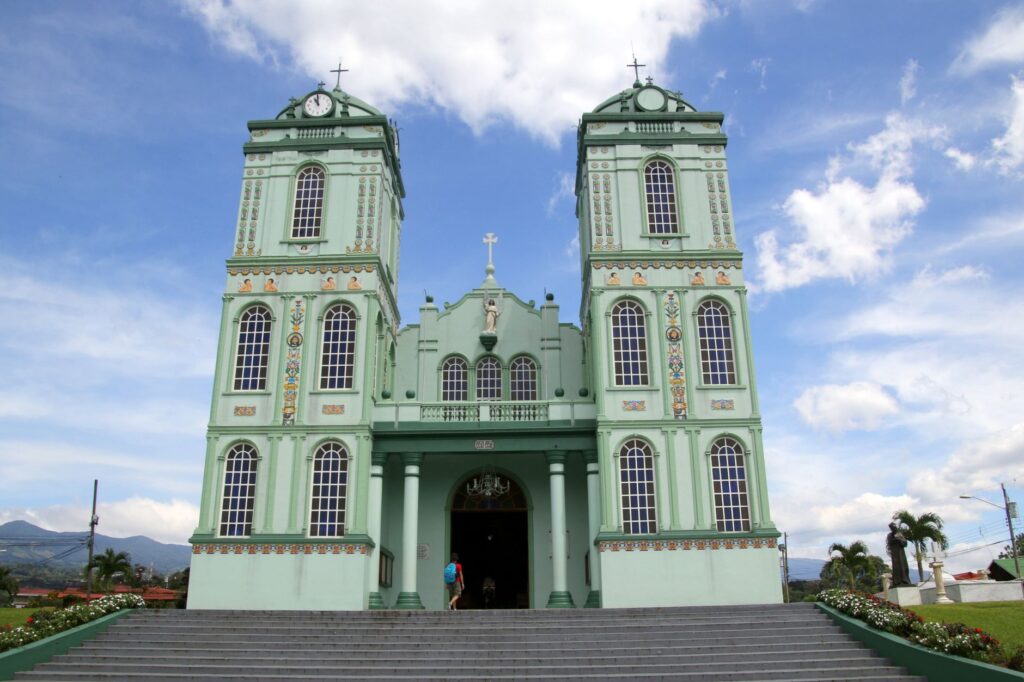
Cartago’s architectural heritage is closely tied to its history of transport and communications. Public buildings, churches, and old warehouses reflect the strategic importance the city held as a mandatory gateway toward the east of the country. Masonry structures and gabled roofs respond both to colonial tradition and the need to withstand seismic activity and seasonal rainfall. Around former loading and unloading zones, the urban landscape retains a human scale that invites walking tours, allowing visitors to discover ornamental details on facades and entrance halls.
The preservation of these historical spaces represents a constant challenge amid real estate pressure and the need to expand road infrastructure. Nevertheless, there is a growing civic awareness regarding the importance of protecting architectural heritage as a cultural and tourism asset. Plazas and parks near the old railway terminals act as green lungs and social cohesion points, where families gather on weekends to enjoy the mild climate and the valley’s characteristic tranquillity.
Flavours, Markets, and Tradition Along the Route
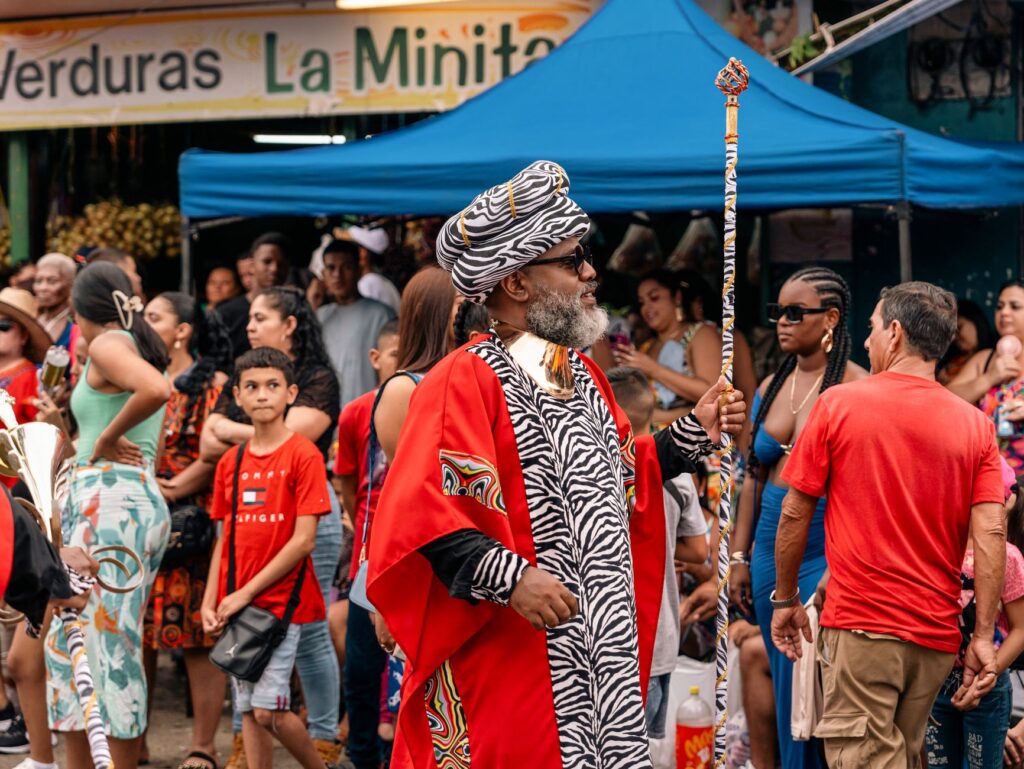
No tour of Cartago would be complete without stepping into its central market, a neuralgic point where agricultural produce grown on the slopes of nearby volcanoes converges. The vegetables, fruits, and flowers supplying a large part of the country arrive here after being transported via secondary roads and rural tracks that complement the historical railway network. Traditional food stalls offer typical preparations made with local ingredients, reflecting the region’s gastronomic wealth. This market fulfills an economic function while acting as a sociability space where travellers and residents exchange impressions about daily life.
The journey to the market and its subsequent exploration reveal how Cartago’s agricultural geography sustains its daily economy. Local farmers schedule harvest times according to urban market demand, utilising transport routes that have evolved from ancient oxcart paths to modern freight trucks. This continuity in food supply reinforces the link between countryside and city, a foundational pillar supporting the stability and dynamism of the Cartago community.
The Natural Pulse of a Volcanic Landscape
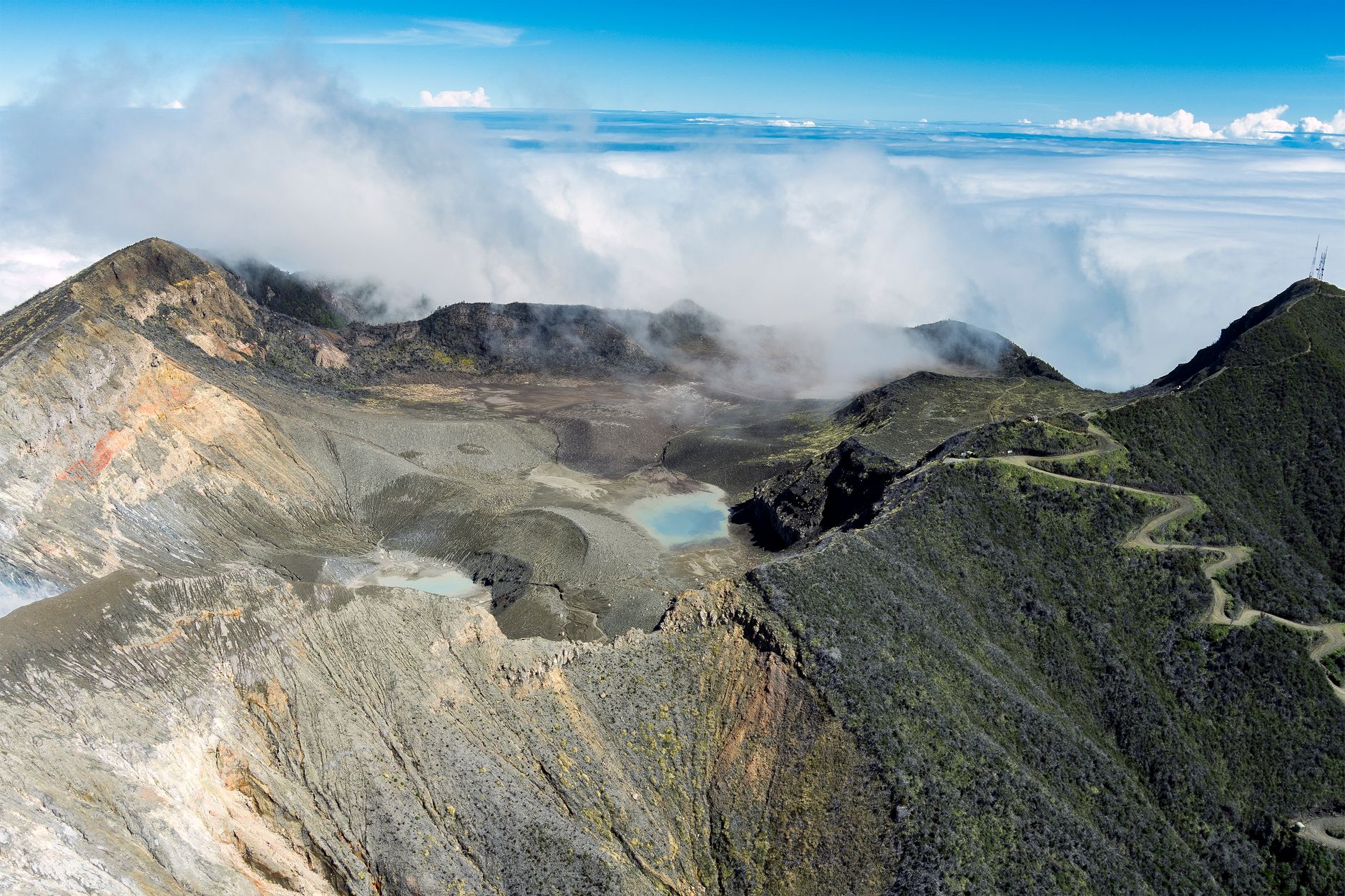
The towering presence of the Irazú volcano dominates Cartago’s skyline, conditioning both the climate and the access routes toward the higher elevations of the province. Roads ascending the volcanic slopes offer exceptional panoramic views of the central valley, displaying a mosaic of terraced crops, cloud forests, and small rural settlements. These roads, though winding and demanding, are traveled daily by buses and private vehicles connecting agricultural communities with the urban centre, demonstrating the resilience of infrastructure adapted to a natural environment as beautiful as it is challenging.
For nature-focused travellers, ascending toward the national parks and forest reserves of the area represents a unique opportunity to observe the ecological transition from the temperate valley to high-altitude moorlands. Managing these visitor flows requires a delicate balance between environmental conservation and public access, ensuring that landscape beauty remains intact for future generations. Each mountain route serves as a reminder of the fragility and grandeur of the geographical setting defining Cartago.
Practical guide

Getting there: Cartago lies a short distance from San José, the capital, and is accessible via regular bus services operating with high frequency from the metropolitan centre. Specific metropolitan rail services also facilitate daily passenger commutes.
When to visit: The region enjoys a temperate climate year-round, though the dry season months from December to April offer clearer skies for exploring the historic centre and undertaking excursions toward nearby volcanic areas.
Getting around: Cartago’s historic centre is easily explored on foot thanks to its grid layout and human scale. To travel toward peripheral districts or mountain nature trails, local buses and taxi services are the most practical options.

Gastronomy and shopping: The central market is the ideal venue for acquiring fresh agricultural produce, flowers, and tasting traditional Costa Rican cuisine in an authentic setting close to residents’ daily lives.
Final Reflection on Roads That Unite
Exploring Cartago means entering a territory where time seems measured as much by the tick of historical clocks as by the steady murmur of trains and roads. Far from mass tourism, this Costa Rican city offers a genuine window into the life of a valley that has successfully integrated its railway and agricultural past into present-day challenges. Every station, square, and mountain trail narrates the persistent story of a community that continues to find its reason for being in movement and memory.