
The Capital of Sonora Beneath the Northwestern Sun
In northwestern Mexico, geography relentlessly shapes the character of its inhabitants and the nature of their cuisine. Hermosillo, the capital of the state of Sonora, sprawls across a desert valley where summer temperatures reach notable highs, demanding a radical adaptation in both urban architecture and culinary habits. Far from being a barren territory, this municipality with over eight hundred thousand residents harbours a vibrant pantry deeply rooted in livestock and agricultural traditions. Here, daily cooking is incomprehensible without the mastery of open flame, quality ranching, and the resourceful use of elements that the semiarid environment has provided for generations. Walking through its streets and markets reveals that local identity is forged slowly, amid wood-fired ovens, smoking embers, and display counters where respect for regional produce continues to guide every recipe.
The daily pulse of the city begins early, long before the midday heat reaches its maximum intensity. In traditional neighborhoods and municipal markets, vendors display the ingredients that define the Sonoran table: rigorously selected cuts of meat, dried chiles, mashed beans, and above all, the emblematic flour tortilla—known locally as sobada or delgada—which is stretched by hand until it becomes nearly translucent. This daily labor, passed down from mothers to children and through generations, constitutes a fundamental pillar of the state’s intangible heritage. Through this report, we explore how the Hermosillo pantry survives and reinvents itself, combining the rigor of extreme weather with a hospitable generosity that defines its people.
The Municipal Market: Commercial and Social Heartbeat
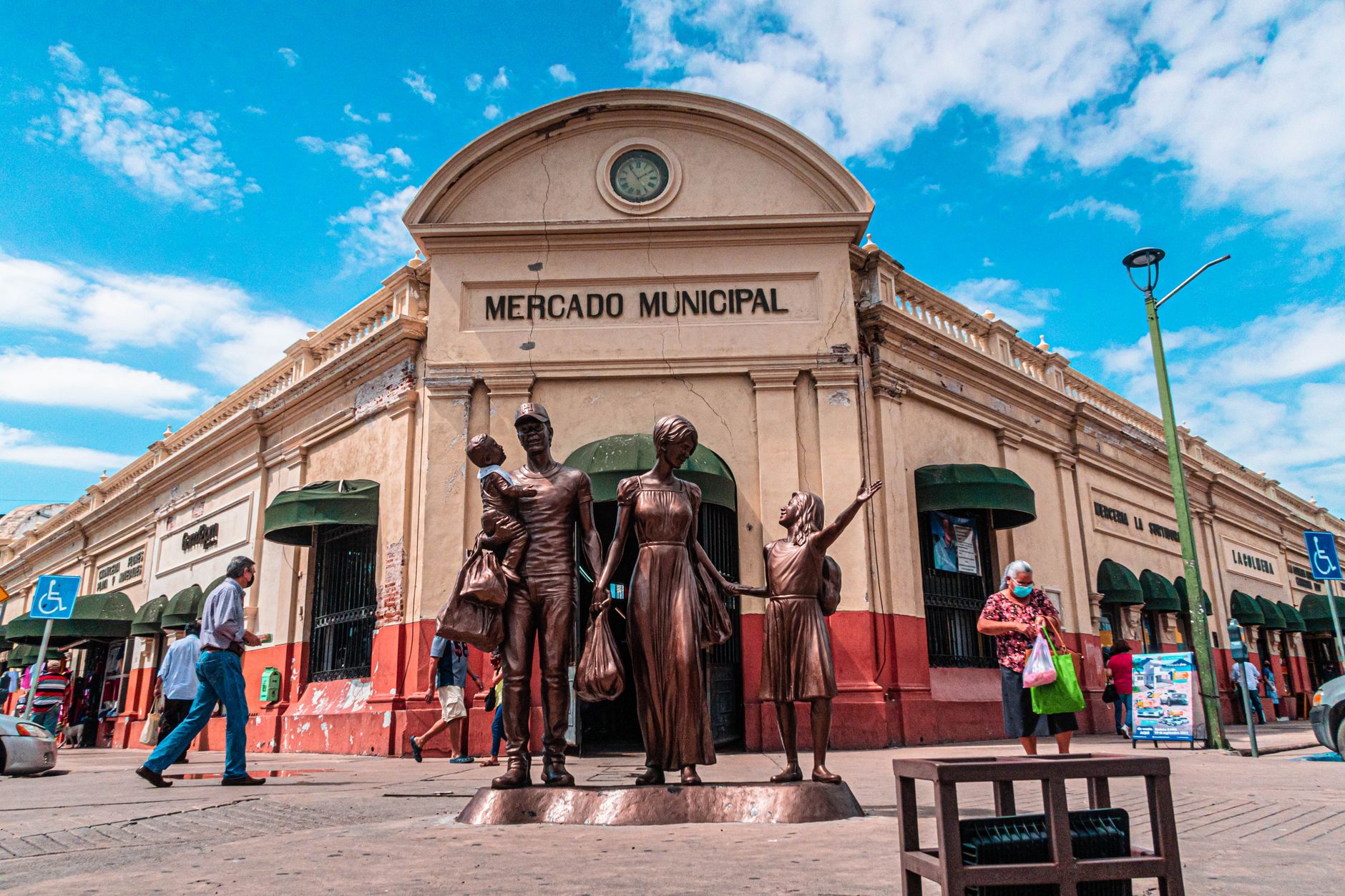
The Hermosillo Municipal Market, located in the historic heart of the city, represents the nerve center where produce from the countryside, the mountains, and the nearby coastline converges. Built at the beginning of the last century, this building of functional architecture and solid walls has withstood the test of time, adapting to the changing needs of a growing population. Upon crossing its thresholds, visitors encounter a symphony of aromas dominated by dried oregano, regional or Chiapas-style cheese, caribe chiles, and the characteristic scent of carne asada beginning to sizzle in the exterior stalls from the early morning hours.

The market vendors are not mere merchants; they act as guardians of collective memory. Each stall tells a story of family craftsmanship. Don Roberto, a butcher with over forty years of experience behind the counter, explains that the quality of Sonoran beef stems from the combination of extensive grasslands and cattle breeds adapted to water scarcity, which gives the cuts a unique marbling. The meat needs no complex marinades when the animal has grown in freedom beneath the desert sun, he notes while surgically sectioning a flank steak. Around his shop, entire families compete to acquire the best ingredients for Sunday lunch, keeping alive a communal liturgy that resists the uniformity of large supermarkets.
The Culture of Carne Asada and Ritual Fire
To speak of Hermosillo’s gastronomy without mentioning carne asada would be to ignore the very soul of its society. In this Mexican latitude, lighting the fire for beef is not a simple act of food preparation; it functions as a social catalyst, an inescapable excuse for family gathering and neighborhood cohesion. On weekends, residential yards, carports, and urban parks fill with billows of smoke from mesquite wood, an indigenous shrub whose charcoal imparts an unmistakable, subtle smoky aroma to food.

Unlike other regions of the country where stewed pots or complex sauces predominate, the festive variant of Sonoran cuisine relies on the purity of the main ingredient. Beef is seasoned strictly with coarse salt, and its cooking is entrusted to the expert judgment of the grill master, who controls the intensity of the embers without digital thermometers, guided solely by touch and sight. Invariably accompanied by scallions, tatemada salsa made with chiltepín chile, and freshly made flour tortillas, Hermosillo’s carne asada stands as a culinary monument to well-executed simplicity and pride in belonging to a cattle-raising land.
The desert is not a void to be suffered, but a territory to be inhabited with patience, where each ingredient holds the memory of scarce water and relentless sun.
Wheat and the Mastery of the Flour Tortilla
If beef provides the muscle for the Sonoran table, wheat supplies the soft, flexible soul that wraps around it. Unlike central and southern Mexico, where corn dominates the ancestral diet, Sonora historically established itself as the country’s wheat basket thanks to the introduction of winter crops and irrigation systems developed throughout the twentieth century. This abundance of crystalline wheat gave rise to one of the most notable creations of domestic baking and pastry: the sobada flour tortilla.
The process of making these tortillas is an exercise in physics and patience. Wheat flour is kneaded with warm water, lard or vegetable shortening, and salt, achieving an elastic dough that must rest for the exact amount of time. Subsequently, small dough balls are formed and rolled out with a wooden rolling pin on a smooth surface until they reach a considerable diameter and millimeter thickness. The expert hands of local tortilla makers manage to flip the dough onto the hot griddle with astonishing agility, preventing it from drying out. The secret of a good tortilla lies not in the machine, but in the elasticity provided by hands as they slap and stretch the dough, explain the master women tortilla makers of the market. This product accompanies every meal, serving both as an eating utensil and as the base for percherón burros and other local street bites.
The Treasures of the Countryside and Sonoran Sierra
Beyond beef and wheat, the Hermosillo pantry draws sustenance from wild and cultivated fruits that withstand the harsh environmental conditions. In local markets, it is common to find products as singular as the chiltepín, a small wild chile of spherical shape and intense heat that locals consider the undisputed king of salsas. Harvested by hand in the hills and canyons of the neighboring sierra, this fruit is consumed both fresh and dried, dissolved directly in broths or mixed with lime and salt to accompany seafood and meat cuts.
Likewise, irrigation agriculture in the surrounding valleys contributes vegetables, citrus fruits, and grapes that have brought international fame to Sonora’s wine-growing region. Local growers cultivate melons, watermelons, and walnuts that supply both the domestic market and export channels. During harvest months, street fruit stands display pyramids of fresh citrus that residents transform into flavored waters to combat high temperatures. This symbiosis between desert aridity and the controlled fertility of agricultural valleys forms a diet rich in contrasts, where the fresh and the wild meet on every plate.
Pastry and the Sweet Heritage of the Desert
The sweet tradition of Hermosillo also reflects the influence of historical trade routes and the availability of local ingredients such as goat’s milk, pecans, and piloncillo unrefined cane sugar. Among the most prominent preparations are coyotas, a flat pastry traditionally filled with melted piloncillo, cajeta caramel, or jamoncillo milk candy, whose crumbly texture and toasted flavor have made them the quintessential culinary souvenir for visitors to the city. Originating in Villa de Seris, a historic neighborhood of Yaqui origin annexed to the Hermosillo urban fabric, coyotas are baked in small artisan workshops where the heat of the brick oven remains the same as it has been for decades.
Another indispensable element of local pastry is milk jamoncillo, a soft-textured sweet made from milk slowly cooked with sugar until it reaches a creamy consistency, often enriched with halves of regional pecans. These sweets do not merely satisfy an occasional craving; they act as vehicles of collective memory, reminding us that even in the most demanding environments, human creativity finds ways to sweeten daily life. The artisan workshops of Villa de Seris continue to open their doors each morning, offering locals and outsiders a bite of history baked with patience and tradition.
Preserving the flavors of the desert does not mean freezing the past, but allowing new generations to continue finding the identity of their land on the plate.
Practical guide
Planning a visit to Hermosillo requires understanding the rhythm of the desert climate and the dynamics of its commercial life to make the most of the gastronomic and cultural experience.

- How to get there: General Ignacio Pesqueira García International Airport (HMO) connects the city with Mexico’s main aviation hubs and regional flights. From the terminal, the taxi or rental car ride to the historic center takes approximately twenty minutes.
- When to go: Autumn, winter, and spring months (from November to April) offer milder temperatures for exploring markets and walking through the city, avoiding the extreme heat of July and August.
- Where to eat: Municipal Market Number 1 is essential for breakfasting on barbacoa, menudo, or head tacos. For traditional carne asada, the surroundings of Villa de Seris and restaurants specializing in Sonoran cuts offer the best sample of local ranching.
- Etiquette and shopping: When buying chiltepín, coyotas, or meat cuts in the markets, visitors are encouraged to converse with vendors to learn the exact origin of the product. Respect for artisan craft is the best way to support the local economy and preserve the municipality’s gastronomic heritage.
Visual Epilogue in the Heart of the Desert
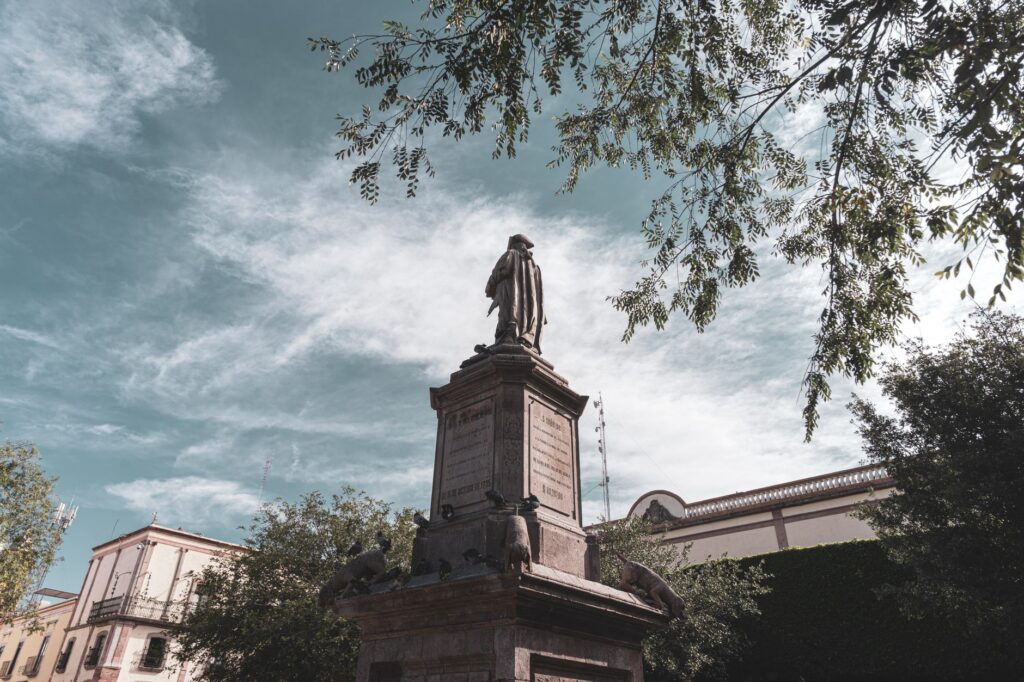
As the afternoon begins to yield and the sun descends over the horizon of the Sonoran desert, dyeing the sky in hues of ochre, copper, and violet, the city of Hermosillo experiences a climatic truce that invites a pause. In the tree-lined plazas and porticos of the historic center, residents gather to converse outdoors, sharing the evening breeze that announces the end of another day beneath the intense heat. In this moment of quietude, the Hermosillo table reveals its deepest meaning: it is not merely a refuge against climatic adversity, but a constant celebration of community, labor, and shared memory that endures in every home of northwestern Mexico.