
The High Savanna and Dry Horizon of Dodoma
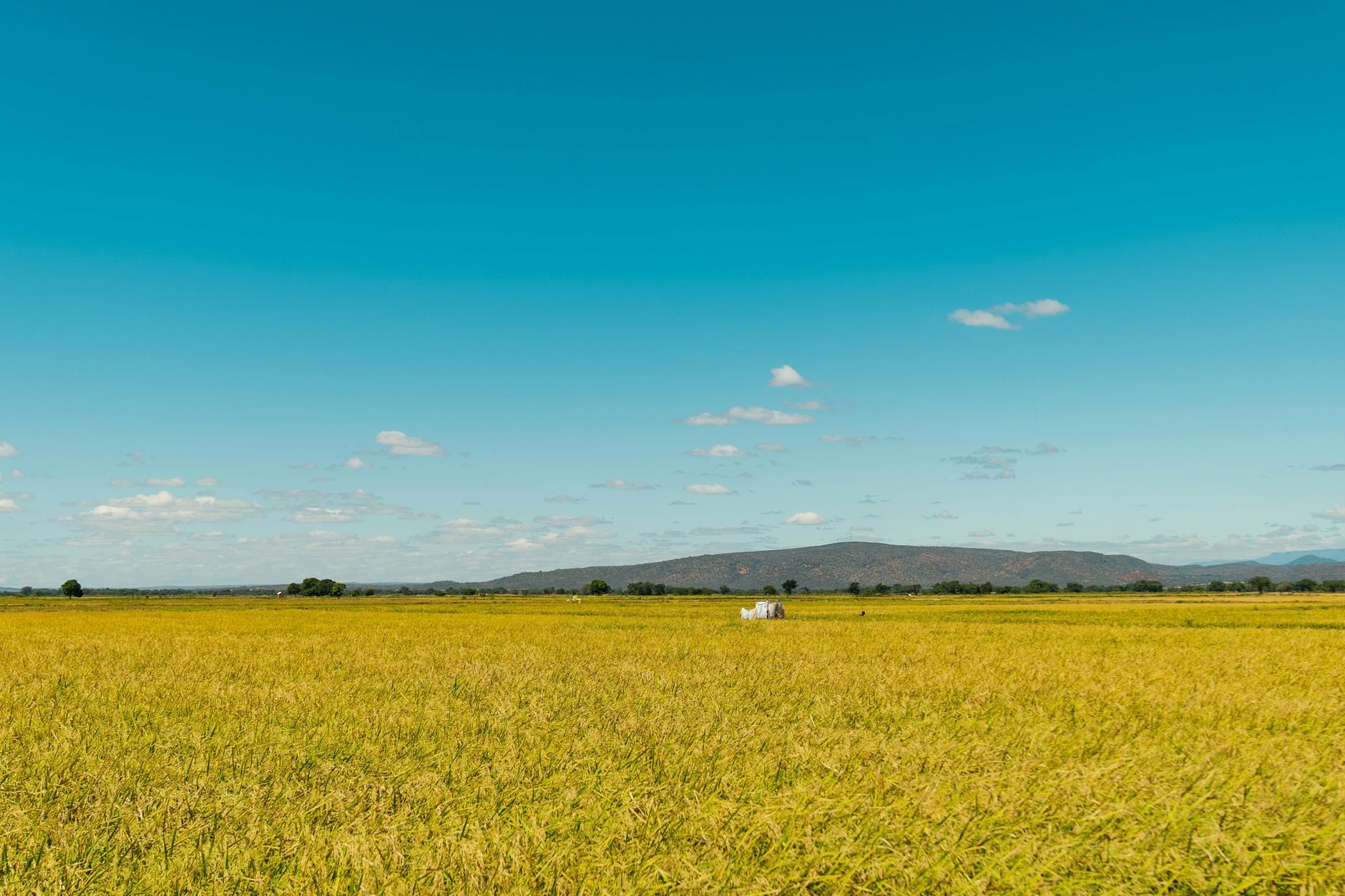
Tanzania’s central plateau unfolds as a vast expanse of ochre and golden tones, where vegetation must challenge the harshness of the climate to sustain biodiversity. In the surroundings of Dodoma, the nation’s capital, the landscape does not match the lush, green plains of the northern parks, but rather a semi-arid savanna ecosystem where every species has honed admirable survival strategies. Flat-topped acacias and thorny thickets dot the red earth, creating a natural mosaic that shelters wildlife as resilient as it is fascinating.
Traversing this territory requires understanding the dynamics of a nature that oscillates between the extreme drought of the rainless months and the explosion of greenery brought by seasonal storms. At an average altitude of about eleven hundred meters above sea level, the air is dry and daytime temperatures test any living organism. Yet beneath this apparent desolation lies a complex biological web where medium-sized mammals, raptors, and a myriad of insects interact in a fragile balance.
The local communities inhabiting the outskirts of the urban district and its rural extensions have historically coexisted with this austere environment. Far from the mass tourism of traditional safaris, the region offers a window into the daily interaction between agropastoral populations and wildlife. Here, respect for scarce water resources dictates the rhythm of human and animal existence, establishing unwritten rules on land use and the protection of natural watering holes.
Wildlife Adapted to High-Plateau Aridity
Adapting to persistent heat and permanent water scarcity demands remarkable physiological and behavioral adjustments. In the natural domains surrounding Dodoma, species such as Kirk’s dik-dik, the cape fox, and various smaller antelope varieties have developed the ability to extract necessary moisture directly from the plants and roots they consume. These animals typically exhibit crepuscular or nocturnal habits, avoiding peak solar hours to conserve energy and reduce fluid loss.
Meanwhile, birds find secure nesting refuges in rocky outcrops and the scattered canopies of acacia trees. The red-billed hornbill and numerous metallic starling species streak the plateau sky in search of seeds and small insects. The presence of these birds is far from merely ornamental; they play a fundamental ecological role in seed dispersal and the control of invertebrate populations, ensuring the vegetative regeneration of the shrub savanna.
Smaller carnivores, such as the black-backed jackal and the genet, complete a trophic chain adapted to scarcity. Their opportunistic diet allows them to survive in a habitat where large prey is scarce. Respectful observation of these animals in their natural habitat demands patience and silence, reminding the traveler that they are in a territory where conservation takes precedence over commercial entertainment.
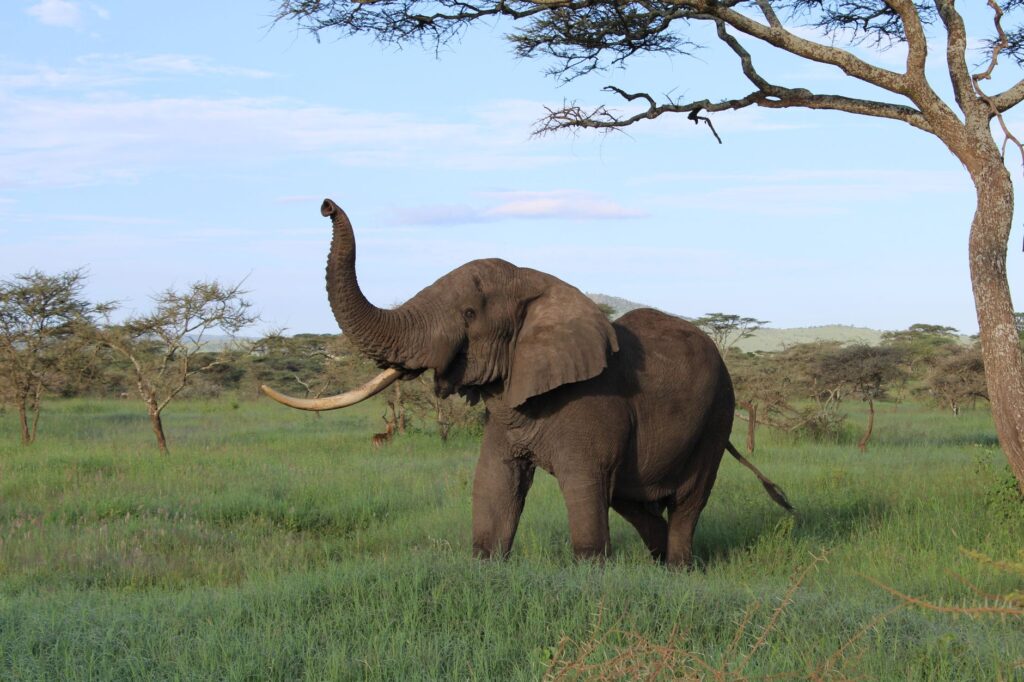
The Role of Bahi’s Seasonal Wetlands
A short distance from the main urban core, the Bahi depression introduces a striking counterpoint to Dodoma’s semi-arid geography. This system of temporary wetlands and salt flats transforms radically according to the precipitation cycle. When rains manage to reach the plateau, the low basins accumulate shallow sheets of water that attract a notable diversity of aquatic and migratory birds, temporarily converting the dry landscape into a refuge of biodiversity.
Lesser and greater flamingos, herons, and several species of waterfowl find crucial feeding and resting sites in these seasonal mirrors of water along their migratory routes through the African Rift. The interaction between birds and the saline aquatic environment demonstrates the resilience of local ecosystems, capable of shifting from absolute dust to temporary exuberance within weeks.
Nevertheless, the fragility of these wetlands is evident. Increasing agricultural pressure and water extraction for irrigation represent considerable challenges to the persistence of these habitats. Naturalists and local administrators stress the need to strictly manage these resources to prevent premature desiccation from altering the migration routes and survival of species dependent upon them.
The savanna is not an empty space waiting to be filled, but a living archive where every plant and animal writes the history of resistance against thirst.
Community Initiatives and Local Conservation
Wildlife protection in Dodoma does not rely on large governmental deployments, but rather on the daily effort of local communities and grassroots associations. Environmental awareness programs in rural schools and the establishment of rotational grazing zones have proven effective tools in mitigating conflict between human activity and native fauna. By involving residents in the management of their natural resources, a sense of shared responsibility is fostered that benefits both the environment and the social fabric.
Reforestation projects featuring native species, such as acacia tortilis, aim to curb soil erosion caused by dry winds and occasional torrential rains. These initiatives not only restore the natural habitat of numerous birds and small mammals, but also provide sustainable shade and firewood for rural families, reducing pressure on remaining native forests.
Low-impact ecotourism is quietly carving out a path as a viable economic alternative. Guided by local experts, nature-interested visitors can walk interpretive trails explaining the botany of the plateau and traditional wildlife-tracking techniques. This modality ensures that generated revenue remains within the community, directly funding the surveillance and protection of the most sensitive natural areas.

Endogenous Flora and Tanzanian Soil Botany
The vegetation of the Dodoma region is an eloquent testimony to semi-arid botany. Plants have evolved not only thorns to defend against herbivores, but also deep root systems capable of reaching the most hidden water tables. Among the most representative species are baobabs, whose massive trunks act as natural water reservoirs during the harshest dry months, while also offering hollow shelter to bats and wild bees.
Resin-producing shrubs and perennial grasses complete the vegetative tapestry. These grasses, seemingly dry most of the year, possess extraordinary dormancy capacity. With the first drops of rain, their seeds germinate and grow at an accelerated pace, completing their biological cycle before the soil hardens once more under the relentless tropical sun.
Studying this flora reveals that conservation in the Tanzanian plateau does not consist of preserving idyllic green landscapes, but of protecting the regenerative capacity of species adapted to climatic harshness. Each plant fulfills a structural function in soil retention and in providing nourishment for resident herbivores.
Contemporary Challenges Facing Climate Change
The rainfall regime in central Tanzania has become increasingly unpredictable over recent decades, a phenomenon directly impacting both farmers and wildlife stability. Prolonged droughts reduce pasture availability and dry up traditional water points, forcing animals to travel greater distances and increasing the likelihood of conflict encounters with human populations.
Scientists and local conservationists collaborate in monitoring animal populations through low-cost technologies and recording sightings provided by herders and community guides. This early-warning surveillance network allows for the detection of alarming wildlife declines and the implementation of corrective measures before ecosystem damage becomes irreversible.
Environmental education consolidates itself as the fundamental pillar to face these future challenges. Teaching new generations the intrinsic value of local biodiversity ensures that the protection of the savanna and its species is not viewed as a luxury, but as a vital necessity for the region’s long-term survival.
Practical guide
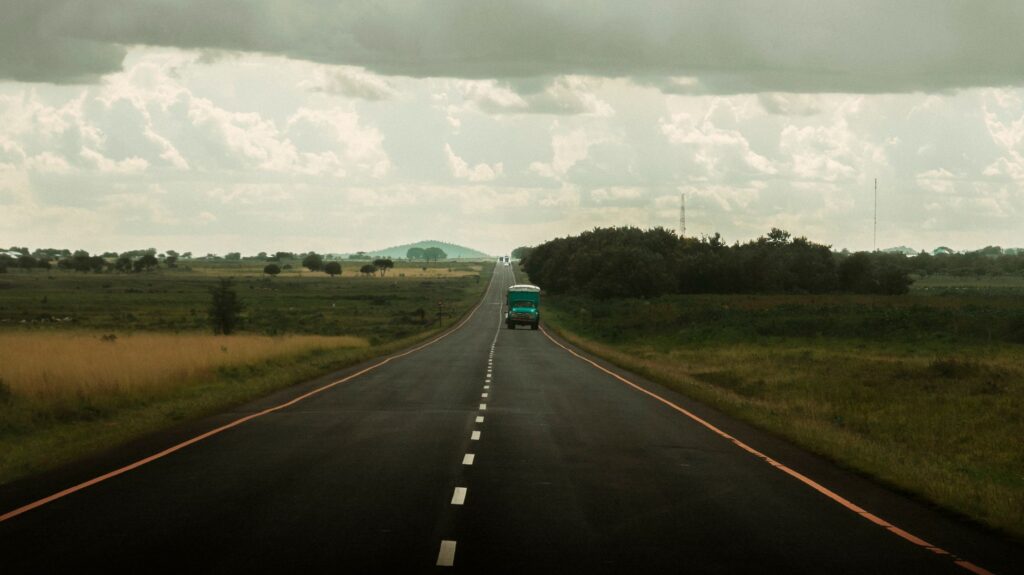
How to get there: Dodoma International Airport connects with Tanzania’s major transport hubs via regular domestic flights. Access is also possible by road or through railway services from Dar es Salaam, enjoying the landscapes of the country’s interior.
Best time to visit: The dry season, spanning from June to October, offers cooler weather and facilitates wildlife observation around remaining water sources. The post-rains period, between March and May, displays the landscape in its maximum green splendor.
Equipment recommendations: Lightweight clothing in neutral colors, sturdy footwear for walking on stony terrain, broad-spectrum sunscreen, a hat, and good-quality binoculars for observing birds and elusive mammals are essential.
Rules of conduct: Always maintain a prudent distance from wildlife, avoid excessive noise that might alter animal behavior, and leave no waste whatsoever in the natural spaces visited.
The Final Pulse of the Tanzanian Savanna
Observing the sunset over the Dodoma plateau is witnessing a ritual where golden light softens the earth’s roughness and restores an ancestral calm to the savanna. In that crepuscular instant, when shadows lengthen and the wind diminishes, Tanzanian nature reveals its true essence: a silent symphony of endurance, adaptation, and sober beauty that continues to beat at the heart of the African country.