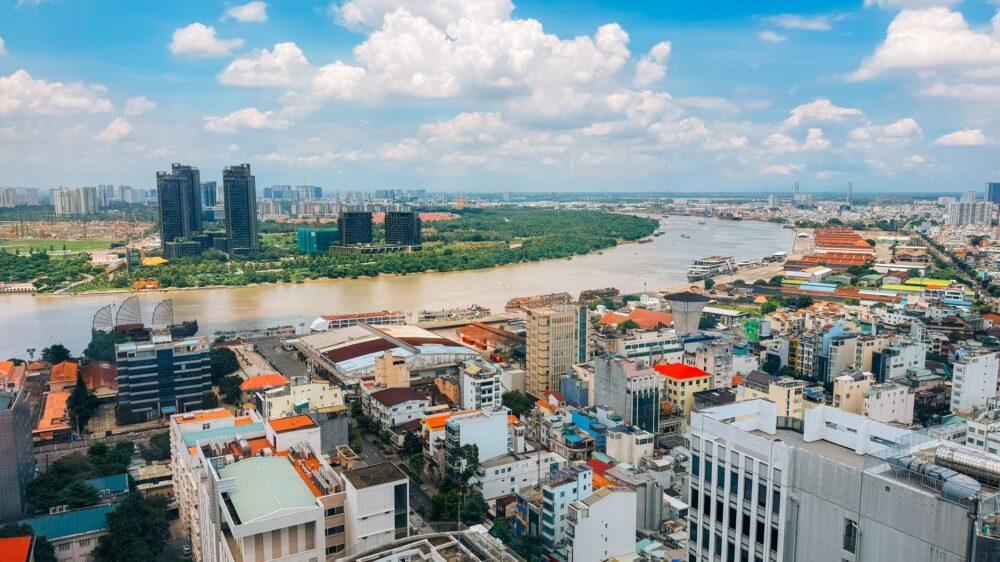
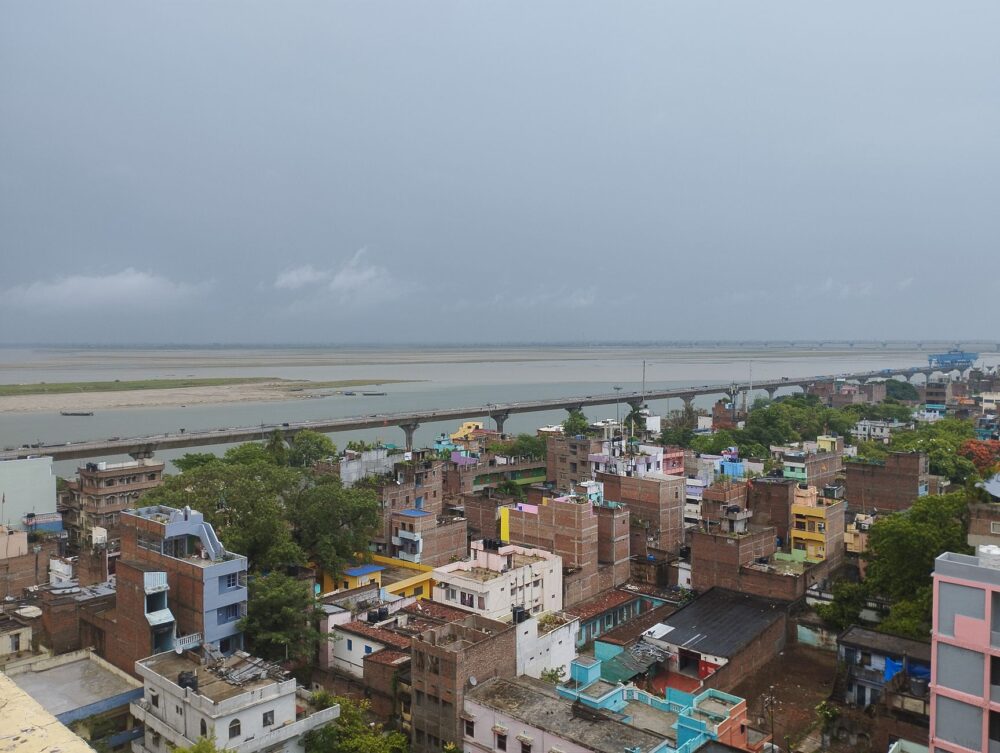
At the northern edge of the sprawling Tokyo metropolis in Japan, the district of Adachi unfolds a daily routine that contrasts sharply with the vertical bustle of the central financial districts. Here, where the Arakawa river widens its course and creates a natural pause in the dense urban fabric, life moves at a leisurely pace deeply rooted in neighborhood traditions. Far from purely tourist routes, this territory offers a privileged window into the more intimate side of the country, one sustained by small family-owned businesses, centuries-old temples, and respectful coexistence with the river environment.
The history of this area is closely linked to ancient pilgrimage and trade routes connecting the capital with the northern regions of Japan. Crossing its neighborhoods means stepping into a space where low-rise architecture and residential alleys preserve a human scale almost extinct in other parts of the prefecture. Local residents, aware of the value of their heritage, drive initiatives to preserve collective memory, ensuring that urban development respects both material heritage and the tranquility of the streets.
Urban preservation efforts in Adachi extend beyond structural conservation, encompassing the protection of communal habits and neighborhood camaraderie that have defined the district for decades. Older residents often share oral histories with younger generations, passing down knowledge about traditional festivals, seasonal culinary preparations, and regional craftsmanship. This dedication to continuity creates a resilient community fabric capable of withstanding the pressures of rapid modernization visible in other sectors of the Japanese capital.
The Morning Pulse in Residential Streets
The first light of day over the Arakawa river reveals a peaceful scene where Adachi residents begin their daily routines. Local markets and small grocery shops open their doors with millimeter precision, offering fresh produce and culinary specialties that reflect the changing season. This neighborhood commerce not only supplies local households but also serves as the primary social meeting point, where informal conversations strengthen community bonds.

Unlike the hyper-connected hubs of Tokyo, the pace of Adachi invites detailed observation. Cyclists cross pedestrian bridges while students walk in an orderly fashion toward their schools, in a silent and efficient urban choreography. Neighborhood associations play a fundamental role in organizing cultural activities and maintaining public cleanliness, reflecting a strong sense of civic co-responsibility that defines the character of the area.
Morning routines also highlight the deep integration of nature into urban life across the district. Residents frequently adjust their schedules to accommodate outdoor exercise along designated paths, utilizing the early hours for peaceful walks before the city’s broader transportation networks reach peak capacity. This steady rhythm provides a stark contrast to the hectic commuting patterns typically associated with major Japanese urban centers.
Spiritual Heritage and Neighborhood Sanctuaries
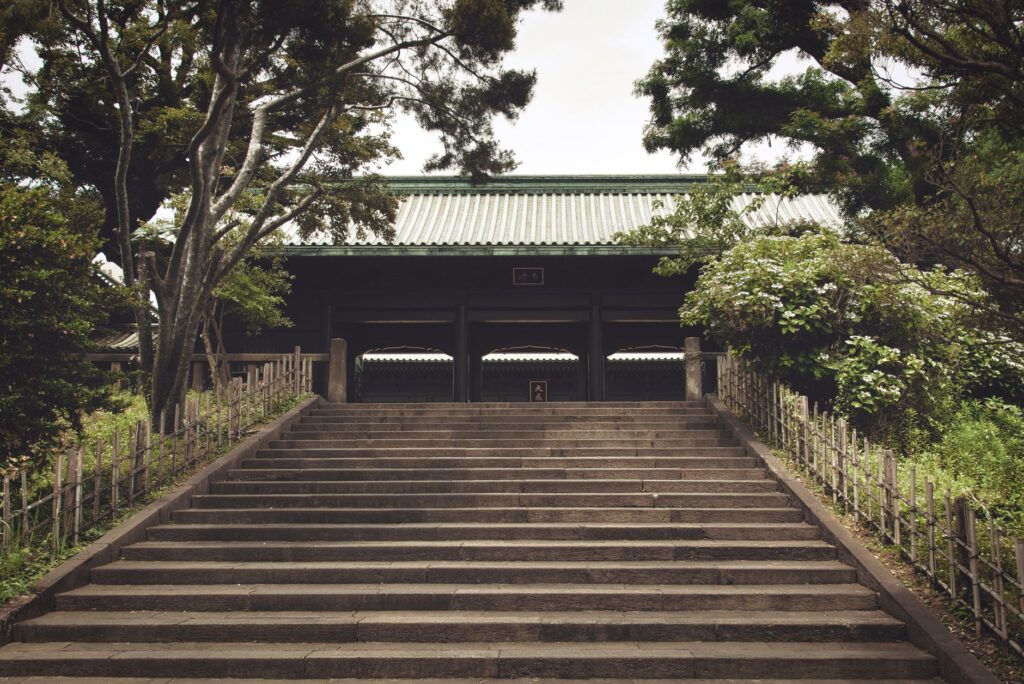
The architectural and spiritual heritage of Adachi manifests through numerous temples and shrines scattered discreetly among the residential zones. These sacred enclosures are not mere relics of the past, but active centers of community life where seasonal festivities gather multiple generations. The meticulous care of these spaces underscores the importance that inhabitants attach to historical continuity and respect for ancestral traditions.

The gardens surrounding these shrines offer a sanctuary of peace against the noise of the big city. Local priests and volunteers take charge of maintaining the grounds, organizing open workshops where younger generations learn traditional gardening and calligraphy techniques. This intergenerational transfer of knowledge ensures that Adachi’s cultural identity remains alive and dynamic in the face of accelerated modernization pressures.
Festivals hosted within these neighborhood sanctuaries serve as vital cultural anchors throughout the year. During these events, traditional music, ritual performances, and communal dining foster a shared sense of belonging among participants. Visitors observing these gatherings are reminded of the enduring spiritual dimensions embedded within contemporary Japanese neighborhood life.
The Arakawa Riverbank as an Ecological and Recreational Axis
The most representative natural environment of the district is undoubtedly the extensive green strip flanking the Arakawa river. This fluvial corridor fulfills a dual vital function: it acts as an ecological buffer zone and provides an essential public space for residents’ recreation. During weekends, families head to the riverbanks to practice sports, ride bicycles, or simply enjoy views toward the metropolitan skyline.
Local authorities and environmental groups collaborate closely in the sustainable management of this natural space, implementing reforestation programs and waste control measures. These safeguards guarantee the protection of local birdlife and the maintenance of urban biodiversity. Commitment to the environment translates into a balanced coexistence between citizen enjoyment and the conservation of fragile riparian ecosystems.
Educational programs organized along the riverbank encourage students and local volunteers to participate in water quality monitoring and botanical cataloging. These hands-on activities foster ecological awareness from an early age, ensuring that future generations maintain a protective relationship with Adachi’s most prominent natural landmark.
Neighborhood Gastronomy and Seasonal Flavors
Adachi’s culinary offerings step away from international haute cuisine to focus on an honest proposition based on traditional recipes and local products. In small neighborhood restaurants, known as shokudo, comforting dishes such as udon noodles and fresh fish preparations varying with the seasonal cycle are served. Each ingredient tells a story of geographic roots and respect for traditional cooking times.
The true essence of a place is discovered at the everyday table, where simple flavors reveal the shared history of its people.
The district’s traditional markets also house stalls specialized in traditional Japanese sweets, known as wagashi, crafted by hand following methods passed down through generations. These family-run establishments keep alive a craft that requires patience and precision, turning every bite into a small piece of ephemeral art that celebrates the changing season.

Culinary traditions in the area also reflect a deep respect for agricultural cycles within Japan. Local chefs and market vendors prioritize ingredients sourced from regional producers, reinforcing a localized food supply chain that values freshness, sustainability, and minimal waste.
Responsible Visitor Conduct
For travelers deciding to explore Adachi, the key to an enriching experience lies in adopting practices respectful of local life. Mass tourism has no place in this district, so visitors are expected to maintain a low profile, respecting the tranquility of residential spaces and avoiding disruption of the unwritten rules governing the community.
Using public transport efficiently, supporting small independent shops, and minimizing environmental impact during riverbank walks are essential actions. Interaction with residents must be based on courtesy and genuine interest in understanding their lifestyle, avoiding intrusive attitudes and prioritizing cultural learning over mere tourist consumption.
Mindful exploration involves recognizing that residential areas function primarily as homes rather than sightseeing backdrops. Visitors who embrace this perspective contribute to the preservation of local peace, ensuring that neighborhood residents continue to welcome thoughtful travelers with traditional Japanese hospitality.

Practical guide
Practical guide
- Getting There: The Adachi district in Japan is excellently connected to central Tokyo via several urban rail lines, notably the Chiyoda and Hibiya subway lines, as well as the JR East commuter networks and the Tobu Skytree railway.
- Local Transportation: The best way to explore the residential neighborhoods and the Arakawa riverbank is on foot or by bicycle, taking advantage of the extensive network of designated lanes and the flat terrain.
- Accommodation: Although international hotel options are sparse, it is possible to find traditional Japanese ryokan inns, regulated tourist apartments, and functional hotels catering to independent travelers.
- Recommended Gastronomy: Visitors are advised to sample local markets and small neighborhood eateries to taste homemade dishes such as traditional tempura, artisanal soba, and seasonal specialties made with local ingredients.
- Best Time to Visit: Spring, coinciding with cherry blossom viewing along the Arakawa riverbanks, and autumn, with its warm foliage tones, offer the most pleasant climatic and visual conditions to explore the district.
- Code of Conduct: It is fundamental to maintain a moderate tone of voice in public spaces, respect smoking bans on public streets except in designated areas, and strictly follow local waste separation guidelines.
The journey through this northern corner of the Japanese capital concludes beneath the golden light of dusk, when sun reflections on the Arakawa waters gently illuminate the silhouettes of bridges and traditional rooftops. In this moment of quietude, Adachi reveals the profound beauty of the everyday, a living testament that authenticity and respect for heritage remain possible in the heart of one of the planet’s largest megalopolises.